
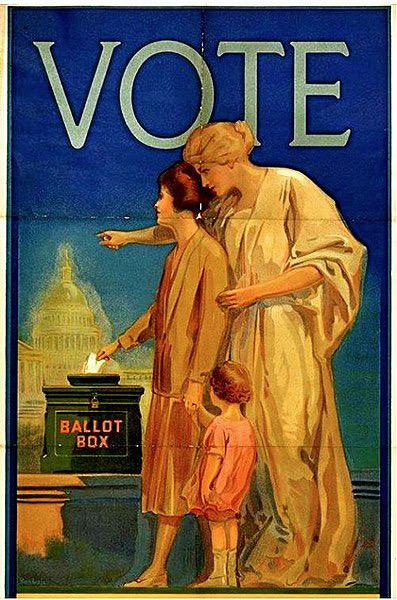
26 million women in the US won the right to vote on August 18, 1920 with the ratification of the Nineteenth Amendment. Some groups of women faced state-level limitations but those were successfully challenged and overcome throughout the 20th century.
Image by the League of Women Voters, 1920 via Wikimedia Commons, public domain in the US.
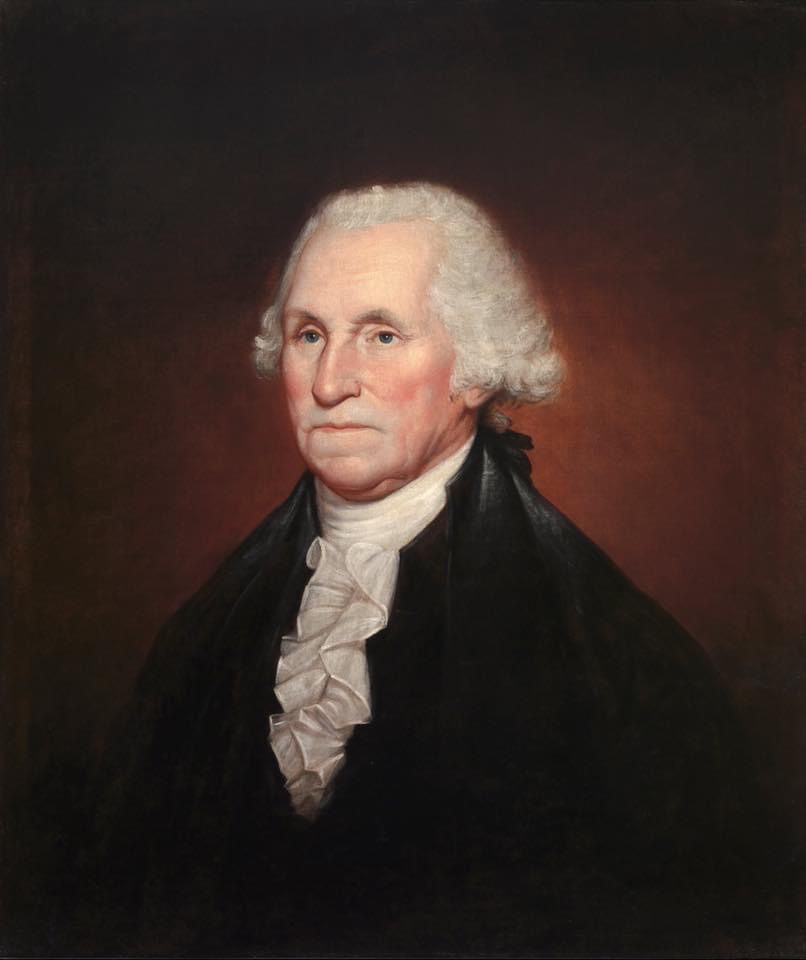
On August 18, 1795 President George Washington signed The Jay Treaty.
It was an agreement between the United States and Great Britain generally designed to put an end to lingering disputes since the Treaty of Paris.
Image: George Washington in 1795 by Rembrandt Peale via Wikimedia Commons, public domain
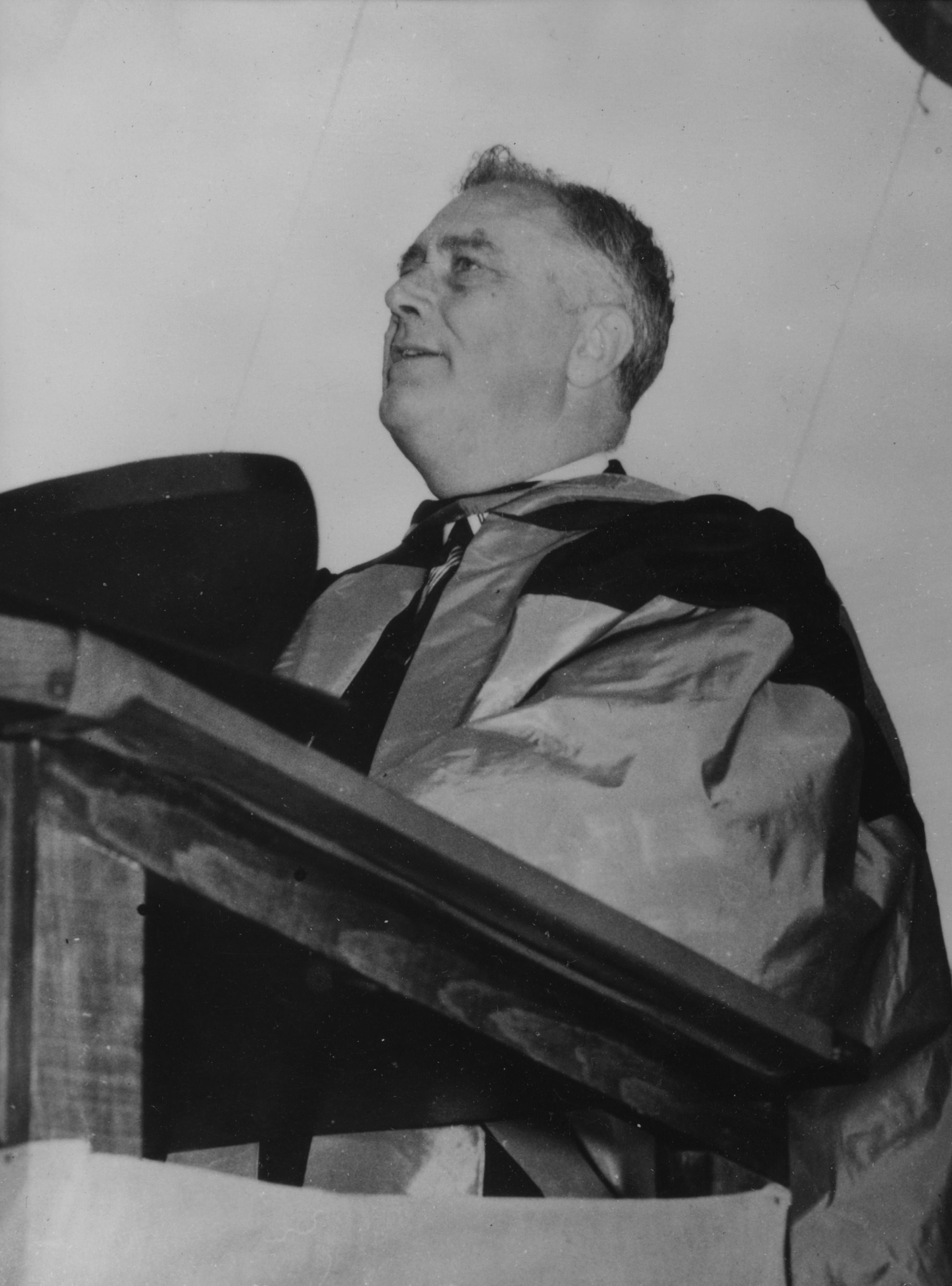
On August 18, 1938, President Franklin Delano Roosevelt received an honorary degree from Queen’s University in Kingston, Ontario, Canada
It was also the same day that the Thousand Islands Bridge connecting New York with Ontario was opened to the public.
Image of FDR on August 18, 1938 via Wikimedia Commons, public domain
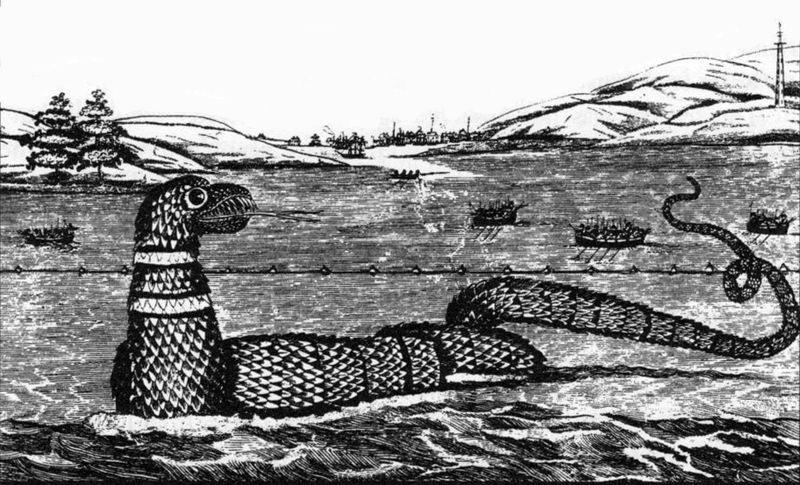
On August 18, 1817 a sea serpent 60-70 feet in length was reportedly seen off Gloucester, Massachusetts by a number of witnesses. Repeated sightings of the mysterious creature occurred over the next two years.
Image via Wikimedia Commons, public domain in the US
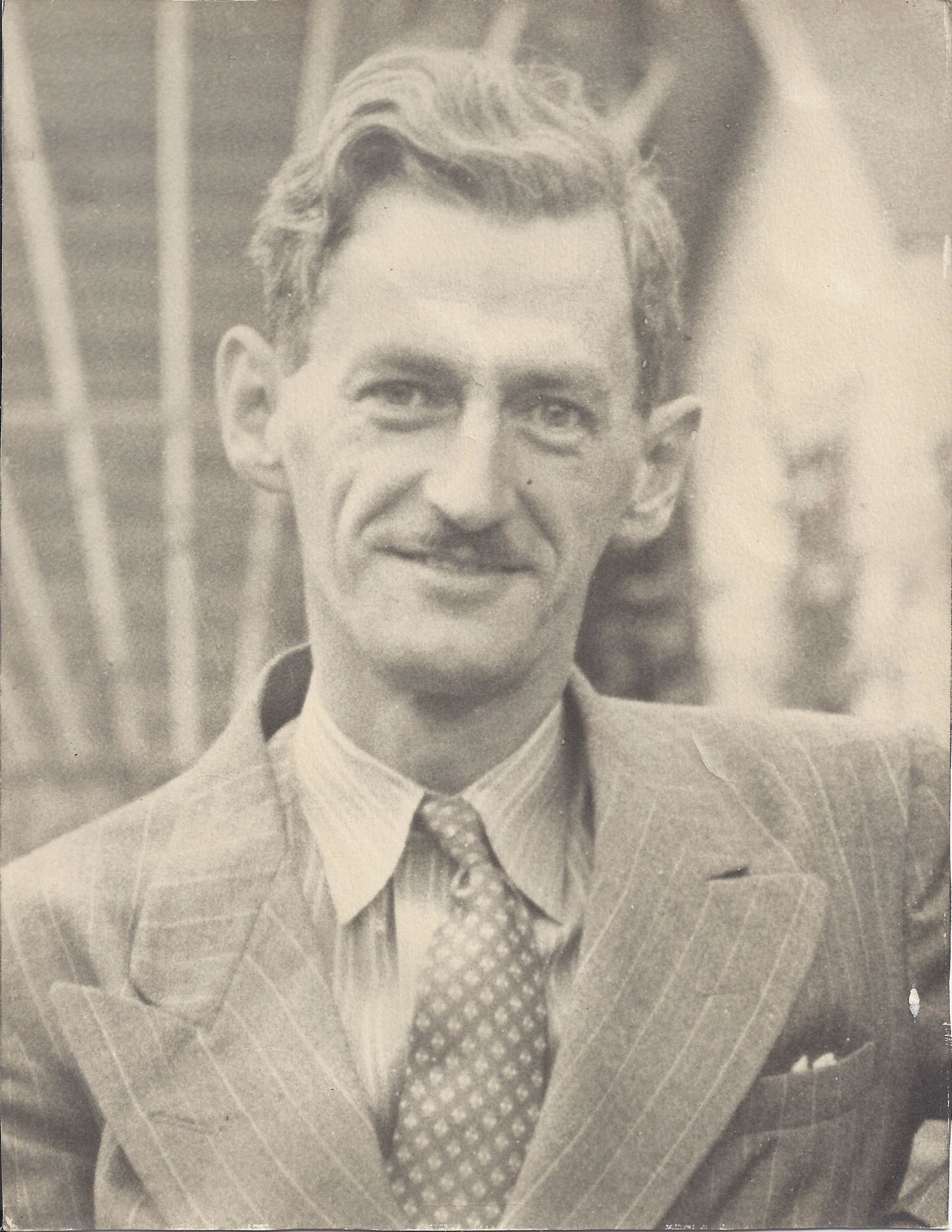
At Angel Mounds, Glenn A. Black uncovered more than artifacts—he revealed a thriving Mississippian city, reshaping our understanding of Indigenous life in the Ohio Valley. Born August 18, 1900, Black became Indiana’s first professional archaeologist, known for his meticulous fieldwork, innovative methods, and deep respect for the cultures he studied. His legacy lives on in every trowel stroke that seeks not just objects, but meaning.
Image of Black in the late 1930s from HanreaGBL • CC BY-SA 4.0 via Wikimedia Commons
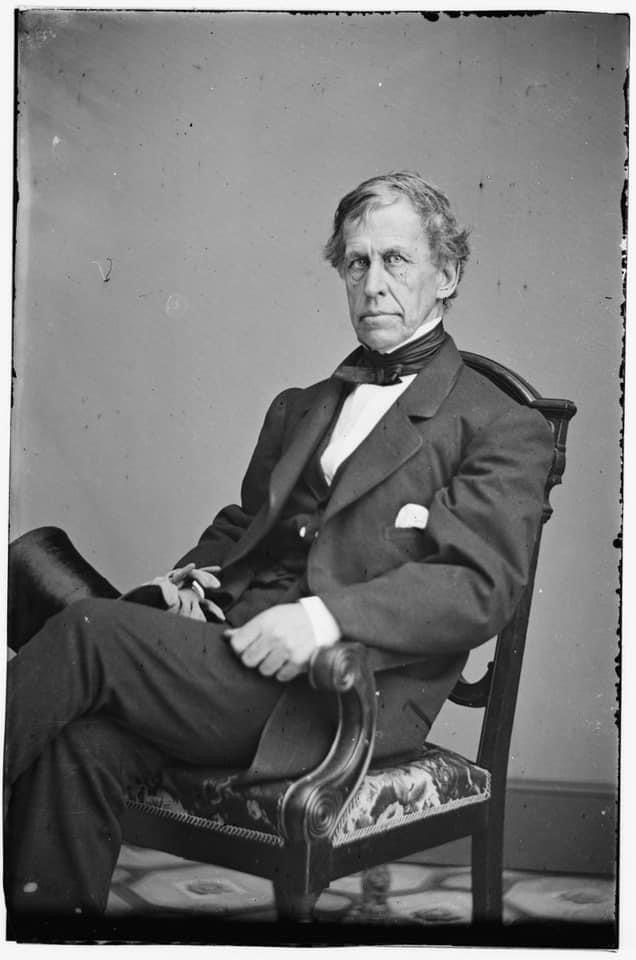
On August 18, 1838 Charles Wilkes commanding the USS Vincennes along with other ships and over 300 crewmen departed Virginia and began their journey to explore the Pacific. The expedition took nearly 4 years to complete.
Image: Portrait of Rear Admiral Charles Wilkes, officer of the Federal Navy about 20 years after his expedition to the Pacific at the time of the American Civil War via Wikimedia Commons, public domain
“Meriwether Lewis was born on August 18, 1774 in
Ivy, Albemarle County, Colony of Virginia.
Meriwether Lewis was just eight months old when the first guns of our Revolutionary War were fired at Lexington. He was born near Charlottesville, Virginia, not far from the home of Thomas Jefferson.”
His mother’s maiden name was Lucy MERIWETHER and his father’s name was William LEWIS.
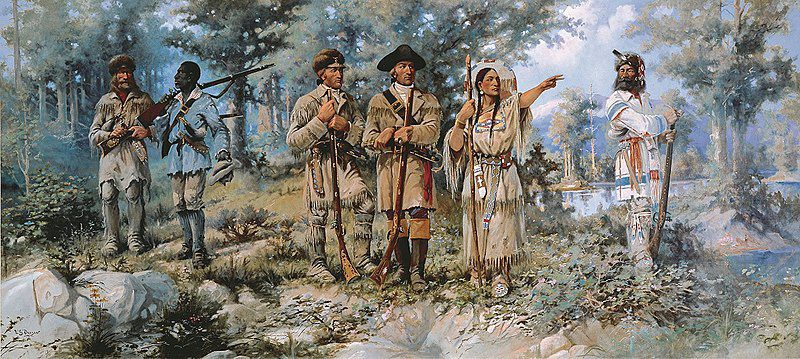
Image: Meriwether Lewis (third from left), along with William Clark of the Corps of Discovery on an expedition to explore lands acquired through the Louisiana Purchase.
via Wikimedia Commons, public domain in the US
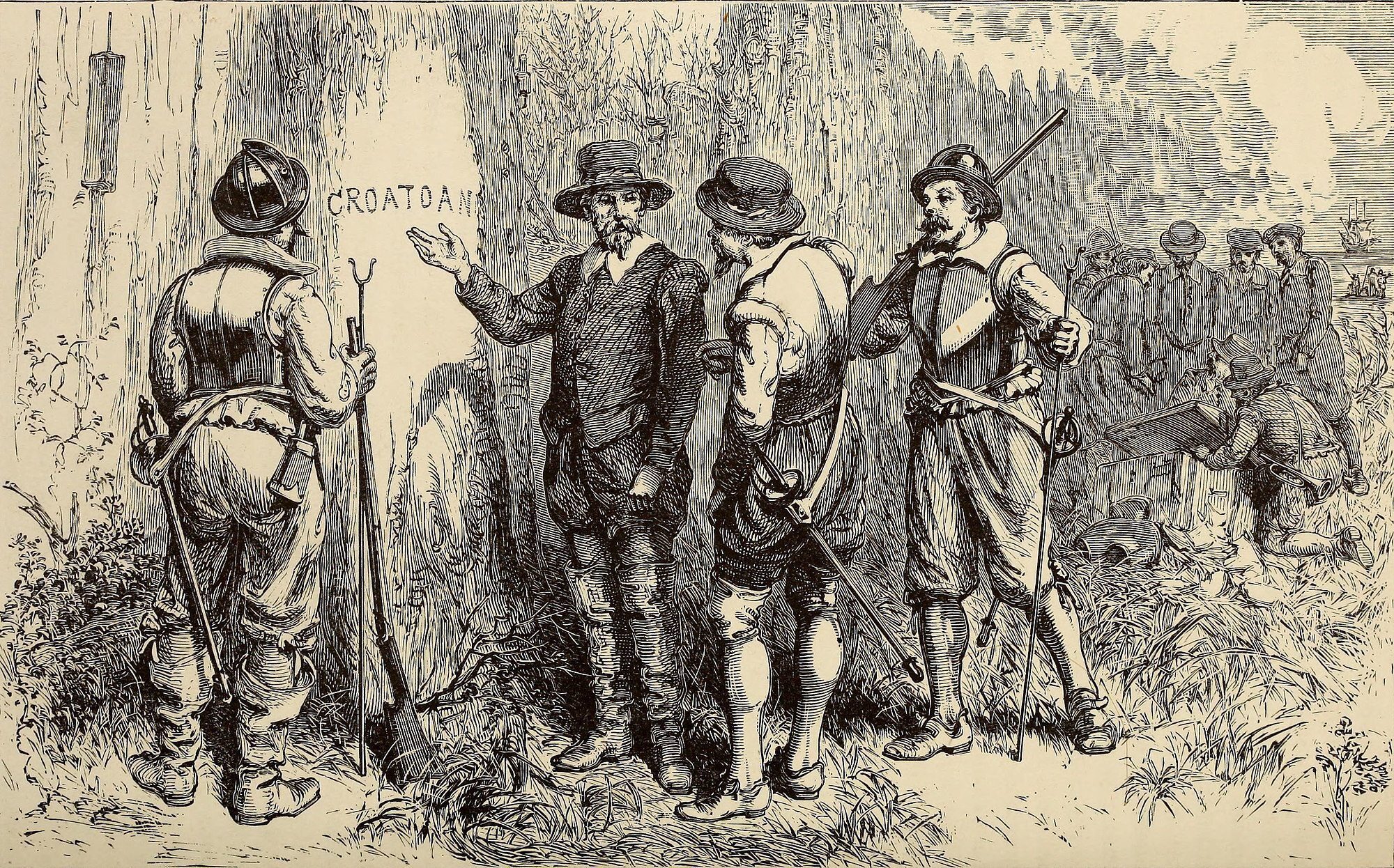
On August 18, 1587, John White’s granddaughter, Virginia Dare, was born in the colony of Roanoke. He and his crew set sail for England to get supplies later that August. His hope was to one day return to the New World where he could be reunited with his colonists including his daughter and granddaughter.
Three years later, on August 18, 1590 John White finally returned to Roanoke but everyone had vanished.
Image via Wikimedia Commons, public domain
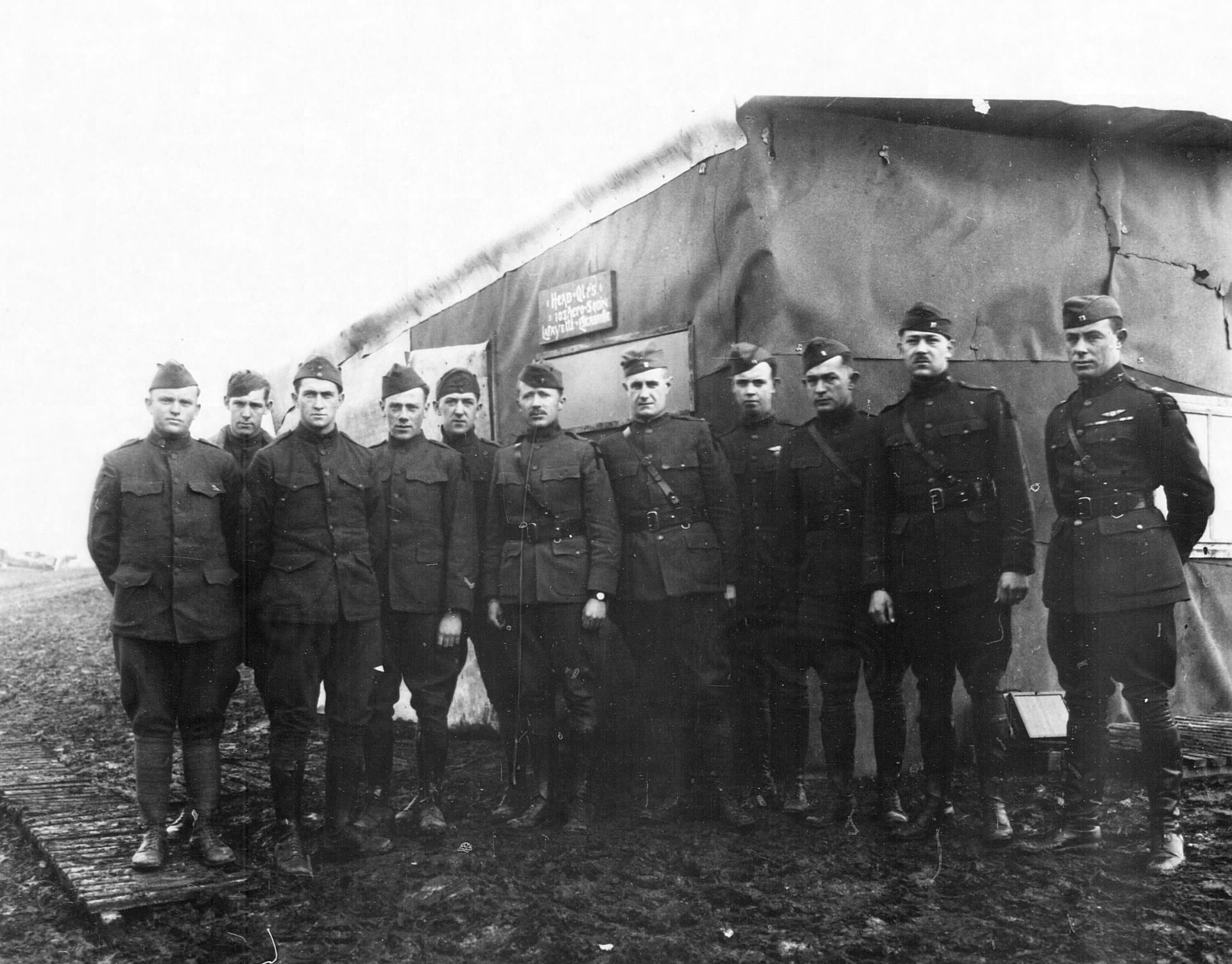
On August 18, 1919, the U.S. 103rd Aero Squadron was officially demobilized.
The squadron was commanded by Major William Thaw II who is considered to be the first American to engage in aerial combat during WWI.
103rd Aero Squadron Headquarters staff at La Noblette Aerodrome, early 1918
via Wikimedia Commons, public domain
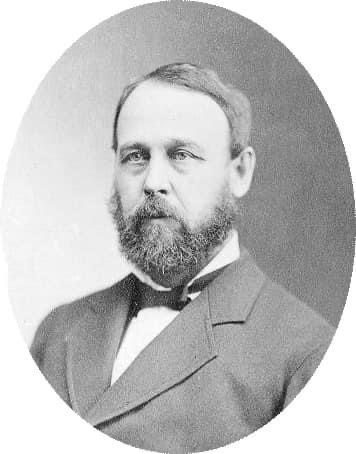
American astronomer Asaph Hall discovered a moon of Mars known as Phobos on August 18, 1877.
It was just six days after he discovered a moon of Mars known as Deimos on August 12, 1877.
Image via Wikimedia Commons, public domain
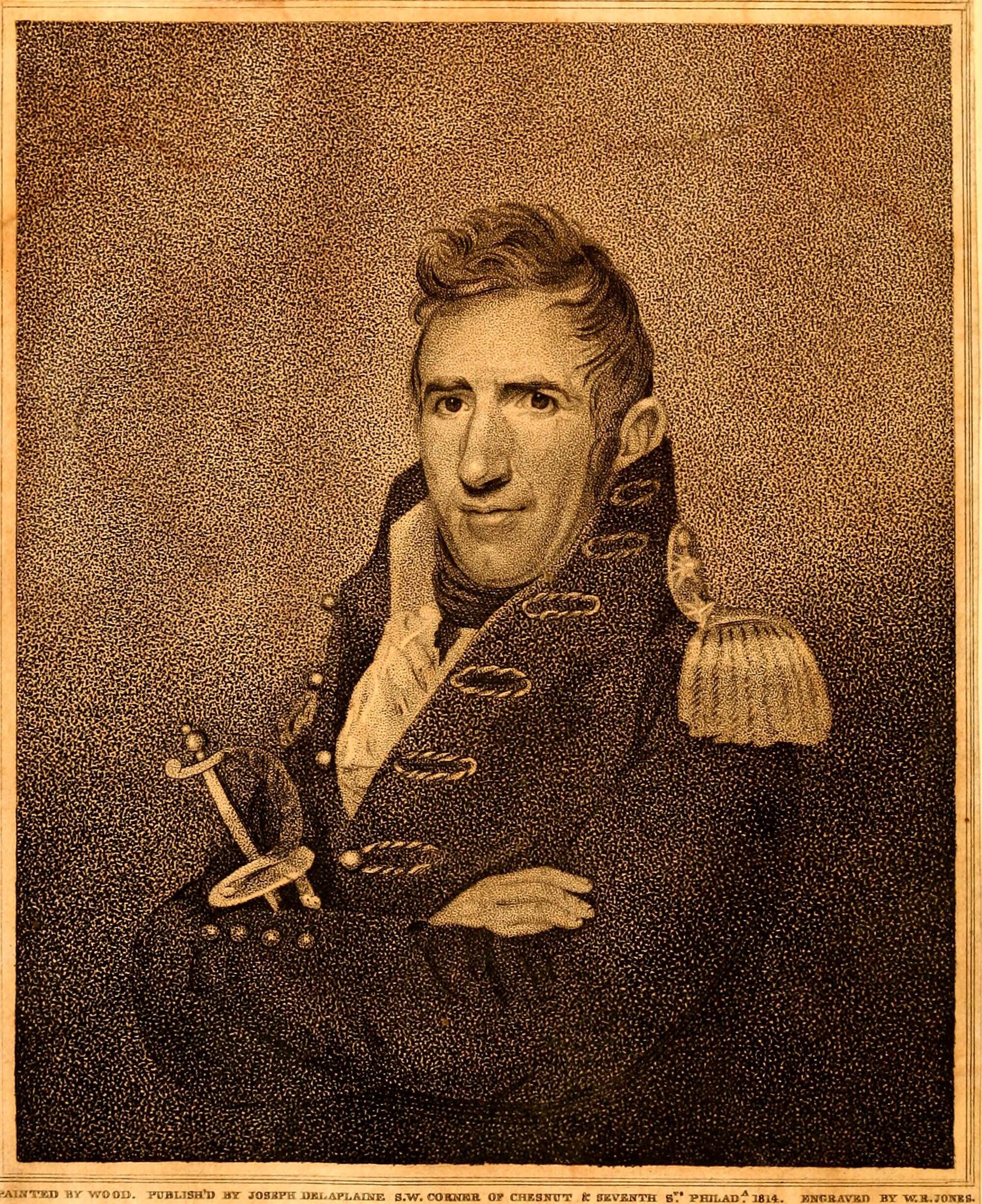
On August 18, 1804, Governor of the Indiana Territory,
William Henry Harrison representing the United States signed a treaty with the Delaware Nation to
relinquish to the United States forever, all their right and title to the tract of country which lies between the Ohio and Wabash rivers, and below the tract ceded by the treaty of Fort Wayne, and the road leading from Vincennes to the falls of Ohio.
According to the Treaty, the Delaware were to receive a payment of $300 per year for 10 years and additional monies over five years with instruction on how to build fences, cultivate the land and on “domestic arts.”
Sadly, the Delaware Nation was first to sign a treaty with the United States in 1778. They had ceded their lands in the East and had moved to Ohio and Indiana.
Image of William Henry Harrison via Wikimedia Commons, public domain
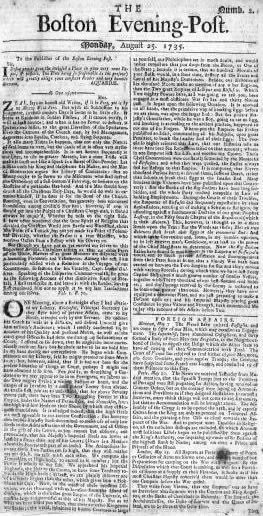
The residents of Boston, Massachusetts found a periodical with a new name available in their city on August 18, 1735 when The Boston Evening-Post was first published.
Photo of The Boston Evening-Post from a week later, printed on August 25, 1735 via Wikimedia Commons, public domain
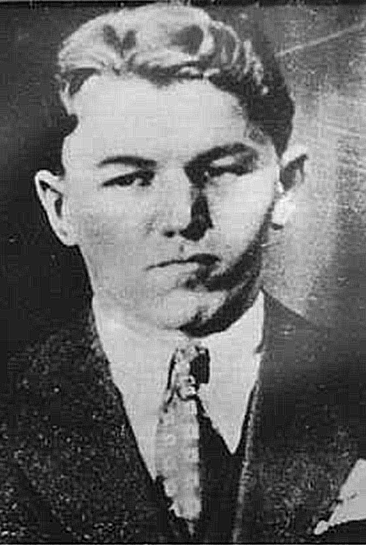
On August 18, 1933, Lester Gillis—better known as “Baby Face Nelson”—made his violent debut on the national stage by robbing the Peoples Savings Bank in Grand Haven, Michigan. With five gunmen and a plan that unraveled fast, Nelson escaped with roughly $2,300 (some accounts say that the amount was much higher), leaving behind chaos: a local shopkeeper fired a shotgun, the getaway driver fled in panic, and Nelson used bank employees as human shields to slip out a side door. Townspeople were injured, one accomplice was caught, and Nelson vanished—only to resurface as Public Enemy No. 1 after Dillinger’s death in 1934.
Image via Wikimedia Commons, public domain

Detroit, Michigan. Morning extra. August 18, 1942
via LOC, no known restrictions
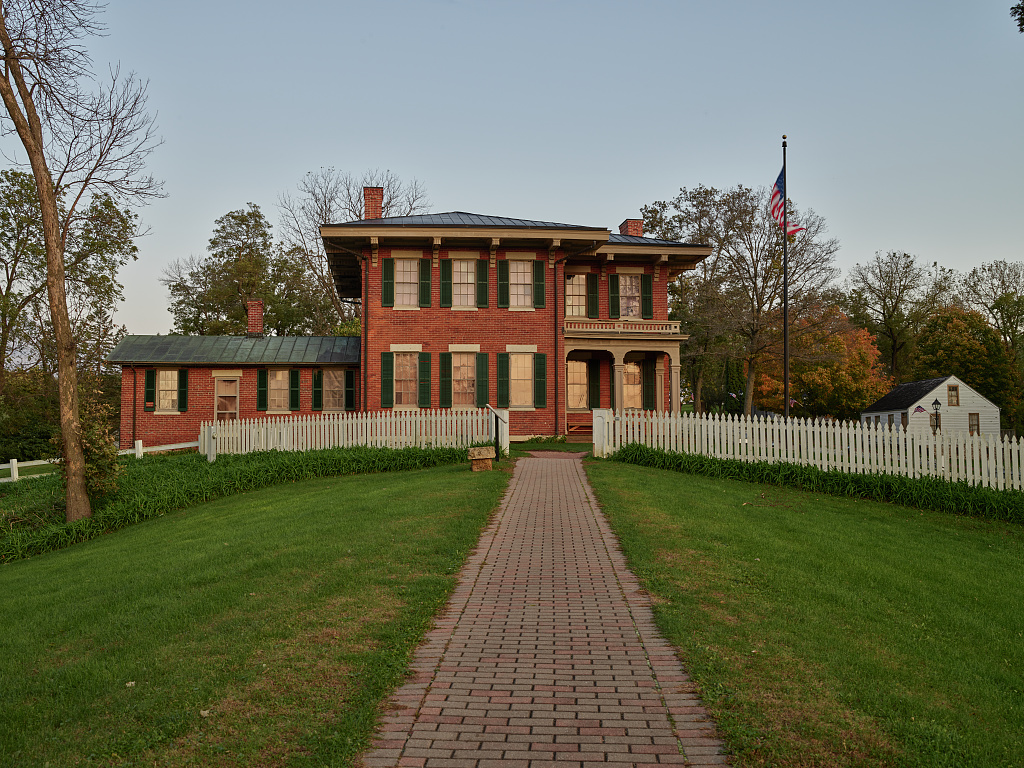
The Ulysses S. Grant home in Galena, Illinois.
On August 18, 1865, Galena celebrated the return of its Civil War hero. Following a jubilant procession and speeches, a group of Galena citizens presented the Union Army commander with this handsome furnished house on Bouthillier Street.
Image from 2019 via LOC, no known restrictions
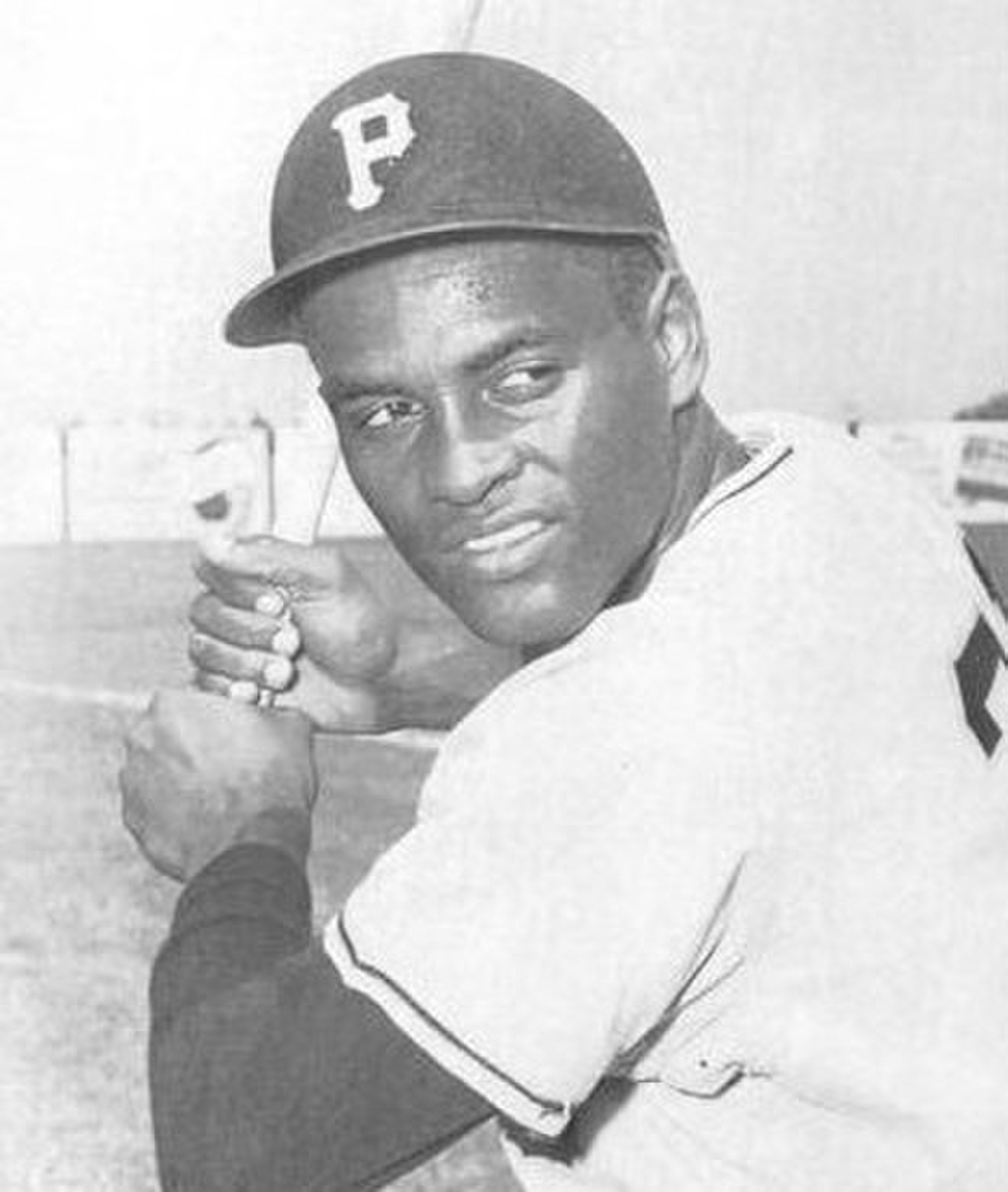
Pittsburgh Pirate and U.S. Marine, Roberto Clemente, was born on August 18, 1934 in Barrio San Antón, Carolina, Puerto Rico.
He shares the record for the most gold gloves among outfielders (12) with Willie Mays.
Image via Wikimedia Commons, public domain
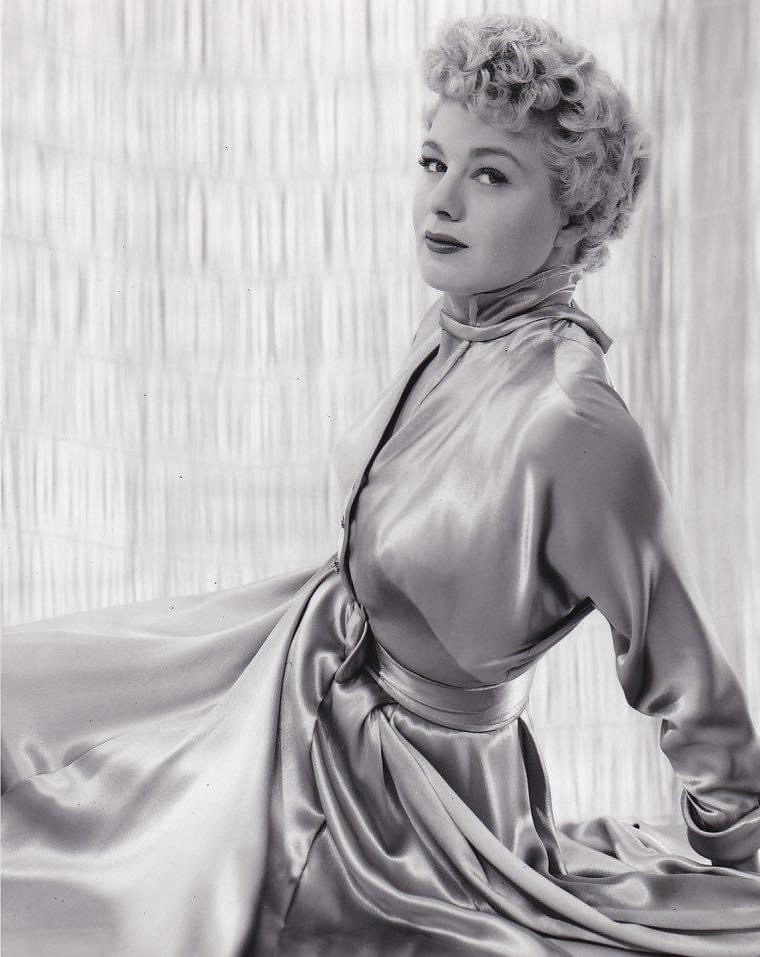
Broadway & Hollywood actress Shelley Winters was born on August 18, 1920 in St. Louis, Missouri.
She played Belle Rosen in the 1972 disaster film: The Poseidon Adventure
Earlier she won Academy Awards for her performances in The Diary of Anne Frank and A Patch of Blue.
Image: Shelley Winters publicity photo in 1950 by John Engstead via Wikimedia Commons, public domain
