
 Mystery March Is Here!

August 12, 1805 – Lemhi Pass
While scouting ahead of the Corps of Discovery, Meriwether Lewis crossed the Continental Divide at Lemhi Pass, hoping to find a water route to the Pacific.
Instead, he met the Shoshone and the daunting scale of the Rockies. Though William Clark would follow soon after, this solitary moment reshaped American geography—and deepened the expedition’s reliance on Indigenous diplomacy and guidance.
Image: On the west side of Lemhi Pass in Idaho, where Lewis and Clark crossed over the Continental Divide from present day Montana in 1805 via Wikimedia Commons, public domain
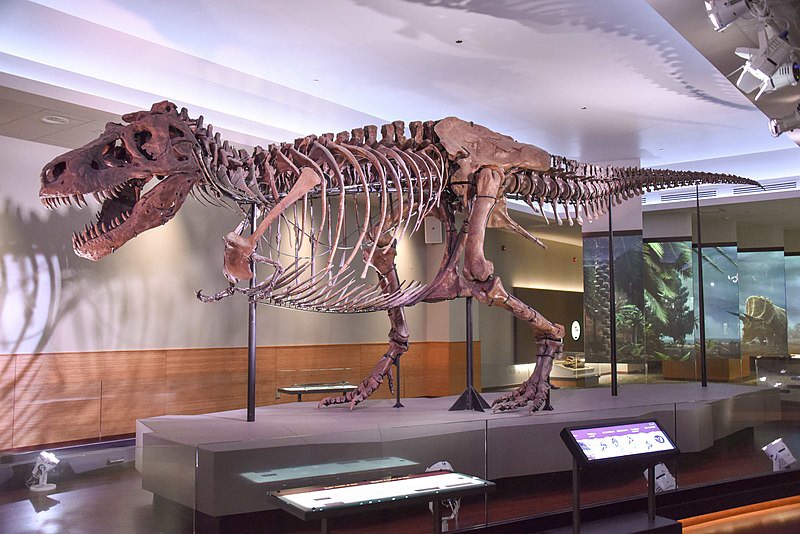
On August 12, 1990, self-taught paleontologist Sue Hendrickson, working in South Dakota, discovered the largest, most complete set of Tyrannosaurus rex remains to date.
The preserved T. rex skeleton was named SUE in her honor and is on display in Chicago’s Field Museum of Natural History.
Rawrr!
Image by Evolutionnumber9, CCA-SA 4.0 International via Wikimedia Commons.
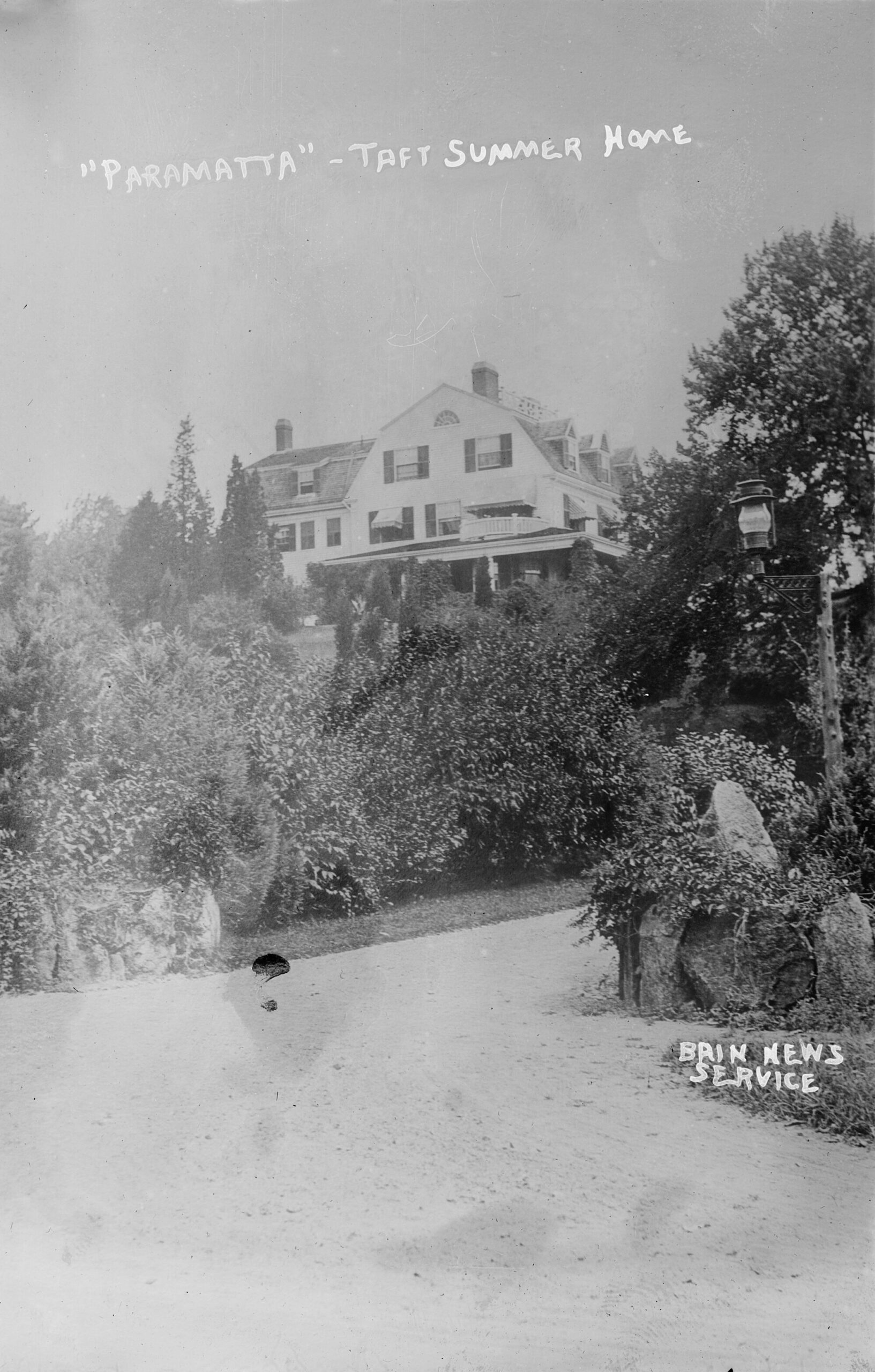
On August 12, 1911, newspapers across the U.S. reported that President William Howard Taft arrived safely at his summer rental in Beverly, Massachusetts to have breakfast with his family the day prior. The home known as “Parramatta” (spelled with two r’s by locals) was also called the “Summer White House” where Taft and family vacationed for a month.
Image via LOC, no known restrictions

A-4C Skyhawks of Attack Squadron 146 fly past the USS Kearsarge (CVS-33) in the South China Sea on August 12, 1964
Image via Wikimedia Commons, no known restrictions
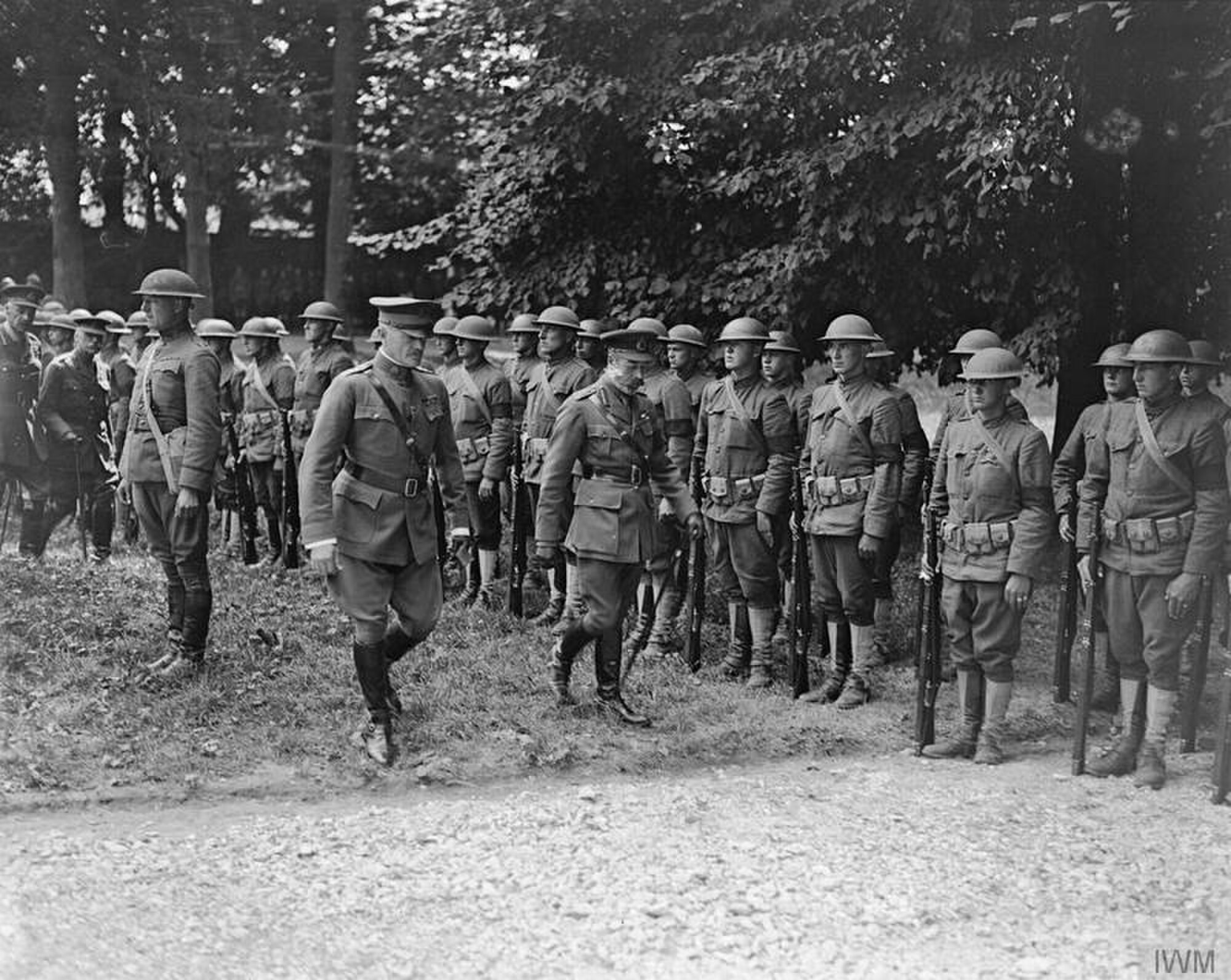
General Pershing and King George V inspecting American Troops of the 33rd Division on August 12, 1918.
Image via Wikimedia Commons, no known restrictions
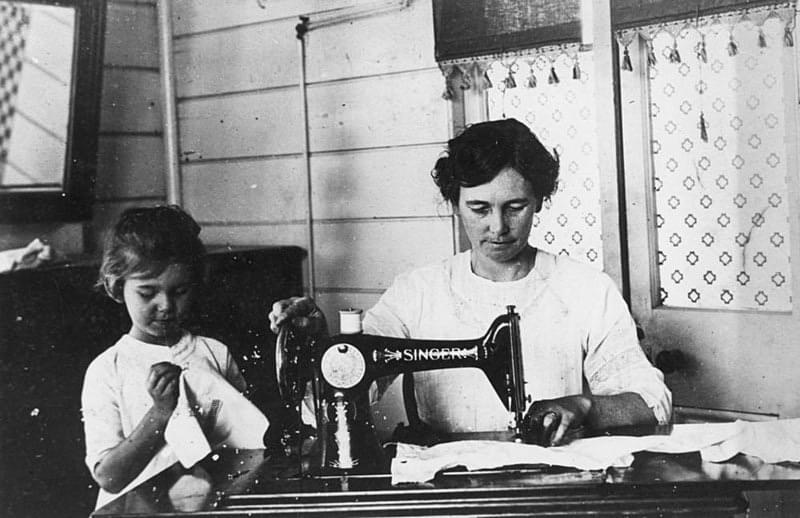
On August 12, 1851, inventor and actor Isaac Singer obtained a patent for improvements on the sewing machine developed by Elias Howe several years earlier. Singer’s simplified design and interchangeable parts took the sewing machine from industrial use into the home, cutting its cost in half.
Image via Wikimedia Commons, no known restrictions
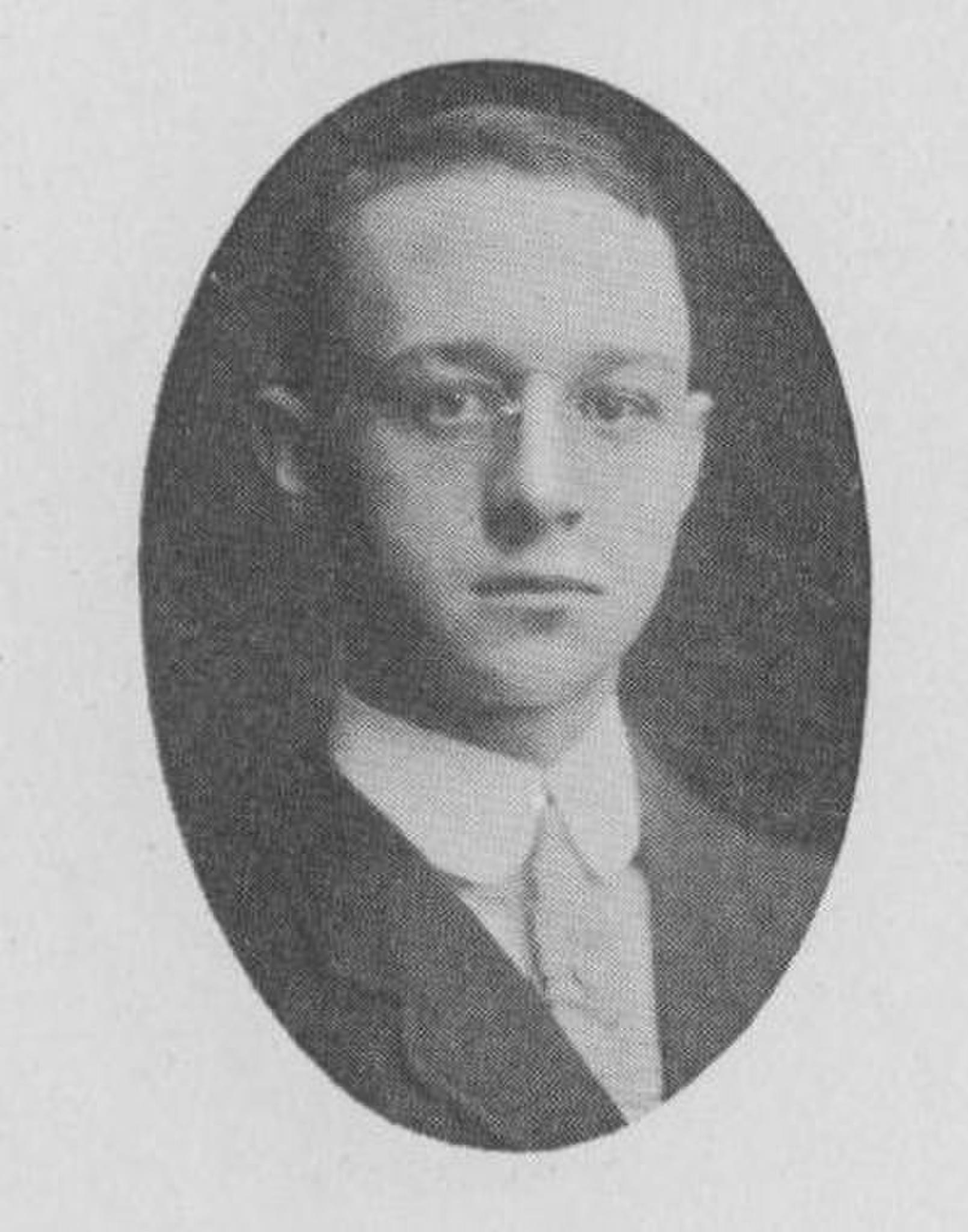
On August 12, 1930, American frozen foods entrepreneur Clarence Birdseye received a patent for “A Method of Preparing Food Product” which included his process of quick freezing edibles into a frozen block that locked in freshness.
Image: Yearbook photo of Clarence Birdseye from 1910 via Wikimedia Commons, no known restrictions
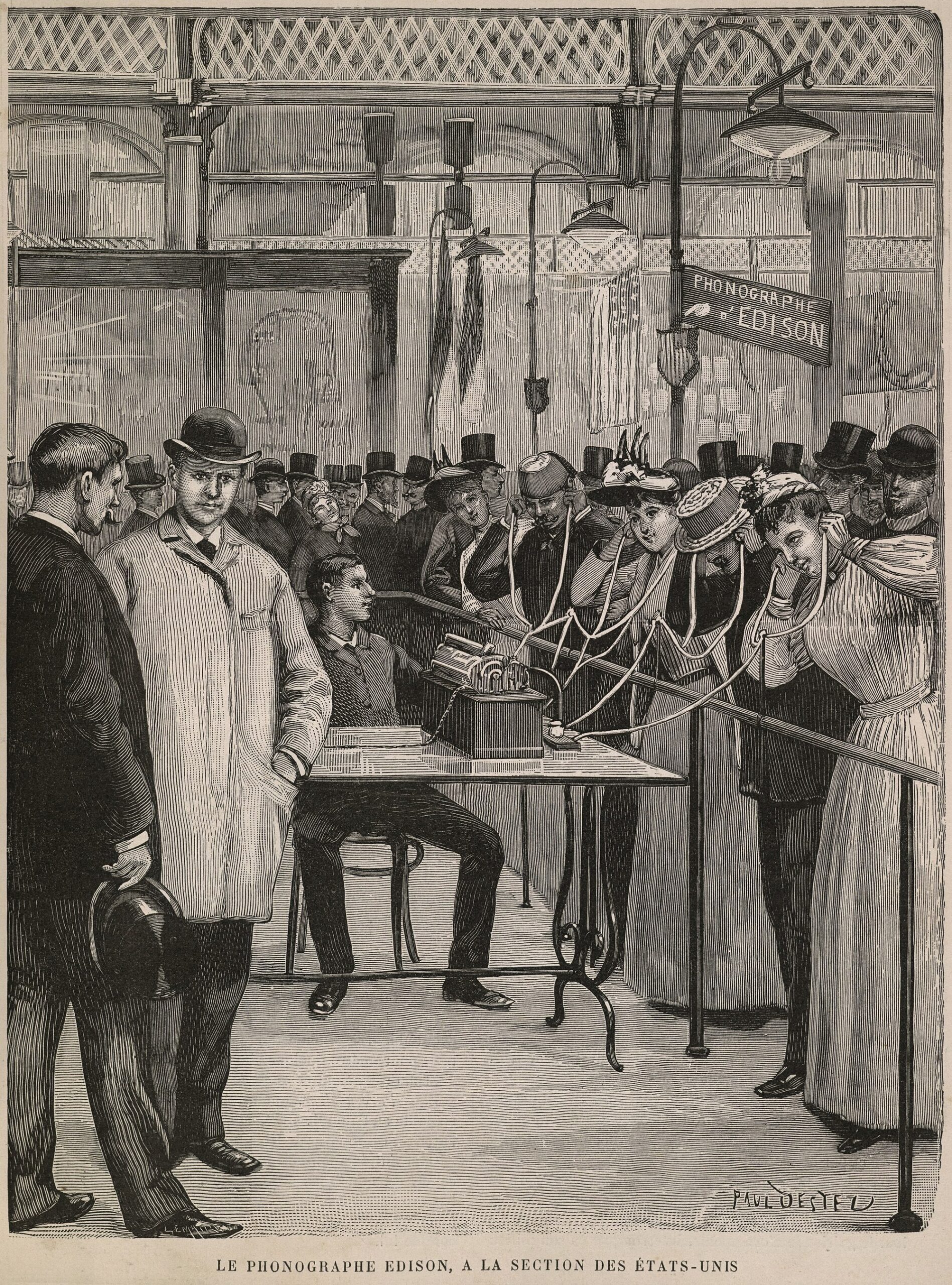
August 12, 1877, is considered to be the date when Thomas Edison recorded “Mary Had a Little Lamb…” on his phonograph.
On August 12, 1927, Edison recorded “Mary Had a Little Lamb” again on the 50th Anniversary of his first voice recording.
Image of visitors listening to Edison’s perfected phonograph at the 1889 Worlds Fair in Paris via Wikimedia Commons, public domain

On today’s date August 12, 1939 – “The Wizard of Oz” premiered in Oconomowoc, Wisconsin – three days before the film’s Hollywood premiere.
Image via Wikimedia Commons, public domain
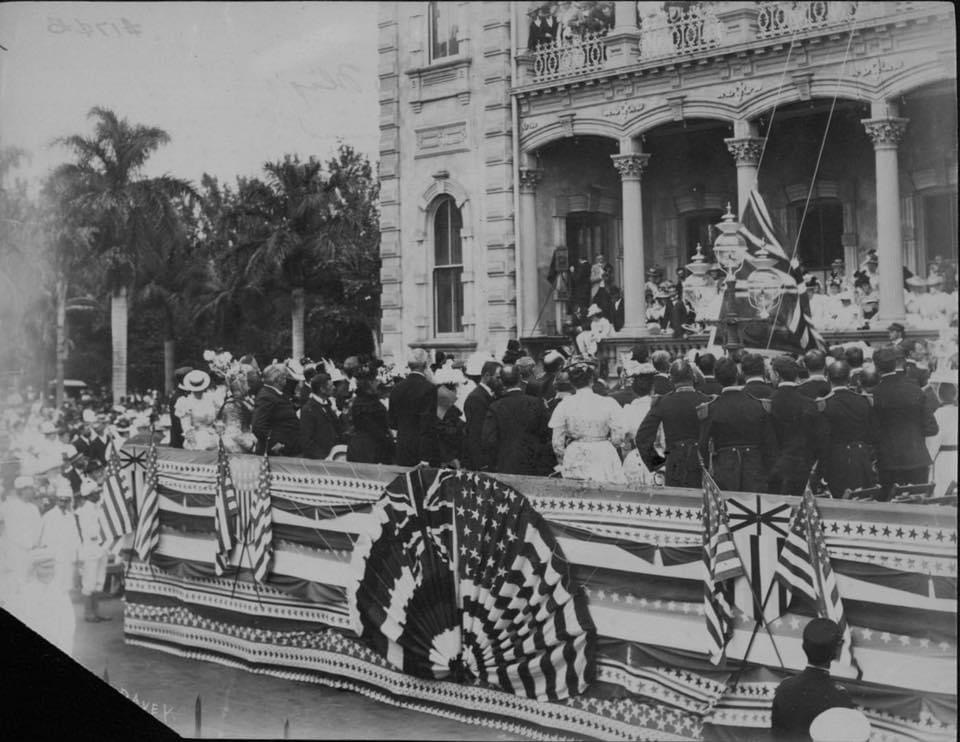
August 12, 1898 – Fighting Ends, Flags Fall
On this day, Spain and the United States signed a peace protocol in Washington, D.C., formally ending hostilities in the Spanish-American War. Fighting ceased across Cuba, Puerto Rico, Guam, and the Philippines—territories that had been battlegrounds in a swift and decisive conflict.
That same day, thousands of miles away in Honolulu, the U.S. flag was raised over ʻIolani Palace (shown) as the Hawaiian Kingdom’s flag was lowered. Though Hawai‘i had seen no combat, its annexation was part of the same imperial arc: a quiet conquest, sealed without a shot.
For many Native Hawaiians, the ceremony was not a celebration, but a solemn reminder of a kingdom displaced—marked by enduring questions of sovereignty.
Image via Wikimedia Commons, public domain
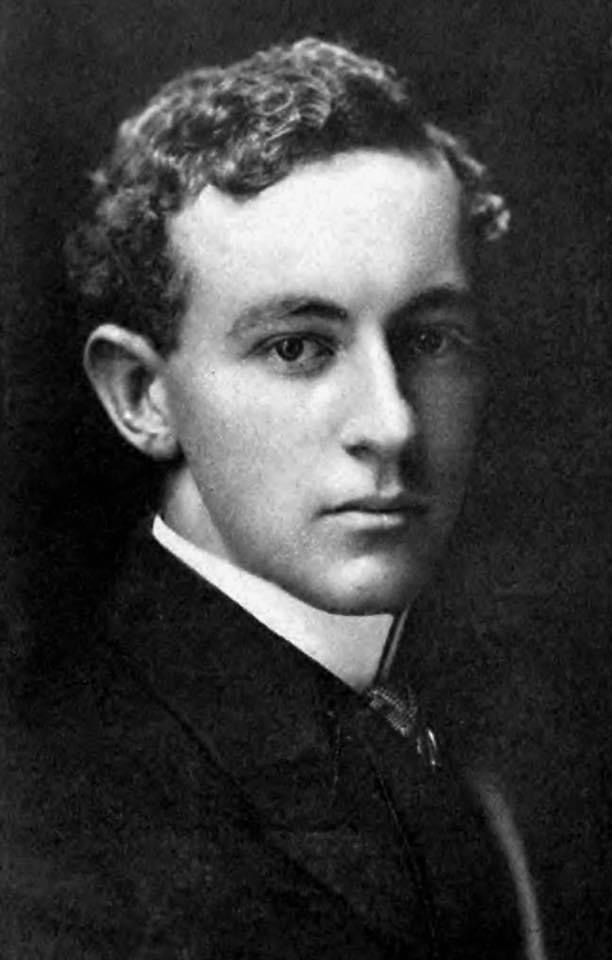
Photograph of the famous American filmmaker Cecil B. DeMille as a young man around 1904.
DeMille was born on August 12, 1881 in Ashfield, Massachusetts.
While most are familiar with DeMille’s film The Ten Commandments from 1956 starring Charlton Heston and Yul Brynner, he also directed a silent film version of The Ten Commandments in 1923.
Image via Wikimedia Commons, public domain
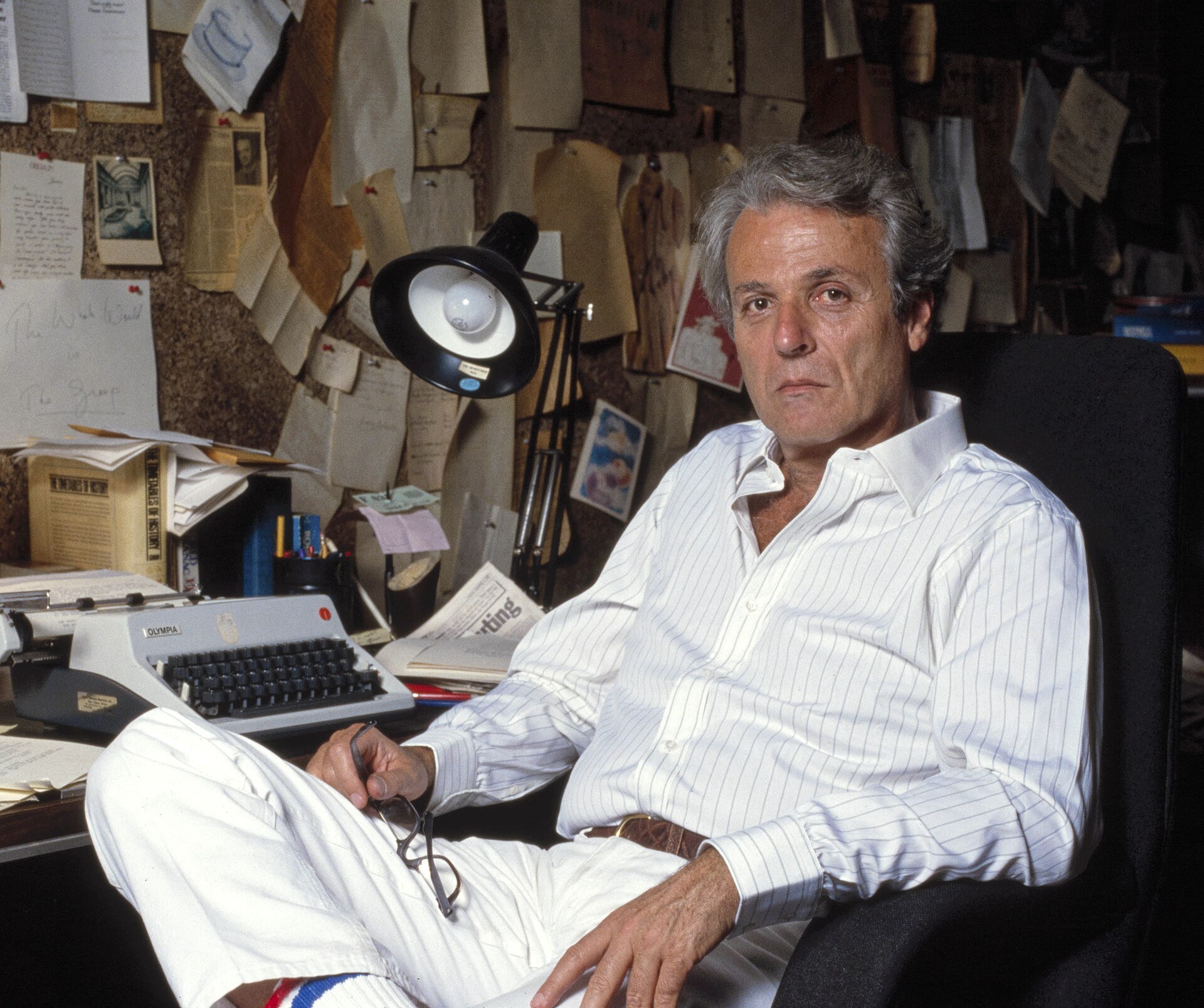
Born August 12, 1931, William Goldman’s cynical mantra about Hollywood masked a career built on knowing exactly how to captivate. From Butch Cassidy and the Sundance Kid to The Princess Bride, he wrote with swagger, sorrow, and subversive charm. A novelist turned screenwriter who once sold a script for a record-breaking $400,000 A, Goldman didn’t just chronicle stories—he reshaped how writers imagine them.
Image via Wikimedia Commons, public domain

American actress Jane Wyatt was born on August 12, 1910 in Mahwah, New Jersey.
She played the role of Margaret Anderson in the classic TV program Father Knows Best.
Here is a photo of Jane from 1937.
Image via Wikimedia Commons
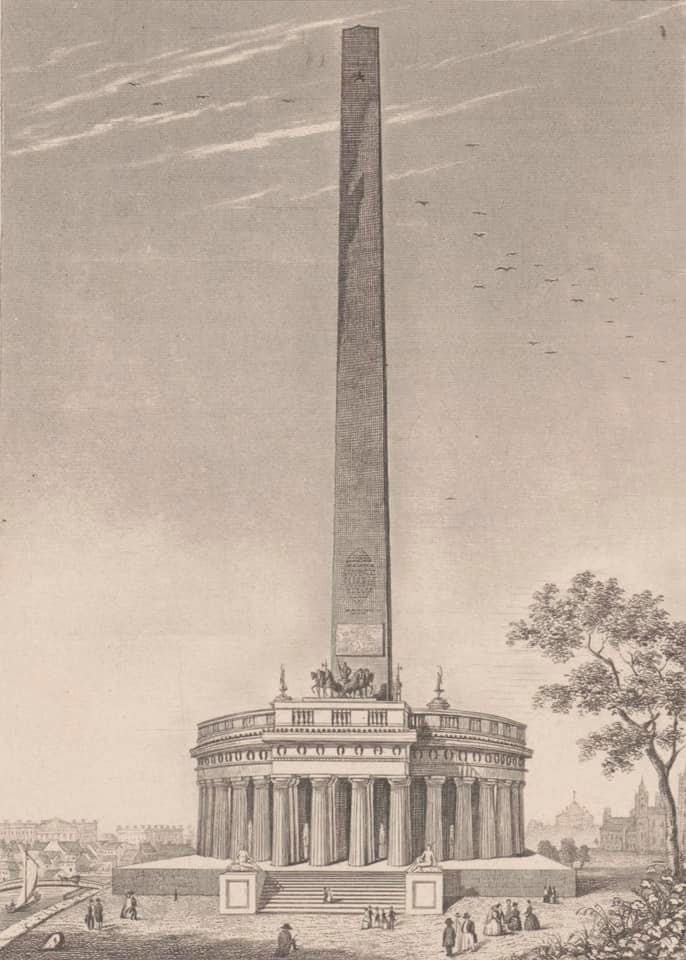
Robert Mills, the architect of the Washington Monument in Washington, D.C. was born on August 12, 1781 in Charleston, South Carolina.
Ultimately his winning design was altered after a delay of the monument’s construction of over two decades.
Image: Proposed design of the National Washington Monument in the City of Washington, c. 1845-1848
Image via Wikimedia Commons, public domain
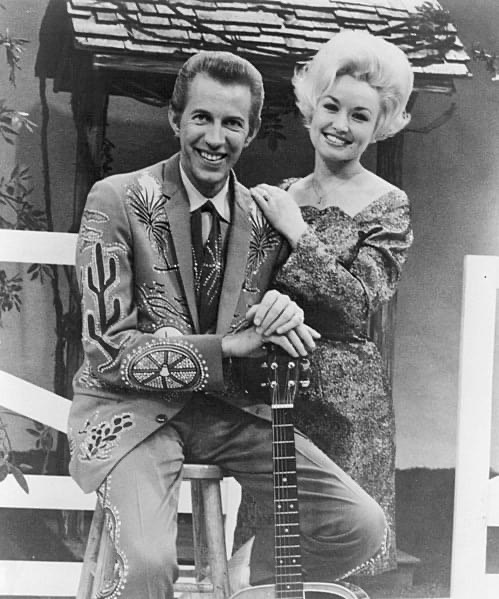
Born August 12, 1927 country artist Porter Wagoner, known as “Mr. Grand Ole Opry”, had a lengthy list of hits, winning three Grammy Awards in the gospel category. His television show ran for 21 years and on it, in 1967, he introduced a young Dolly Parton, his frequent duet partner.
Image via Wikimedia Commons, no known copyright, public domain in the US
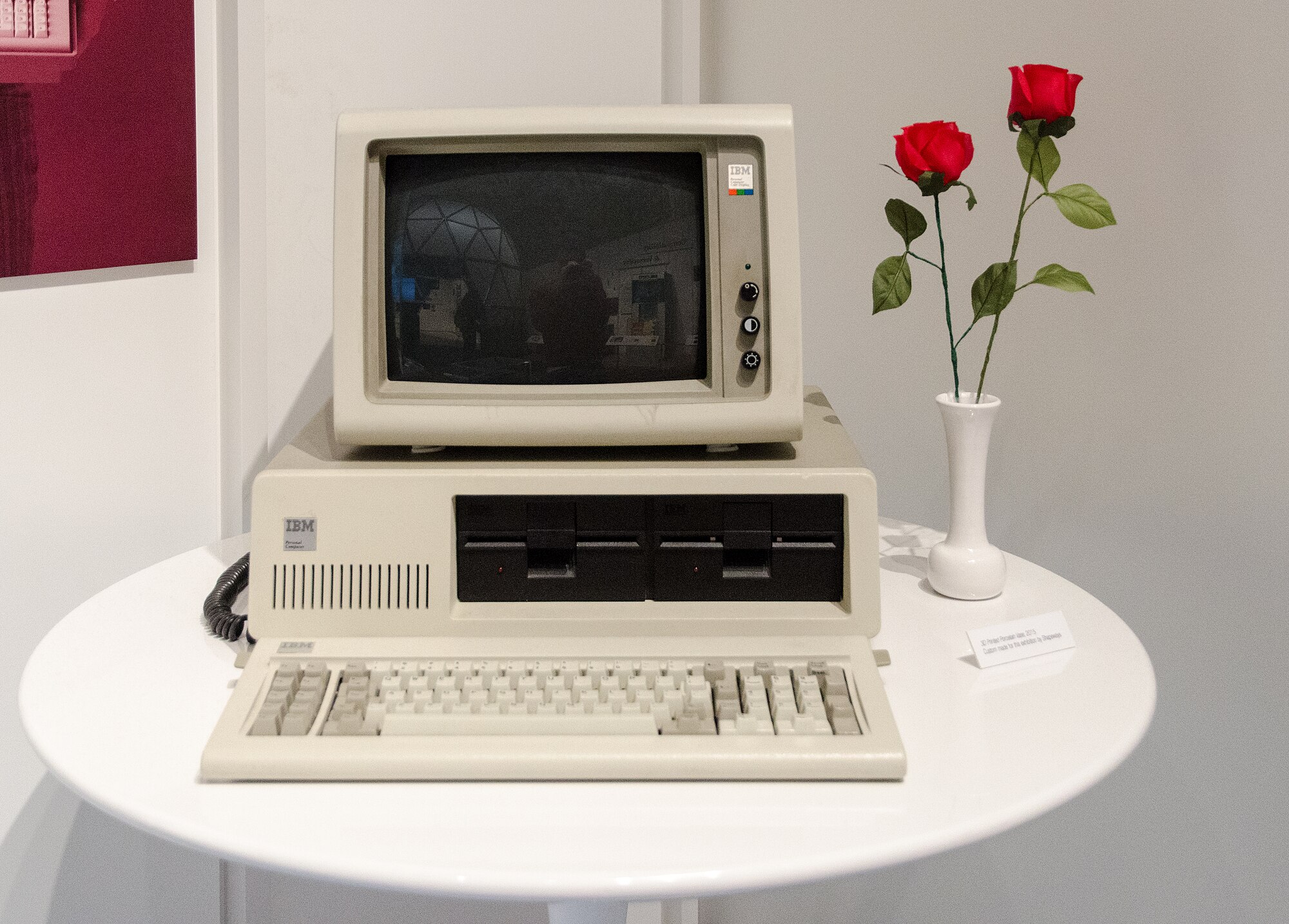
On August 12, 1981, IBM debuted its first Personal Computer, the IBM 5150 at an introductory price of a little more than $1,500.
Image by edwardhblake via Wikimedia Commons, CC BY 2.0
