

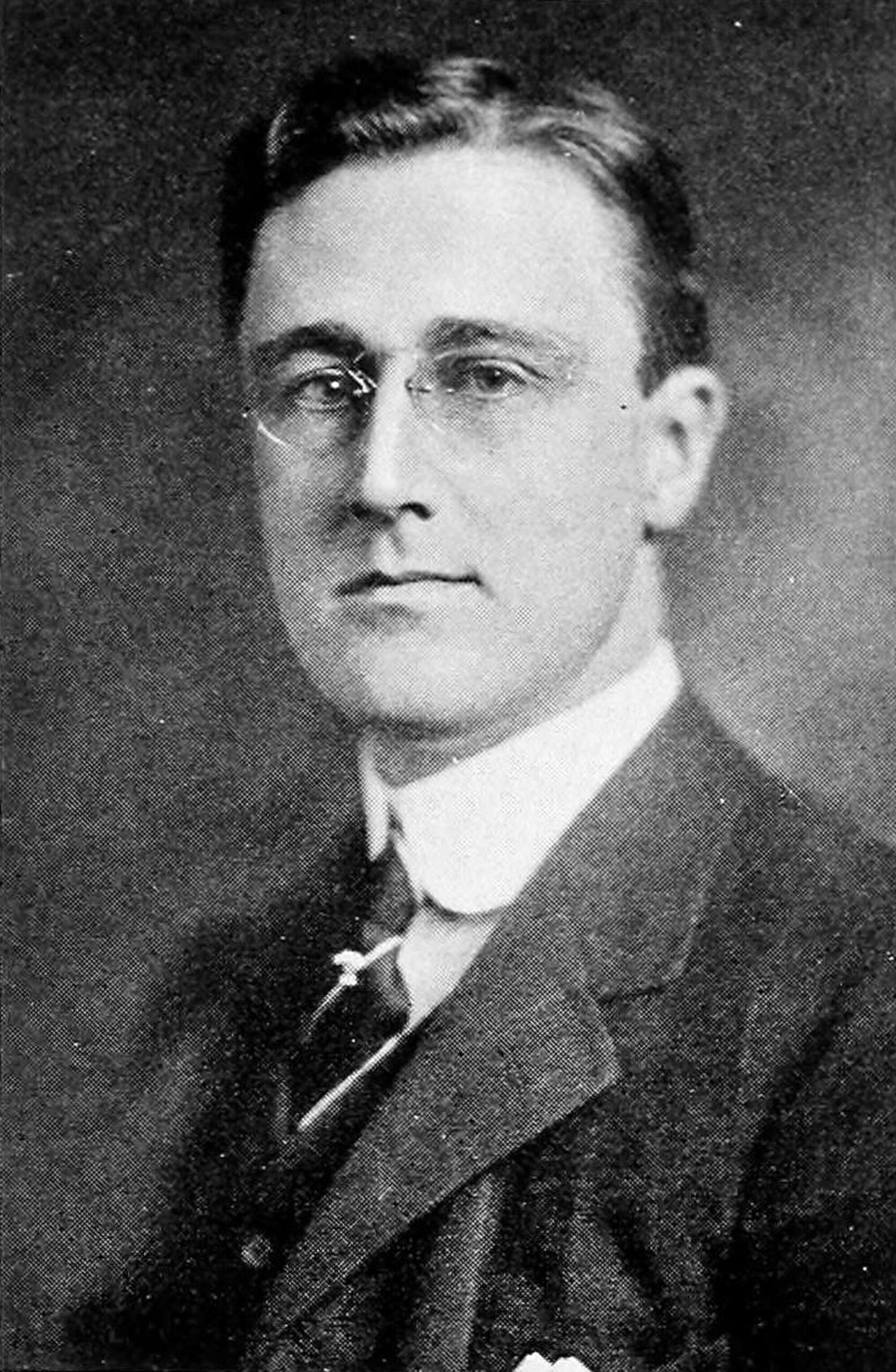
On August 10, 1921, while vacationing on Campobello Island, 39-year-old Franklin D. Roosevelt developed chills, fever, and muscle weakness—symptoms that quickly progressed to paralysis. He was diagnosed with poliomyelitis, or polio, a disease that would leave him permanently paralyzed from the waist down. While the diagnosis was widely accepted at the time, some modern researchers have suggested that his symptoms may align more closely with Guillain-Barré syndrome, an autoimmune disorder. Without modern diagnostic tools, the question remains unresolved. The prevailing historical consensus, however, continues to identify polio as the cause. Roosevelt’s experience shaped his lifelong commitment to rehabilitation and public health, culminating in the founding of the National Foundation for Infantile Paralysis.
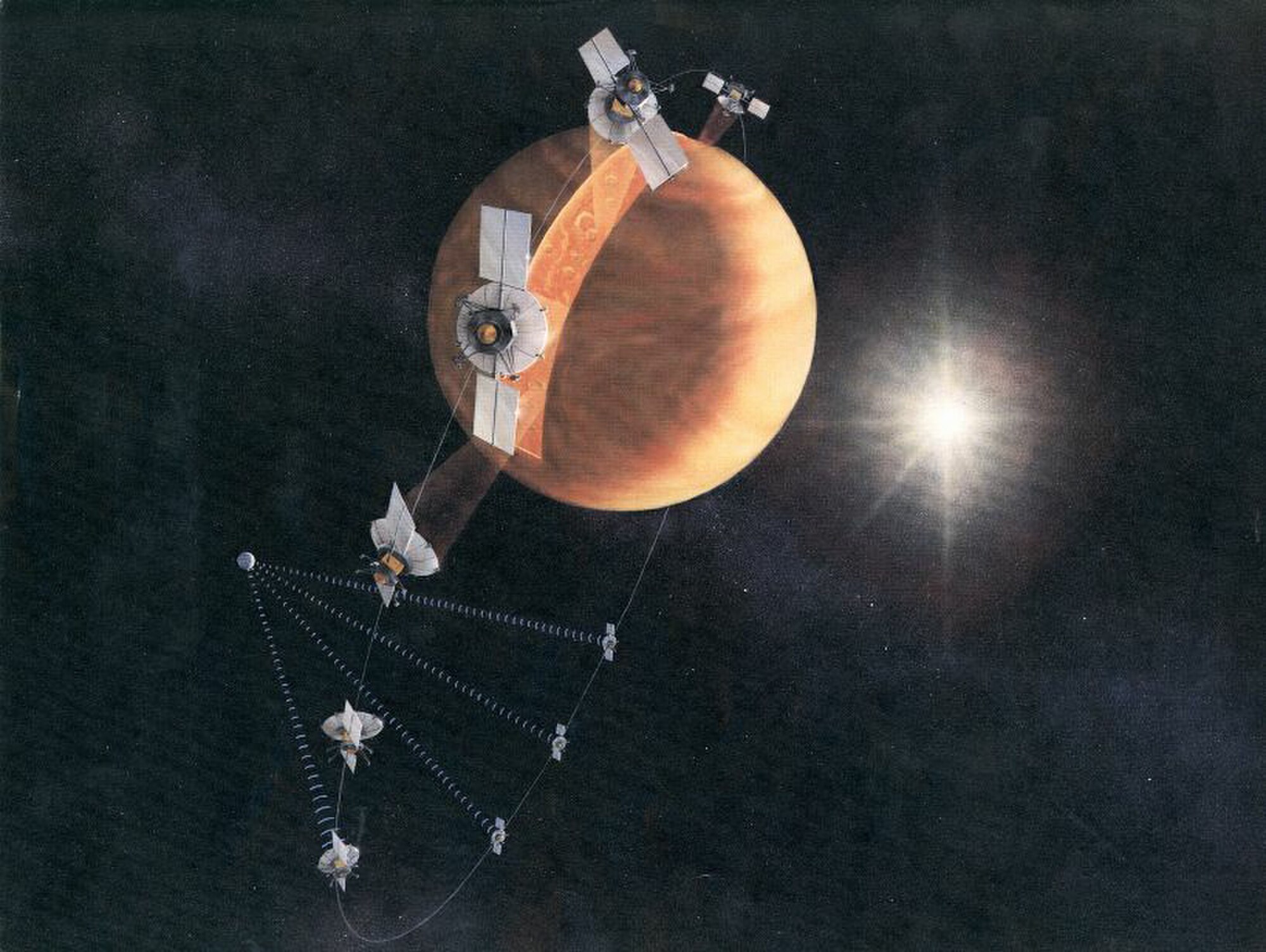
On August 10, 1990, NASA’s Magellan space probe began orbiting the planet Venus.
The probe was launched over a year earlier in May of 1989.
Image: Artist depiction of Magellan orbiting Venus via Wikimedia Commons, public domain
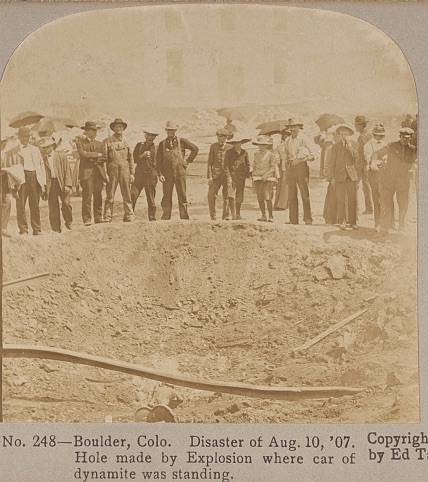
On August 10, 1907, a freight car containing over a ton of dynamite was ignited by a fire that occurred during a workers strike at the Colorado and Southern Railway depot in Boulder, Colorado.
Four people were killed and many were seriously injured.
Image: Boulder, Colo. Disaster of Aug. 10, ’07. Hole made by explosion where car of dynamite was standing via LOC, no known restrictions
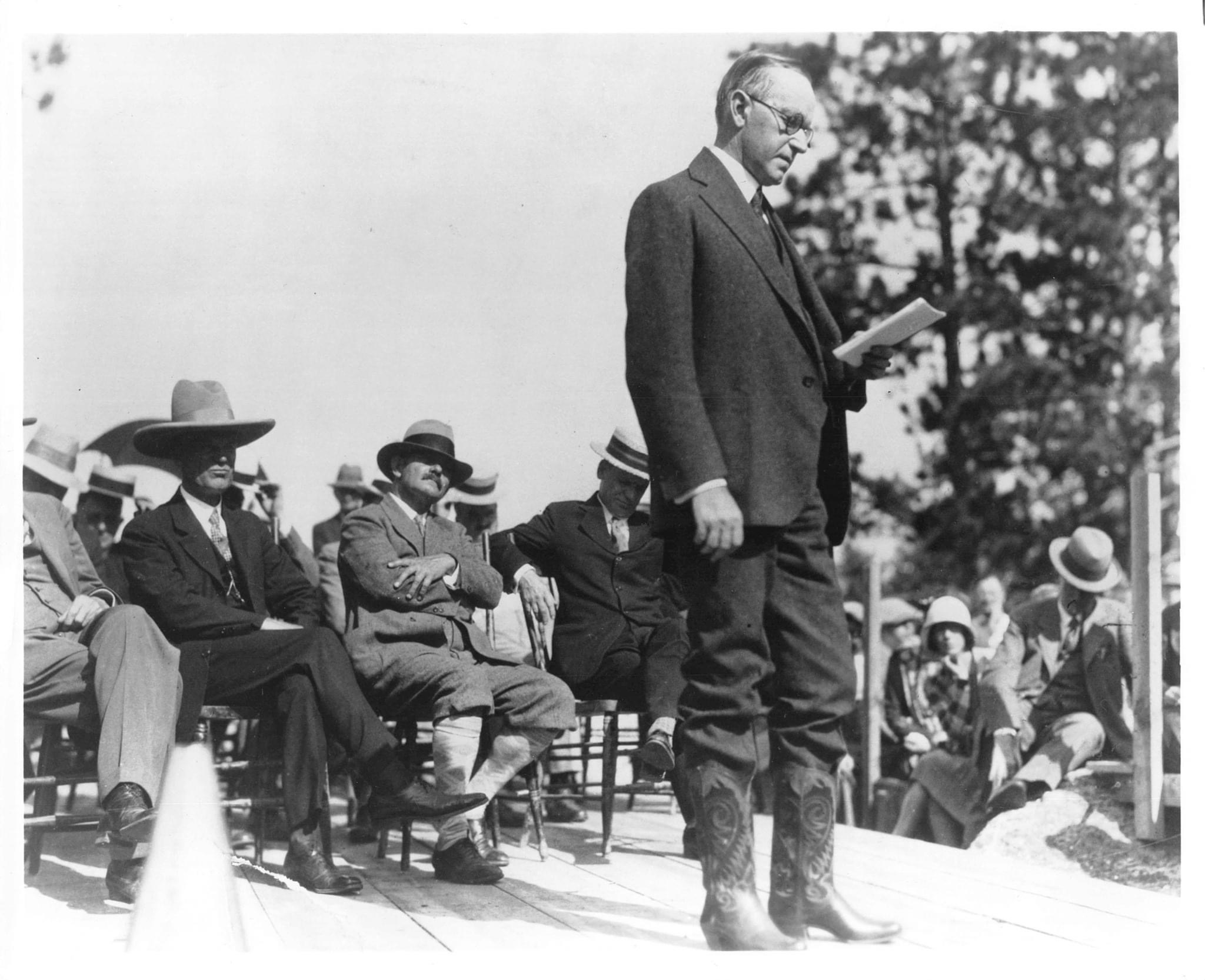
President Calvin Coolidge (wearing fancy cowboy boots) speaking at the Dedication of Mount Rushmore
– August 10, 1927
Image via Wikimedia Commons, public domain
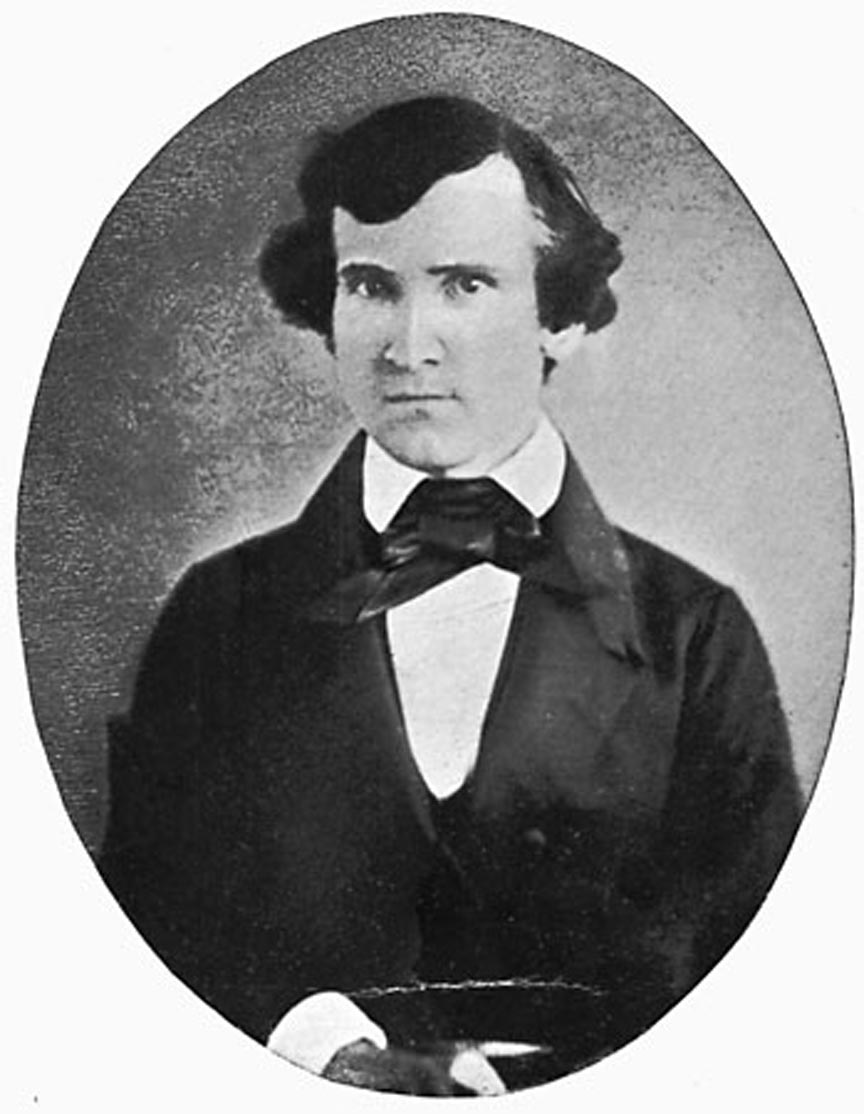
John Kirk Townsend (August 10, 1809 – 1851)
Born into a Quaker family in Philadelphia, Townsend became a leading figure in early American natural history. His fieldwork across the Rocky Mountains and Pacific Northwest led to the identification of species like Townsend’s warbler and Townsend’s mole. He collaborated with John James Audubon and contributed to the growth of scientific institutions. Like many collectors of his era, Townsend’s legacy reflects both scientific achievement and the ethical challenges of 19th-century exploration—including the collection of Indigenous remains. He died at age 41, likely from arsenic poisoning, a substance commonly used in taxidermy and specimen preparation.
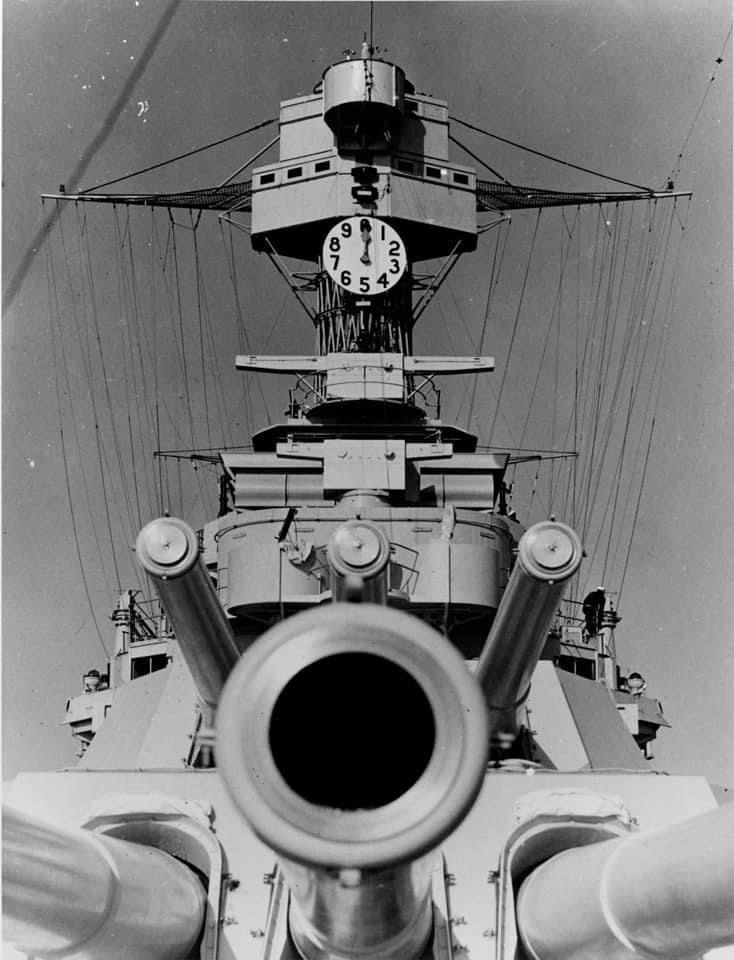
On August 10, 1921 the USS California was commissioned.
During the Attack on Pearl Harbor she was struck by enemy bombers and sank three days later.
The following year the USS California was raised and was eventually reconstructed to return to service during WWII.
Image of the USS California from 1938 via Wikimedia Commons, public domain
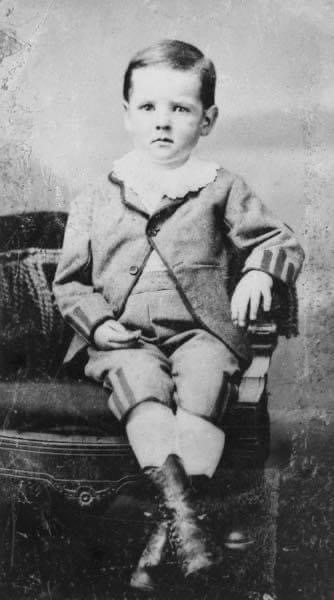
Born on this day in 1874: Herbert Hoover, 31st President of the United States
From orphaned Quaker boy in Iowa to global humanitarian and Stanford-trained engineer, Hoover rose to the presidency just before the Great Depression reshaped the nation. His legacy remains complex—marked by idealism, restraint, and the burdens of crisis leadership.
“Freedom is the open window through which pours the sunlight of the human spirit and human dignity.”
He said.
A man of conviction and contradiction, Hoover believed in the moral power of public service—even when history cast him in shadow.
Image: Herbert Hoover c. 1877 via Wikimedia Commons, public domain
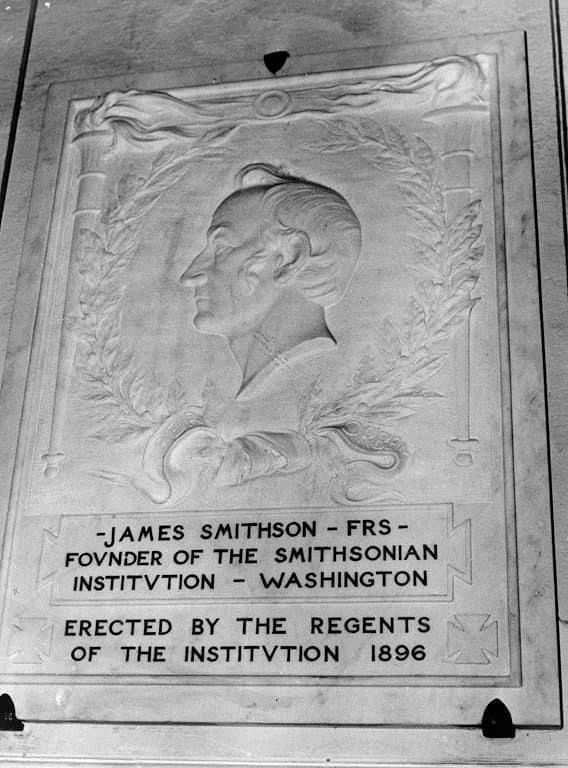
On August 10, 1846 the Smithsonian Institute was established when President Polk signed the act after a decade of debate.
Image: Memorial plaque of James Smithson – Smithson was a British scientist who bequeathed his estate to his nephew who died without having any heirs. The funds were then transferred to The United States of America in accordance with Smithson’s will.
via Wikimedia Commons, public domain
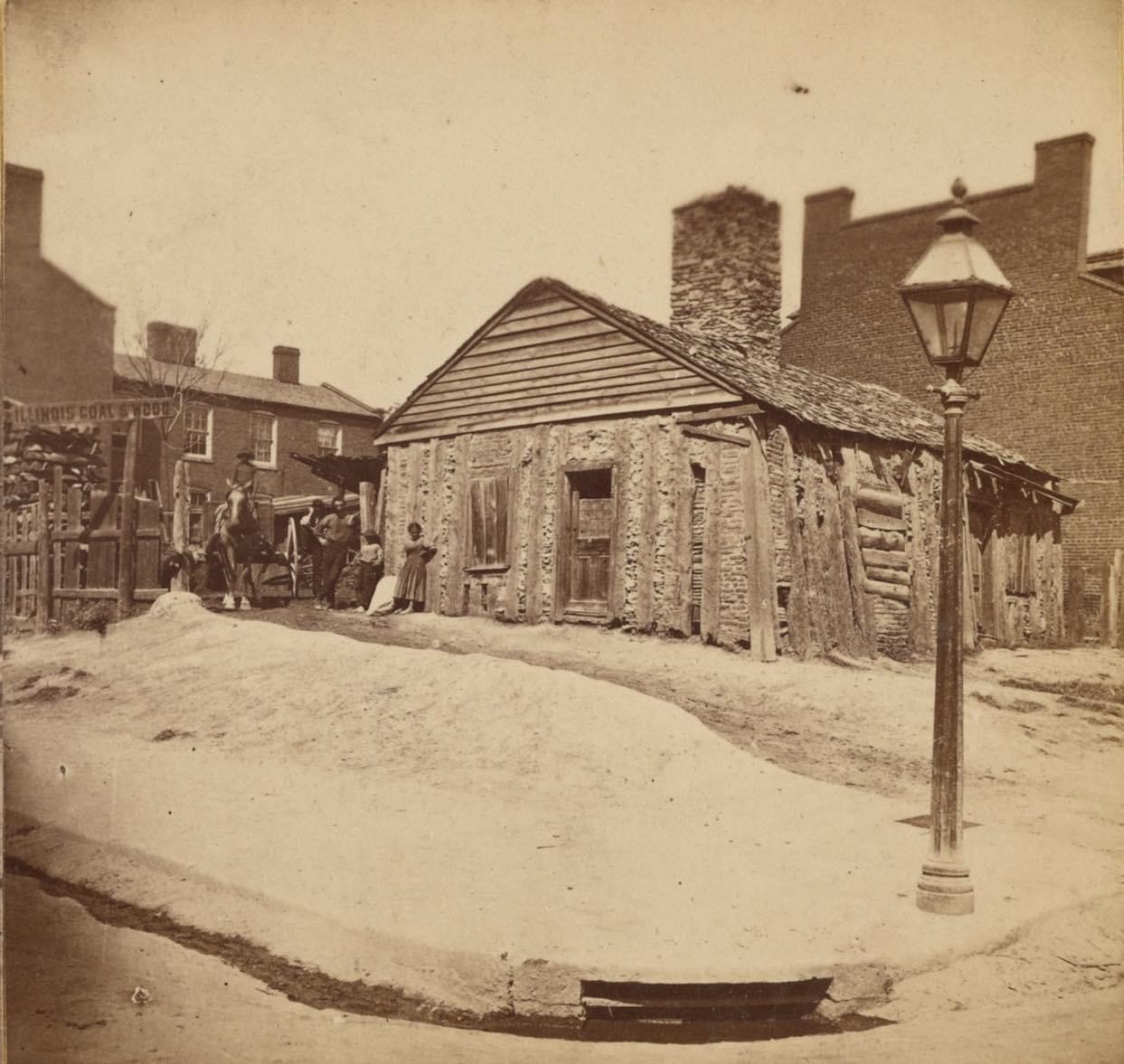
An image from the early 1870s titled “Oldest House. St. Louis, Missouri”
About 50 years earlier, on August 10, 1821 Missouri became the 24th state.
Image via The J. Paul Getty Museum, no known restrictions
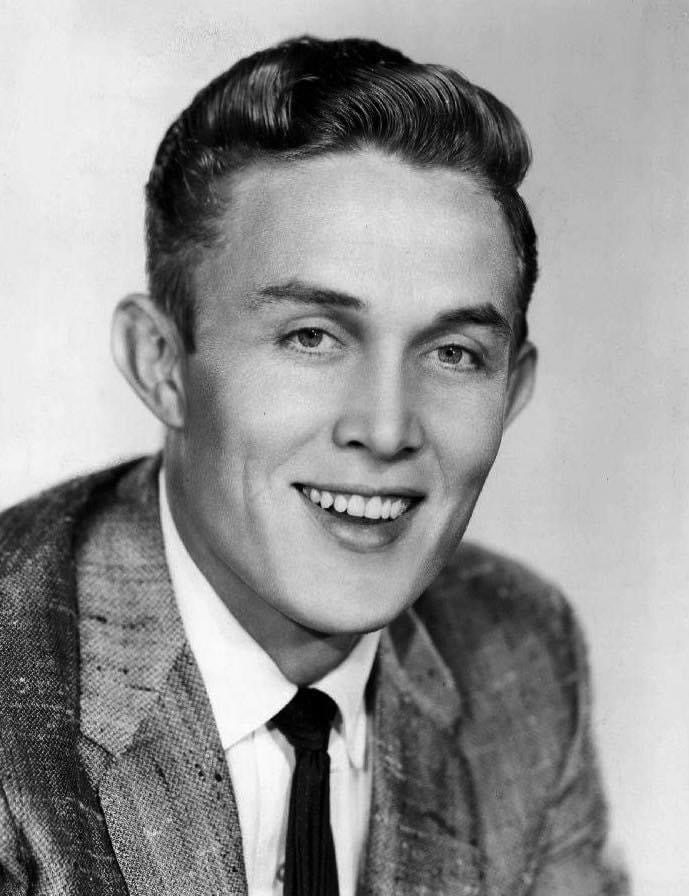
American country musician, actor and entrepreneur Jimmy Dean was born in Seth Ward, Texas on August 10, 1928.
His hit song “Big Bad John” was recorded in Nashville in August of 1961.
Image: Jimmy Dean in 1958 by CBS Television via Wikimedia Commons, public domain
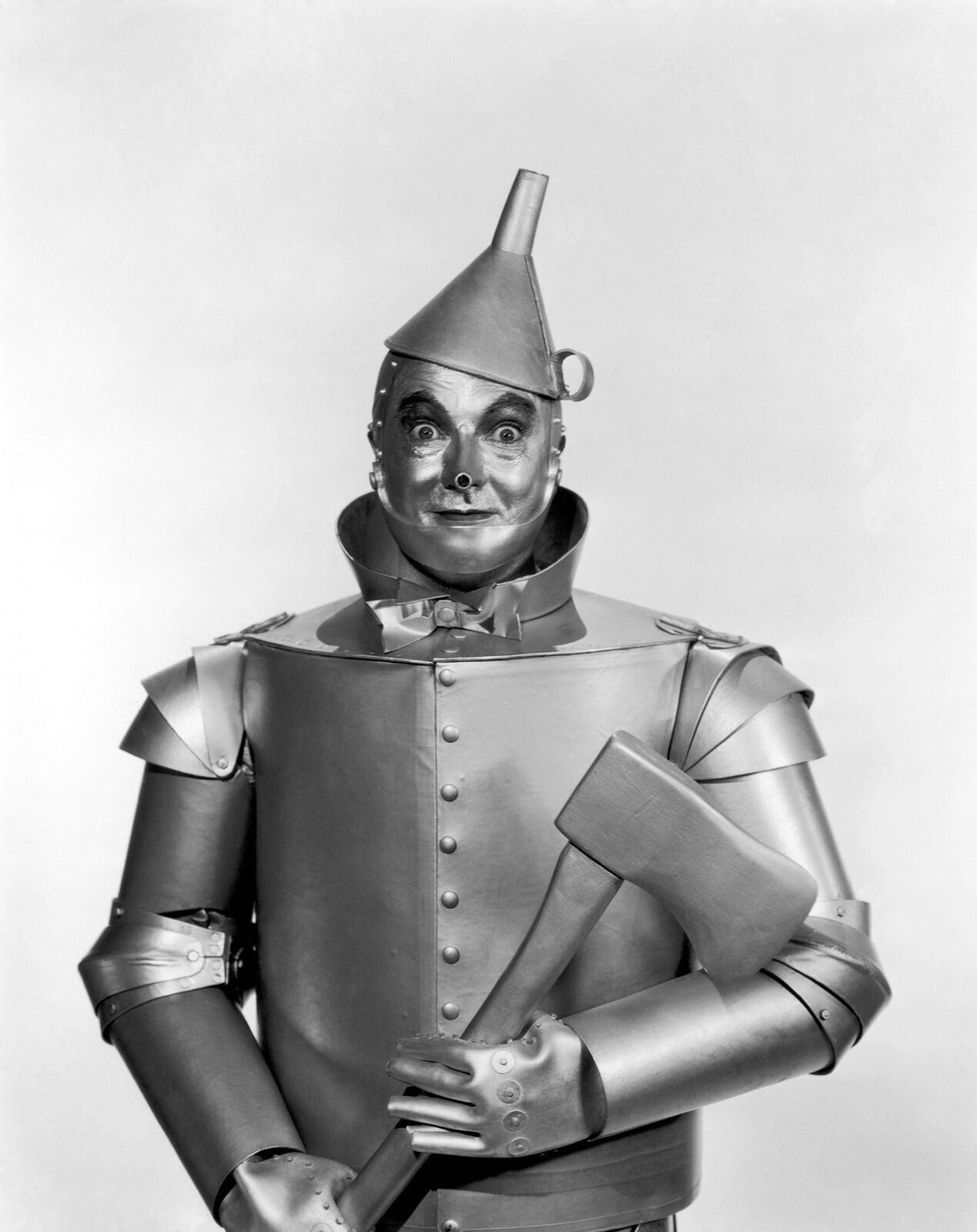
Jack Haley, who played the role of The Tin Man in the 1939 film, The Wizard of Oz, was born on August 10, 1897 in Boston, Massachusetts.
Image via Wikimedia Commons, public domain
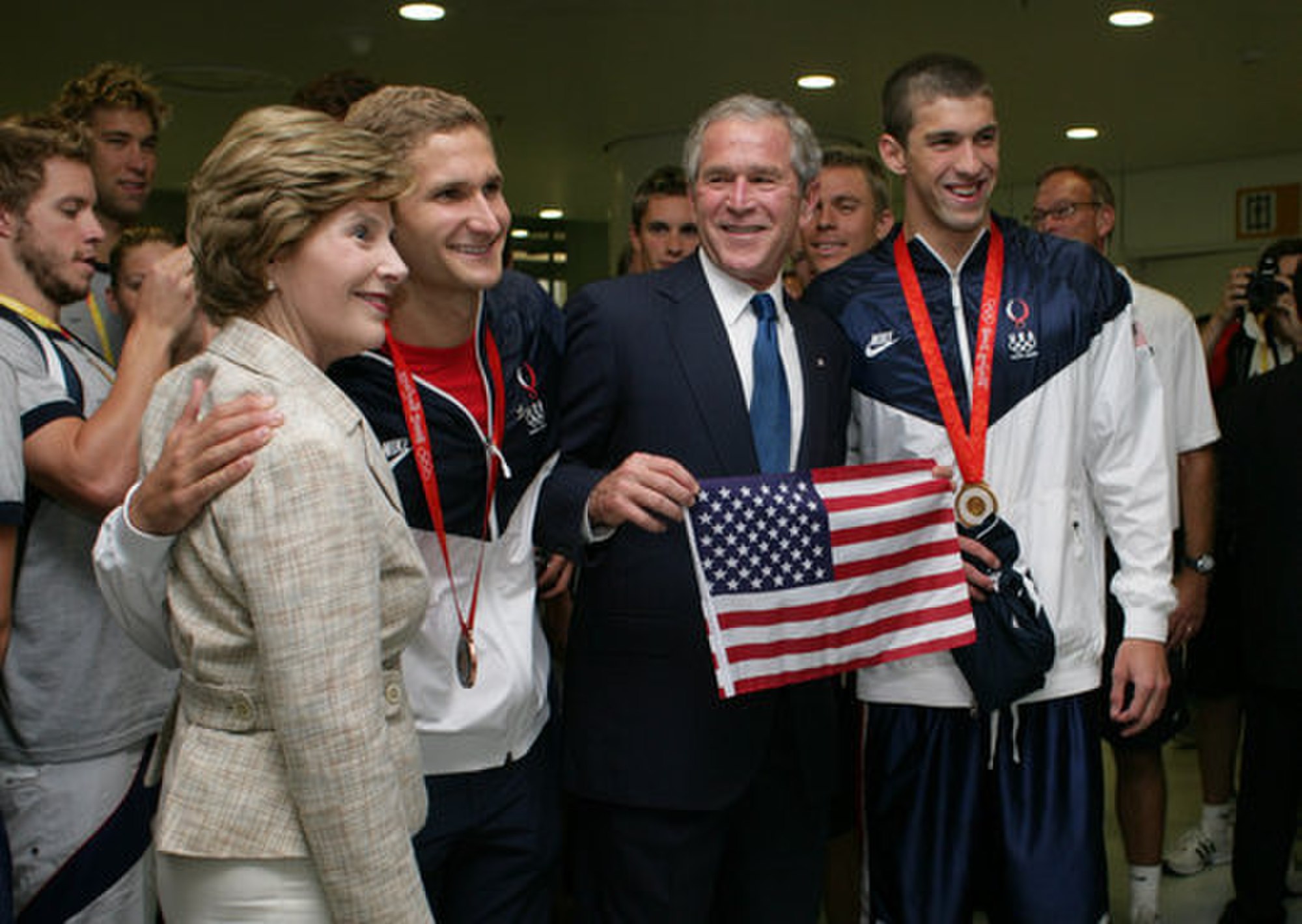
President George W. Bush and Mrs. Laura Bush pose for photos with U.S. Olympic swimmers Larsen Jensen, left, and Michael Phelps Sunday, Aug. 10, 2008, at the National Aquatics Center in Beijing.
Image via Wikimedia Commons, public domain
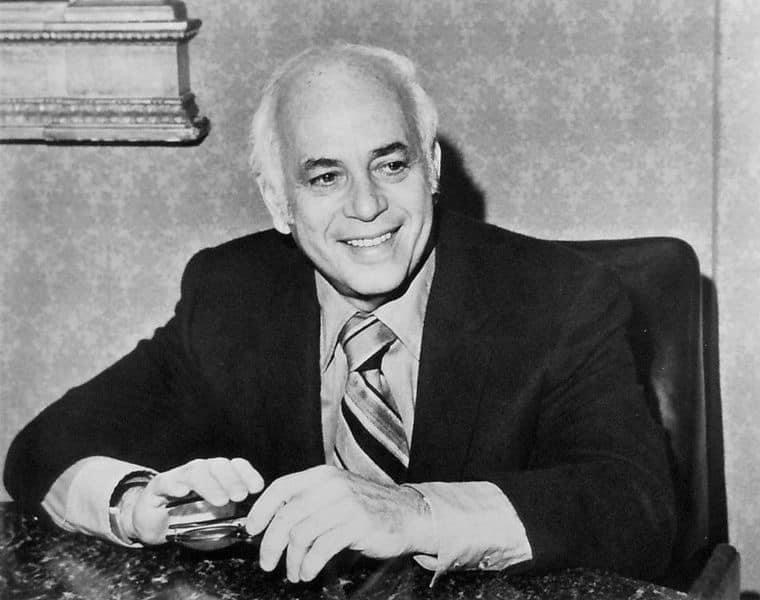
Allen Funt’s Candid Camera show was a television staple beginning August 10, 1948. Ironically, Funt and his family were bound from Newark to Miami in 1969 when their flight was hijacked. Many passengers believed they were in a Candid Camera stunt until the plane did indeed land in Cuba.
Image via Wikimedia Commons, no known copyright, public domain in the US

Inventor and designer Leo Fender was born on August 10, 1909. The company he founded is known for the famed Telecaster and Stratocaster (shown) electric guitars, the Precision Bass, Jazz Bass, amplifiers, and pedals. Although Leo was not a guitarist, he was inducted into the Rock and Roll Hall of Fame in 1992.
Image by John Tuggle, CCA 2.0 Generic via Wikimedia Commons.
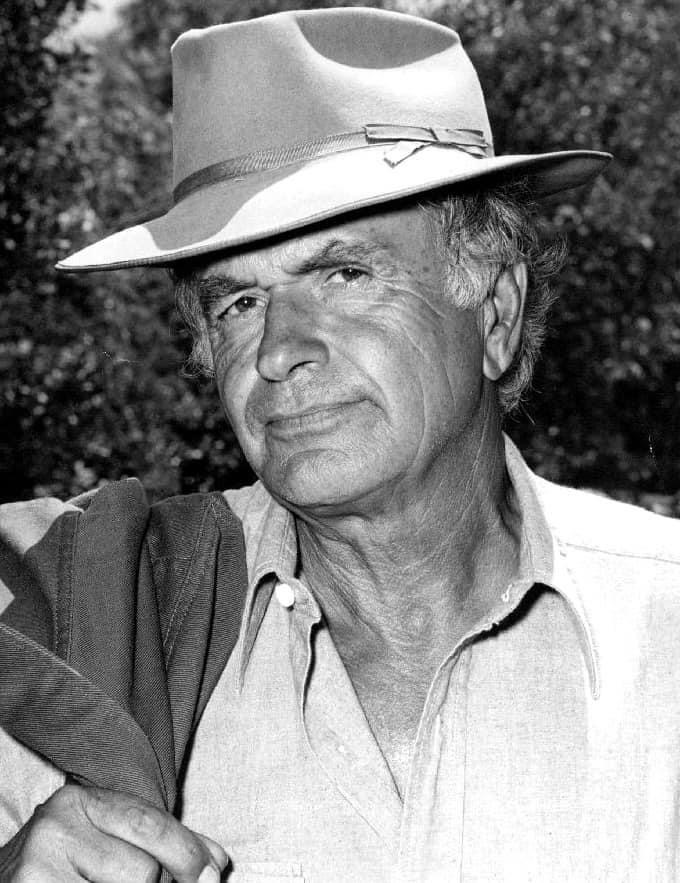
Born August 10, 1913 Noah Beery Jr. followed both his father Noah Beery Sr., and uncle Wallace Beery, into show business. From silent films to Hollywood classics (Of Mice and Men, Sergeant York, Red River) to television his career lasted an impressive 66 years. He’s shown here in The Rockford Files in 1974. ⠀
⠀
Image via Wikimedia Commons, no known copyright, public domain in the US
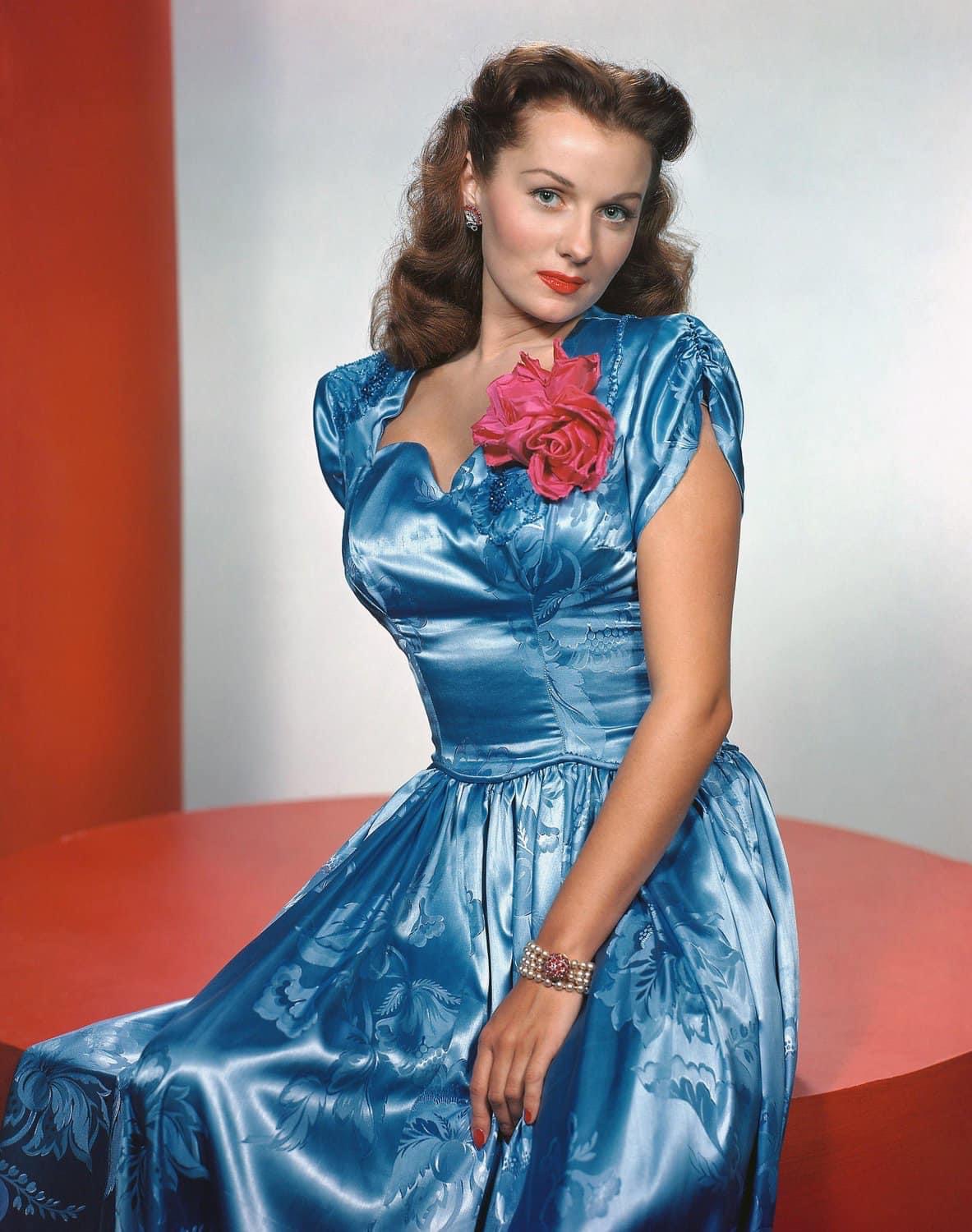
Rhonda Fleming, born August 10, 1923 was dubbed the “Queen of Technicolor” because her red hair and blue eyes were striking on film. Although the incident sounds improbable she was discovered at 16 by an agent when leaving classes at Beverly Hills High School and was acting in films before graduating.
Image of Rhonda Fleming from 1949 via Alamy
