
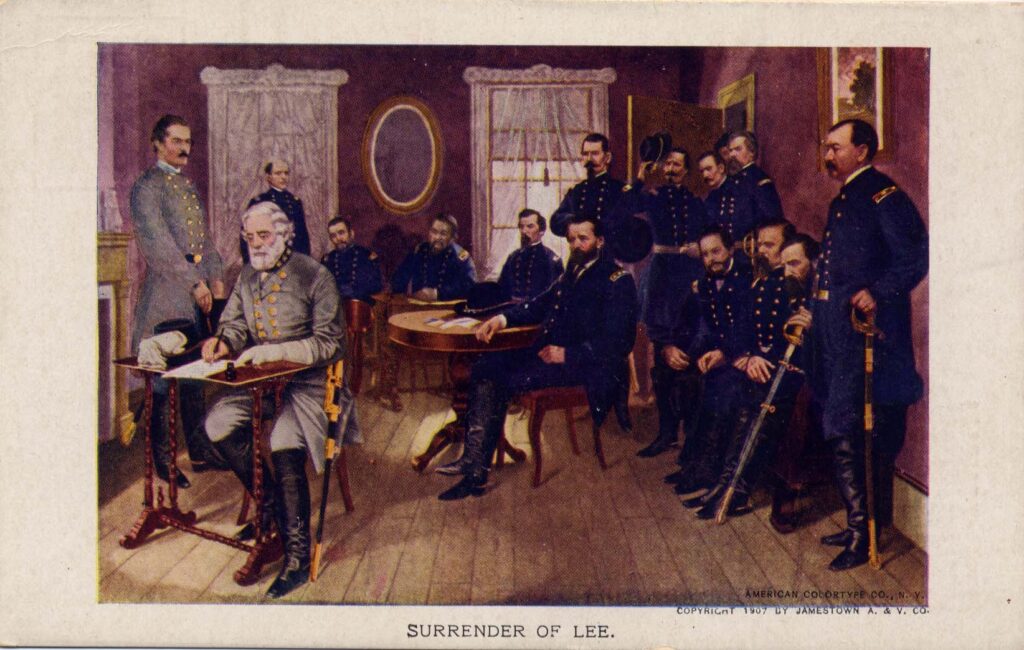
The surrender at Appomattox on April 9, 1865, functioned less as a ceremonial conclusion to the Civil War and more as a deliberate stabilization plan. Ulysses S. Grant’s terms were crafted to prevent the South from collapsing into famine or insurgency: Confederate soldiers were allowed to keep their horses and mules for the spring planting season, and more than 30,000 printed parole passes provided legal protection as they returned home. These administrative decisions—supported by an overnight logistical effort at the Clover Hill Tavern—acted as an immediate, on‑the‑ground reconstruction strategy. The result was a peaceful demobilization on a scale unprecedented in modern warfare.
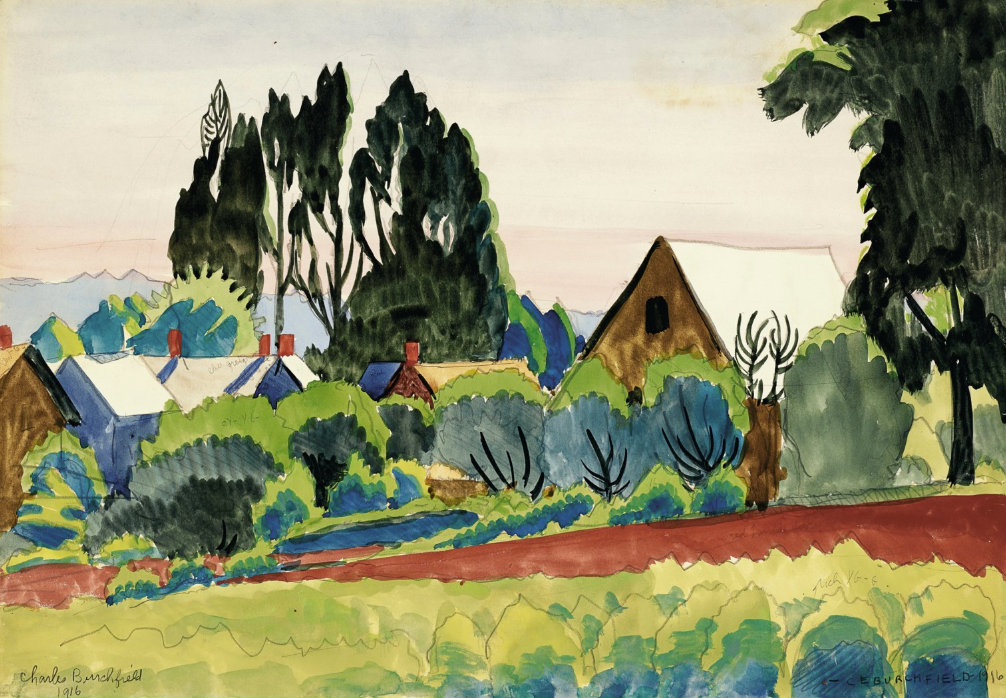
Charles E. Burchfield, born April 9, 1893, in Ashtabula Harbor, Ohio, became one of America’s most distinctive watercolorists, known for landscapes that vibrate with mood and inner life. After settling in Buffalo, he worked as a wallpaper designer before committing fully to painting, eventually emerging as one of the most original American watercolorists of the 20th century. In his later years, he revisited and expanded earlier pieces into large, visionary compositions, treating memory itself as a place he could return to. Shown here is Mid‑Afternoon (1916), created just before the breakthrough period that shaped his mature style.
Image via Wikimedia Commons, public domain
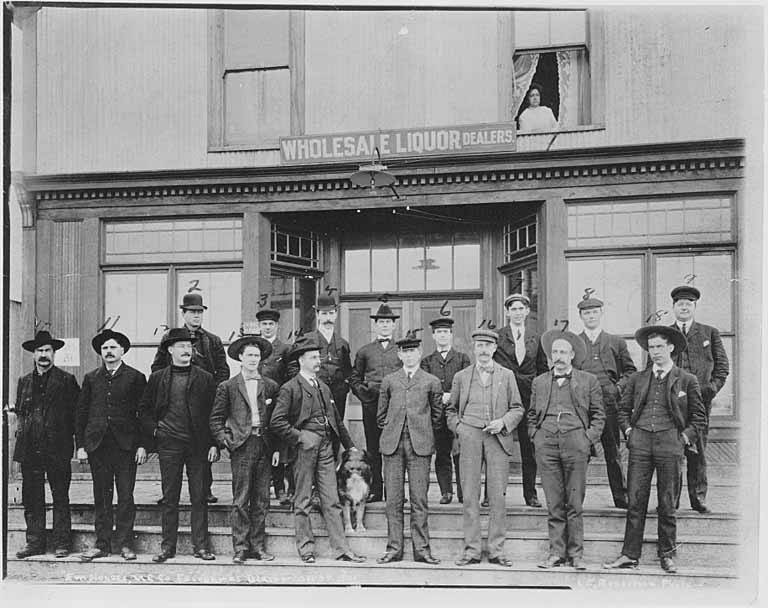
Northern Commercial Company employees in front of store, Fairbanks, Alaska, April 9, 1905.
Image via Wikimedia Commons, public domain
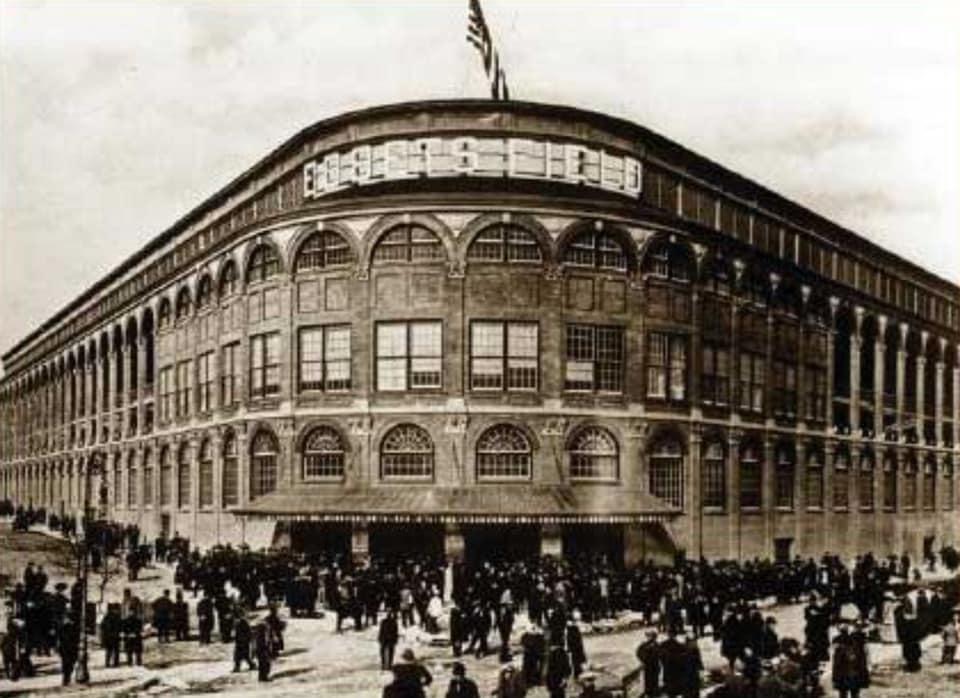
The fist non-exhibition, regular season game at Ebbets Field in Brooklyn, NY took place on April 9, 1913.
The Philadelphia Phillies beat the Brooklyn Dodgers 1-0.
Image: Fans gathered outside Ebbets field in April 1913 via Wikimedia Commons, public domain
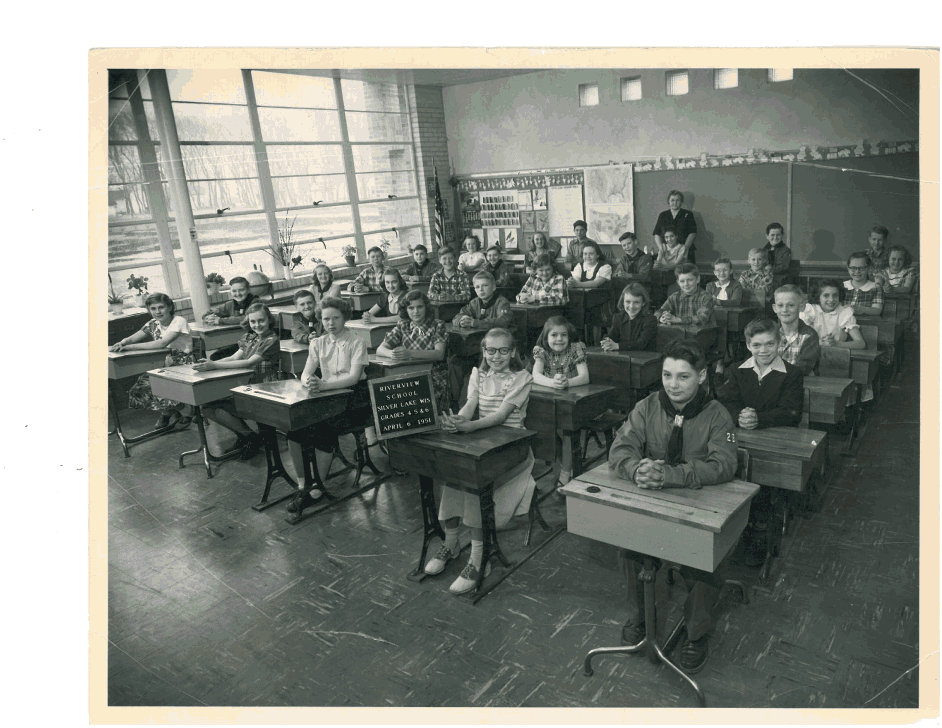
Riverview School’s shared fifth and sixth grade classroom. Photo taken April 9, 1951.
Silver Lake Joint School District of Wisconsin
Image from Paintflake via Wikimedia Commons, CC BY 3.0 unported
“Accordingly, on the 9th of April, 1585, his fleet,
consisting of seven sail and carrying 108 settlers,
departed from Plymouth for Roanoke. Among the
important men on board were Sir Richard Grenville,
who commanded the fleet, Captain Ralph Lane, who had charge of the colony, Thomas Cavendish, who afterwards was the second Englishman to circumnavigate the globe, Thomas Hariot, the famous mathematician, and John White, the painter. About the middle of May they reached the island of Porto Rico, and after lingering in the West Indies about a month, sailed for Florida, and June 16 came to anchor at Wokokon. Three days later one of their ships struck on the bottom and was sunk.
They remained at Wokokon over three weeks, during which time exploring parties were sent to the mainland and adjacent islands, including Croatoan, where resided some Indians who proved very friendly.”
From: Stepping-stones of American history, published in 1904
https://archive.org/details/steppingstonesof00bost/page/36/mode/1up
Source says not in copyright
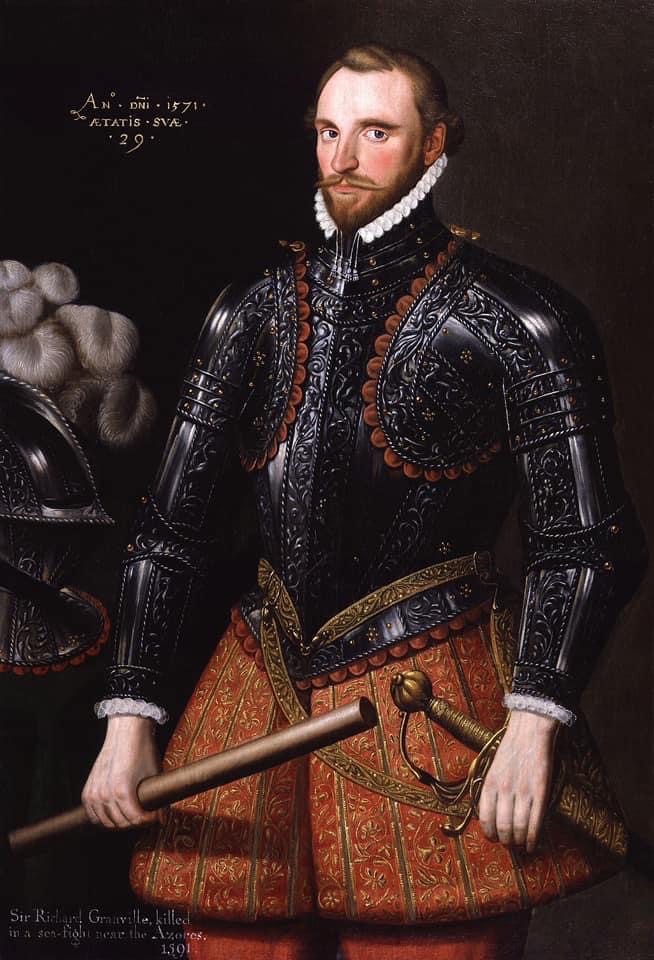
Image: Sir Richard Grenville c. 1571 via Wikimedia Commons, public domain
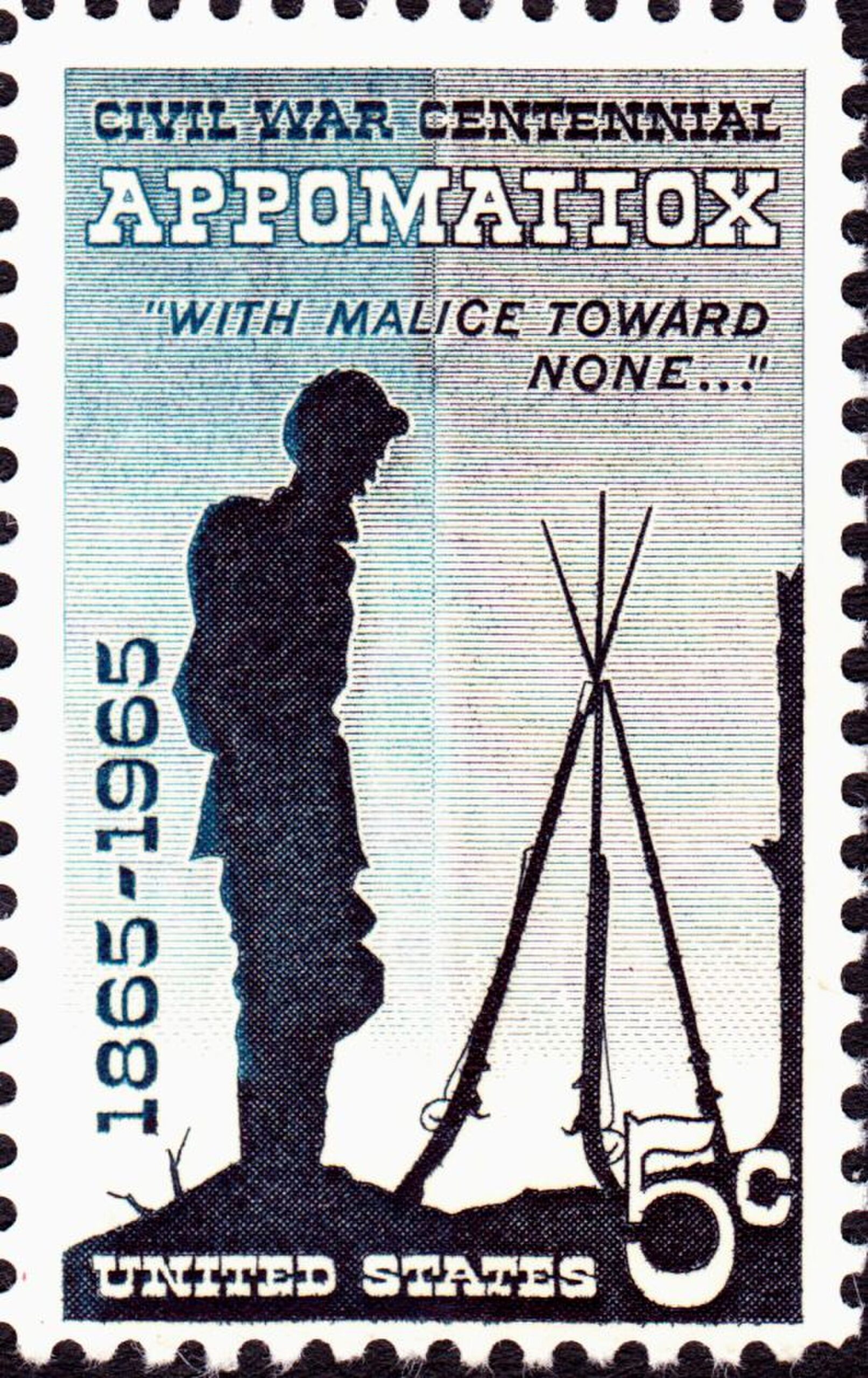
Civil War commemorative postage stamp marking the centennial
1865-1965
via Wikimedia Commons, public domain
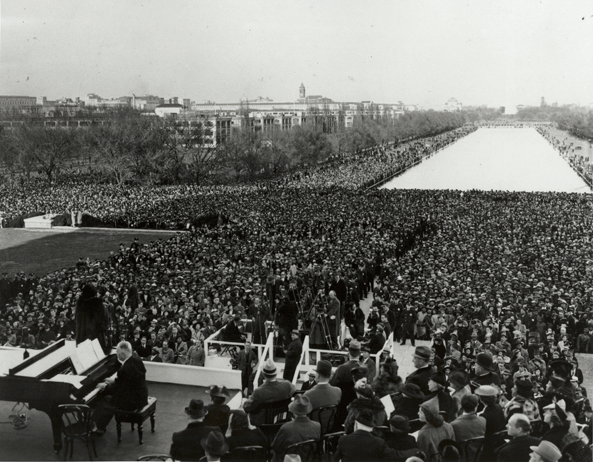
Marian Anderson performing at the Lincoln Memorial on Easter Sunday, April 9, 1939 in front of more than 75,000.
Image via Wikimedia Commons, public domain
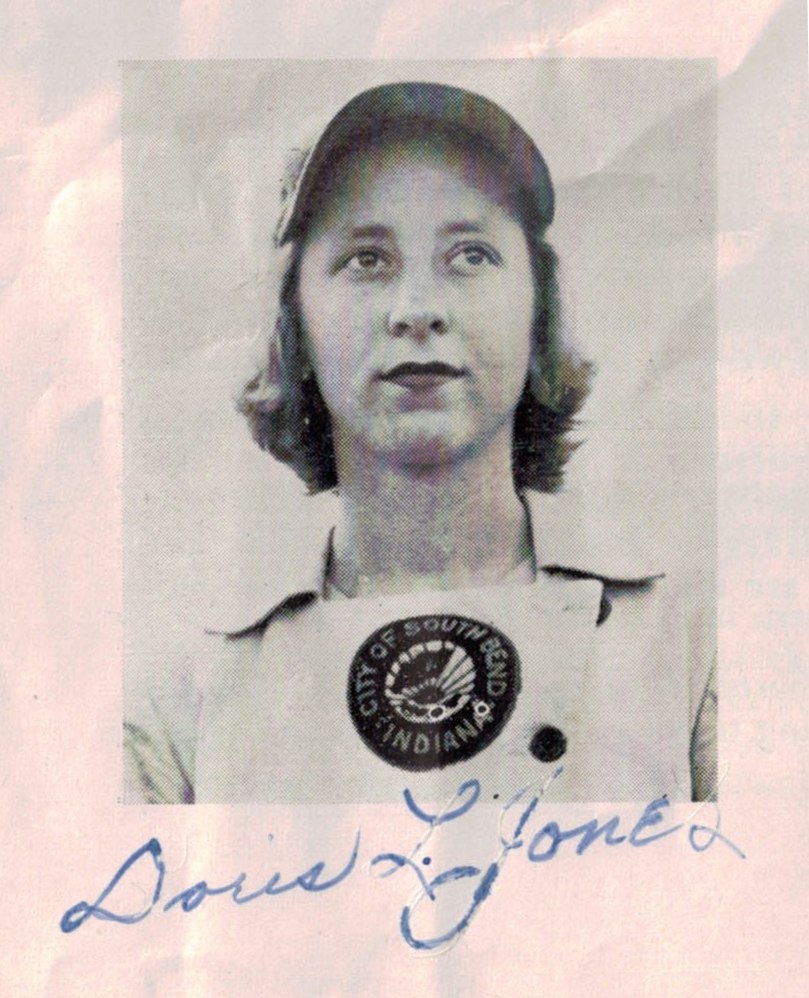
A signed photograph that was taken on April 9, 1945 of Doris Jones who was a baseball player on South Bend Indiana’s Blue Sox
Image from The History Museum, CC BY-SA 4.0 via Wikimedia Commons
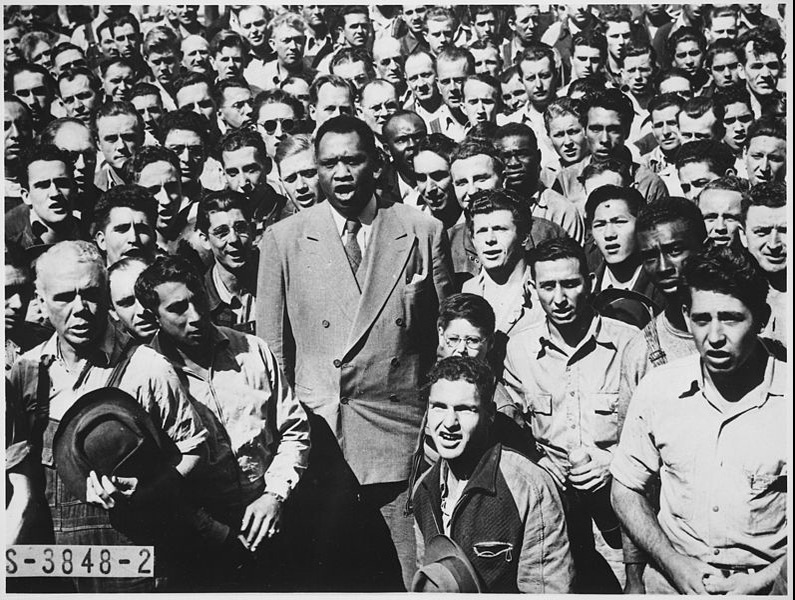
Born April 9, 1898 Paul Robeson was a lawyer, athlete, social activist, actor, and singer known for his rich bass-baritone voice. He’s shown here in 1942 leading workers at an Oakland, California shipyard in singing “The Star-Spangled Banner.”
Image from NARA via Wikimedia Commons, public domain in the US.
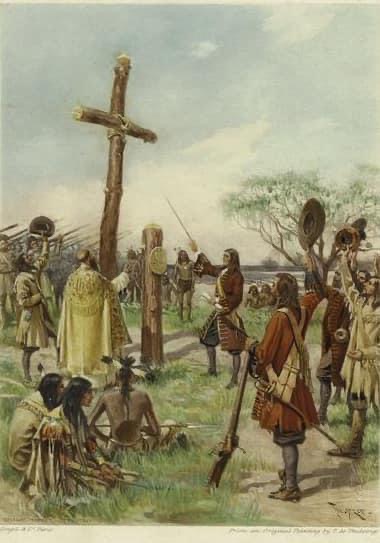
La Salle taking possession of Louisiana in the name of King Louis XIV, April 9, 1682
Conjectural painting from the early 1900s
Image via NYPL Digital Collections, no known restrictions
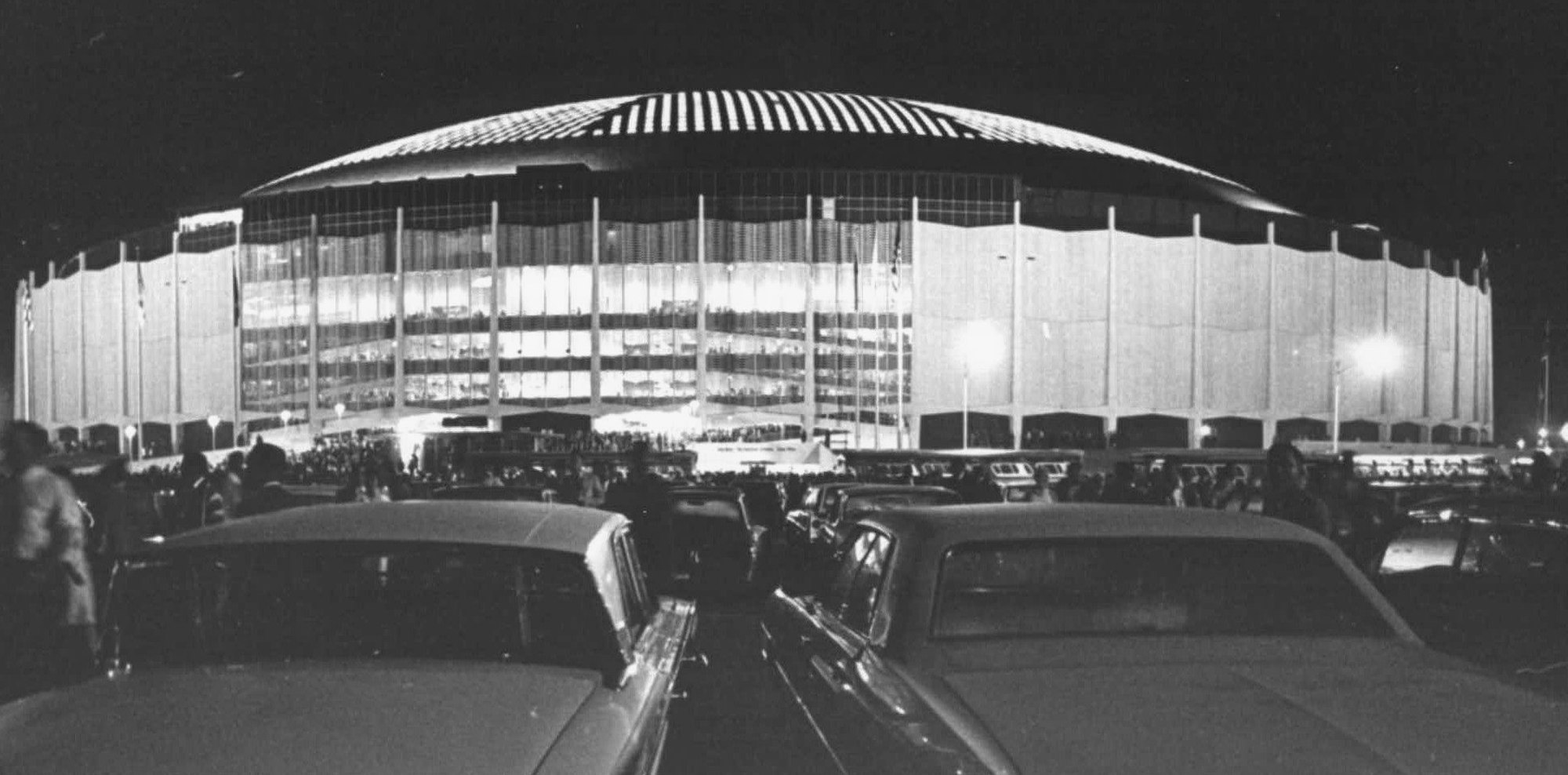
On April 9, 1965, President Lyndon B. Johnson and his wife Lady Bird visited the newly completed Astrodome in Houston, Texas on its inaugural day to watch an exhibition game between the New York Yankees and the Houston Astros.
Mickey Mantle hit the first home run at the Astrodome, but the Astros won in twelve innings.
Image via Wikimedia Commons, no known restrictions
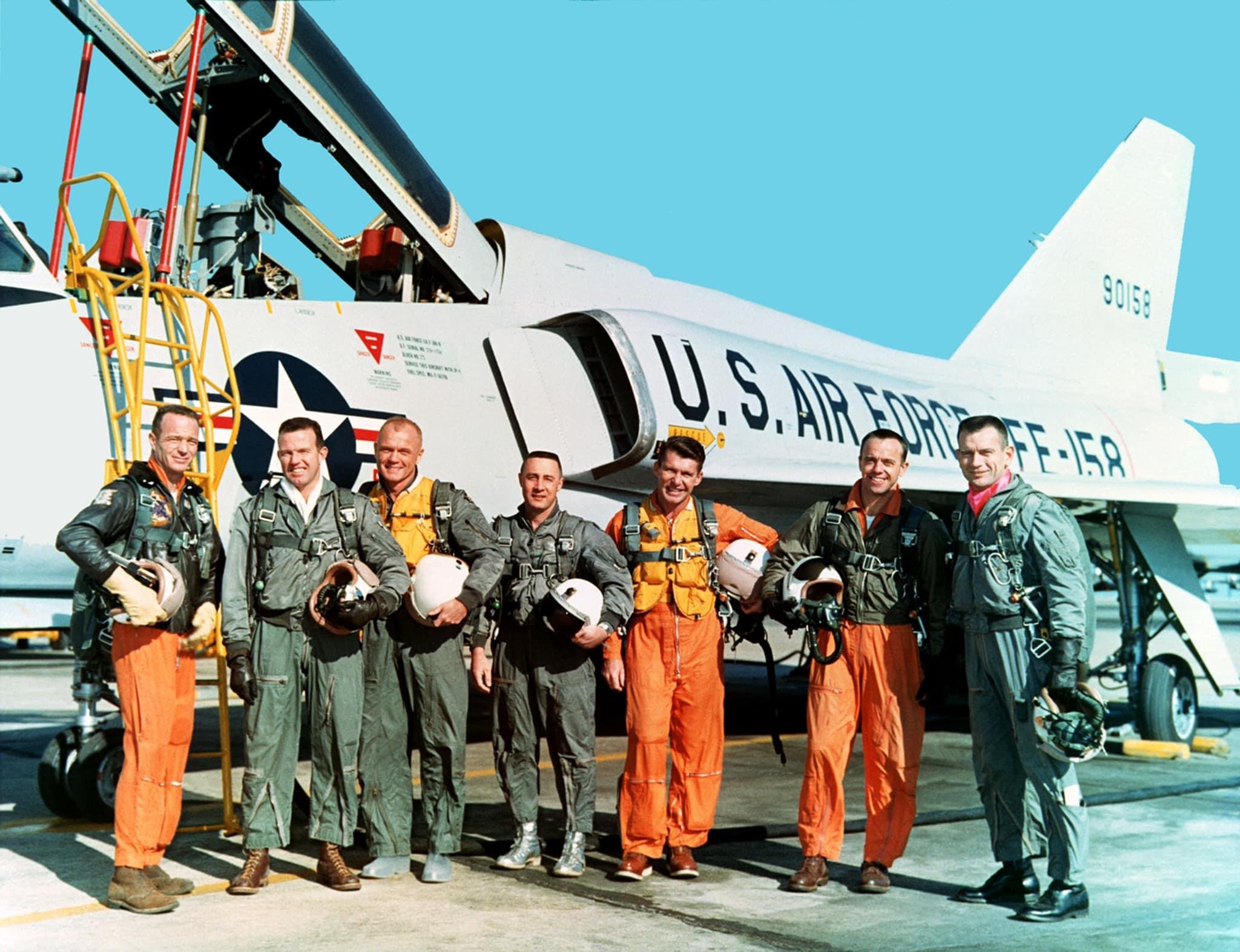
On April 9, 1959, NASA announced the names of seven astronauts who would be the first to fly in the first U.S. human space flight program.
They became known as the Mercury Seven and their names were M. Scott Carpenter, L. Gordon Cooper, Jr., John H. Glenn, Jr., Virgil I. (Gus) Grissom, Walter M. (Wally) Schirra, Jr., Alan B. Shepard, Jr. and Donald K. (Deke) Slayton.
Image of the Mercury Seven in 1961 via Wikimedia Commons, public domain
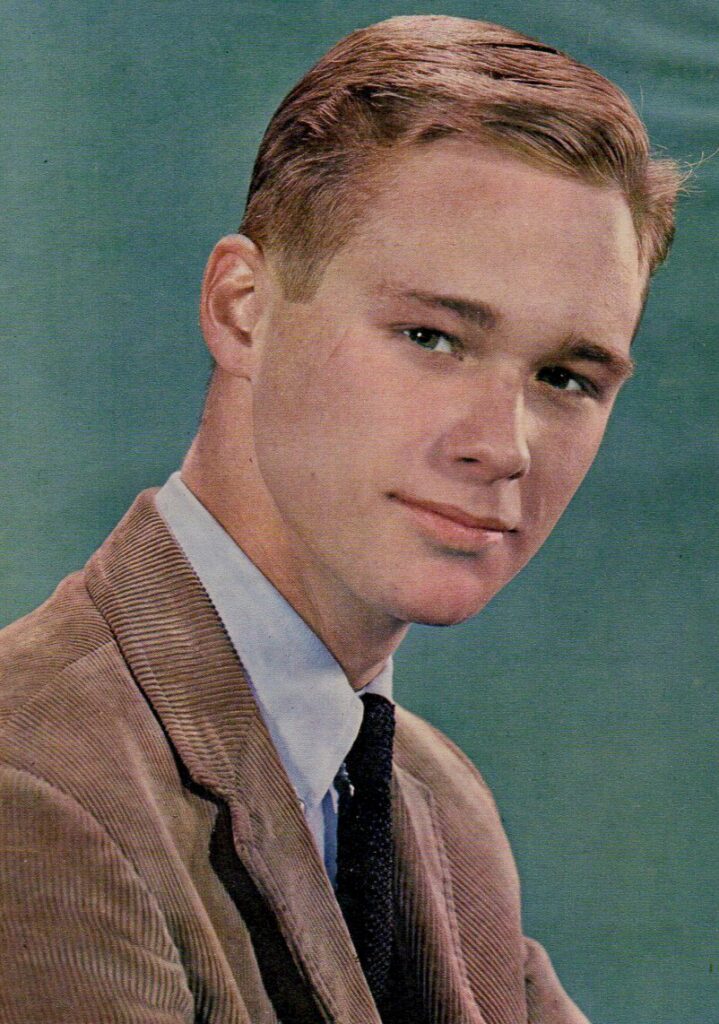
Brandon deWilde (April 9, 1942 – July 6, 1972) is pictured here in 1963, a pivotal year in his transition from child prodigy to accomplished adult actor. He had first captured national attention on Broadway at age seven and earned an Academy Award nomination at eleven for his unforgettable “Come back, Shane!” in the 1953 classic Shane. This portrait reflects the poise and maturity he brought to his later screen work.
In 1963, deWilde delivered one of his most acclaimed adult performances as Lonnie Bannon in Hud. As the impressionable nephew caught between the stern morality of his grandfather (Melvyn Douglas) and the charismatic cynicism of his uncle (Paul Newman), deWilde was praised for an “eloquent” portrayal of a young man trying to find his own compass. The role marked him as a rare child star who successfully crossed into serious adult acting.
Tragically, his life was cut short just nine years later at age 30, following a rain‑slicked auto accident in Lakewood, Colorado, where he was appearing in a stage production.
Image via Wikimedia Commons, no known copyright, public domain in the US
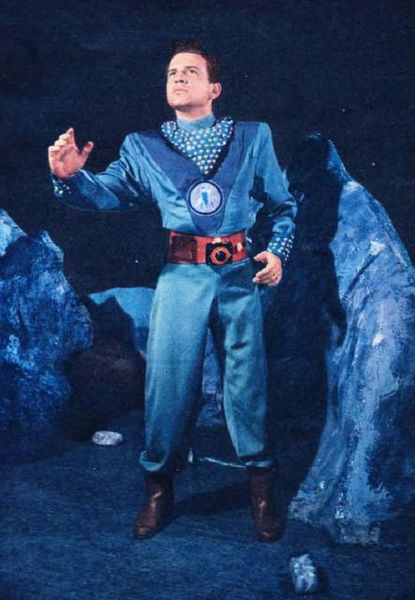
Actor Frankie Thomas, born April 9, 1921, appeared on Broadway and in a number of films of the 1930s and 40s (mostly B movies, to be honest). His favorite role was “Tom Corbett, Space Cadet,” a TV series that ran from 1950 – 55. When Frankie passed away in 2006 he was buried in his Space Cadet uniform.
Image via Wikimedia Commons, copyright not renewed public domain in the US
