
The Grand Army of the Republic (GAR)
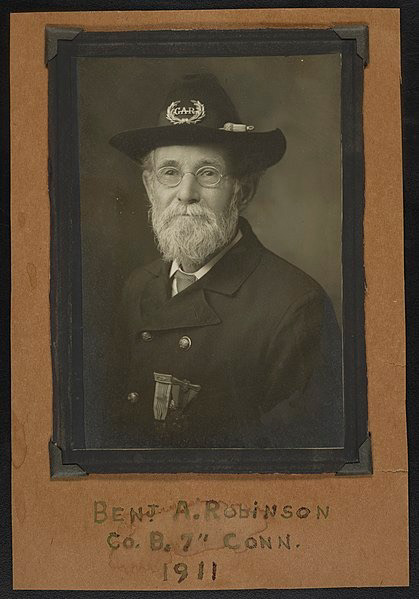
On April 6, 1866, the Grand Army of the Republic (GAR) was founded in Decatur, Illinois. This powerful fraternal organization was open to veterans who had served in the U.S. Army, Navy, or Marine Corps during the Civil War. It became a dominant political force, successfully lobbying for veterans’ pensions and making Memorial Day a national holiday. The GAR lasted exactly 90 years, finally dissolving in 1956 upon the death of its last member, 109-year-old Albert Woolson.
Shown: Veteran Benjamin Robinson, photographed roughly 50 years after his service.
Image via Wikimedia Commons, Liljenquist Family Collection, LOC, public domain.
The First Modern Olympic Games
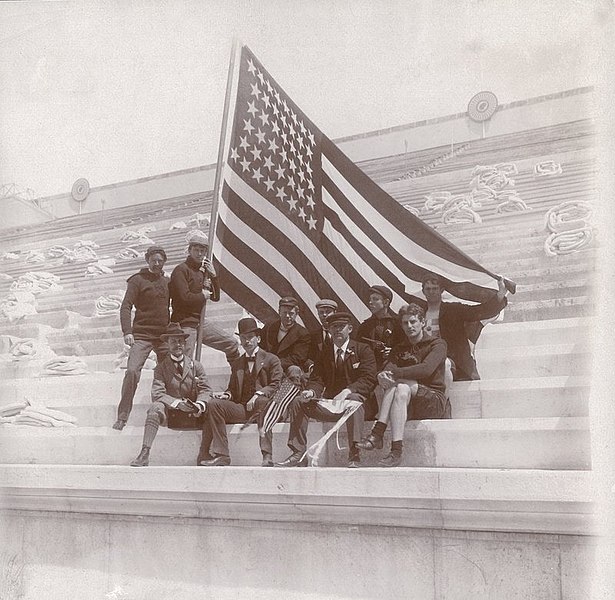
On this date in 1896, the first modern Olympic Games opened in Athens, Greece, at the restored marble Panathenaic Stadium. While the U.S. team was small—consisting of only 14 athletes, mostly students from Harvard and Princeton—they dominated the track and field events. American James Connolly became the first Olympic champion in over 1,500 years by winning the triple jump. He reportedly missed his graduation at Harvard to compete, having been denied a leave of absence.
Shown: Members of the 1896 U.S. Olympic Team in Athens.
Image via Wikimedia Commons, public domain.
John Jacob Astor’s Fur Empire
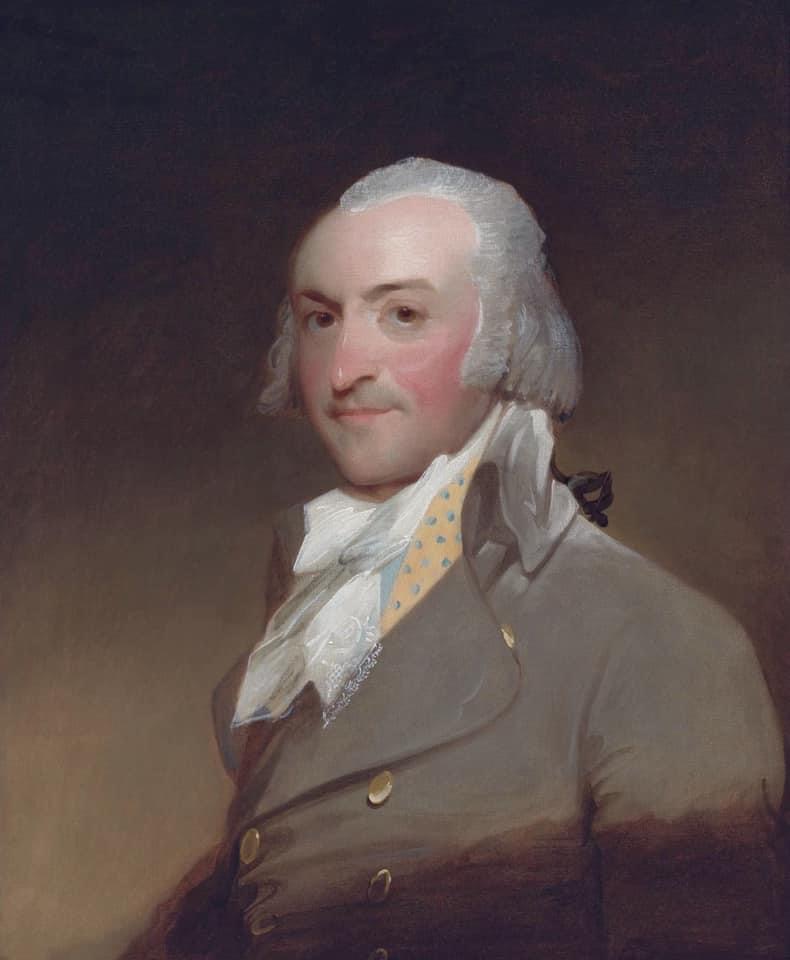
On April 6, 1808, German-American businessman
John Jacob Astor incorporated the American Fur Company. By establishing a monopoly on the North American fur trade, Astor amassed a fortune that made him the first multi-millionaire in the United States. At the time of his death, his wealth was estimated to be equivalent to nearly 1% of the entire U.S. GDP—a level of financial influence rarely seen before or since.
Painting: John Jacob Astor by Gilbert Stuart.
Via Wikimedia Commons, public domain.

Pioneer 11: A Message to the Stars
Launched on April 6, 1973 UTC, NASA’s Pioneer 11 was a trailblazer, becoming the first spacecraft to study Saturn up close. Like its predecessor, Pioneer 10, it carries a gold-anodized aluminum plaque designed by Carl Sagan and Frank Drake. The plaque serves as a “galactic greeting card,” depicting a man and woman alongside a map pinpointing Earth’s location relative to 14 pulsars. Though NASA lost contact with the probe in 1995, it continues its silent journey toward the constellation Aquila.
Shown: Pioneer 11 during pre-launch preparations in 1973.
Image via Wikimedia Commons, public domain.
The “Discovery” of the North Pole
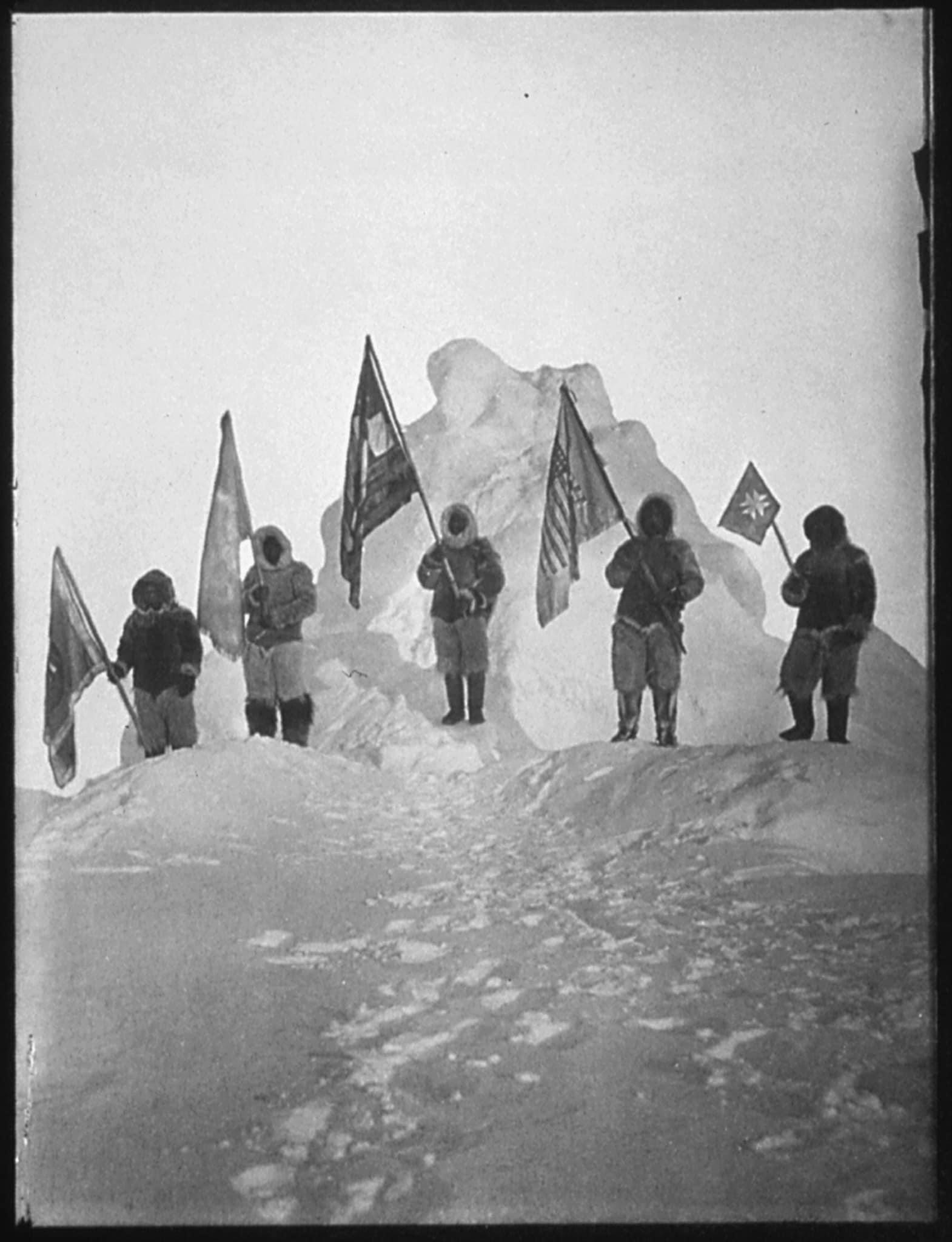
On April 6, 1909, Americans Robert Peary and Matthew Henson claimed to be the first to reach the Geographic North Pole. While Peary often received the lion’s share of the credit, Henson—an expert dog-sledge driver and navigator who spoke the local Inuit language—is now widely recognized as a co-discoverer. Modern analysis has cast doubt on whether they reached the exact pole, suggesting they may have fallen about 30 miles short, but their feat remains a monumental achievement in Arctic exploration.
Shown: The Robert Peary Sledge Party holding flags at their calculated North Pole.
Image via Wikimedia Commons, public domain.
The Battle of Shiloh: A Brutal Surprise
The two-day Battle of Shiloh began on the morning of April 6, 1862, in Tennessee. It was the bloodiest engagement in American history up to that point, with casualties totaling over 23,000.
“The enemy did not give us time to discuss the question of attack, for soon after dawn he commenced a rapid musketry fire on our pickets… Captain Saxe (16th Wisconsin) was killed — the first Union officer killed in the Battle of Shiloh.” — Joseph W. Rich, 1911.
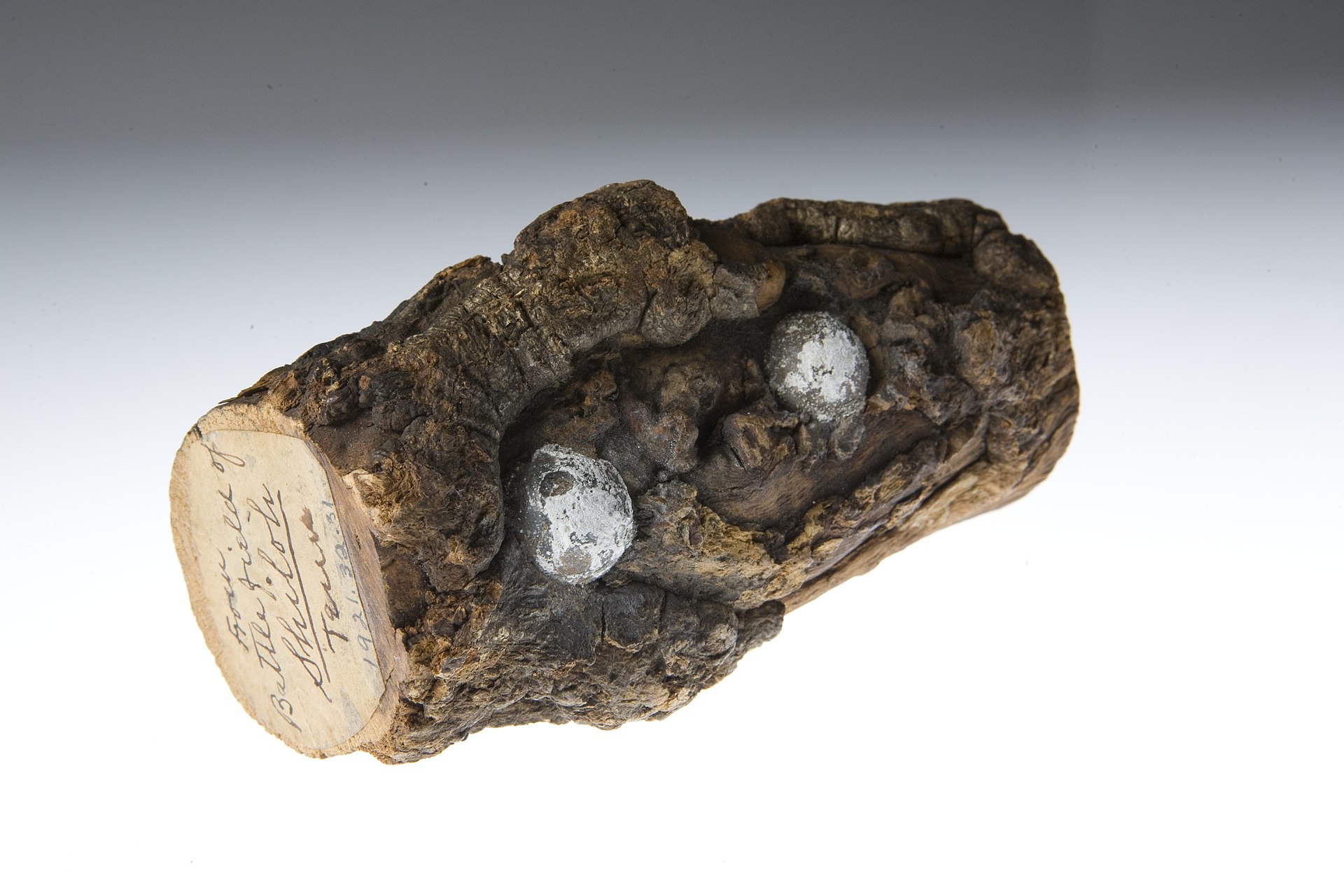
Shown: Lead balls embedded in a section of a tree branch from the Shiloh battlefield.
Image via Wikimedia Commons, public domain. https://archive.org/details/battleofshiloh00richiala/page/53/mode/1up?view=theater
Merle Haggard: The Hag’s Final Birthday
Country music legend Merle Haggard was born on April 6, 1937, in a converted boxcar in Oildale, California. Known as “The Hag,” his songs like “Mama Tried” and “Okie from Muskogee” defined the Bakersfield sound. In a poetic final act, Haggard passed away on his 79th birthday—April 6, 2016—at his ranch in Northern California. His son, Ben, noted that Merle had predicted he would die on his birthday just days earlier.
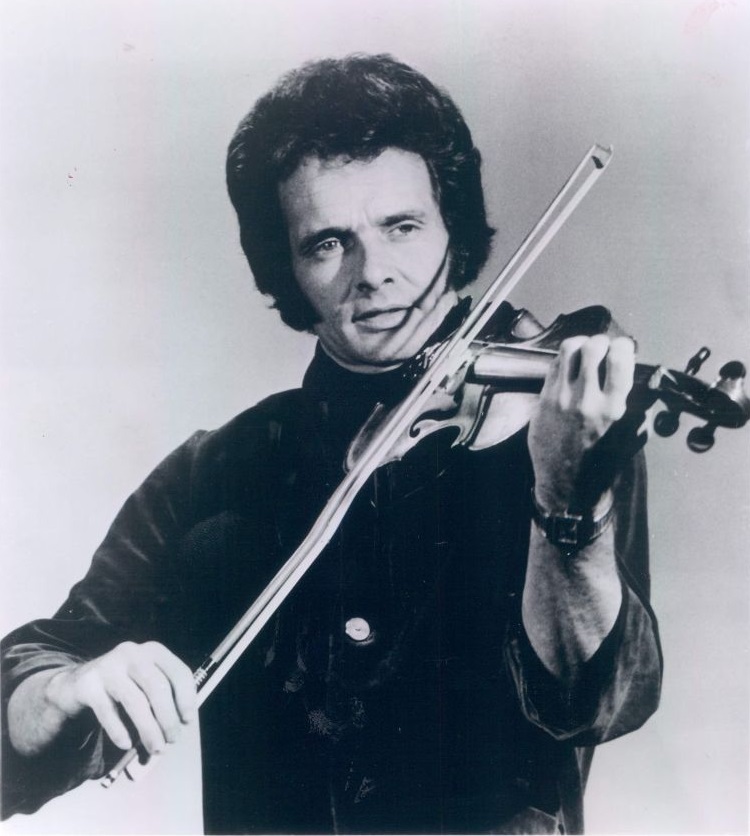
Shown: Merle Haggard in 1975.
Image by Capitol Records via Wikimedia Commons, public domain.
Gerry Mulligan: The Baritone Giant
Born April 6, 1927, Gerry Mulligan was a primary architect of “Cool Jazz” and the man who made the baritone saxophone a solo instrument. His career took off in his teens, leading to his work on the seminal Birth of the Cool sessions with Miles Davis. Over a 50-year career, he became one of the most prolific arrangers and performers in jazz history, famously leading a “pianoless” quartet that revolutionized the genre’s sound.
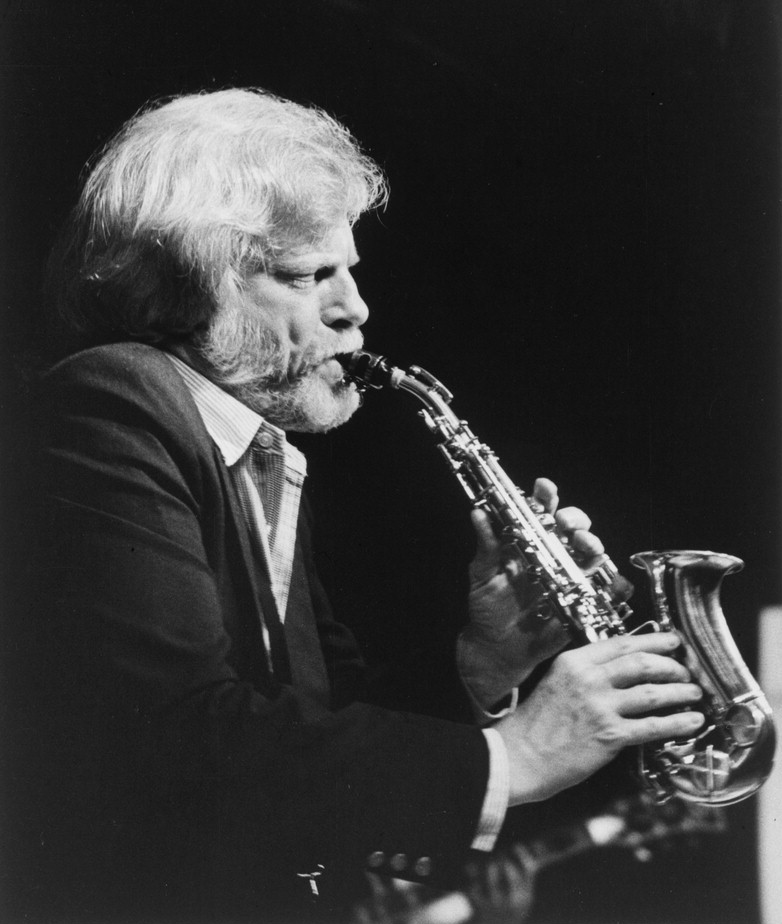
Shown: Gerry Mulligan performing.
Image via Wikimedia Commons, public domain.
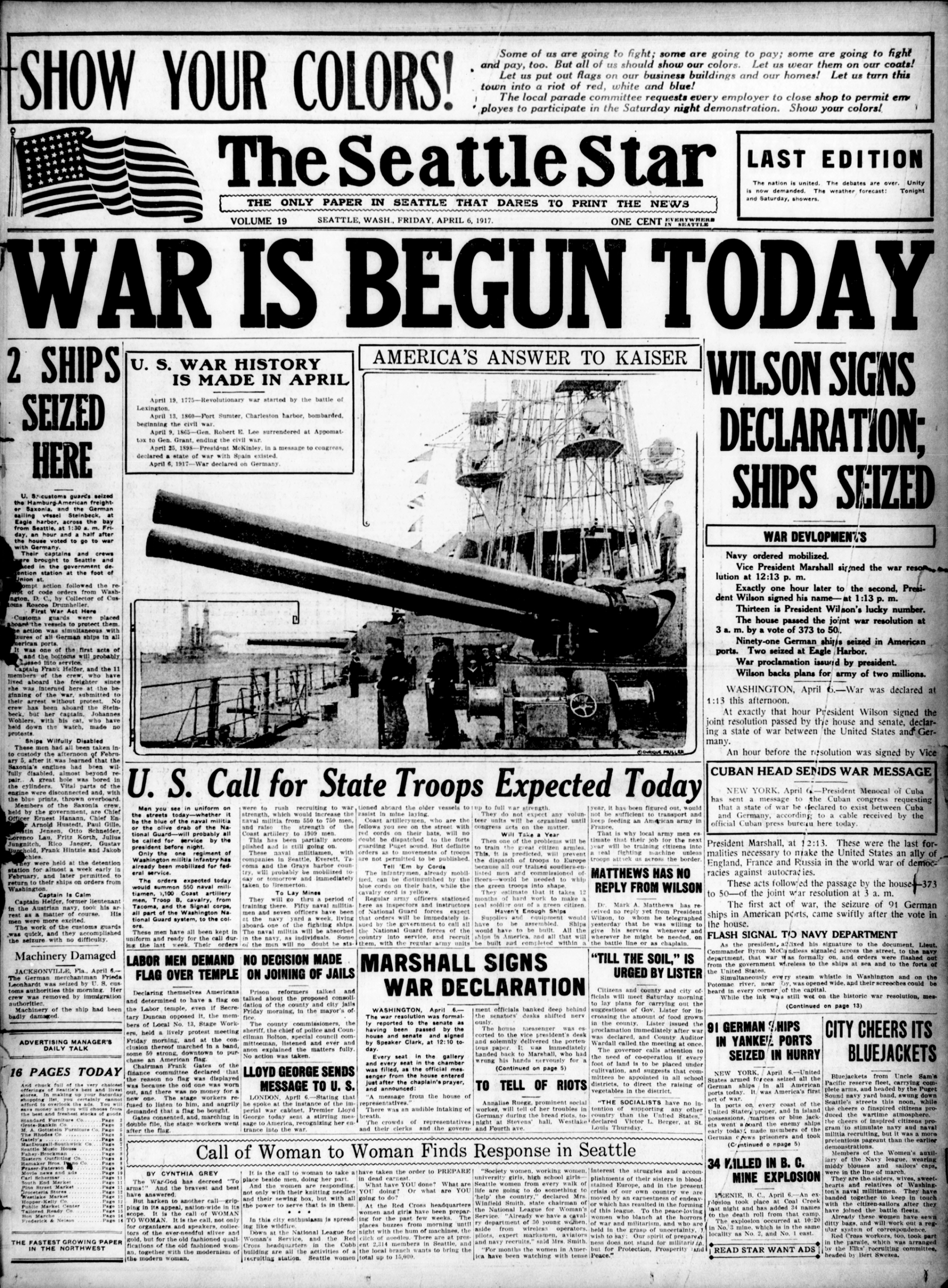
The U.S. Enters World War I
On April 6, 1917, the United States formally entered World War I. Following months of tension over unrestricted submarine warfare and the interception of the Zimmermann Telegram, Congress approved President Woodrow Wilson’s request for a declaration of war against Germany. The move shifted the nation from neutrality to a global military power, eventually sending over 4 million personnel to serve in the “Great War.”
Shown: Front page of the Seattle Star, April 6, 1917.
Via Wikimedia Commons, public domain.
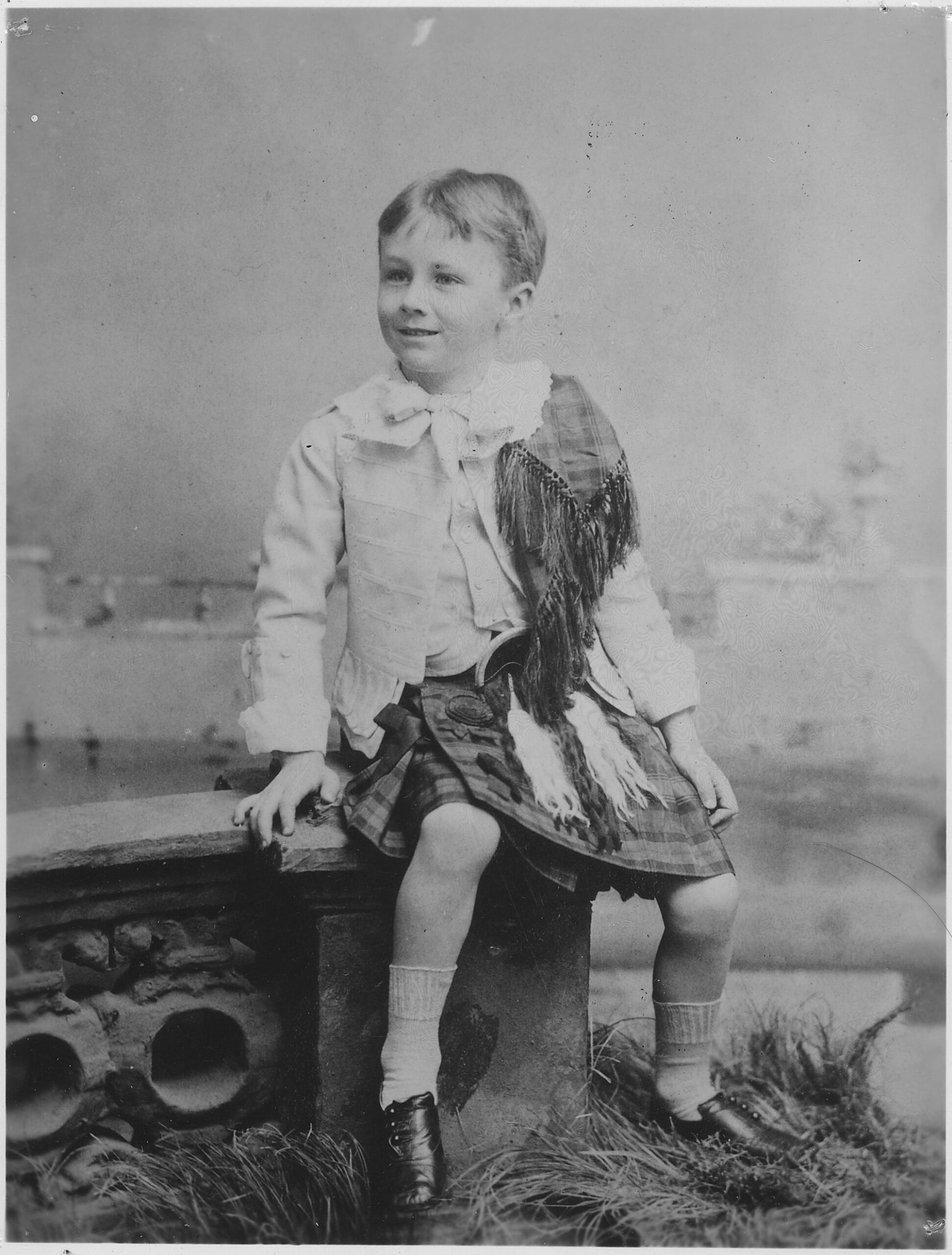
National Tartan Day & FDR
Happy National Tartan Day! April 6 was chosen to commemorate the Declaration of Arbroath (1320), the Scottish declaration of independence. It’s a day to celebrate Scottish heritage and the contributions of Scottish-Americans.
Shown: A young Franklin D. Roosevelt at Hyde Park in 1888, wearing a traditional Highland kilt.
Image via Wikimedia Commons, public domain.
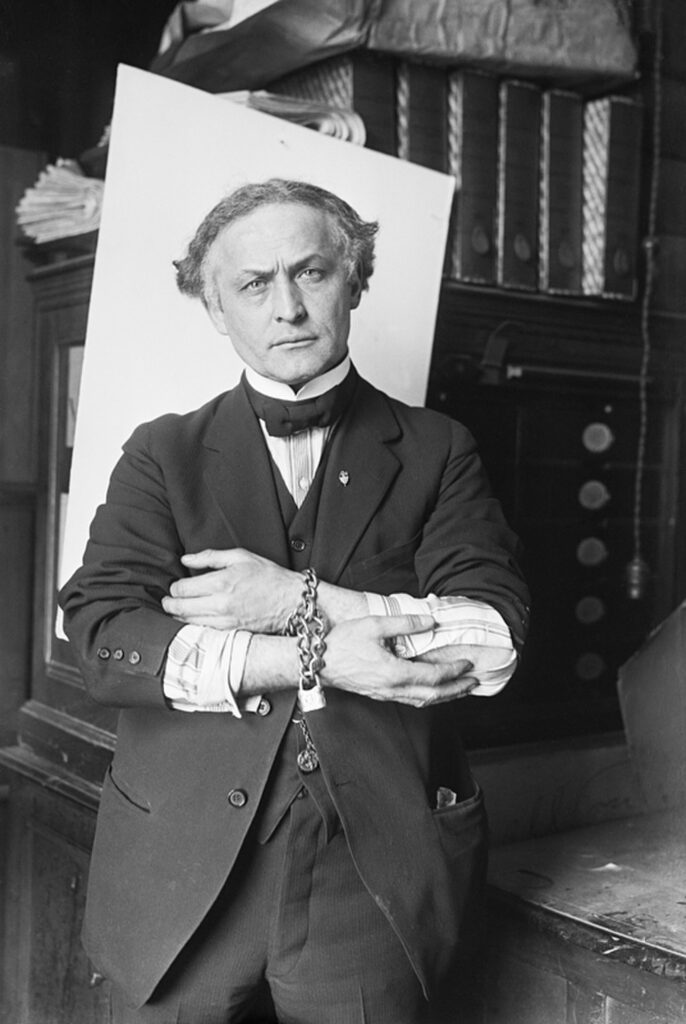
The “Adopted” Birthday of Harry Houdini
While birth records from Budapest later proved he was born on March 24, the world’s most famous escape artist, Harry Houdini, spent his entire public life claiming April 6, 1874, as his birthday. Born Erik Weisz, he reinvented himself not just through his magic but through his own origin story — insisting he was born in Appleton, Wisconsin, to bolster his image as an American‑born, self‑made man. Even after his death, the April 6 date endured, a final “disappearing act” woven into his legend.
Shown: Harry Houdini in handcuffs in 1918
Image via Wikimedia Commons, public domain

The Invention of the Twinkie
On April 6, 1930, bakery manager James Dewar created the Twinkie inside the Continental Baking Company plant in Schiller Park, Illinois. His aim was practical: keep the factory’s specialized shortcake pans from sitting idle once strawberry season ended. The first Twinkies carried a banana‑cream filling, but World War II rationing abruptly cut off banana imports and forced a switch to vanilla. The substitute proved so popular that it became permanent, turning the small, golden sponge cake into a nearly century‑old artifact of American snack‑food ingenuity.
Image via: Wikimedia Commons, public domain

The Accidental Discovery of Teflon
On April 6, 1938, chemist Roy J. Plunkett made a discovery that would reshape American industry — and eventually the modern kitchen. While working at DuPont’s Jackson Laboratory in Deepwater, New Jersey, he found that a cylinder of tetrafluoroethylene (TFE) gas had unexpectedly polymerized into a white, waxy solid. The material — later trademarked Teflon — proved remarkably heat‑resistant, chemically inert, and almost impossibly slippery.
First deployed during the Manhattan Project to handle corrosive uranium hexafluoride gas, Teflon later became the non‑stick coating on everything from frying pans to aerospace components.
