The First Oath
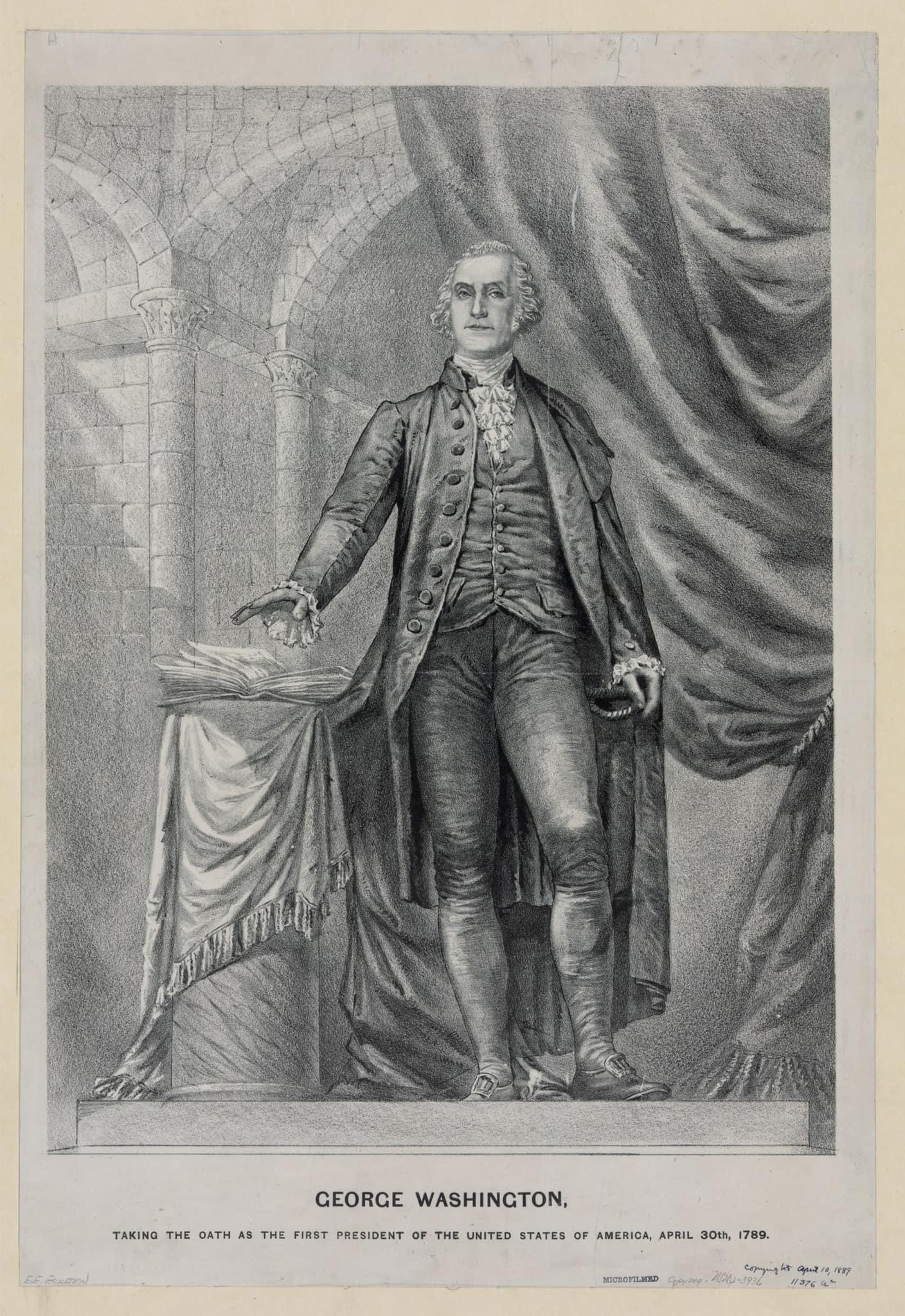
On April 30, 1789, George Washington stepped onto the balcony of Federal Hall wearing a simple suit of American-made brown broadcloth, a deliberate nod to the nation’s emerging industry. With his hand on a Masonic Bible borrowed for the occasion, he took the first presidential oath before a crowd filling Broad and Wall Streets. Later, delivering his inaugural address inside the Senate chamber, observers noted that the usually composed Washington trembled with the weight of the moment — a rare glimpse of emotion at the dawn of the American presidency.
Image via Wikimedia Commons, public domain
A Century of Honor
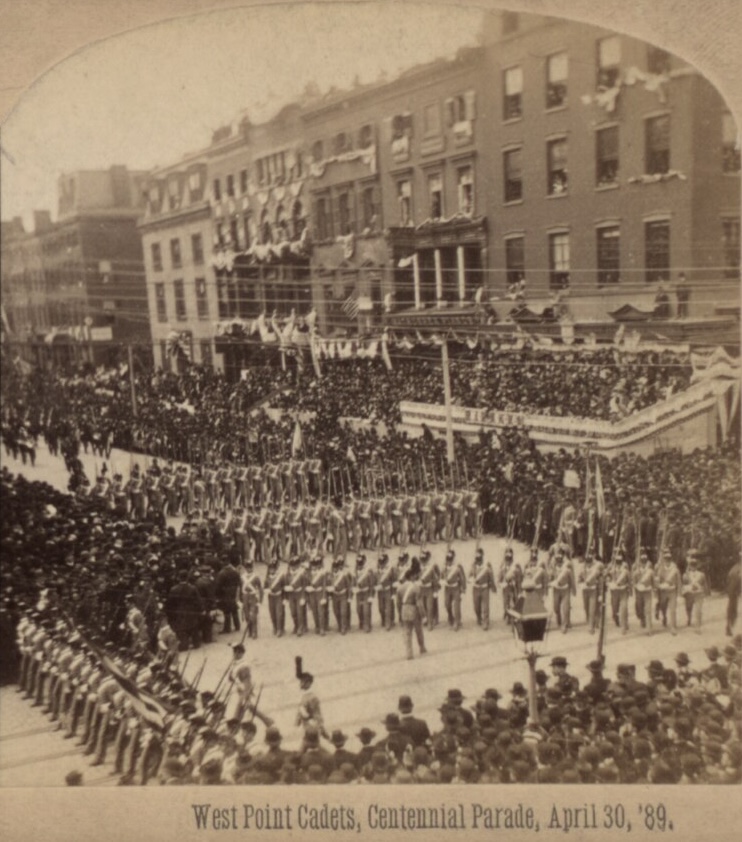
In 1889, the streets of New York City transformed into a sea of celebration for the Centennial Parade, marking one hundred years since Washington’s inauguration. Among the rhythmic drums and the marching West Point Cadets was young Eleanor Roosevelt, accompanied by her father, Elliott. For a girl who would one day become a beacon of human rights, this day was a rare and cherished memory of childhood wonder spent at her father’s side amidst a city honoring its heritage.
April 30, 1889
Image via Wikimedia Commons, public domain
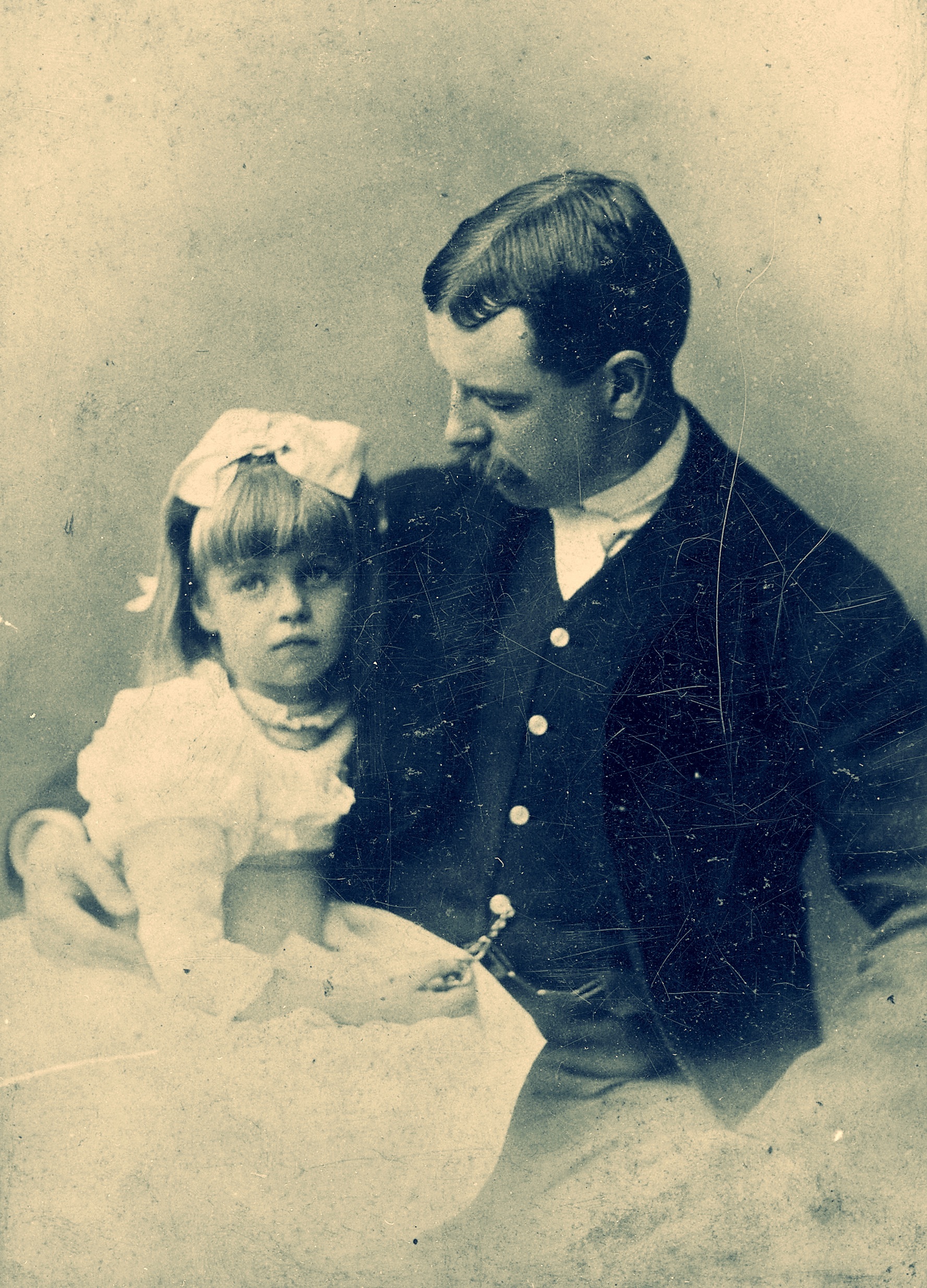
The Father’s Gaze
In this portrait taken on April 30, 1889, Elliott Roosevelt looks down at his four‑year‑old daughter, Eleanor, with unmistakable tenderness. Eleanor — “Little Nell” to him — sits on his lap with the solemn, soulful expression that appears throughout her early childhood photographs. Though Elliott’s later struggles often overshadow his memory, this image, preserved by the National Archives, captures him simply as a father absorbed in his child. It remains a poignant glimpse of the closeness that shaped Eleanor’s earliest sense of being loved and seen.
Image via Wikimedia Commons, public domain
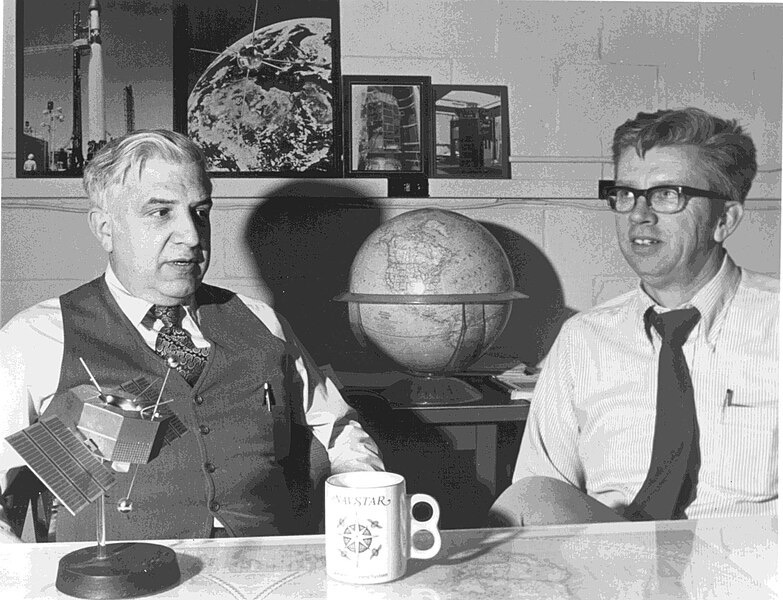
The Stars as Our Guide
Born on April 30, 1921, physicist Roger L. Easton spent his life looking toward the heavens from the Naval Research Laboratory. In 1957, he was at the forefront of the space age, helping to develop the system that tracked Sputnik as it made its historic transit across the sky. About fifteen years later, his vision transformed the way we move across our own world when he developed and patented the Global Positioning System. Because of his quiet brilliance, the GPS became a mainstay of modern life, ensuring that the world became a smaller, safer place where no traveler ever has to be truly lost again.
Image from USAF via Wikimedia Commons, public domain in the US.
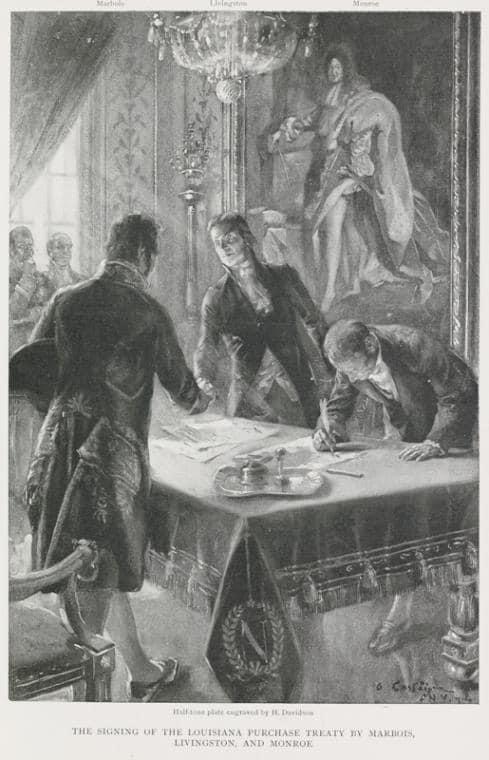
The Map of a Nation
In a candlelit room in Paris on April 30, 1803, American envoys signed the Louisiana Purchase. With a few strokes of a pen, the size of the United States doubled, transforming the young country from a coastal experiment into a continental power. Exactly nine years later, in 1812, that vision was cemented as Louisiana officially became the eighteenth state, turning the wild beauty of the frontier into a permanent piece of the American home.
Image via NYPL Digital Collections, no known restrictions
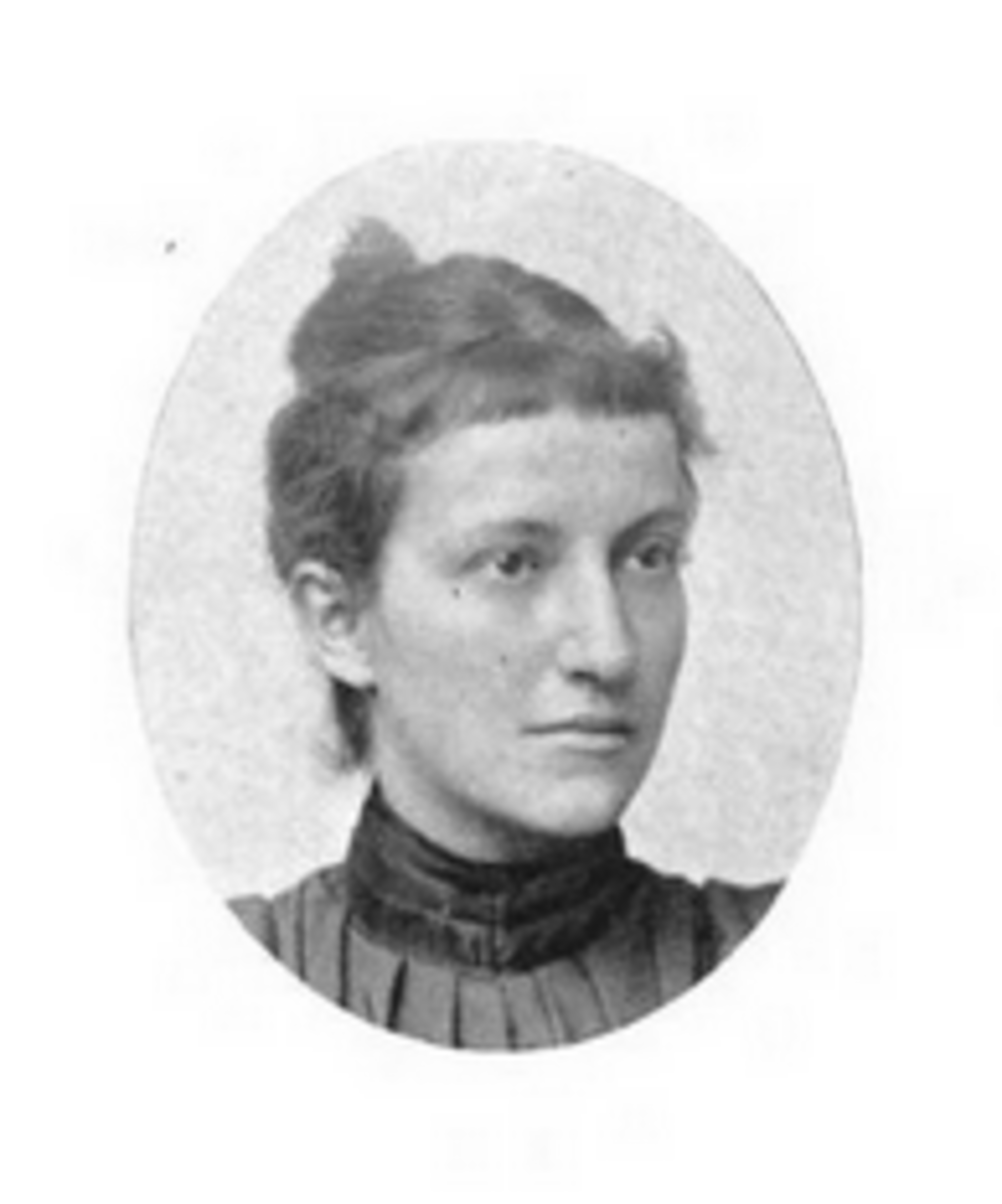
A Seat at the Table
Born on April 30, 1866, Mary Haviland Stilwell Kuesel entered a world where professional doors were often closed to women. Refusing to be sidelined, she not only became a dentist but founded the Women’s Dental Association of the U.S. in 1892. Her life’s work was about creating a legacy of opportunity, ensuring that the women who followed her would have a community to support them and a profession to call their own.
Image via Wikimedia Commons, public domain
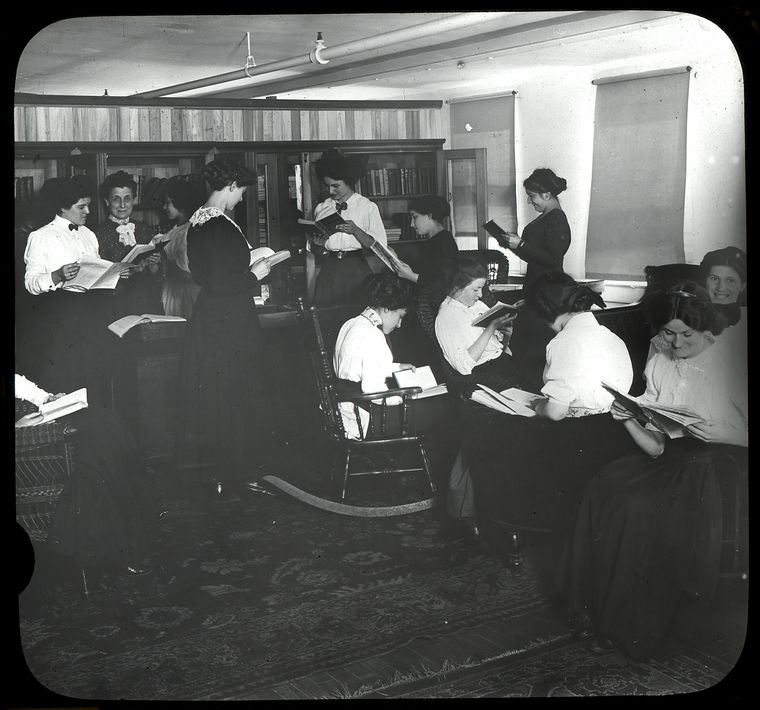
Dignity in the Aisles
In the bustling world of 1910, the Siegel-Cooper Company in New York City offered something truly revolutionary for its predominantly female workforce. On April 30, images captured these women reading in a lounge, a small sanctuary provided by an employer that valued their minds and well-being. With a staff newspaper and on-site healthcare, it was a rare moment in history where the people behind the counter were treated with the respect and care they deserved.
Image via NYPL Digital Collections, no known restrictions
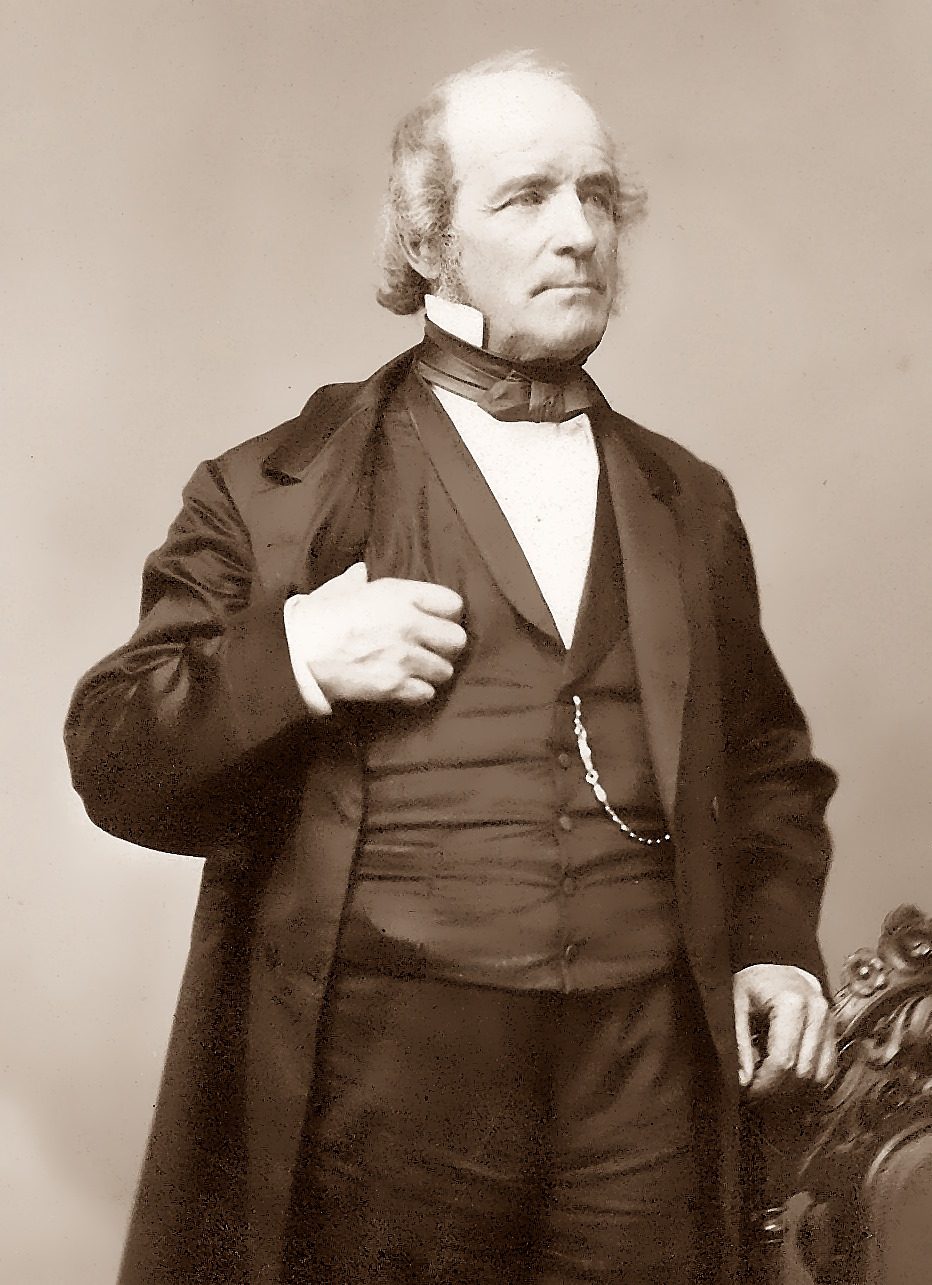
The Gift of Bread
Joseph Dart, born on April 30, 1799, looked at the grueling, back-breaking labor of moving grain by hand and saw a better way. In the early 1840s, he invented the steam-powered grain elevator, a breakthrough that didn’t just build the city of Buffalo, but ensured that the harvest of the American heartland could feed a growing world. He was a man who used his mind to lift the heavy burdens from the shoulders of his fellow workers.
Image via Wikimedia Commons, public domain
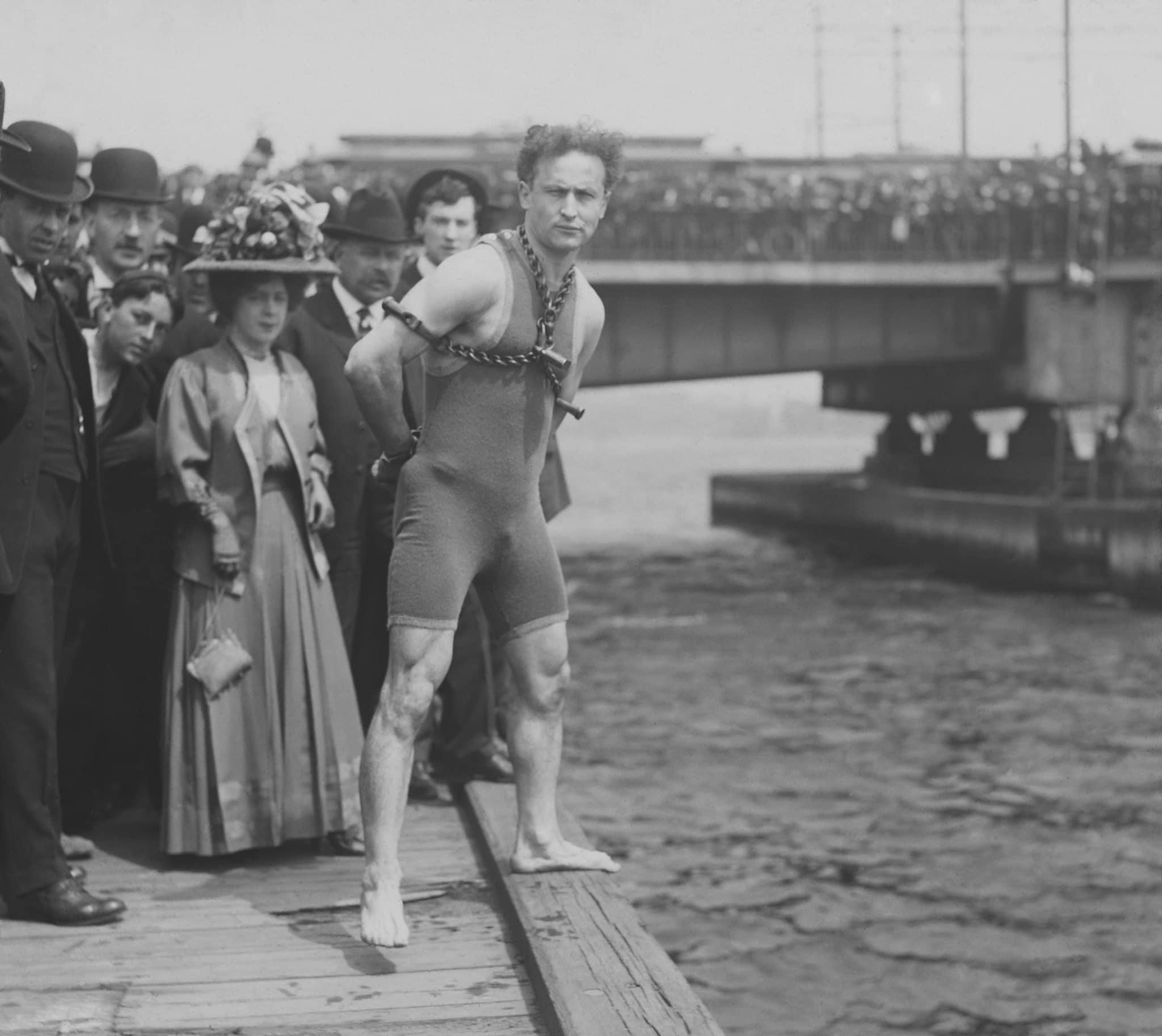
The Escape Artist
On April 30, 1908, a massive crowd gathered along the Harvard Bridge in Boston, their eyes fixed on Harry Houdini. Bound in heavy chains and padlocks, he plunged into the cold waters of the Charles River. For several agonizing minutes, there was only silence and ripples on the water, until he surfaced triumphant and free—a reminder to everyone watching that no bond is too strong for the human spirit to overcome.
Image via Wikimedia Commons, public domain
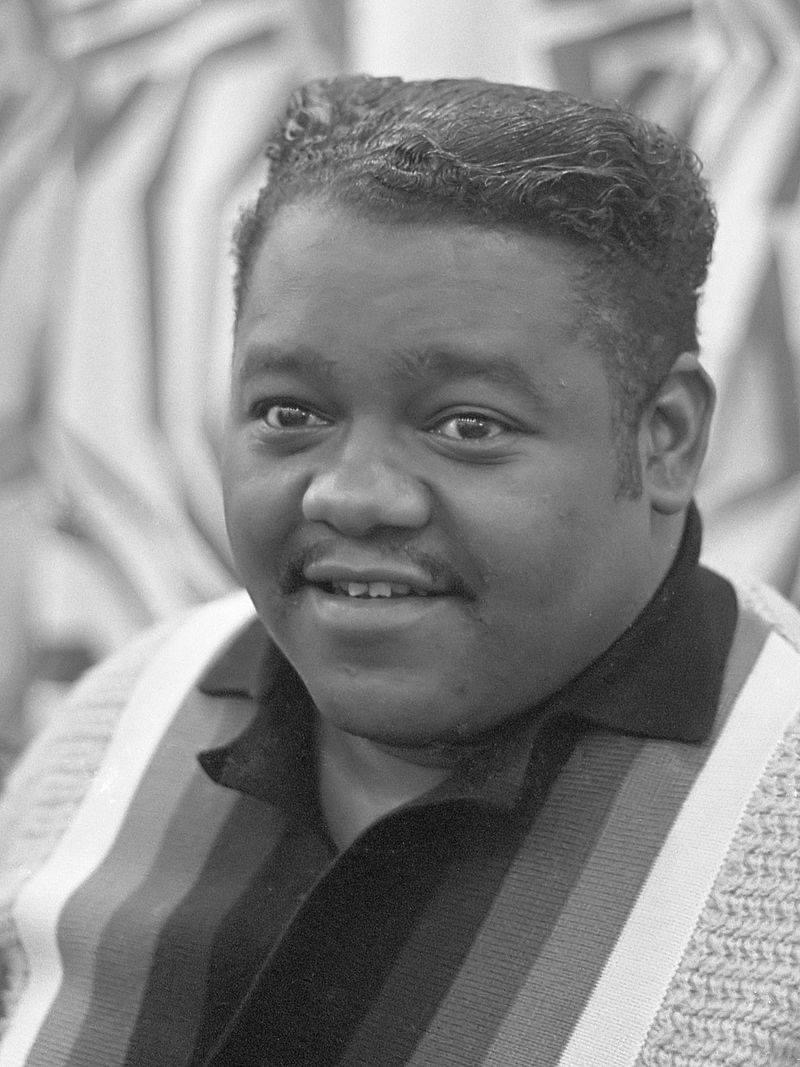
A Way Back Home
April 30, 1960 is often cited in modern accounts as the day Fats Domino stepped into a New Orleans studio to record “Walking to New Orleans.” With its slow, soulful rhythm and sweeping strings, the song became an anthem for anyone longing for their roots. It captured the heartbeat of a city and the universal feeling of needing to return to the place where you truly belong.
Photo: By Hugo van Gelderen / Anefo (Nationaal Archief) [CC BY-SA 3.0 (http://creativecommons.org/licenses/by-sa/3.0)], via Wikimedia Commons
The Path to Statehood
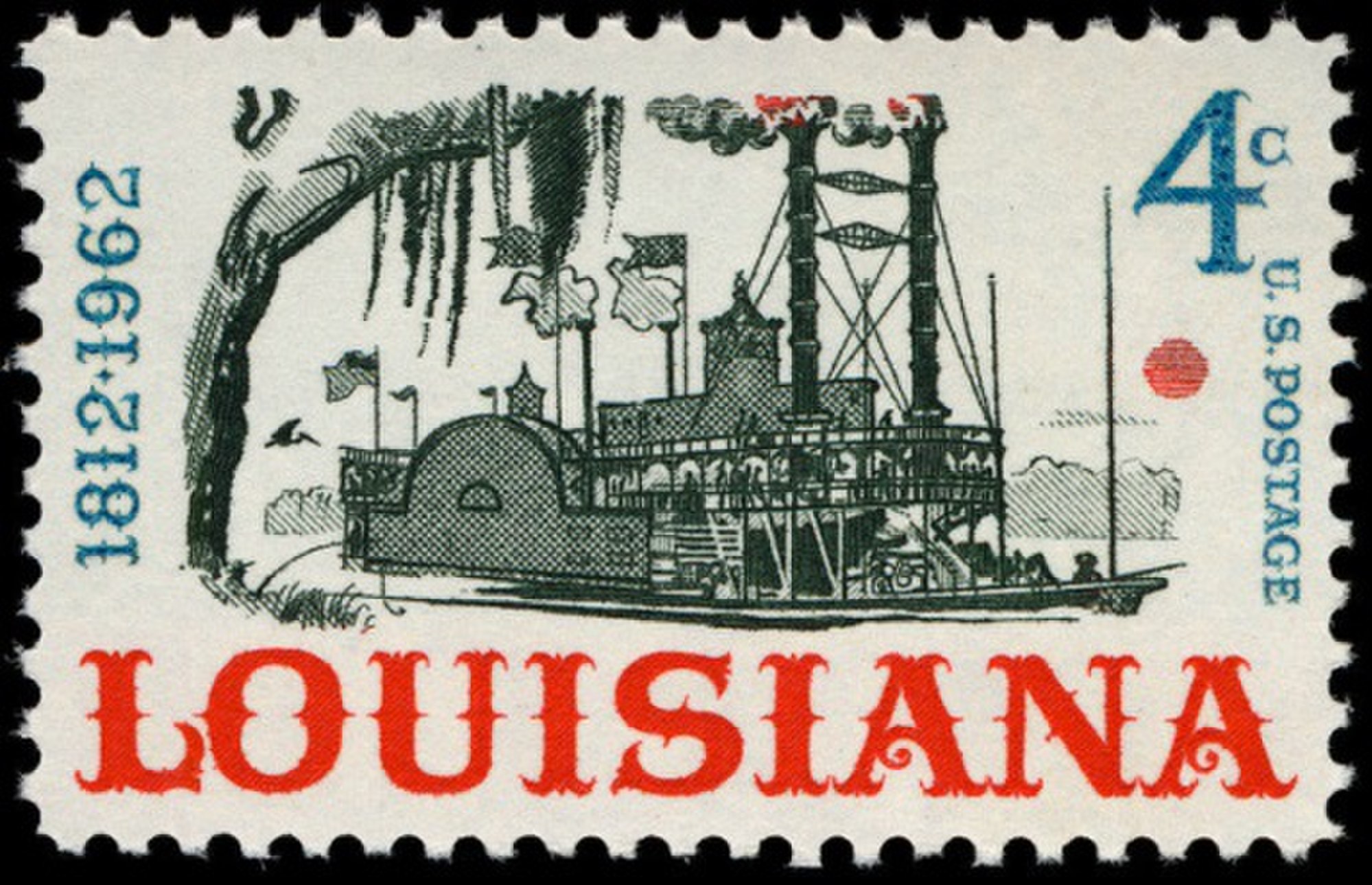
On April 30, 1812, Louisiana was admitted as the eighteenth state of the Union, exactly nine years after the signing of the Louisiana Purchase. This specific date was chosen by Congress to honor that historic treaty, which had opened the way for the nation’s expansion westward. The road to statehood had been a complex journey through diverse cultures and languages, but it finally transformed the Territory of Orleans into a permanent and vital part of the American home.
A U.S. stamp from April 30, 1962 commemorating the 150th Anniversary of Louisiana’s statehood.
Image via Wikimedia Commons, public domain
The World of Tomorrow
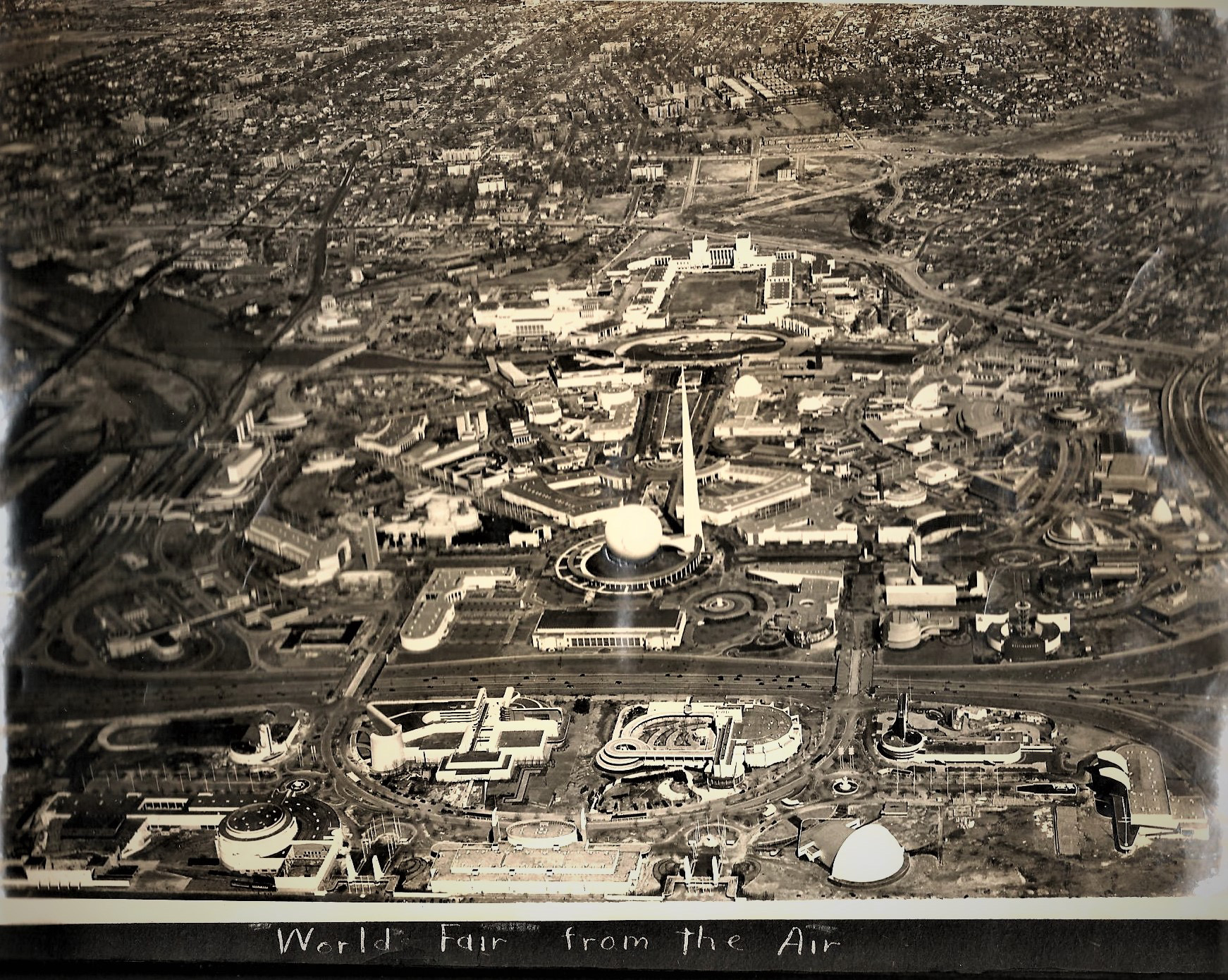
While the clouds of war were gathering in Europe, April 30, 1939, saw the opening of the New York World’s Fair in Flushing Meadows. It was a shimmering vision of the World of Tomorrow, where 44 million visitors could see the first glimpses of television and futuristic cities. For a brief moment, it gave a weary generation a reason to look toward the future with hope and imagination.
Image captioned “World’s Fair from the Air” from a private collection.
The Pure Joy of the Game
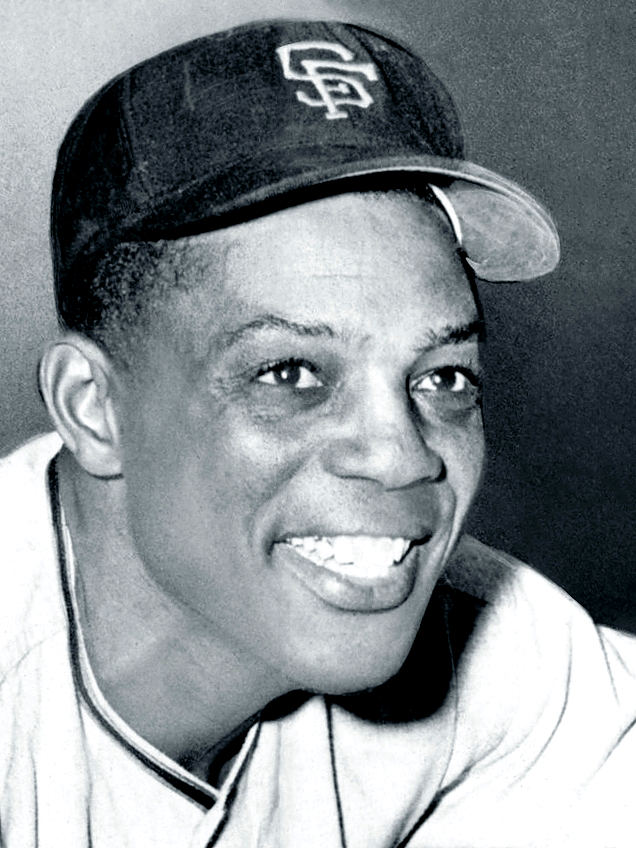
On April 30, 1961, Willie Mays reminded the world why baseball is called the Great American Pastime. In a single afternoon against the Milwaukee Braves, he hit four home runs, a feat of such rare and explosive talent that it left both teammates and rivals in awe. It was a day of pure excellence that cemented his place as one of the most vibrant spirits to ever play the game.
Image of Mays via Wikimedia Commons, public domain
The Iron Horse Steps Aside
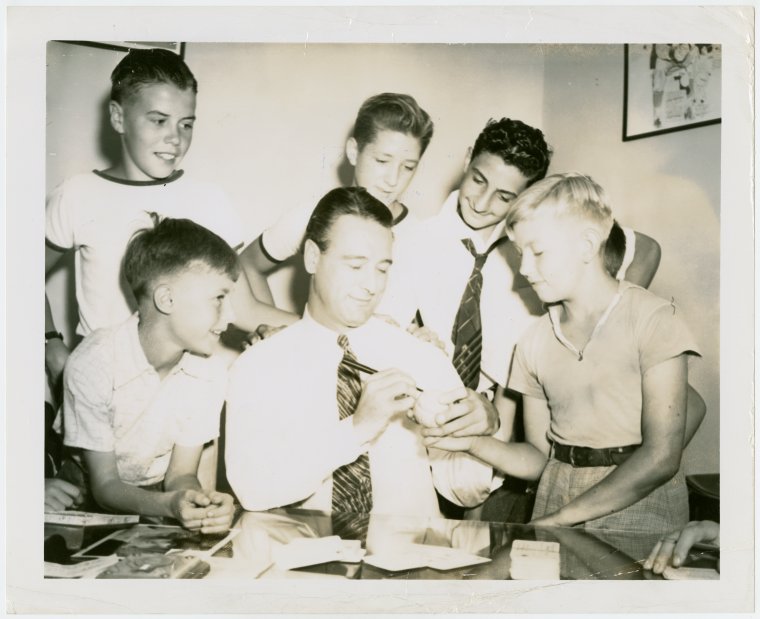
On April 30, 1939, the legendary Lou Gehrig played his final game as a New York Yankee. Though he was known as the Iron Horse, he could feel his strength fading from the disease that would soon bear his name. In a final act of quiet grace and selflessness, he stepped away from the lineup because he felt he could no longer help his team win. It remains one of the most humble and heartbreaking departures in the history of sports, proving that his character was even stronger than his record.
Image of Lou Gehrig signing a baseball with a group of boys via NYPL Digital Collections, no known restrictions
A Promise Kept
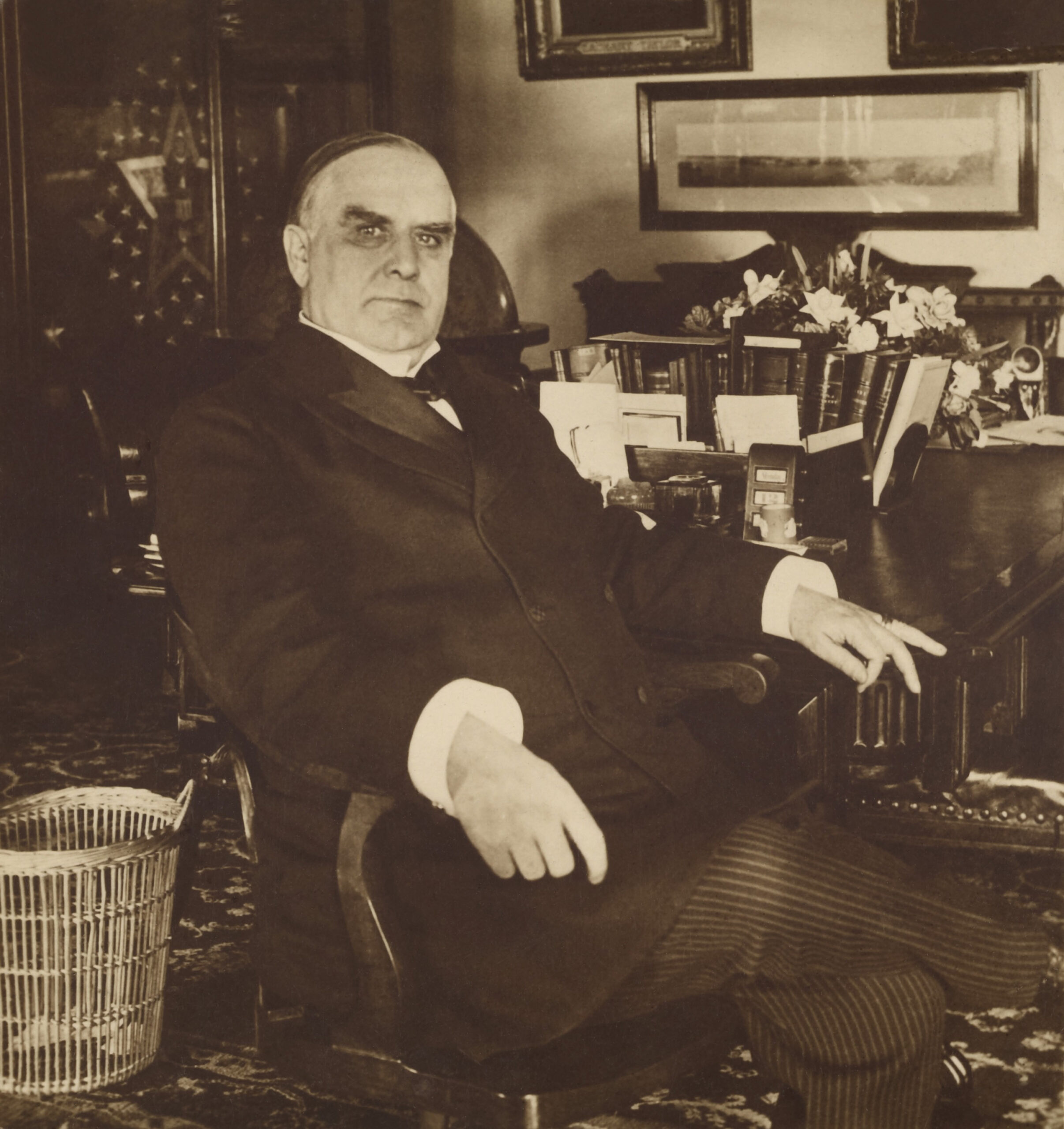
On April 30, 1900, President William McKinley signed the Hawaiian Organic Act, officially establishing the Territory of Hawaii. This moment began a long journey toward statehood, weaving the vibrant culture and islands of the Pacific into the fabric of the American story, a legacy that continues to shape the identity of the nation today.
Image of President McKinley via Shutterstock
Honoring a Builder
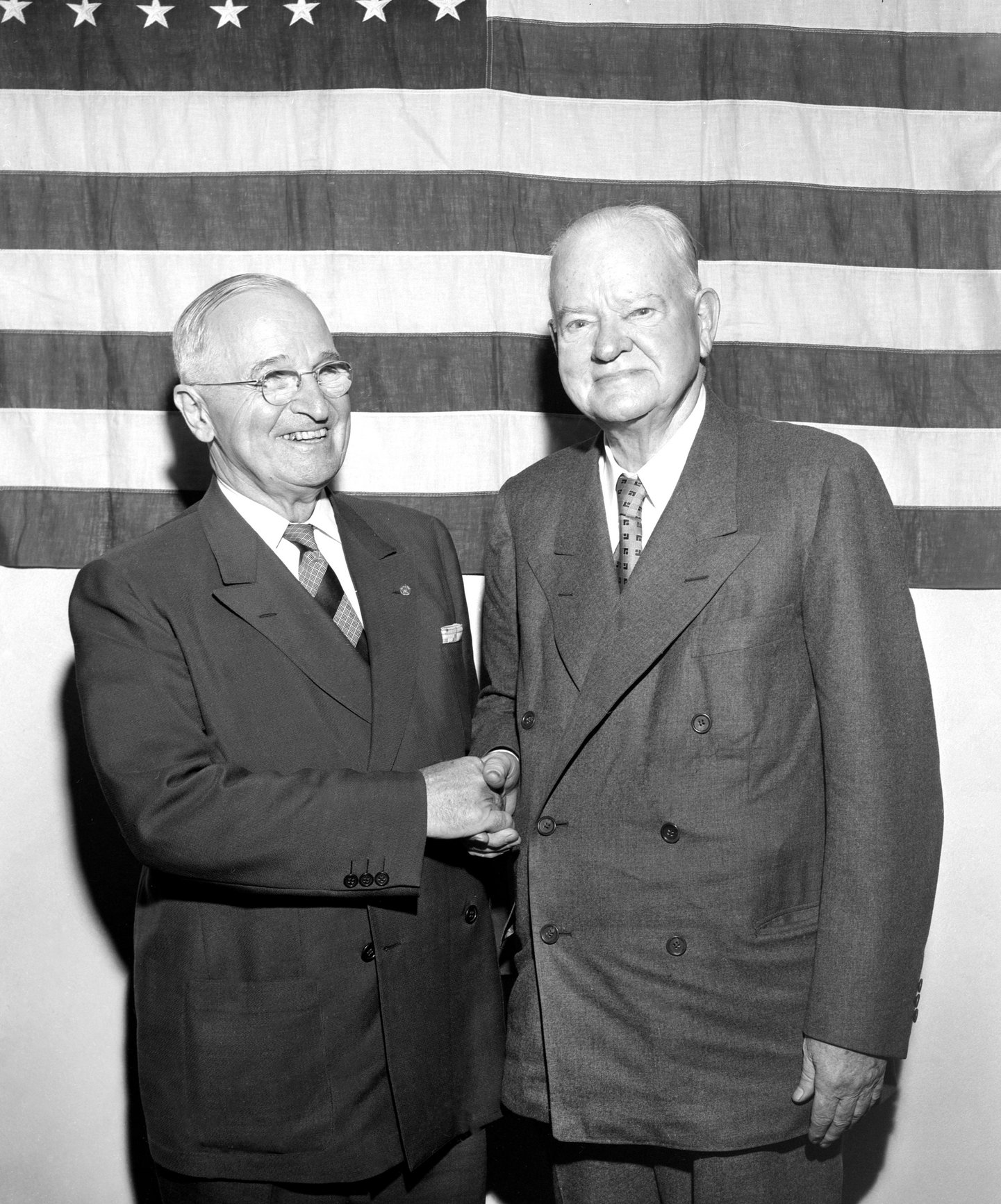
On April 30, 1947, President Harry Truman signed a resolution that restored a name millions already used in everyday speech: Hoover Dam. For more than a decade, the great concrete barrier on the Colorado River had officially been called Boulder Dam, a change made during the Roosevelt administration after bitter political clashes with Herbert Hoover.
Truman’s signature ended that chapter. It acknowledged the engineer‑turned‑president who had championed the project from its earliest planning stages and helped turn an audacious idea into a national landmark. With the stroke of a pen, the dam once again carried the name of the man who saw its potential long before it rose from the canyon walls.
Image of Ex-presidents Harry S. Truman, left, and Herbert Hoover shaking hands at the dedication of the Harry S. Truman Library in 1958 via Alamy

The Long Flight Home
April 30, 1975, marked the somber and stirring conclusion of a long chapter in history as the last Americans were evacuated from Vietnam during Operation Frequent Wind. As the final helicopters lifted off from Saigon, it signaled the end of a conflict that had touched millions of lives. It was a day of heavy hearts and deep relief, as a generation finally turned its face toward home and the long process of healing.
Image via Wikimedia Commons, public domain
The End of a Musical Era
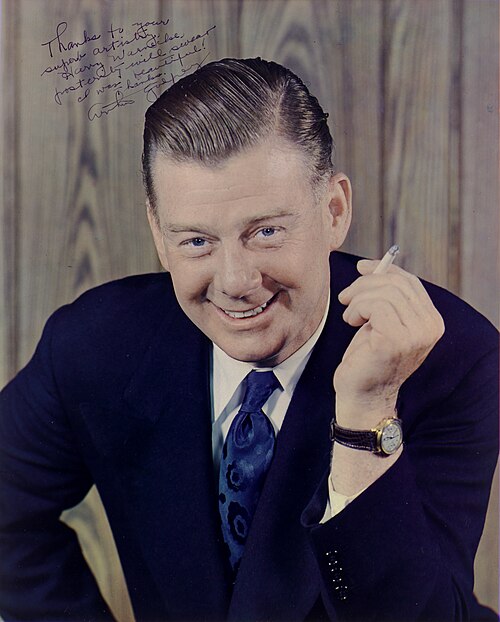
On April 30, 1972, the airwaves felt a little quieter as Arthur Godfrey Time came to an end after a remarkable twenty-seven-year run on the radio. For decades, Godfrey had been one of the most trusted voices in America, a comforting presence who spoke to his audience like a neighbor across a fence. His departure marked the sunset of a certain kind of intimate, personality-driven broadcasting that had defined the golden age of radio, leaving behind a legacy of storytelling and connection that paved the way for everything that followed.
A Spud’s First Spotlight
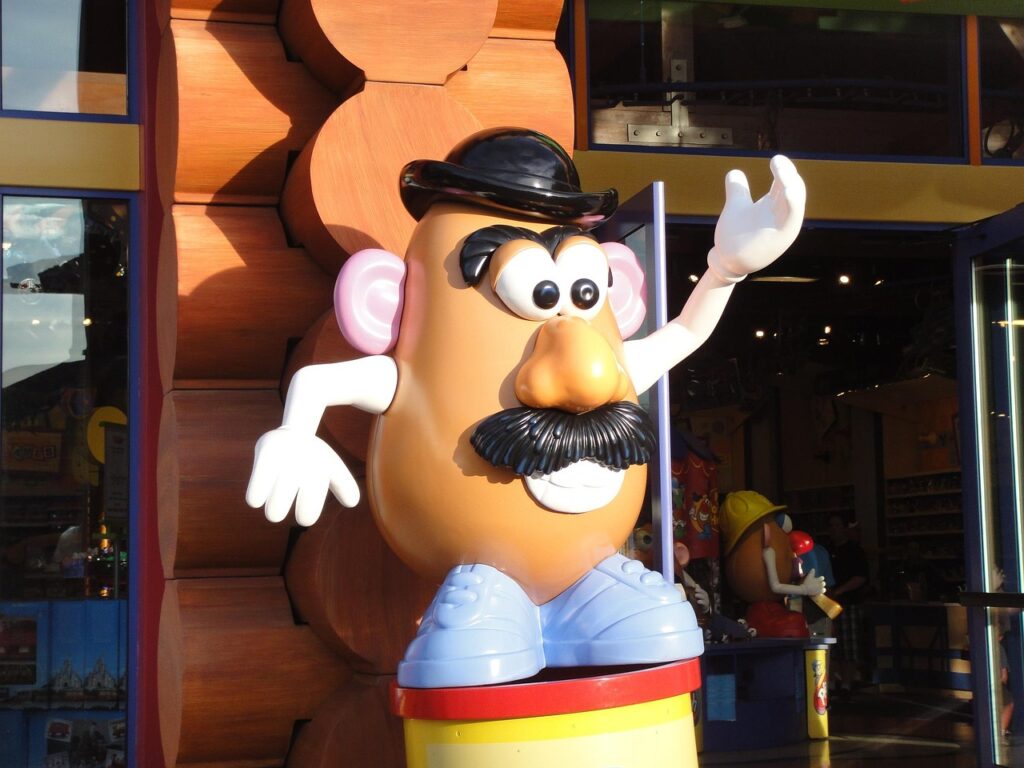
On April 30, 1952, a simple set of plastic facial features changed the face of American marketing forever.
Mr. Potato Head became the first toy ever advertised on television, ushering in a new age of childhood consumerism. The original kit didn’t even include the plastic body—just the stick-on eyes, ears, and hats to be used with a real potato from the kitchen. It was a playful, quirky moment that signaled the rising power of television in the American home, turning a humble vegetable into the nation’s most famous plaything.