
George Washington’s Honorary Degree (1776)
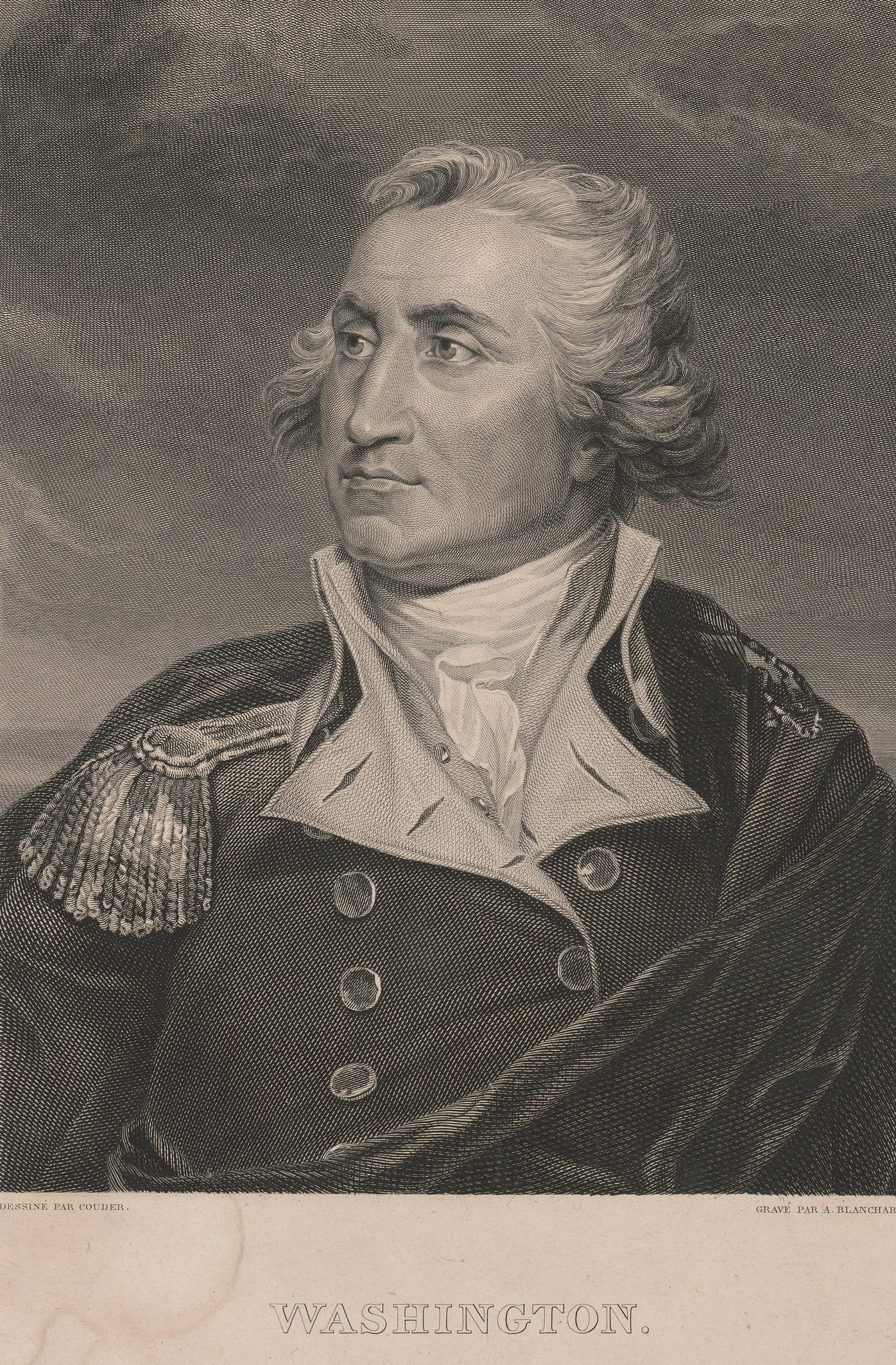
On April 3, 1776, the Harvard Corporation and Overseers took the extraordinary step of awarding George Washington an honorary Doctor of Laws degree—the first honorary degree ever granted by the university. Because the Continental Army was using Harvard’s Cambridge campus as a barracks during the Siege of Boston, the ceremony was held at the Watertown Meeting House. The diploma, drafted in Latin by Harvard President Samuel Langdon, praised Washington as a “virtuous and fortunate” leader. This set a lasting precedent, as Harvard went on to award honorary degrees to nearly every subsequent U.S. President.
Image via Wikimedia Commons, public domain
The Impeachment Trial of Andrew Johnson (1868)
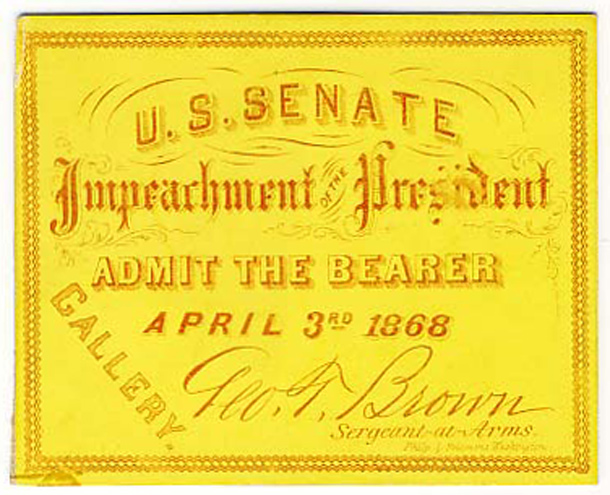
The Senate chamber was a scene of intense political drama on April 3, 1868, as the first impeachment trial of a U.S. President continued. The day was spent hearing arguments regarding Johnson’s alleged violation of the Tenure of Office Act. Public interest was so high that the Sergeant-at-Arms, George T. Brown, had to issue 1,000 color-coded gallery tickets daily to manage the crowds. Although the trial was a pivotal constitutional crisis, it ultimately concluded in May with Johnson’s acquittal by a single vote, preserving the independence of the executive branch.
Image via Wikimedia Commons, public domain
The Launch of TV Guide (1953)
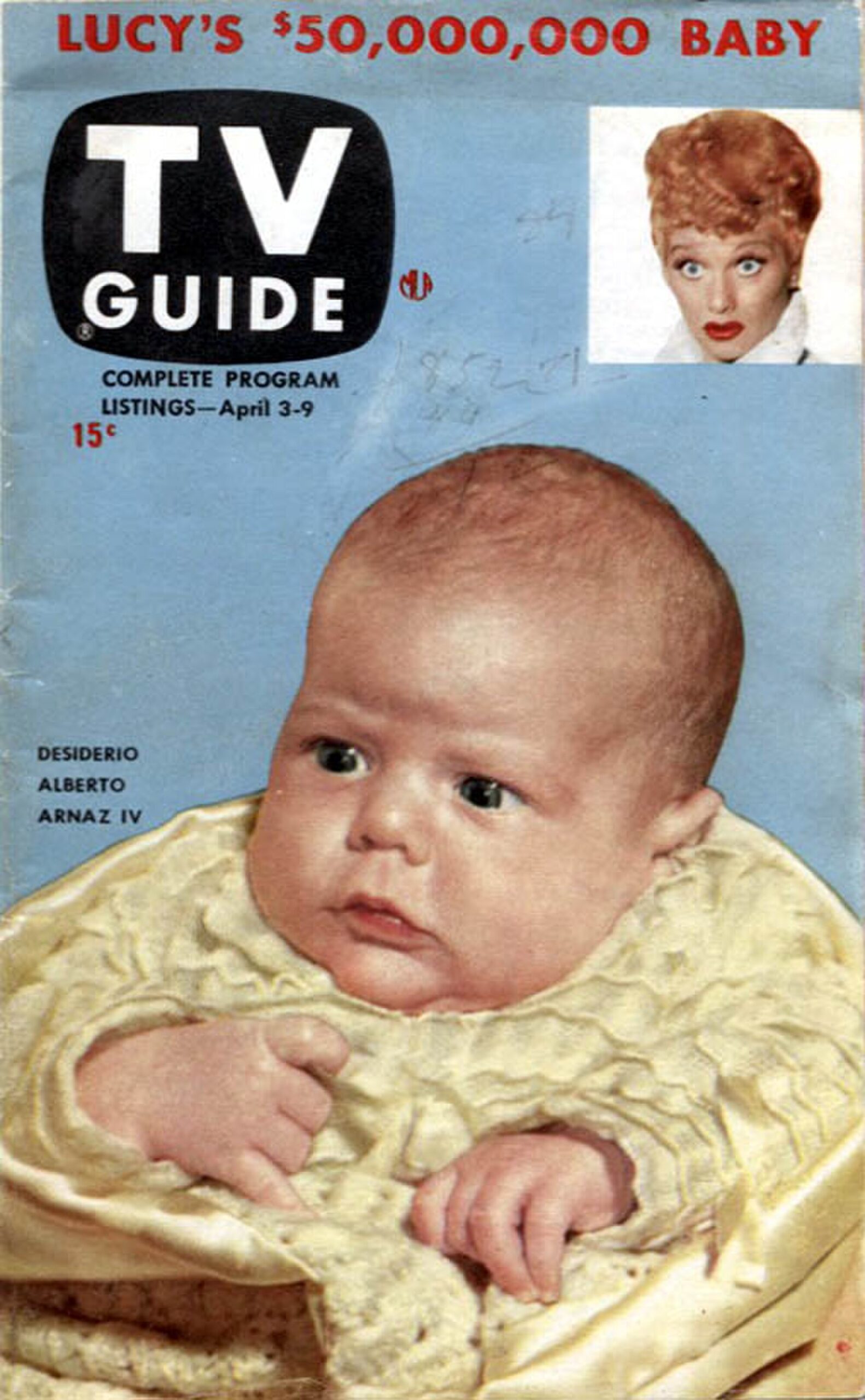
Television history was made on April 3, 1953, with the release of the first national issue of TV Guide. The cover famously featured Lucille Ball’s newborn son, Desi Arnaz Jr., with a headline declaring him the “50 Million Dollar Baby.” Initially launching in only 10 U.S. cities with a circulation of 1.5 million, the magazine’s iconic “digest” size became a staple in American living rooms for over half a century. It served as the primary roadmap for the Golden Age of Television, eventually becoming one of the most widely read publications in the world.
Image via Wikimedia Commons, public domain
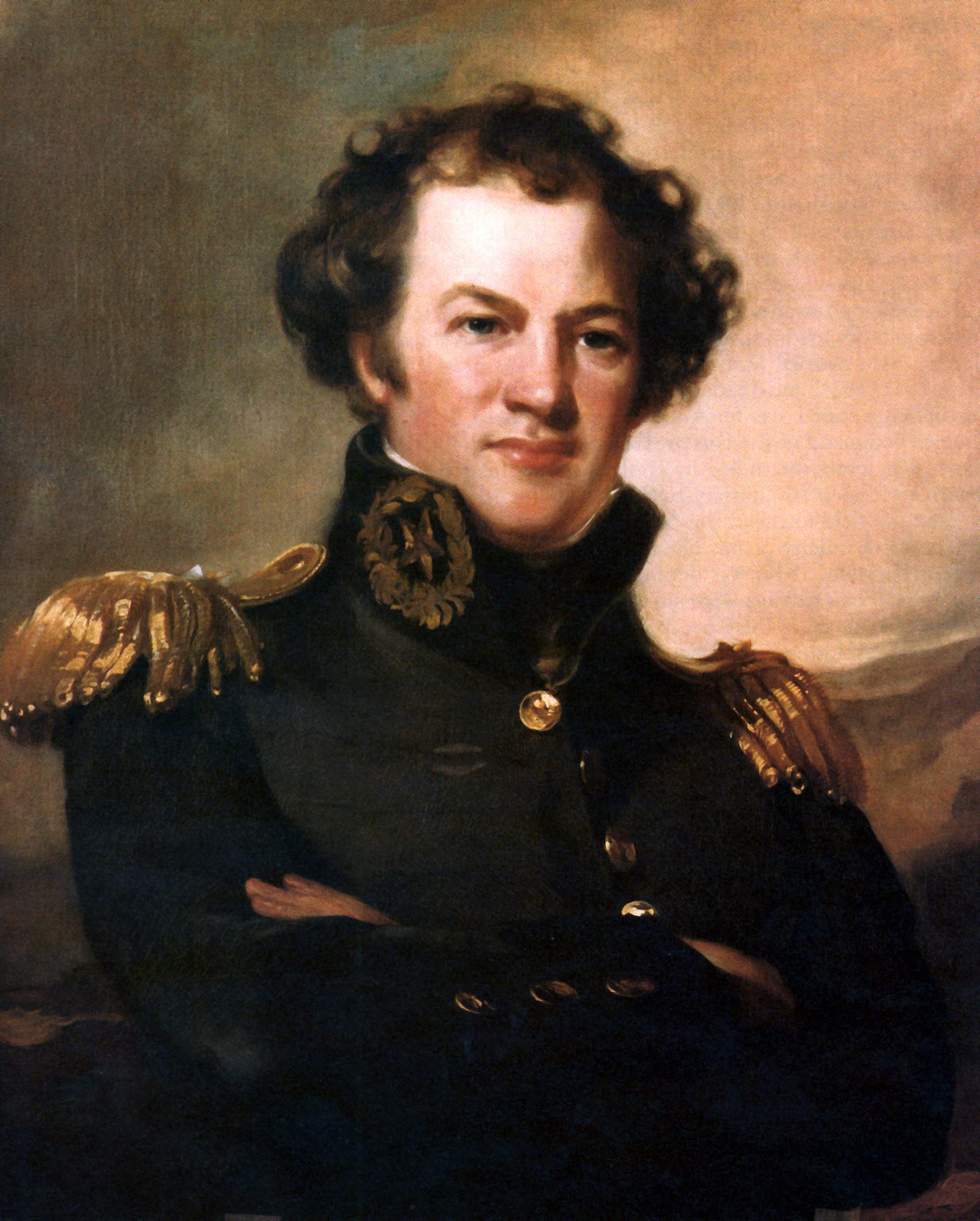
Alexander Macomb (1782)
Alexander Macomb, widely celebrated as the “Hero of Plattsburgh,” was born on April 3, 1782, in Detroit, Michigan. One of the first graduates of the newly established U.S. Military Academy at West Point, Macomb gained national fame during the War of 1812. In the 1814 Battle of Plattsburgh, he commanded a vastly outnumbered American force of 1,500 against a British invasion of nearly 11,000 troops. To bridge the gap in manpower, Macomb and his men famously used psychological warfare, creating false roads and misleading trail markers that lured the British forces away from American fortifications and into confusing terrain. His strategic brilliance earned him a Congressional Gold Medal and eventually led to his appointment as Commanding General of the United States Army in 1828, a position he held until his death.
Image via Wikimedia Commons, public domain
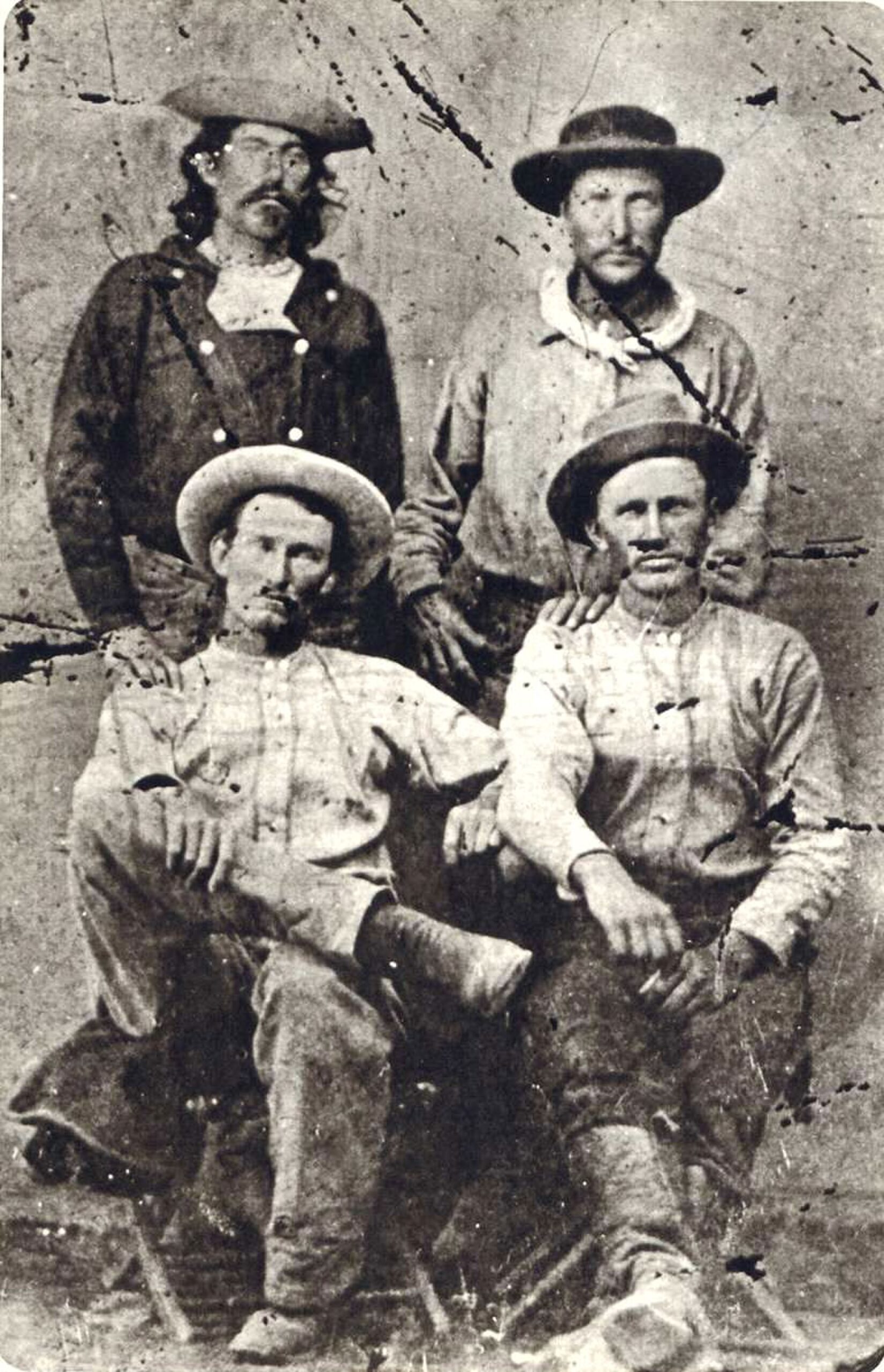
The Inaugural Run of the Pony Express (1860)
On April 3, 1860, the Pony Express officially launched its ambitious mail service, with riders departing simultaneously from St. Joseph, Missouri, and Sacramento, California. While Billy Richardson is often cited in lore, historian research suggests Johnny Fry was the first rider to gallop out of St. Joseph on a horse named Sylph. Carrying mail across 1,900 miles of rugged terrain in just 10 days, the service aimed to “annihilate distance” between the East and West. Though it only operated for 18 months before the telegraph rendered it obsolete, it remains one of the most romanticized chapters of the American Frontier
Image by Earnest and Elaine Hartnagle via Wikimedia Commons, public domain in the US.
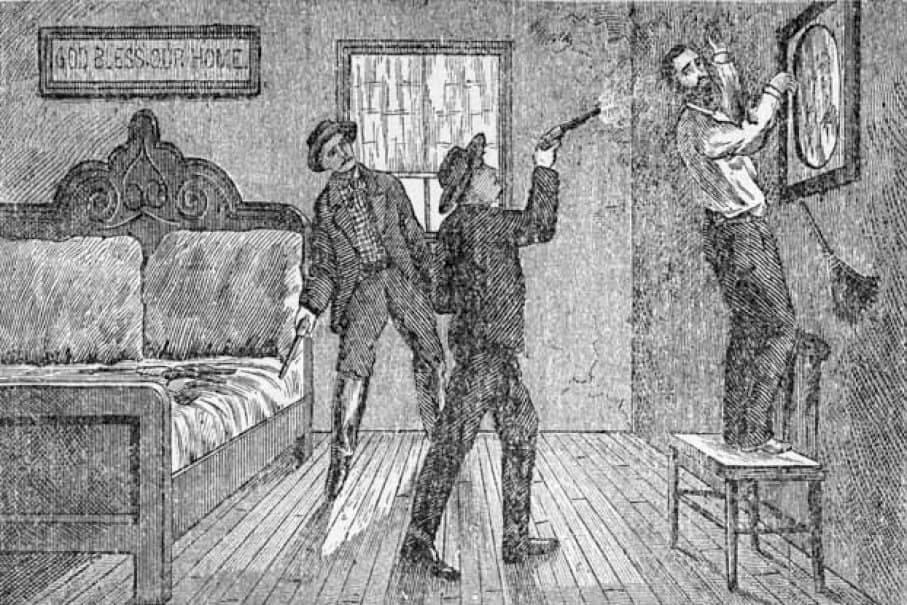
The Death of Jesse James (1882)
In a strange historical coincidence, the outlaw Jesse James was shot and killed on April 3, 1882—exactly 22 years to the day after the Pony Express began in the same town of St. Joseph, Missouri. James was shot in the back of the head by Robert Ford, a member of his own gang who was lured by a $10,000 bounty offered by the Governor. Ford used a Smith & Wesson revolver that Jesse had ironically given him as a gift. Following the shooting, the Ford brothers were briefly sentenced to death before being pardoned, while Jesse’s home quickly became a grim tourist attraction.
Image via Wikimedia Commons, public domain

The Saugatuck and Hudsonville Tornadoes (1956)
April 3, 1956, remains one of the darkest days in Michigan’s weather history due to a violent tornado outbreak. An F4 tornado tore through Saugatuck, completely destroying its historic 1859 lighthouse and leveling homes before dissipating. However, the destruction didn’t end there; later that evening, a massive F5 tornado—the strongest rating possible—struck Hudsonville and Standale. This disaster claimed 17 lives and remains one of only two F5 tornadoes ever recorded in Michigan, leading to significant advancements in how the state monitors severe spring weather.
Image via Wikimedia Commons, public domain
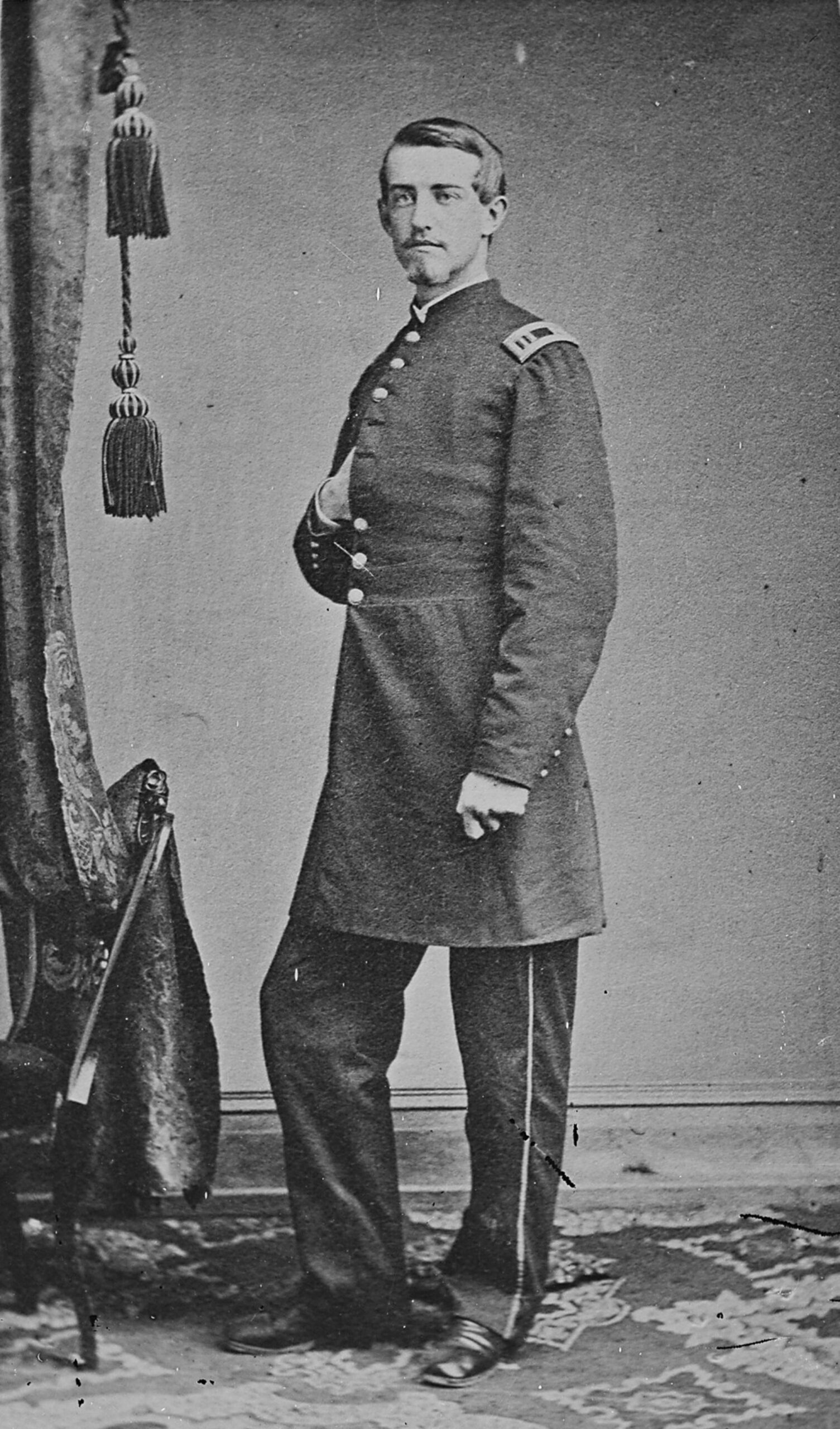
The Life and Death of Ulric Dahlgren (1842)
Born on April 3, 1842, Ulric Dahlgren was a Union officer whose short life was defined by extreme bravery and lingering controversy. After losing a leg following the Battle of Gettysburg, he returned to the front lines with a prosthetic. He was killed on March 2, 1864, during a failed raid on Richmond. The discovery of the “Dahlgren Papers” on his body, which allegedly outlined a plan to assassinate Confederate President Jefferson Davis, sparked a massive propaganda war. His father, Rear Admiral John Dahlgren, later wrote a 500-page memoir to defend his son’s honor and preserve his military legacy.
Photo: Union Colonel Ulric Dahlgren via Wikimedia Commons
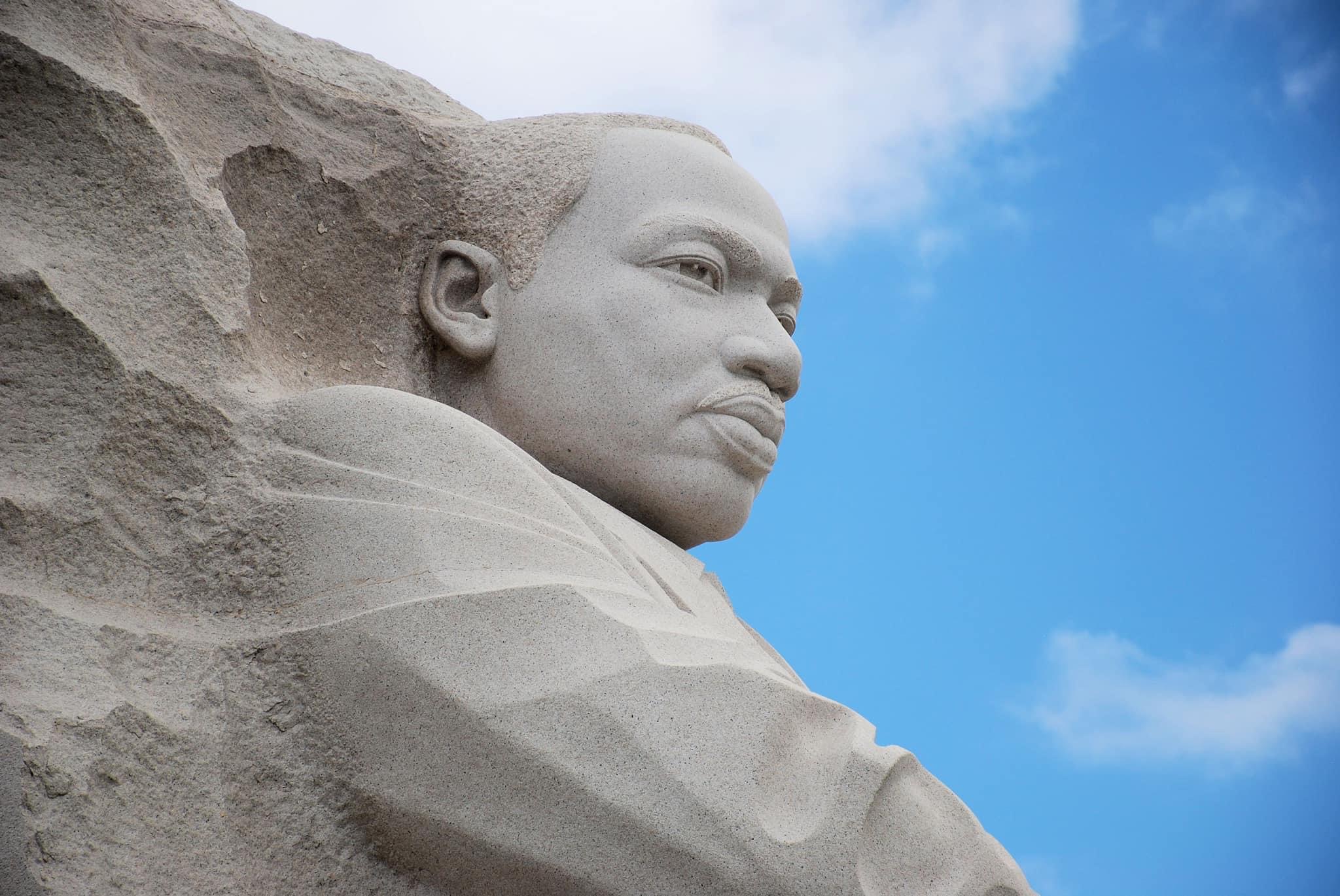
MLK’s “Mountaintop” Speech (1968)
On a stormy night in Memphis on April 3, 1968, Dr. Martin Luther King, Jr. delivered his final and perhaps most prophetic address, “I’ve Been to the Mountaintop.” Speaking to a crowded Mason Temple while thunder rolled outside, King seemed to acknowledge his own mortality, famously stating that while he might not get to the “Promised Land” with his followers, he was no longer afraid of any man. He was assassinated less than 24 hours later, making the speech a haunting cornerstone of the Civil Rights Movement.
Image of the MLK Memorial in Washington, D.C. via Shutterstock
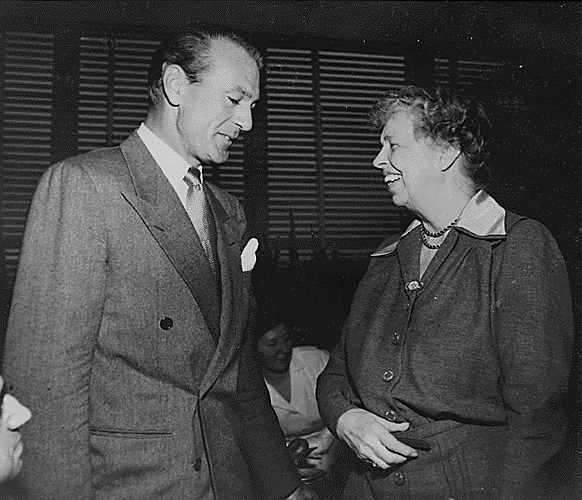
Eleanor Roosevelt and Gary Cooper (1950)
On April 3, 1950, former First Lady Eleanor Roosevelt met with Hollywood legend Gary Cooper at Lake Success, New York, which served as the temporary headquarters of the United Nations. Mrs. Roosevelt was chairing the UN Commission on Human Rights at the time, and Cooper visited to observe the proceedings and discuss international relations. This meeting highlighted the intersection of celebrity influence and global diplomacy during the early Cold War era, as Roosevelt worked to solidify the Universal Declaration of Human Rights.
via Wikimedia Commons, public domain
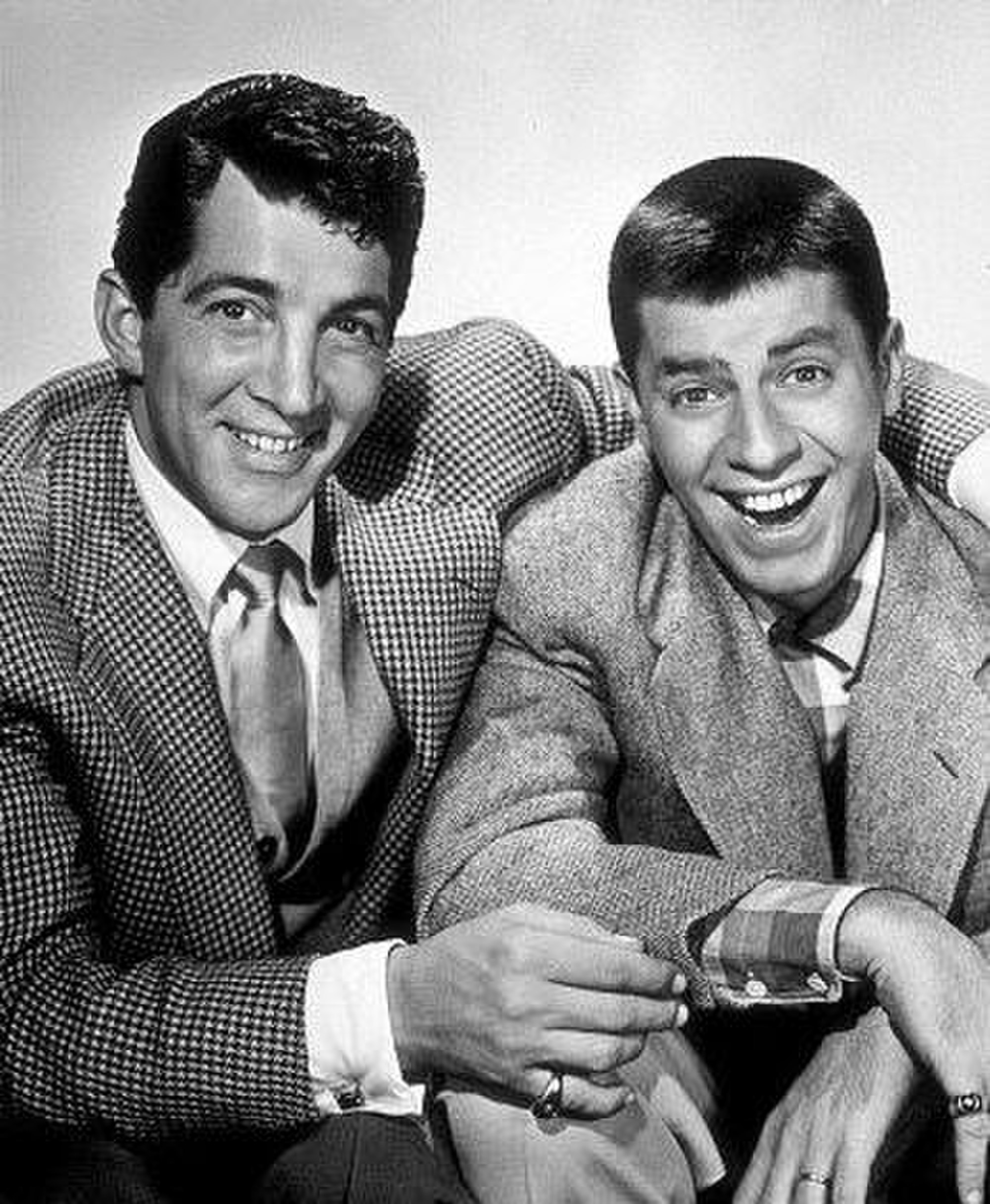
The Premiere of the Martin & Lewis Show (1949)
The comedy landscape shifted on April 3, 1949, when The Martin & Lewis Show premiered on NBC Radio. This launch brought the high-energy “straight man and monkey” chemistry of Dean Martin and Jerry Lewis to a national audience, catapulting them from nightclub sensations to household names. Their radio success paved the way for a string of hit movies and television specials, defining the “buddy comedy” genre for the 1950s before their famous and acrimonious split in 1956.
Image: Studio publicity photo of Jerry Lewis and Dean Martin in 1950 via Wikimedia Commons, public domain
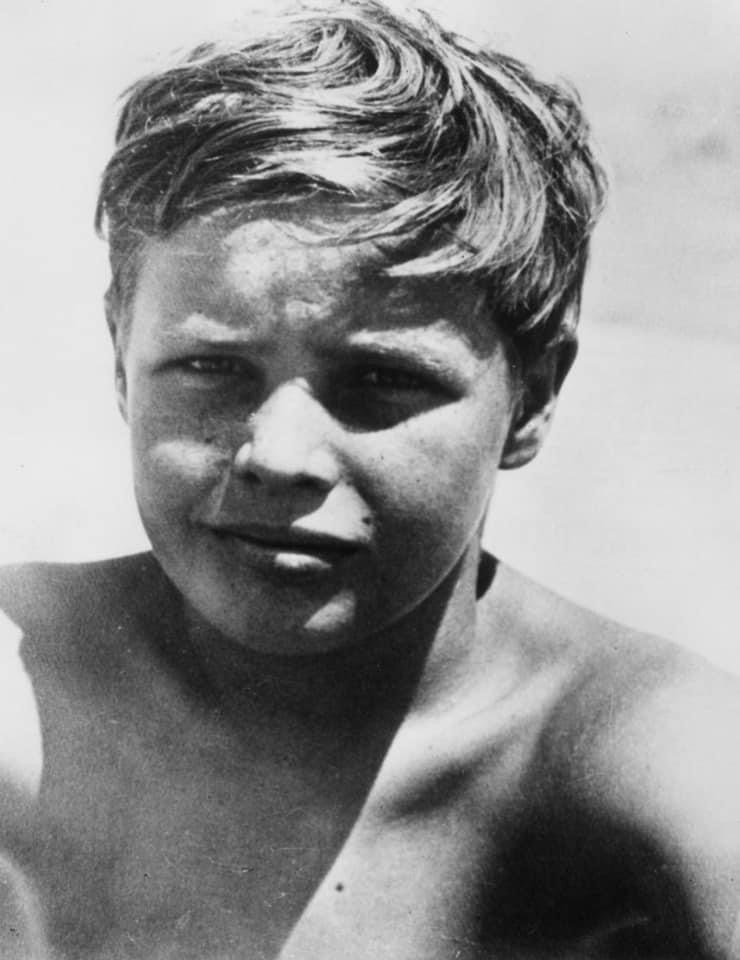
American actor Marlon Brando was born on April 3, 1924 in Omaha, Nebraska.
A pioneer of “The Method,” he revolutionized Hollywood acting with his raw, naturalistic style. For his legendary performance in the 1954 film On the Waterfront, Brando won both the Academy Award for Best Actor and a Golden Globe. His career spanned decades of cinematic milestones, including his iconic role as Vito Corleone in The Godfather, and he remains one of the most influential figures in the history of 20th-century film.
Image of Marlon Brando about 10 years old c. 1934
via Wikimedia Commons, public domain
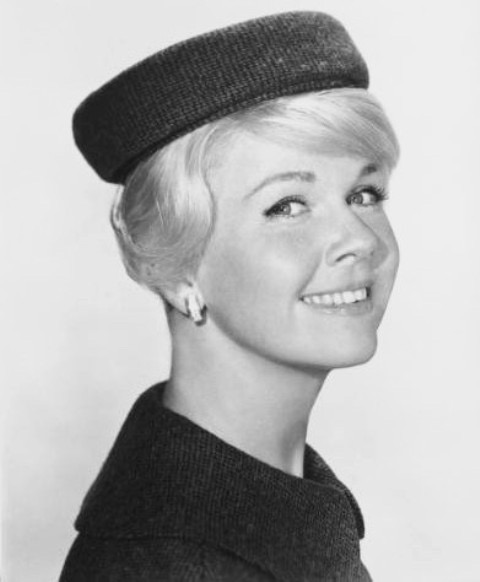
Doris Mary Kappelhoff, known professionally as Doris Day, was born on April 3, 1922, in Cincinnati, Ohio. Though she originally trained as a dancer, a severe car accident in her teens shifted her focus to singing, leading to her first major hit, “Sentimental Journey,” in 1945. She became a massive star in the 1950s and ‘60s, beloved for her roles in romantic comedies and her wholesome “girl next door” image. In a surprising turn of events later in life, a copy of her birth certificate discovered in 2017 revealed she was actually born in 1922, making her two years older than she had previously believed.
Image via Wikimedia Commons, no known copyright, public domain in the US.
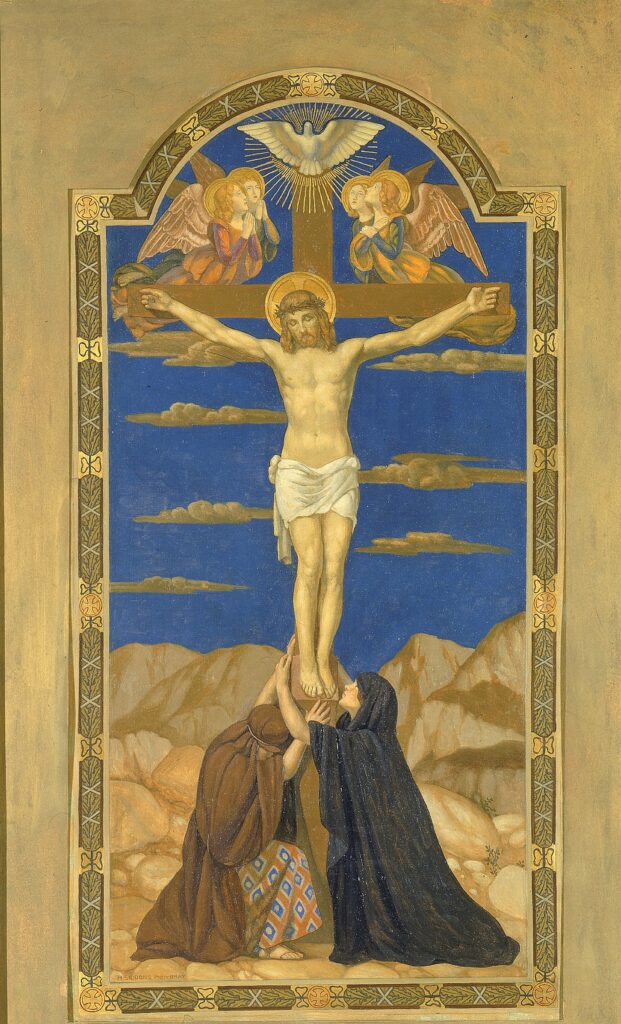
The Crucifixion of Jesus Christ (c. A.D. 33)
While the exact year of the Crucifixion remains a subject of scholarly debate, many historians and astronomers identify Friday, April 3, A.D. 33, as one of the most historically plausible dates. This Friday falls within the governorship of Pontius Pilate (A.D. 26–36) and aligns with the Passover timing described in the Gospel accounts.
Modern astronomical reconstructions—including data published by NASA—confirm that a partial lunar eclipse occurred over Jerusalem that evening, a detail some associate with the biblical imagery of the “moon turning to blood.” Although no surviving Roman record specifies the exact calendar date of the Crucifixion, the convergence of the lunar cycle, the Judean festival calendar, and the Gospel chronology makes April 3rd a leading candidate for the historical Good Friday.
In a notable calendar coincidence, Good Friday in 2026 once again falls on April 3rd, echoing this widely cited date.
Painting: Crucifixion by American artist Harry Siddons Mowbray c. 1915-1925
