
The Suspension of Civil Liberty
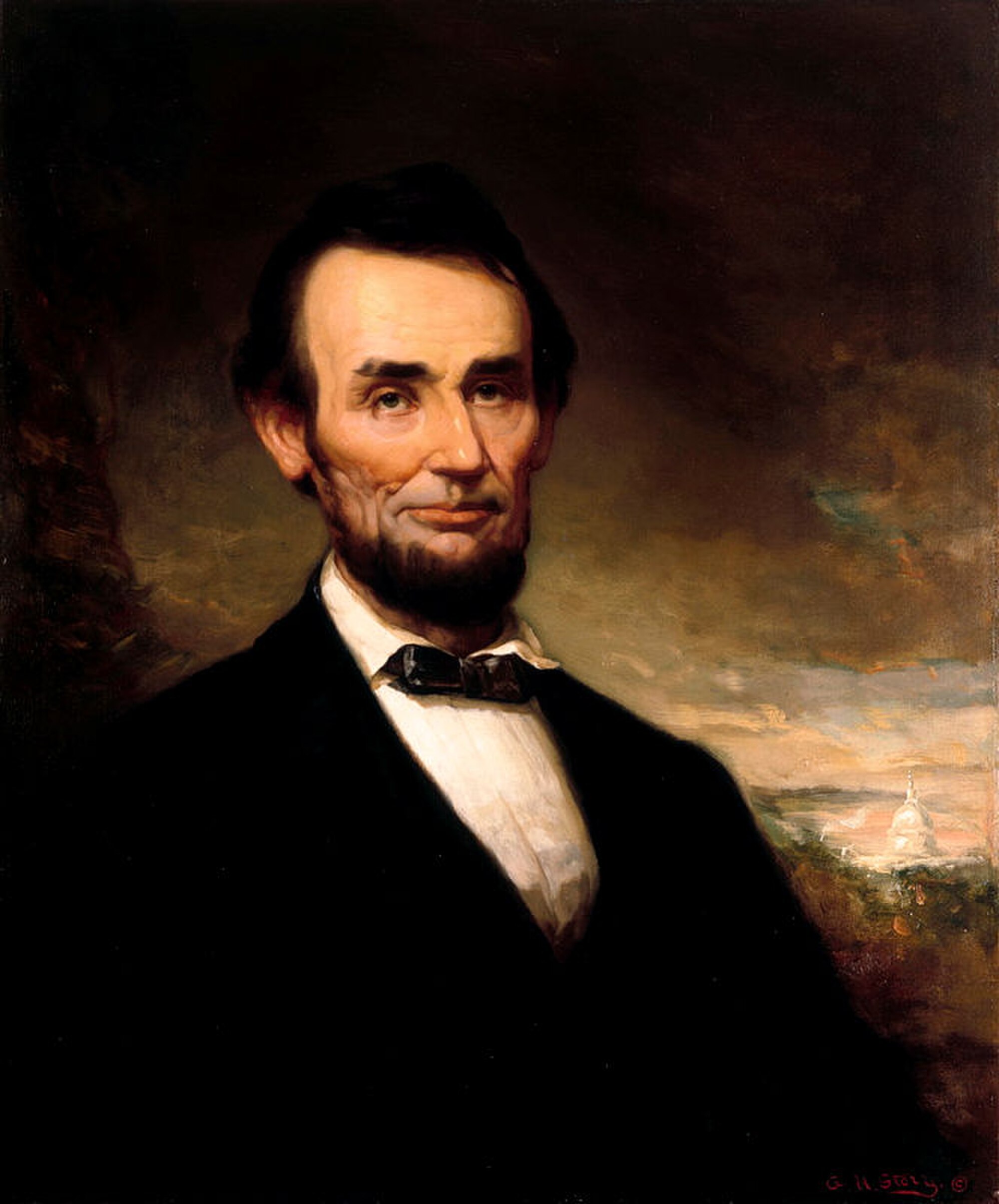
On April 27, 1861, President Abraham Lincoln suspended the writ of habeas corpus, a legal safeguard ensuring individuals cannot be detained without proper justification. This bold action, first in 1861 and again in 1862, allowed Union authorities to imprison people without charges or the opportunity to contest their detention in court. Lincoln argued that the measure was essential to address rebellion, espionage, and dissent during the national crisis. This decision sparked a constitutional showdown with Chief Justice Roger B. Taney, who ruled that only Congress had this power. Lincoln famously ignored the ruling, questioning if he should let the entire government “go to pieces” just to uphold one single law.
Image: Abraham Lincoln by George Henry Story via Wikimedia Commons, public domain
The Birth of “US” Grant
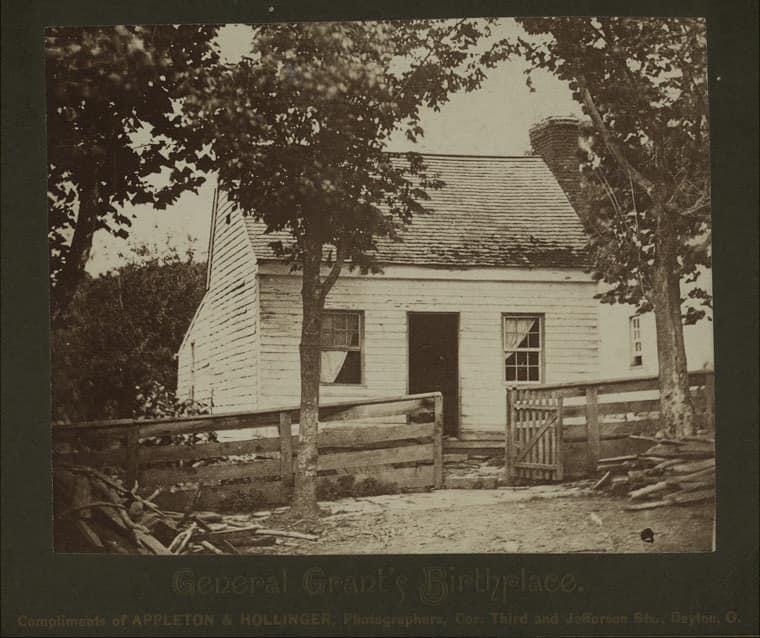
Ulysses S. Grant, the 18th President of the United States and Commanding General of the U.S. Army, was born on April 27, 1822, in Point Pleasant, Ohio. Interestingly, he was actually born Hiram Ulysses Grant; he only became “U.S. Grant” after a clerical error was made on his West Point application. He liked the new initials because they stood for “United States” or “Uncle Sam.” He famously declared in 1863: “God gave us Lincoln and Liberty, let us fight for both.”
Image: Ulysses S. Grant birthplace via NYPL Digital Collections, no known restrictions
Tragedy on the Mississippi
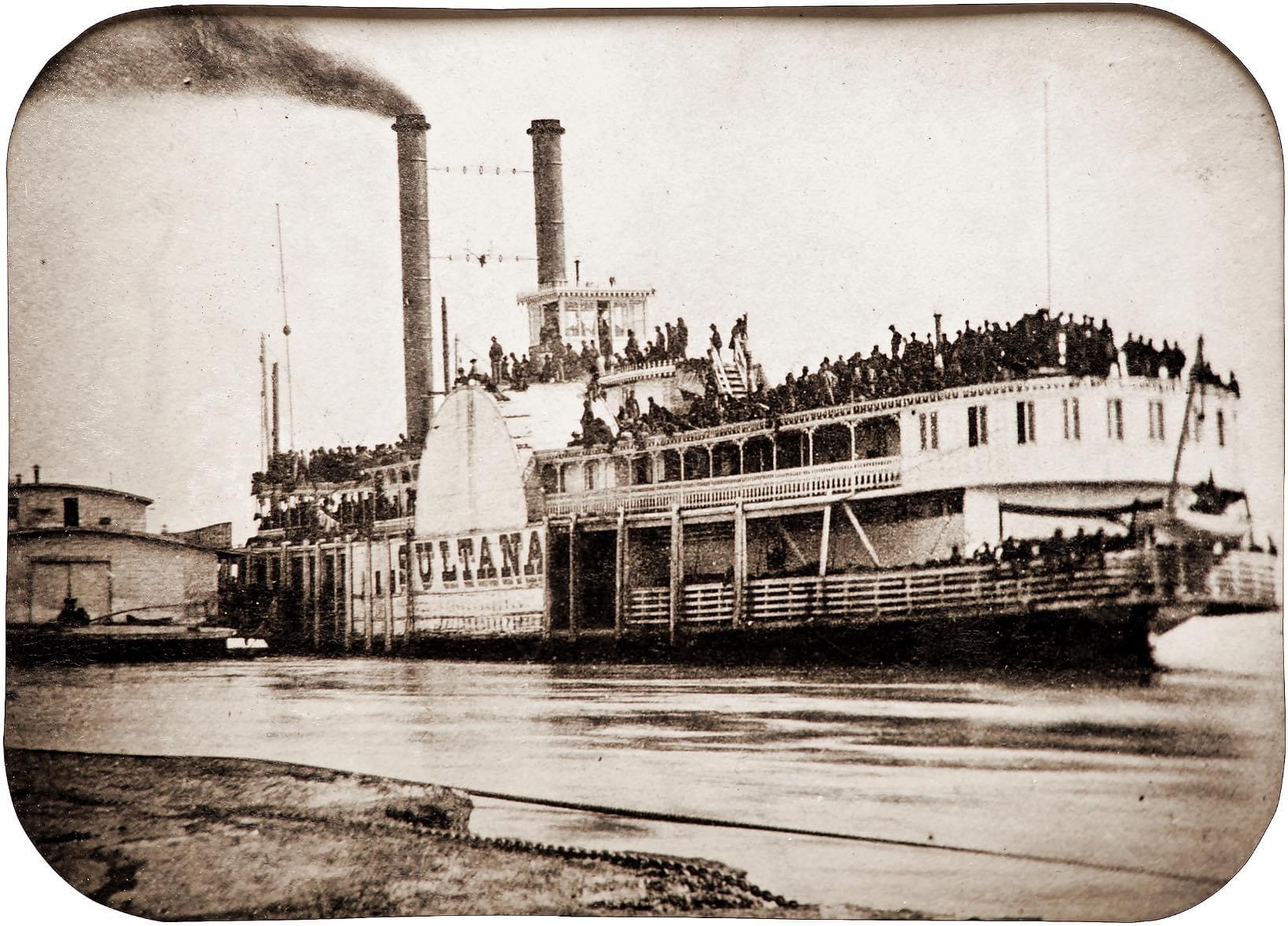
A portrait of the steamer Sultana packed with thousands of paroled Union soldiers a day before she exploded on the Mississippi River on April 27, 1865. The disaster killed nearly 1,200 passengers, though some reports suggest as many as 1,700. Despite being the deadliest maritime disaster in U.S. history, the tragedy was largely overshadowed in the press by the end of the Civil War and the recent assassination of Abraham Lincoln.
Image via Wikimedia Commons, public domain
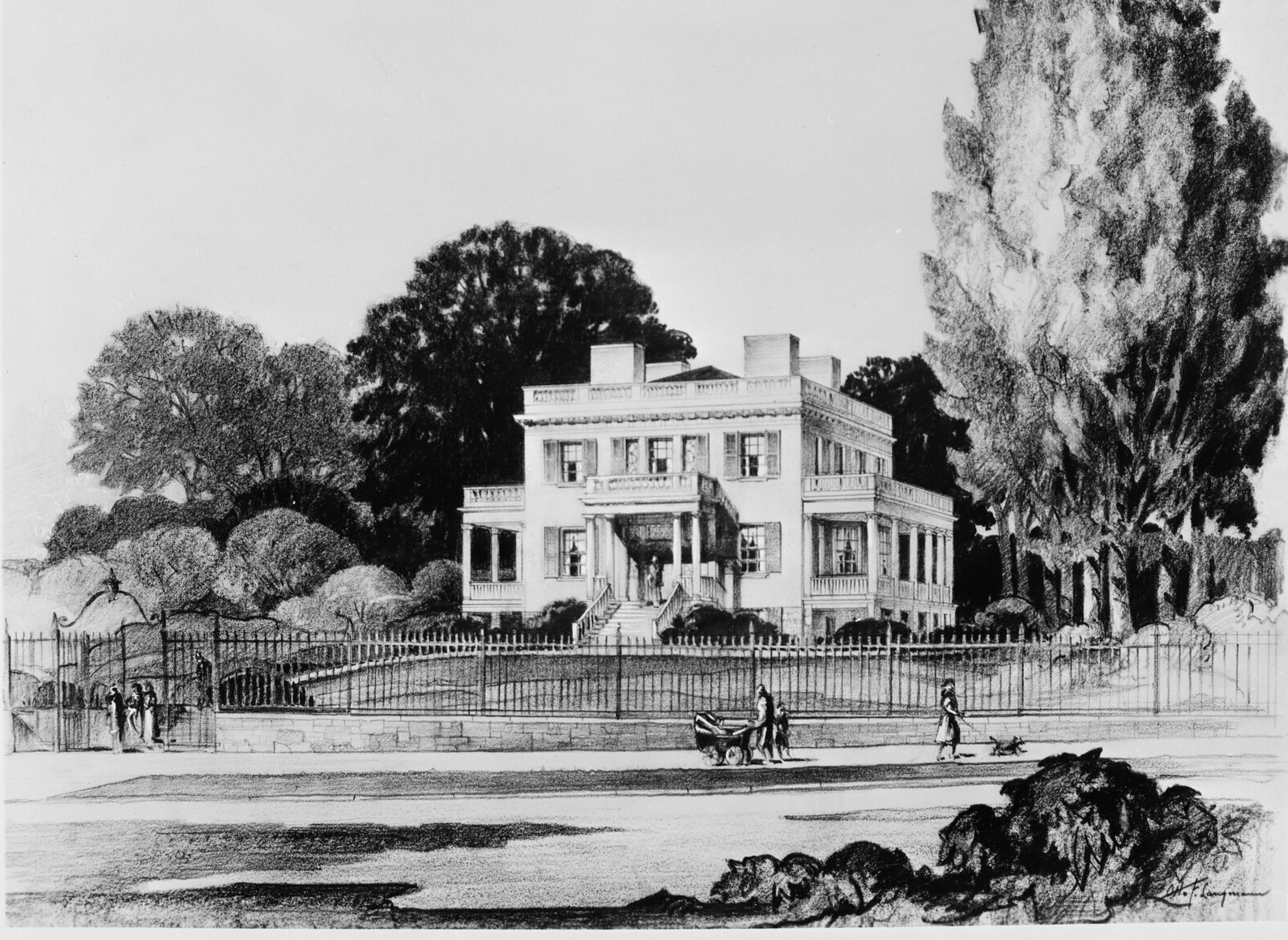
Alexander Hamilton’s Relocated Legacy
On April 27, 1962, Hamilton Grange, the home of Alexander Hamilton, was designated a National Memorial. This designation aimed to preserve the home of one of America’s Founding Fathers and honor his enduring legacy. Originally built in 1802, the house has been physically moved twice to save it from city development. During its most recent move in 2008, the entire structure had to be lifted 30 feet in the air to clear the porch of a neighboring church before being rolled to its current spot in St. Nicholas Park.
Image via Wikimedia Commons, public domain
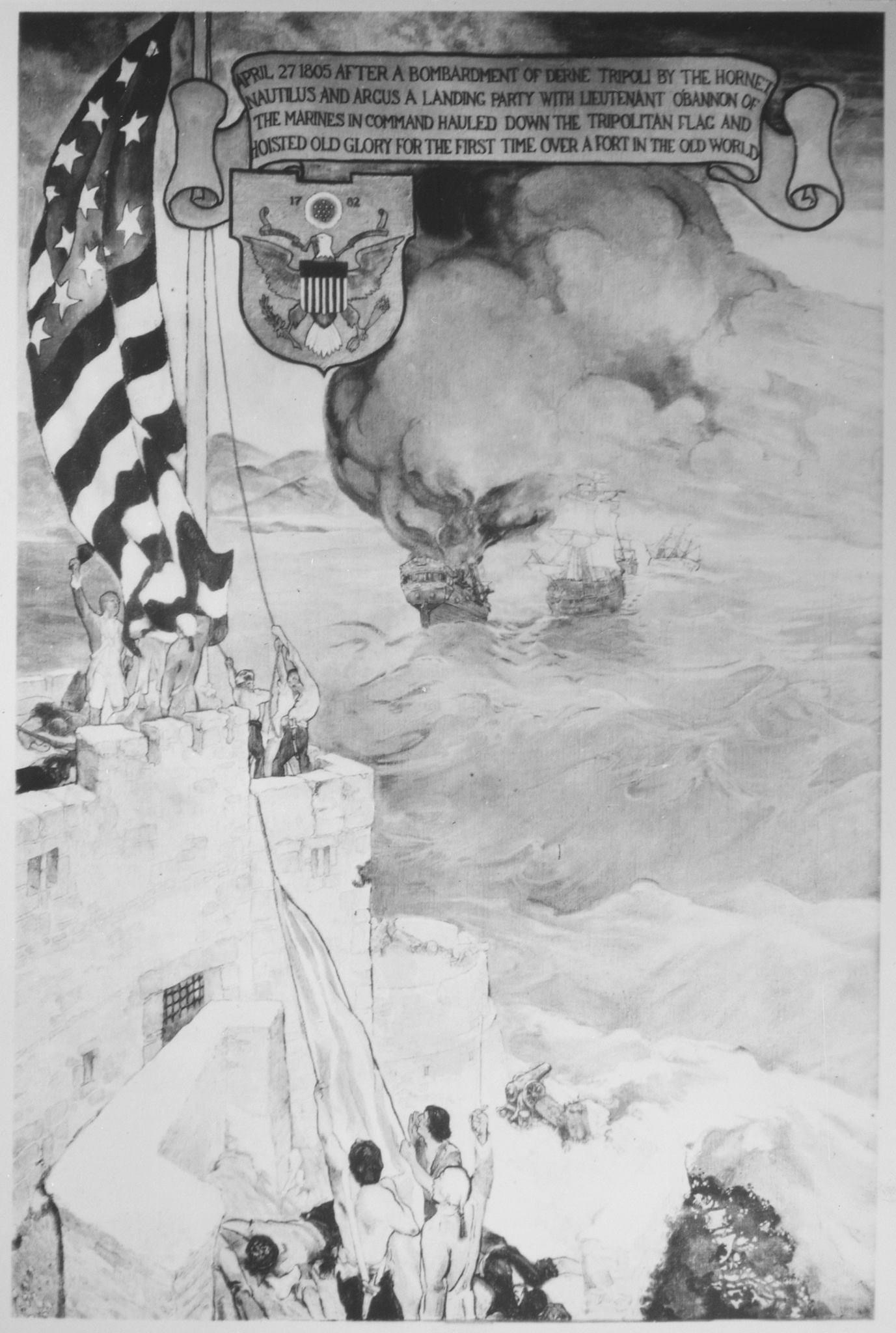
To the Shores of Tripoli
On April 27, 1805, during a bombardment of Tripoli, a landing party led by Lieutenant O’Bannon of the Marines hauled down the Tripolitan flag and hoisted Old Glory over a fort in the Old World for the first time. This victory at the Battle of Derna inspired the “shores of Tripoli” lyric in the Marines’ Hymn. It was also during this era that Marines earned the nickname “Leathernecks” due to the high leather collars they wore to protect their necks from saber slashes.
Photo: By Unknown or not provided (U.S. National Archives and Records Administration) [Public domain], via Wikimedia Commons
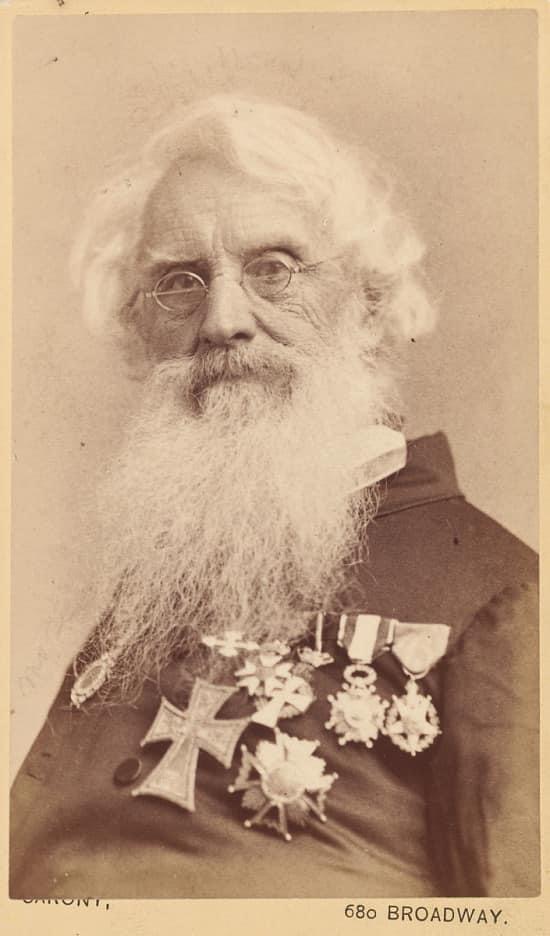
The Artist Behind the Code
American artist and inventor Samuel Morse was born on April 27, 1791, in Charlestown, Massachusetts. Before revolutionizing communication, Morse was a successful portrait artist who painted famous figures including John Adams and the Marquis de Lafayette. His obsession with inventing the telegraph began after he received a letter about his wife’s illness days too late; by the time he arrived home, she had already been buried, driving him to find a faster way to send news.
Image c. 1870 via National Portrait Gallery, Smithsonian Institution; gift of Larry J. West, no known restrictions
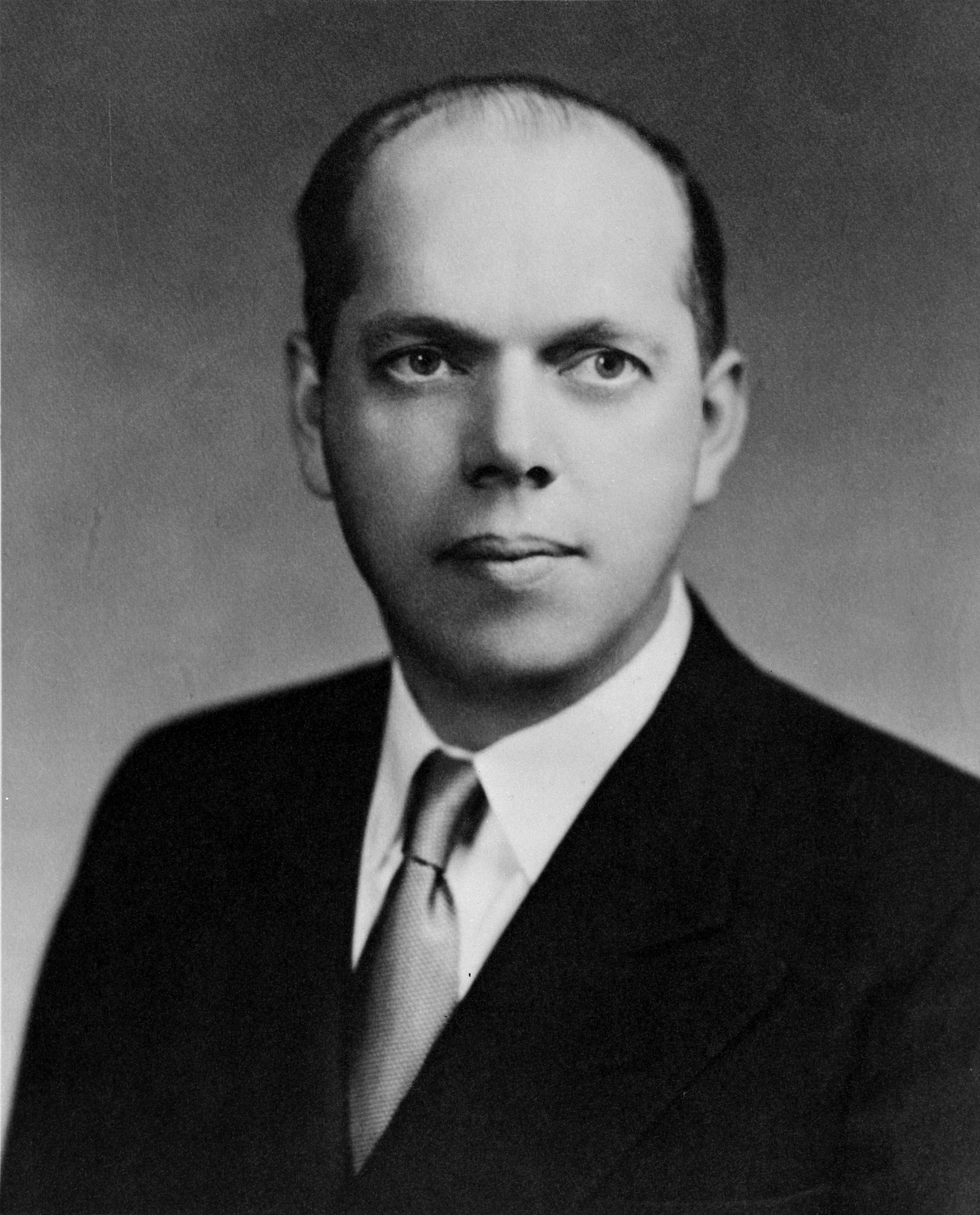
The Architect of the Nuclear Submarine
American scientist Philip Abelson, born on April 27, 1913, in Tacoma, Washington, was the co-discoverer of the element neptunium (Np). In addition to his work in chemistry, Abelson was a pioneer of naval technology. He wrote the very first report on the feasibility of nuclear-powered submarines, a vision that eventually led to the creation of the USS Nautilus.
Image via Wikimedia Commons, no known restrictions
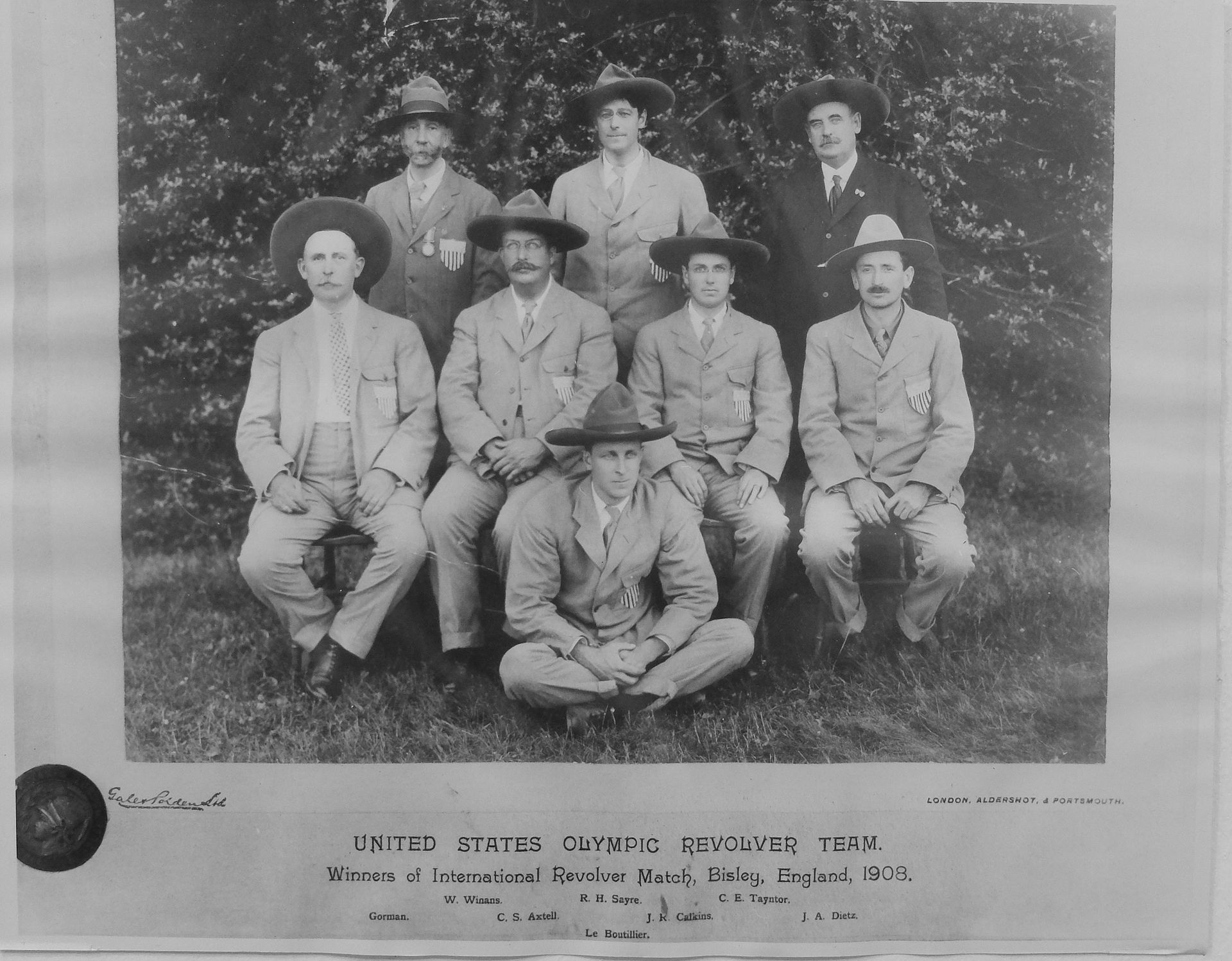
The Marathon Olympics of 1908
The 1908 Summer Olympic Games in London, England, opened on April 27th. Unlike the brief window of modern games, these Olympics spanned over many months and didn’t conclude until October. This specific Olympiad was the first to feature an official Opening Ceremony where athletes marched behind their national flags. The United States captured 47 medals that year, including a gold by the American revolver team shown here.
Image via Wikimedia Commons, no known restrictions
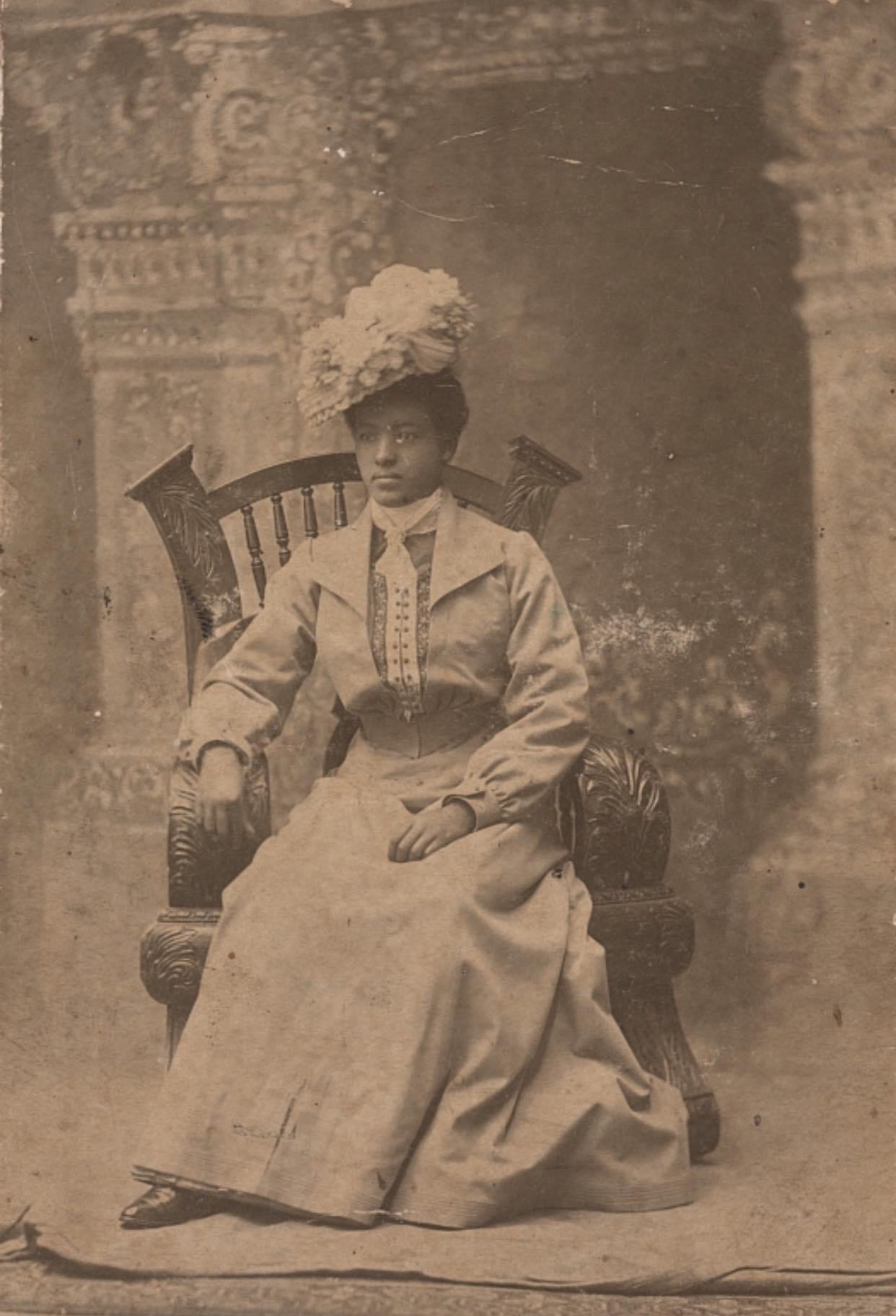
Elegance in 1909
A vintage photograph of a woman wearing a decorative hat and lovely dress titled “At home April 27, 1909.” This image captures the formal domestic fashion of the early 20th century, reflecting the detailed style and social customs of the Edwardian era.
via Library of Congress, no known restrictions
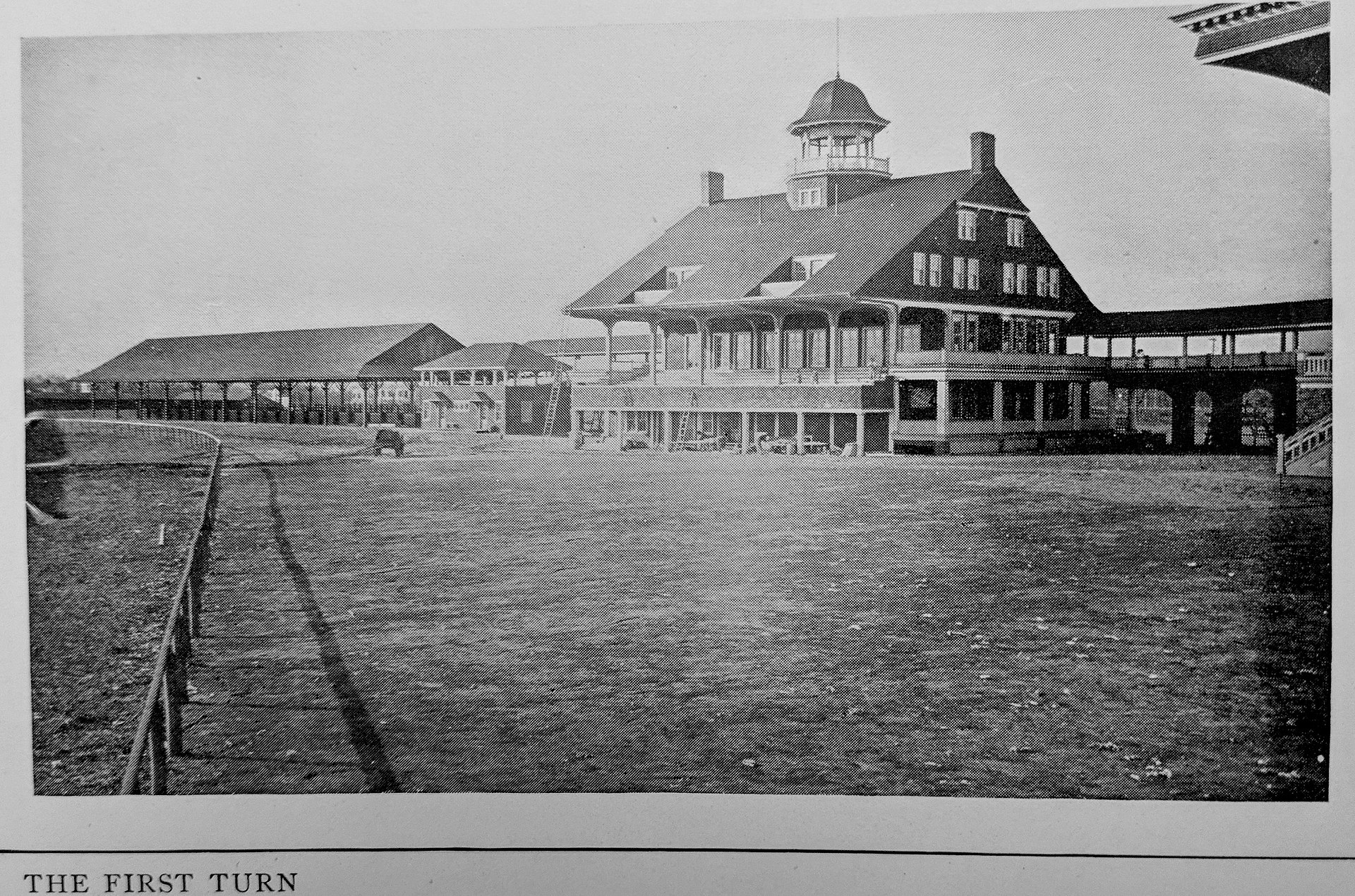
The Glory Days of Jamaica Race Course
On April 27, 1903, Jamaica Race Course in Queens, New York, opened to the public. It operated until 1959, and the land is currently occupied by a housing complex. In its heyday, the track saw the debut of legendary horses like the “Grey Ghost,” Native Dancer, who won his first race there in 1952.
Image: Jamaica Race Course in 1903 from CaptJayRuffins • CC BY-SA 4.0 via Wikimedia Commons
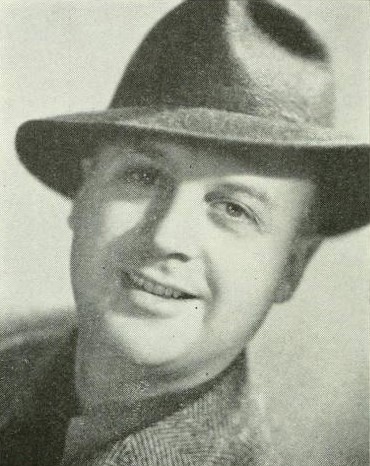
The Father of Woody Woodpecker
Walter Lantz, the man who created the iconic Woody Woodpecker, was born on April 27, 1899, in New Rochelle, New York. Lantz’s career in animation brought one of the world’s most recognizable cartoon laughs to life, cementing his place in entertainment history.
Image of Lantz via Wikimedia Commons, public domain
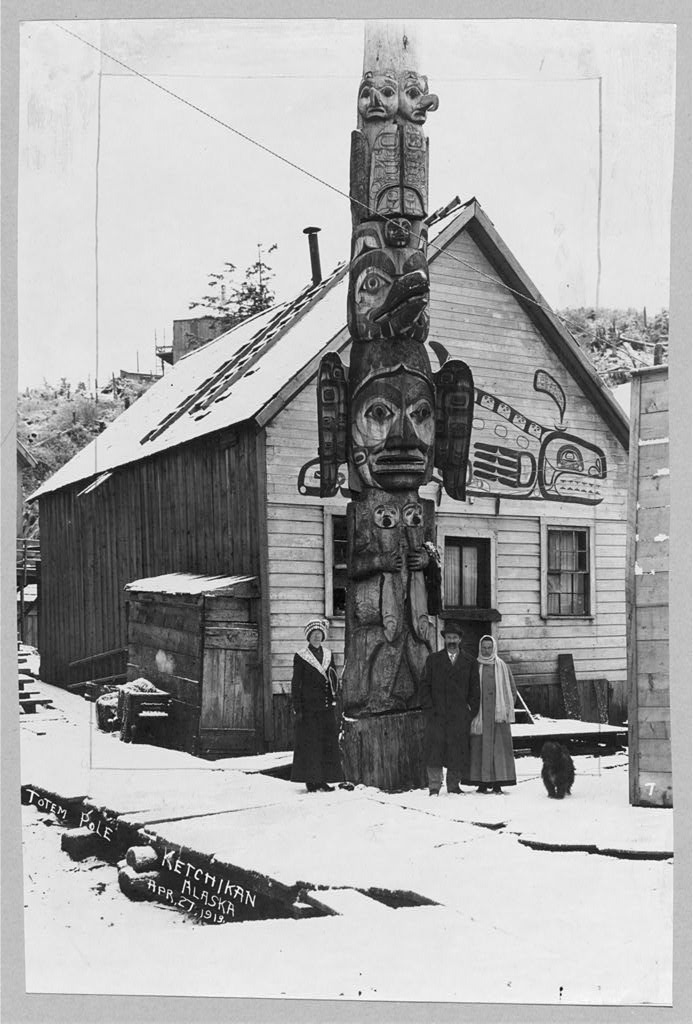
A Moment in Ketchikan
Three people and a dog gathered around a totem pole in Ketchikan, Alaska, on April 27, 1913. This snapshot offers a glimpse into the daily life and the preservation of indigenous art in the Alaska Territory during the early 1900s.
Image via LOC, no known restrictions
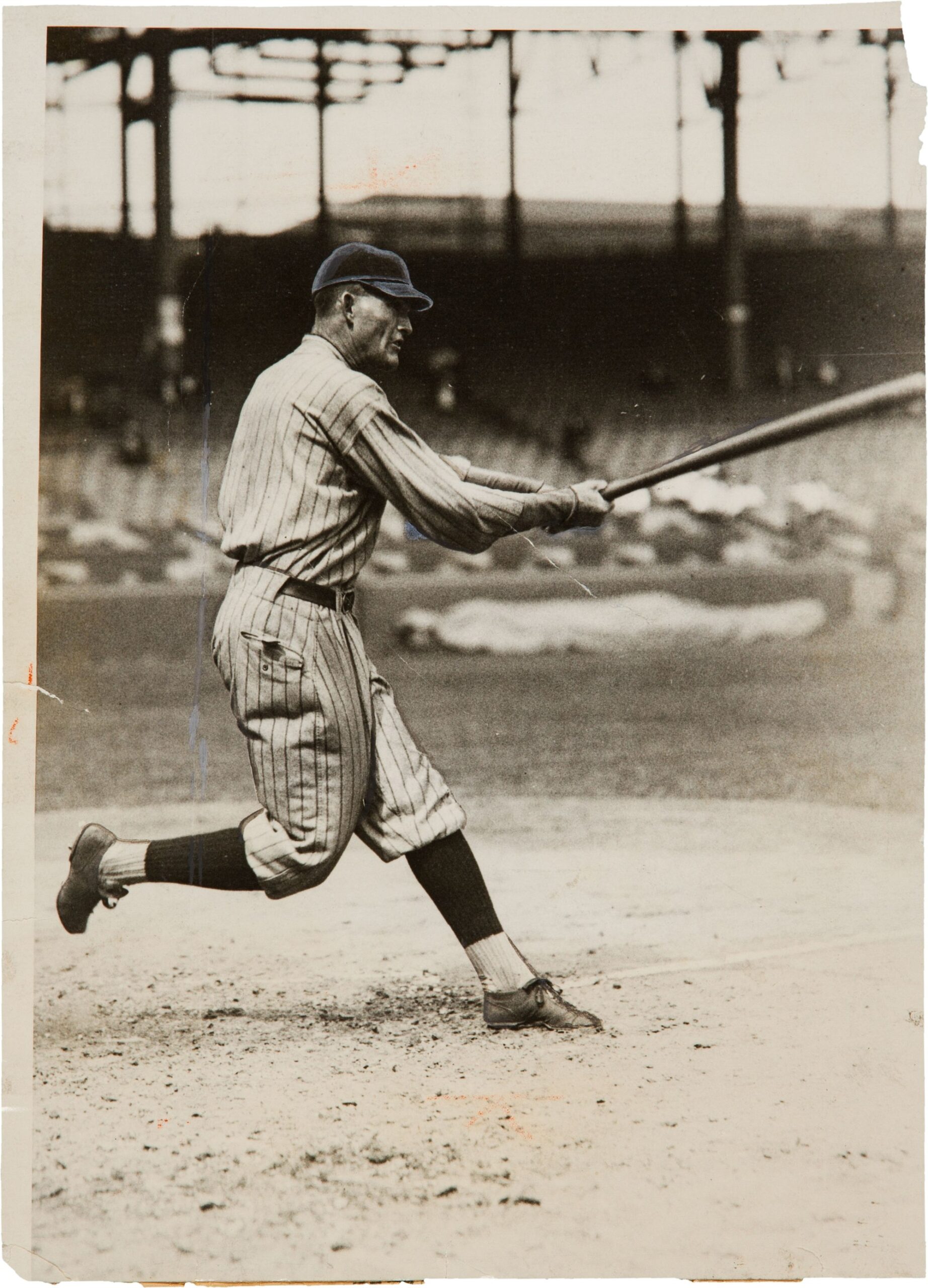
Baseball’s “Rajah” and the Triple Crown
Rogers Hornsby, known as “The Rajah,” was born on April 27, 1896, in Winters, Texas. In 1922, Hornsby won his first of two Triple Crowns, hitting 42 home runs with a .401 batting average. He was famously single-minded about his eyesight; he refused to watch movies or read books because he believed the eye strain would ruin his ability to hit a baseball.
Image: Hornsby swinging his bat in 1922 via Wikimedia Commons, public domain
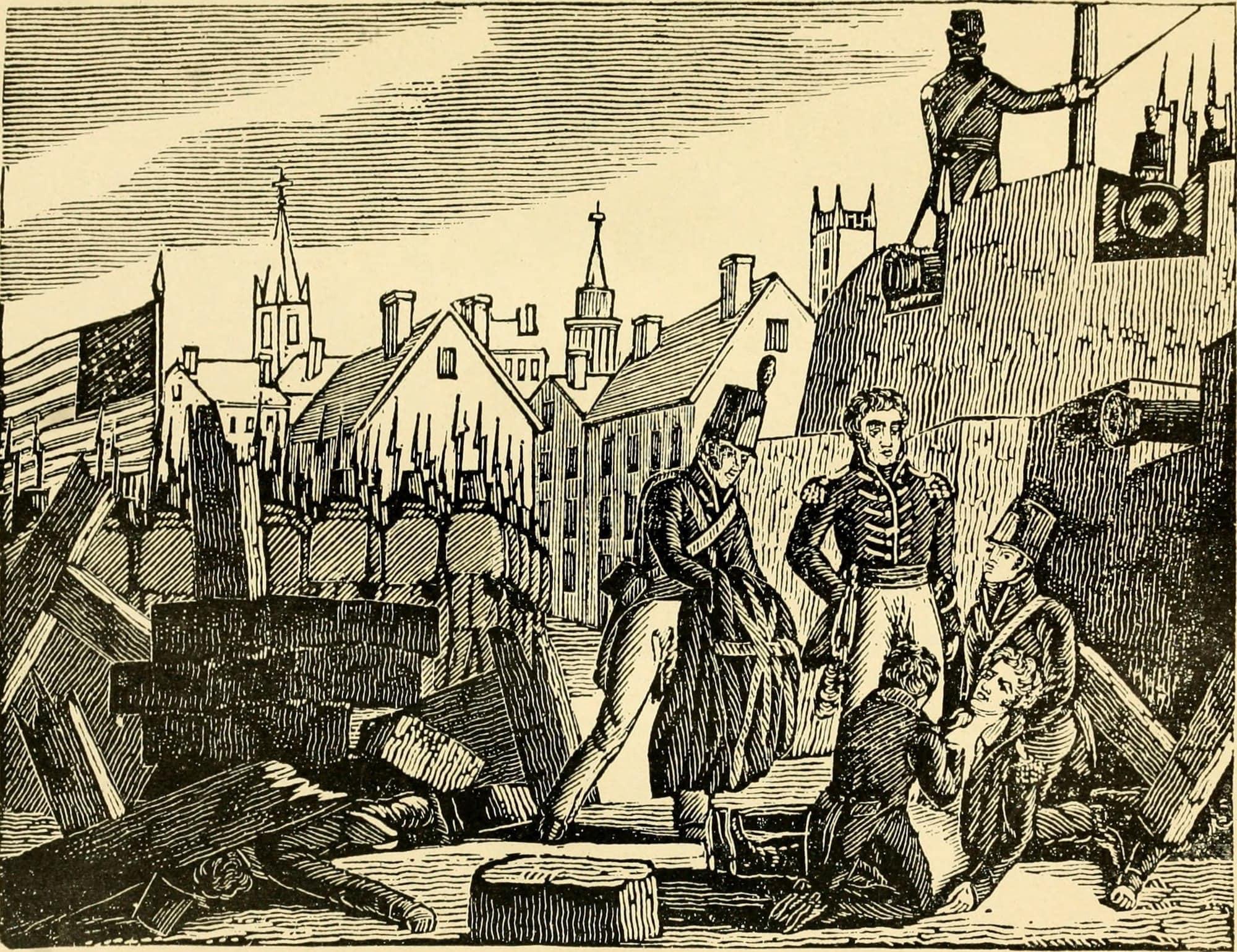
The Fallen Explorer of Pikes Peak
On April 27, 1813, Brigadier General Zebulon Pike was killed during the War of 1812 at the Battle of York. He and numerous American soldiers died when a magazine exploded, raining debris down on the forces outside the fort walls. Although he died in Canada, he is forever remembered as the namesake of Pikes Peak in Colorado, which he explored in 1806.
Image via Wikimedia Commons, public domain
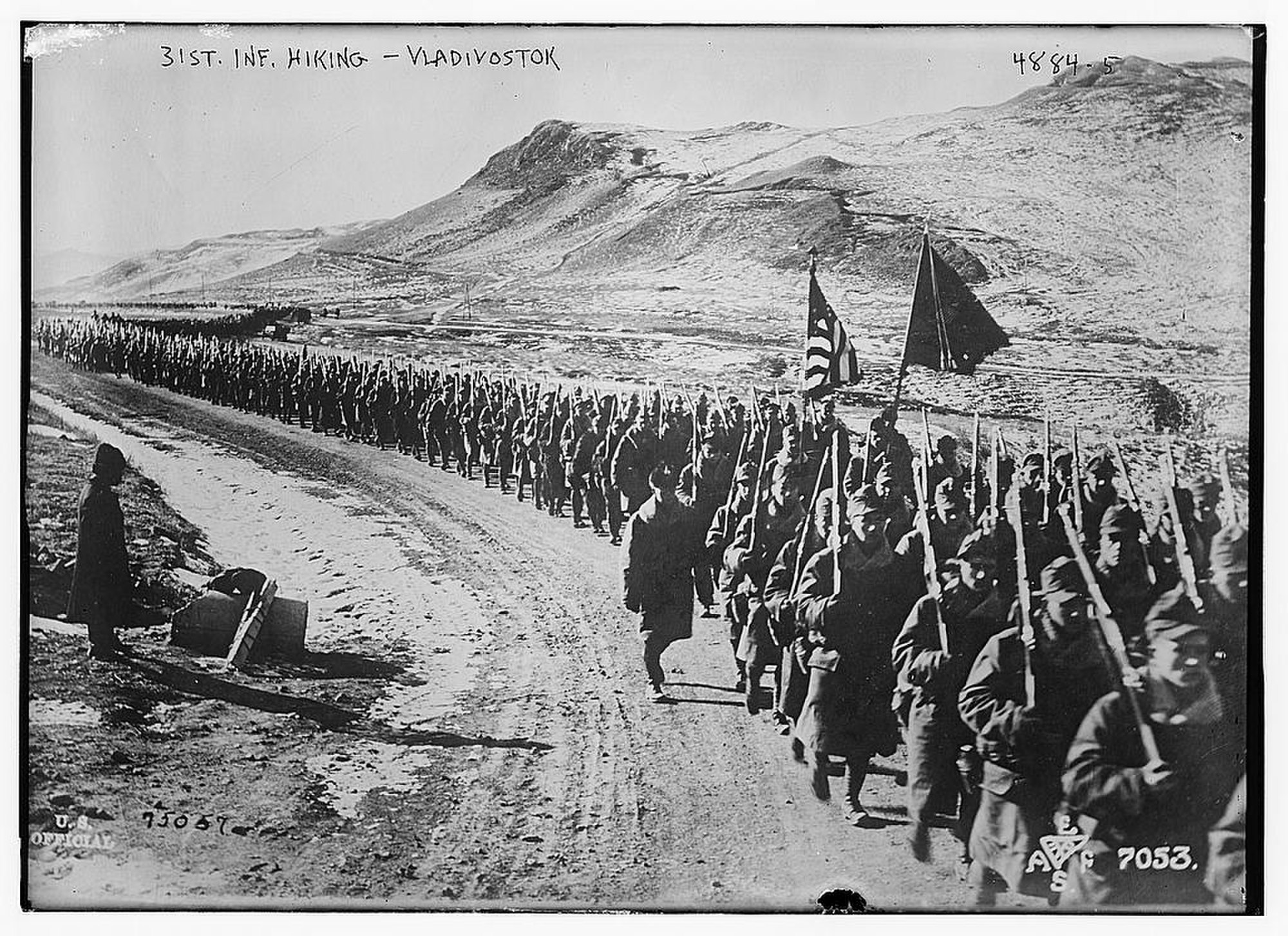
The Siberian Expedition of 1919
American soldiers from the 31st Infantry are shown marching near Vladivostok, Russia, on April 27, 1919. This image documents the American Expeditionary Force in Siberia, a little-known chapter of history where U.S. troops were involved in the Russian Civil War following World War I.
Image via Wikimedia Commons, public domain
The Birth of a Literary Legend
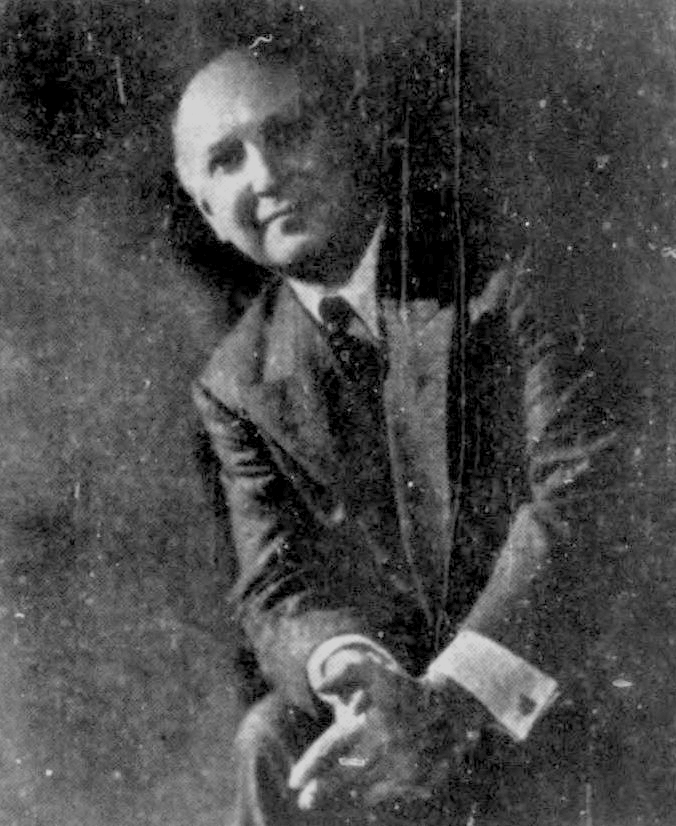
Ludwig Bemelmans, the author and illustrator of the beloved Madeline books, was born on April 27, 1898. While he became a quintessential part of American children’s literature, he actually started his career working in hotels. He famously sketched the first ideas for Madeline on the back of a menu in a bistro. His art style—deceptively simple and full of movement—was influenced by his experience as a painter and muralist in New York’s high-society dining rooms.
The Creation of the “Greatest Show on Earth”
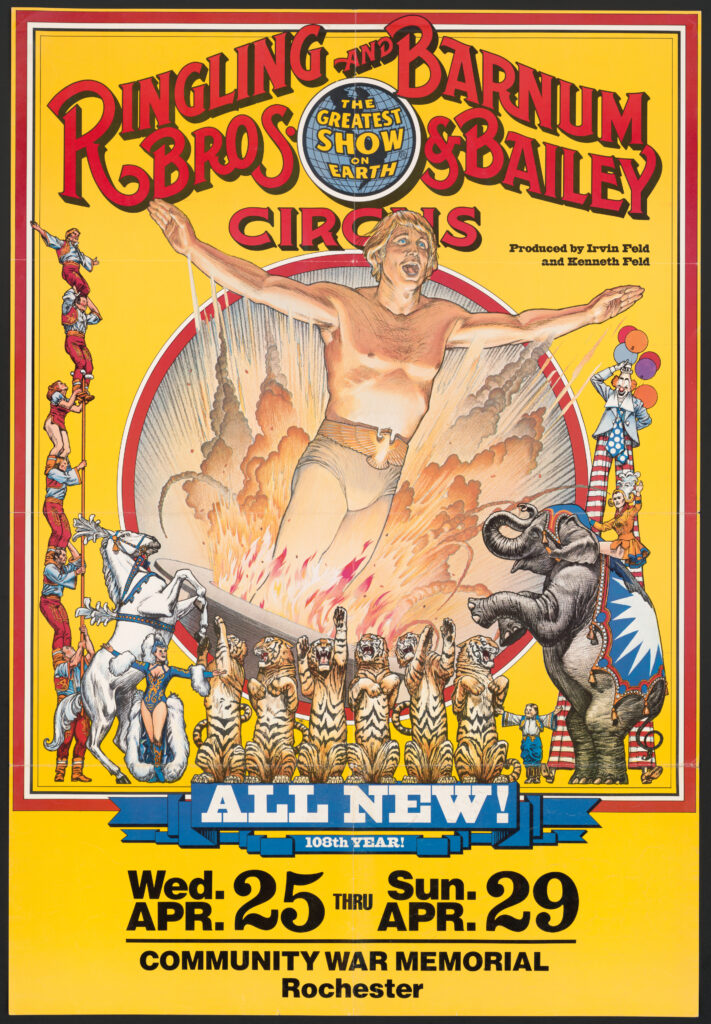
On April 27, 1881, the legendary P.T. Barnum and James Bailey merged their traveling shows to create “Barnum & Bailey’s Greatest Show on Earth.” This merger revolutionized American entertainment, introducing the three-ring circus and the “Jumbo” elephant phenomenon to the masses. The logistical feat of moving the entire operation by train became a model of industrial-age efficiency. While a popular legend suggests the Prussian Army studied their rail methods to improve military troop movements, there is no verified historical evidence for this claim; nonetheless, the circus’s rail system remains a landmark in the history of American transportation and logistics.
Image of a poster from The Greatest Show on Earth in its 108th year via Wikimedia Commons, public domain
