The “Female Paul Revere”
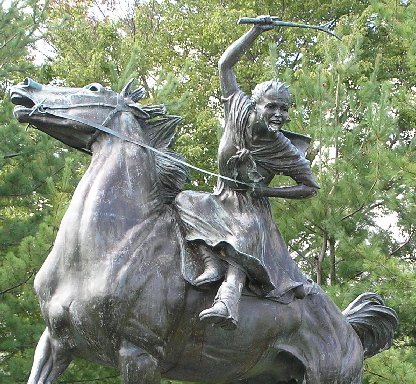
According to tradition, 16‑year‑old Sybil Ludington rode forty miles on the night of April 26, 1777, alerting scattered militiamen after British troops raided Danbury, Connecticut. Later accounts describe her riding through heavy rain, knocking on farmhouse doors, and even fending off highwaymen as she rallied her father’s regiment.
The archival record, however, tells a quieter story. No contemporary letters, military reports, or newspapers from 1777 mention such a ride, and the tale does not appear in print until 1880, more than a century later. Because of that long silence in the sources, many historians today classify the ride as a legend rather than a verified event.
Her fame as the “Female Paul Revere” grew largely during the 19th‑century colonial revival, when Americans were eager to elevate patriotic heroes — especially female counterparts to well‑known Revolutionary figures. Whether factual or folkloric, Sybil Ludington’s story endures as a symbol of the courage women brought to the Revolution, even when the documents don’t survive to prove it.
Image from Anthony22 via Wikimedia Commons, CC BY 3.0
Justice at Garrett’s Farm
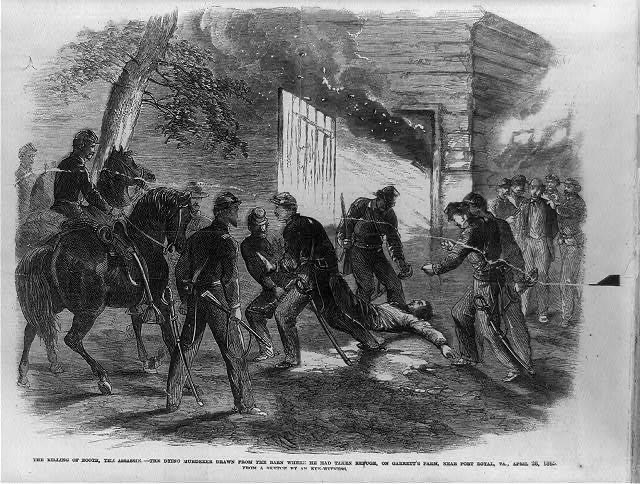
“The killing of Booth, the assassin – the dying murderer drawn from the barn where he had taken refuge, on Garrett’s farm, near Port Royal, Va., April 26, 1865.”
The soldier who shot Booth, Sergeant Boston Corbett, was an eccentric character who had become a street preacher before the war. He famously claimed he shot Booth through the crack in the barn because he felt a divine impulse to “avenge the blood of the President,” despite orders to take the assassin alive.
Image via Library of Congress, no known restrictions
The Father of Landscape Architecture
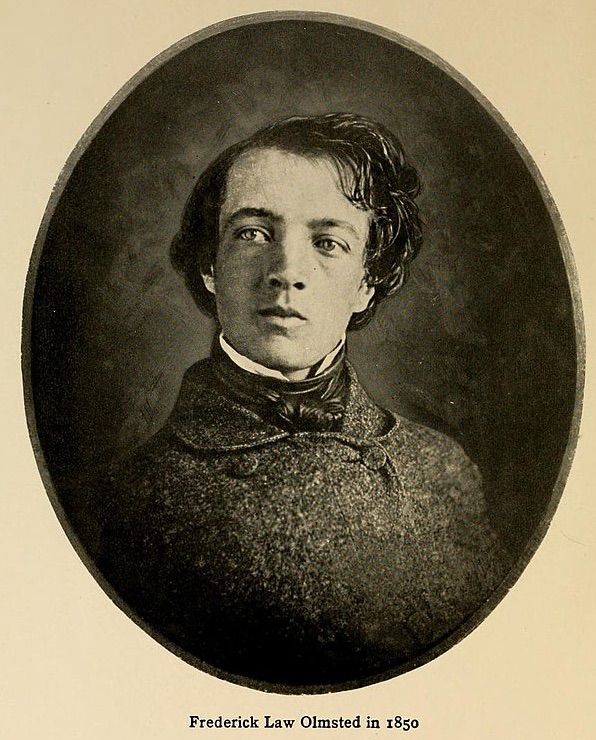
Co-designer of Central Park in N.Y. City, Frederick Law Olmsted, was born on April 26, 1822, in Hartford, Connecticut. Before becoming an architect, Olmsted survived a shipwreck and worked as an undercover journalist in the American South, writing influential reports on the economy of slavery for the New York Daily Times.
Image via Wikimedia Commons, public domain
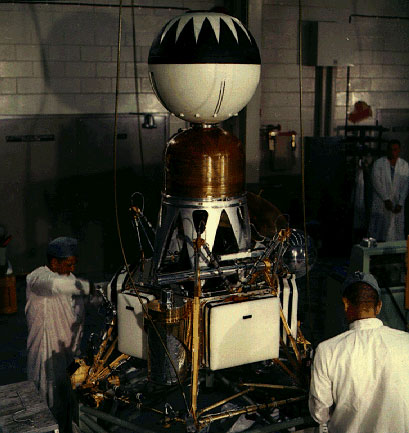
A Silent Grave on the Far Side
On April 26, 1962, NASA’s Ranger IV satellite, hindered by a computer failure, impacted the far side of the Moon at a speed of approximately 6,000 miles per hour. This milestone marked the first time any spacecraft reached the Moon’s far side. Although the mission’s primary objectives could not be fulfilled due to technical issues, the impact left behind debris at the site. Since the Moon lacks an atmosphere and geological activity that could disturb its surface, the remains of Ranger IV still rest undisturbed on the far side of the Moon to this day. Because it struck the far side, it was never able to transmit a single image or bit of scientific data back to Earth; it remains one of the most expensive “silent” objects ever sent into space.
Image via Wikimedia Commons, public domain
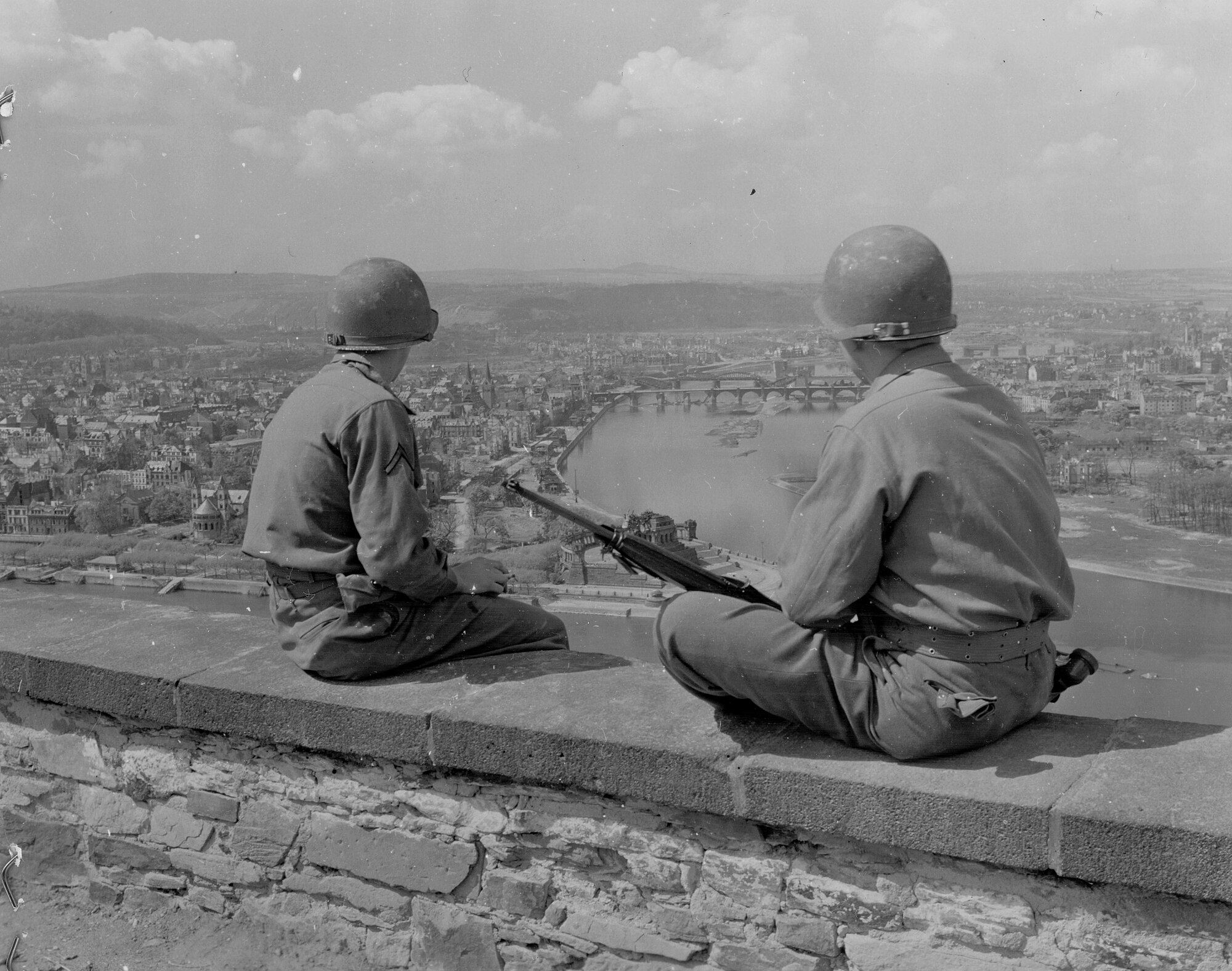
The View from Ehrenbreitstein
Two U.S. infantrymen look out over Koblenz, Germany, from the heights of Ehrenbreitstein Fortress on April 26, 1945. After the city’s capture, American forces occupied the strategic stronghold overlooking the Rhine and Moselle, using the site for headquarters and logistical operations during the transition to peace.
Image via Wikimedia Commons, public domain

The Queen of Comedy
Carol Burnett was born on April 26, 1933, in San Antonio, Texas. Carol’s famous signature “ear tug” at the end of her shows wasn’t just a quirk; it was a secret message to her grandmother, Nanny, to let her know she was doing well and that she loved her.
Carol Burnett and Dick Van Dyke in 1977 via Wikimedia Commons, public domain
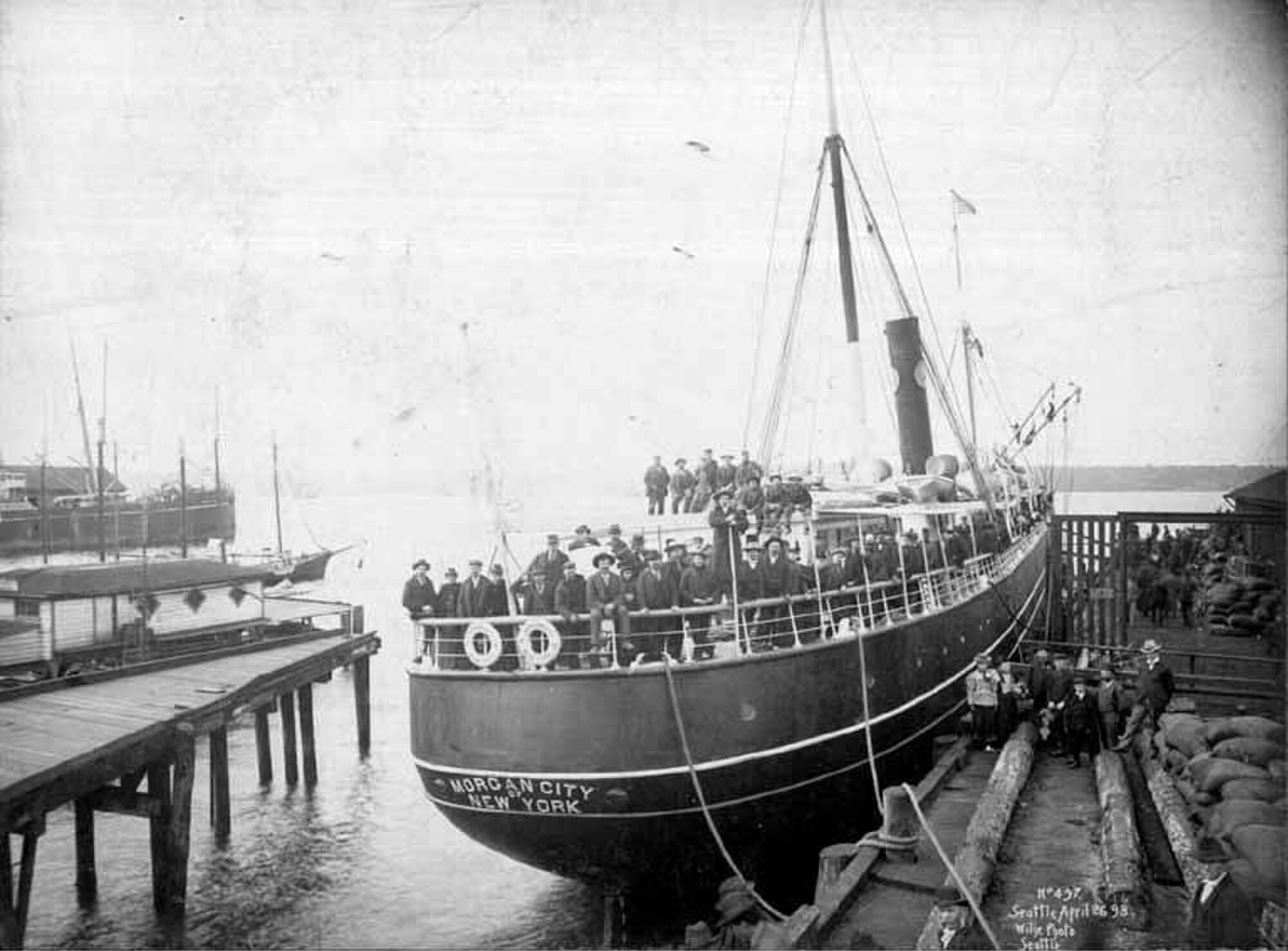
Gold Fever in the North
The steamship Morgan City leaves Seattle for Alaska on April 26, 1898, as part of the legendary “Klondike Gold Rush” fleet. By this date, Seattle was the heart of a global frenzy, transformed into the primary gateway for thousands of “stampeders” heading north.
The fever was so intense that during the summer of the year prior, Seattle’s mayor, W.D. Wood, famously resigned his post via telegram just to join the rush himself. While the Morgan City sailed during the peak of the movement in 1898, it was that dramatic resignation in July 1897—triggered by the arrival of the first “ton of gold” on the steamship Portland—that signaled just how deep the gold fever had struck the city’s leadership.
via Wikimedia Commons, public domain

The Landing at Cape Henry
Memorial to the landing of the first English colonists, April 26, 1607, at Cape Henry. These colonists went on to establish Jamestown, Virginia. Upon landing, the colonists’ first act was to erect a wooden cross and claim the land for God and King—yet within hours, they were attacked by local Paspahegh warriors, a foreshadowing of the tension to come.
Image via Wikimedia Commons, public domain
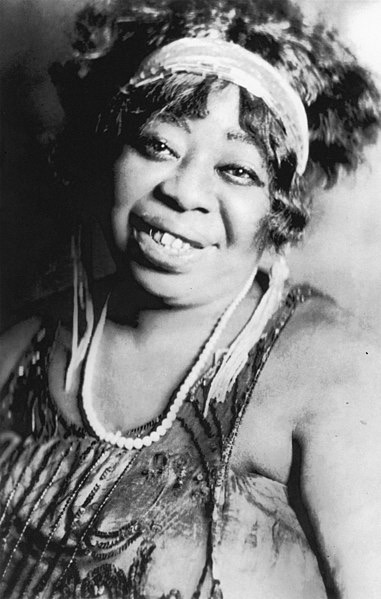
The Mother of the Blues
Born April 26, 1886, Gertrude “Ma” Rainey was a pioneer of the Blues. She recorded almost a hundred songs including “Bo-Weavil Blues,” “Moonshine Blues,” and “Ma Rainey’s Black Bottom.” After she stopped performing Ma Rainey owned several theaters in her hometown of Columbus, Georgia. She was known for her “gold teeth” and massive necklaces made of gold coins. She traveled in her own private deluxe railcar, which was a rare and powerful symbol of wealth for a Black woman in the Jim Crow era.
Image via Wikimedia Commons, public domain in the US.
Resilience in the Wild
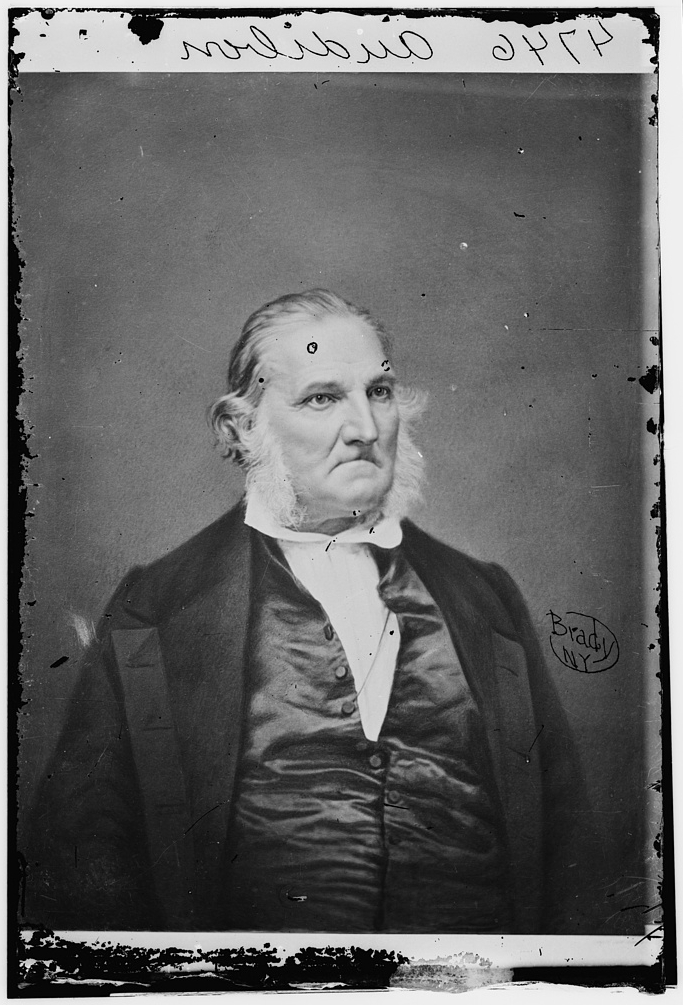
Son of a French naval officer John J. Audubon was born in Haiti on April 26, 1785. He became an American citizen in Philadelphia, just after Congress declared war on Great Britain in 1812. Upon returning to his home in Kentucky, he discovered that rodents ate his entire collection of drawings. Despite this major setback, a determined Audubon decided to return to nature and start anew. Years later he was able to raise enough funds to publish his finest work The Birds of America. To ensure his drawings were life-accurate, Audubon would thread wires through the birds he hunted to “pose” them in natural positions, creating the most lifelike avian portraits the world had ever seen at the time.
Photo of Audubon via Wikimedia Commons, no known restrictions
The Tercentenary Celebration
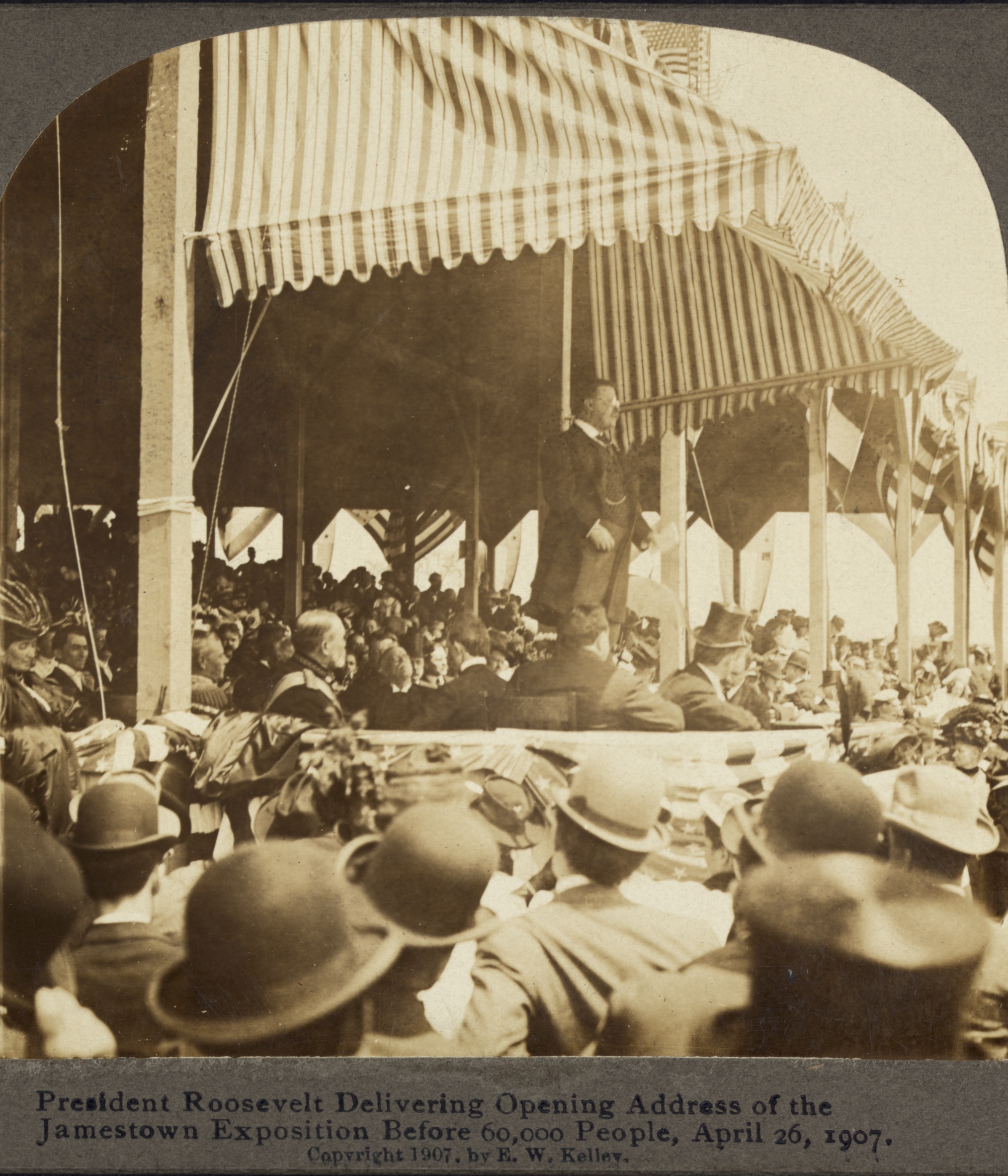
President Roosevelt delivering opening address of the Jamestown Exposition before 60,000 people, April 26, 1907. The exposition featured a massive “War Canoe” race and a reconstruction of the Battle of the Monitor and Merrimack, using actual ships in the water to recreate the famous Civil War ironclad fight.
Image via LOC, no known restrictions

The Architect of Earthquake Measurement
Born in Butler County, Ohio, on this day in 1900, Charles Francis Richter grew into one of the most influential seismologists of the 20th century, co‑developing the Richter magnitude scale that transformed how scientists measure earthquakes. Away from the lab, Richter wrote poetry, devoured books in several languages, and cultivated a reputation as a “walking encyclopedia.” At home in Pasadena, he kept a working seismograph in his living room, draping its long paper records across the furniture for visitors — a reminder that for Richter, the Earth’s restless motion was never far from view.
Fenway Park’s First Home Run (1912):
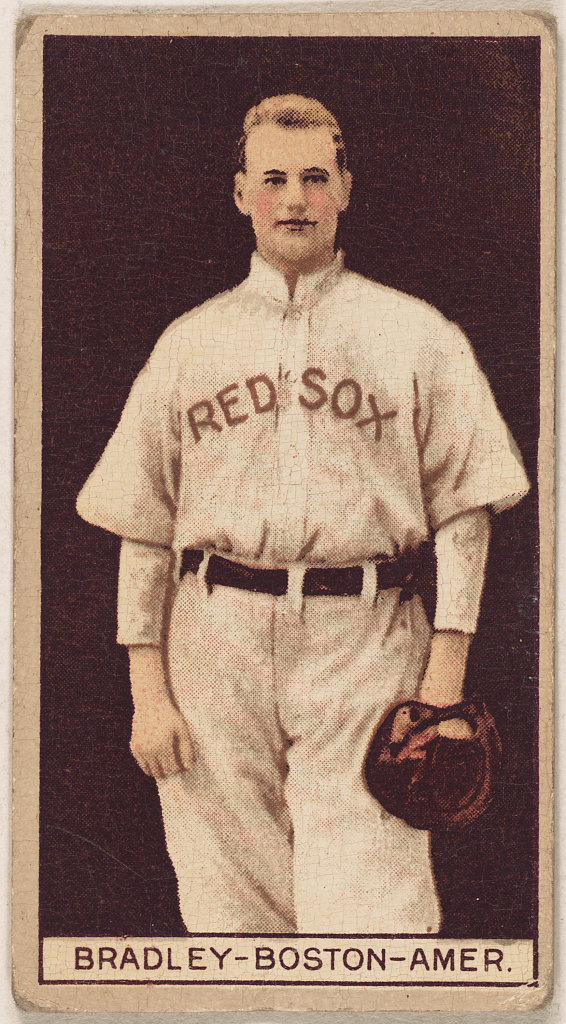
Just six days after Fenway Park opened, Red Sox first baseman Hugh Bradley hit the ballpark’s first home run on April 26, 1912, a three‑run shot that cleared the towering left‑field wall.
The Surrender at Bennett Place (1865)
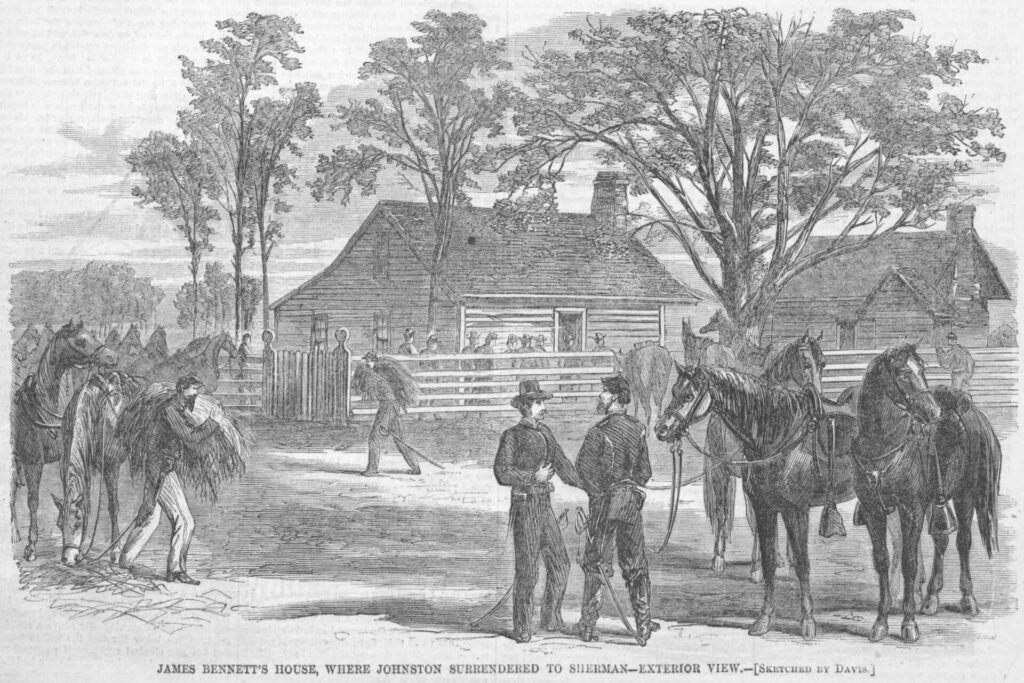
On April 26, 1865, Confederate General Joseph E. Johnston formally surrendered his massive remaining forces to Union General William Tecumseh Sherman near Durham, North Carolina. This surrender involved more troops than Robert E. Lee’s surrender at Appomattox and effectively ended organized Confederate resistance in the eastern theater of the Civil War.

Surgery’s New Frontier: The Birth of Fetal Intervention
On April 26, 1981, at Moffitt-Long Hospital in San Francisco, Dr. Michael Harrison performed a procedure that redefined the boundaries of medicine: the world’s first successful human open fetal surgery. By operating on a fetus still in the womb to clear a life-threatening blockage, Harrison proved that the womb was not a barrier to care and that a child could be a “patient” before ever taking a first breath.
This technical triumph at UCSF (shown here in the distance) launched an entirely new field of medicine. The success of that first operation proved that complex conditions could be corrected in utero, paving the way for thousands of life-saving interventions in the decades that followed and changing the future of pediatric care forever.
Image from Pi.1415926535 via Wikimedia Commons, CC BY 3.0
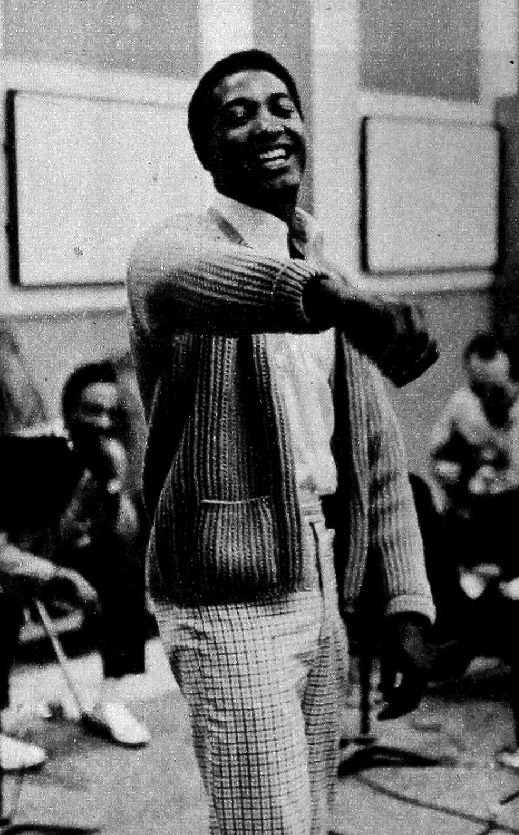
The Soul of a Celebration
On April 26, 1962, at RCA Studio 1 in Hollywood, Sam Cooke cut two defining tracks—“Having a Party” and “Bring It On Home to Me.” He filled the room with friends, Lou Rawls among them, turning the session into a genuine late‑night gathering of claps, laughter, and call‑and‑response.
What they captured wasn’t studio polish but the sound of community itself—music that brought people home to one another and secured Cooke’s place as the King of Soul.
Image of Sam Cooke from an earlier recording session in 1961 via Wikimedia Commons