
 Mystery March Is Here!
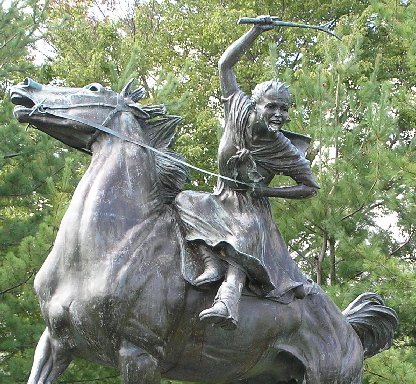
April 26, 1777, is believed to be the date when teenager Sybil Ludington made her 40 mile ride to warn of the advancing Redcoats.
Image from Anthony22 via Wikimedia Commons, CC BY 3.0
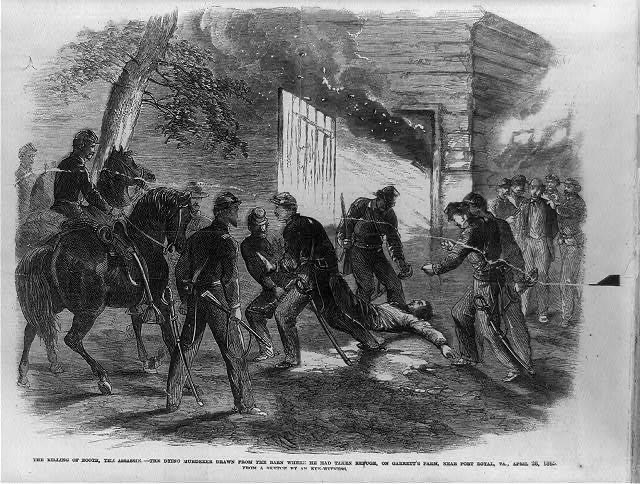
“The killing of Booth, the assassin – the dying murderer drawn from the barn where he had taken refuge, on Garrett’s farm, near Port Royal, Va., April 26, 1865”
“Arriving at Garrett’s, the cavalry was so disposed of as to prevent any one from escaping, and after having extorted, by threats, the information that Booth and Herold were concealed in the barn, it was at once surrounded. They were ordered to come out and surrender themselves, which Booth refused to do. After a considerable parley, Herold came to the door and gave himself up. He was followed by the maledictions of Booth, who accused him of cowardly unfaithfulness in thus deserting him. Booth still refusing to surrender, a wisp of hay was fired and thrown in on the hay in the barn. From this start the barn was soon lighted up with the flames of the burning hay. Booth was known to be armed and desperate, and as the burning hay began to illuminate the barn he was seen, carbine in hand, peering through the cracks, and trying to get an aim. He had before offered to fight the crowd for a chance of his life if the Colonel would but withdraw his men one hundred yards. Being answered that they had come to capture him, not to fight, he was preparing to sell his life as dearly as possible. At this moment, Sergeant Boston torbett, of the Sixteenth New York Cavalry, fired at Booth through a crack in the barn, upon his own responsibility, and struck him on the back part of his head, very nearly in the same part w r here his own ball had struck the President, only a little lower down, and passing obliquely through the base of the brain and upper part of the spinal cord; it produced instantly almost complete paralysis of every muscle in his body below the seat of the wound, the nerves of organic life only sufficing to keep up a very difficult and imperfect respiration, and a feeble action of the heart for a few hours, when, with the coming of the morning of the 26th of April, 1865, twelve days after the commission of his crime and commencement of his flight, the malefactor expired. He was perfectly clear in his mind, but could not swallow, and was scarcely able to articulate so as to be understood, although he seemed anxious to talk. He requested the officer, who was waiting over him and trying to minister to him, to tell his mother that he died for his country. Thus was avenged, not the loyal North alone, but the cause of justice, the cause of freedom, the cause of humanity. Amongst the articles found on his person the most important as bearing on the conspiracy in which he was engaged was a bill of exchange, as follows :
THE ONTARIO BANK,
No. 1492. MONTREAL BRANCH.
Sixty days after sight of this first exchange (second and third of same tenor and date unpaid) pay to the order of J. Wilkes Booth sixty-one pounds, twelve shillings, and ten pence sterling. Value received and charge to account of this office.
To Messrs. GLYNN, MILLS & Co., London.
[Signed] H. STANUS, Manager.
The body was brought to Washington and identified fully. It was buried, for the time secretly, under the floor of the old Capitol Prison, but afterwards was given up to his friends.”
From: Assassination of Lincoln; a history of the great conspiracy: trial of the conspirators by a military commission and a review of the trial of John H. Surratt by T. M. Harris, published in 1892
https://archive.org/details/assasinationlinc00harrrich/page/58
Source says not in copyright
Image via Library of Congress, no known restrictions
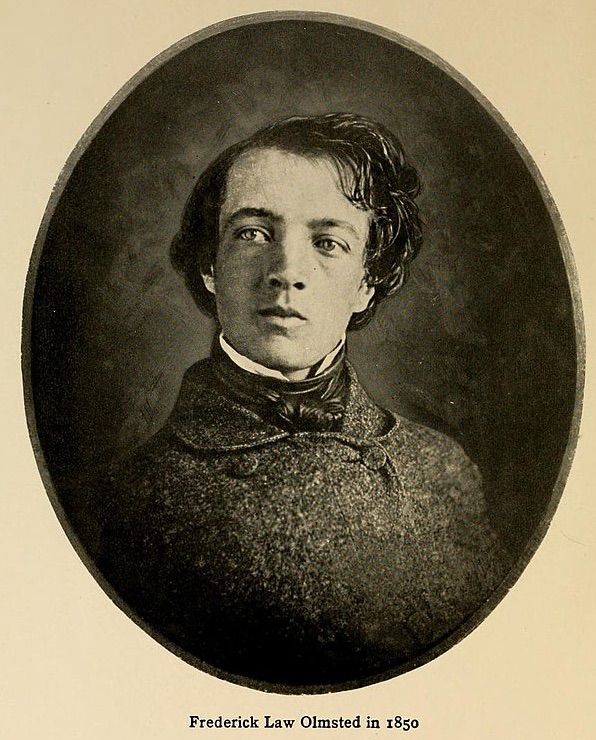
Co-designer of Central Park in N.Y. City, Frederick Law Olmsted, was born on April 26, 1822 in Hartford, Connecticut.
Image via Wikimedia Commons, public domain
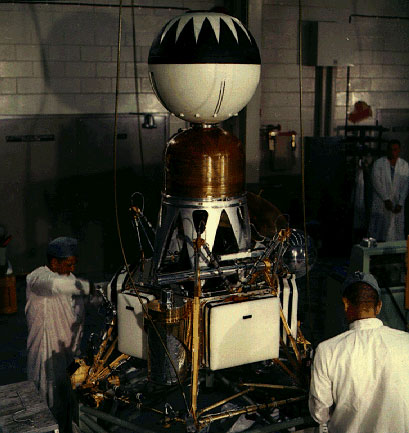
On April 26, 1962, NASA’s Ranger IV satellite, hindered by a computer failure, impacted the far side of the Moon at a speed of approximately 6,000 miles per hour. This milestone marked the first time any spacecraft reached the Moon’s far side. Although the mission’s primary objectives could not be fulfilled due to technical issues, the impact left behind debris at the site. Since the Moon lacks an atmosphere and geological activity that could disturb its surface, the remains of Ranger IV still rest undisturbed on the far side of the Moon to this day.
Image via Wikimedia Commons, public domain
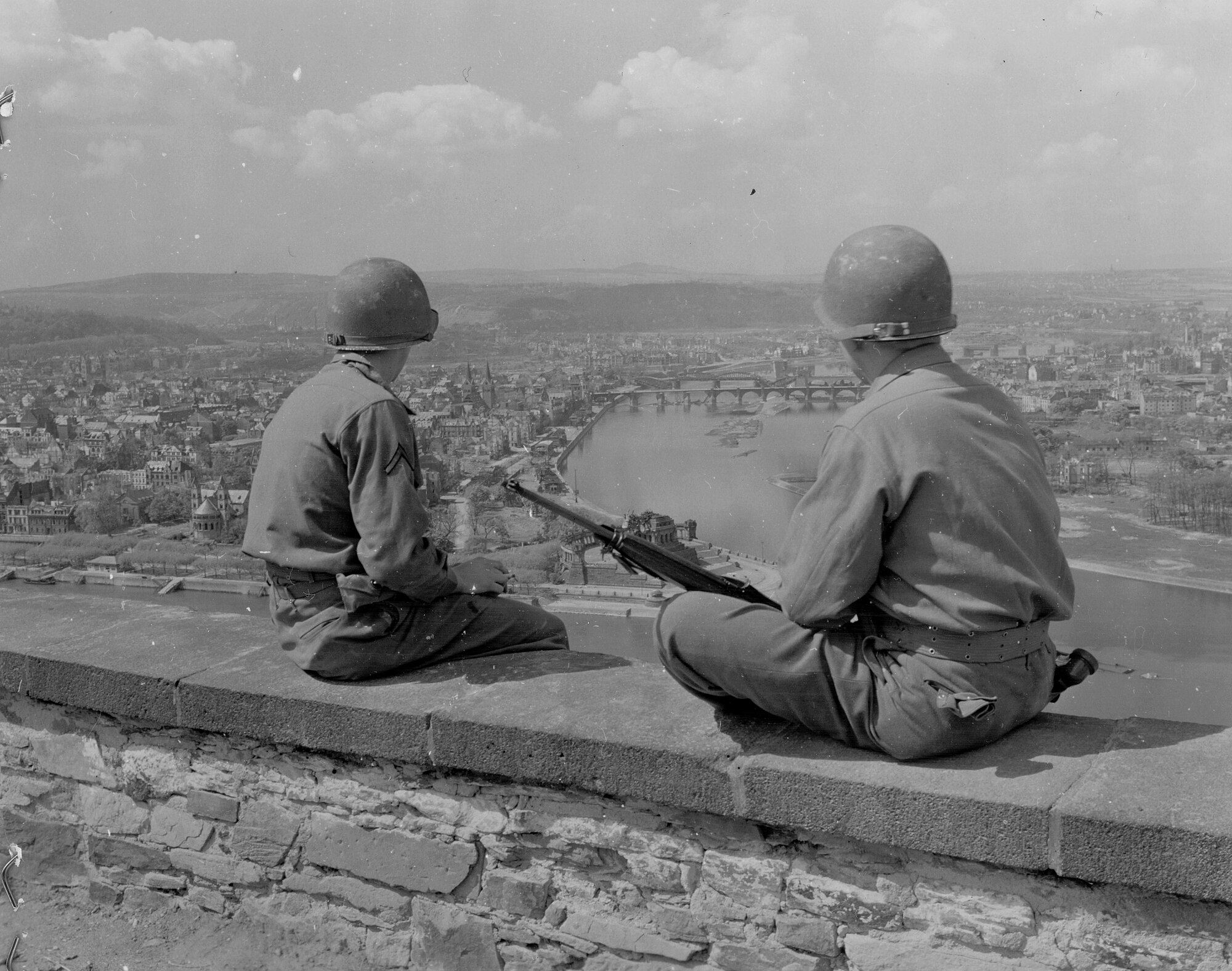
Two U.S. infantrymen view the city of Koblenz, Germany from the top of the fort. April 26, 1945.
Image via Wikimedia Commons, public domain
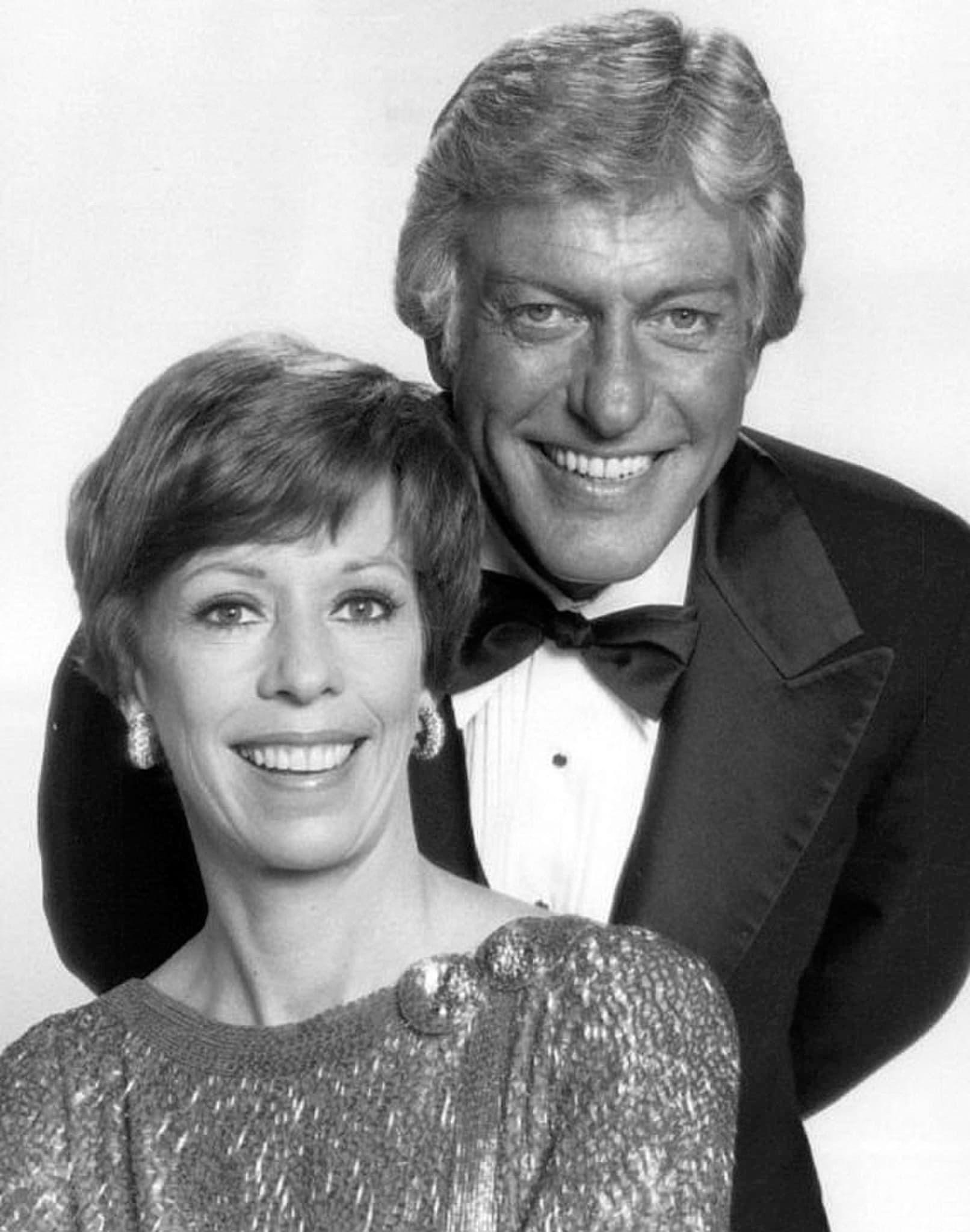
Carol Burnett was born on April 26, 1933 in San Antonio, Texas.
Carol Burnett and Dick Van Dyke in 1977 via Wikimedia Commons, public domain
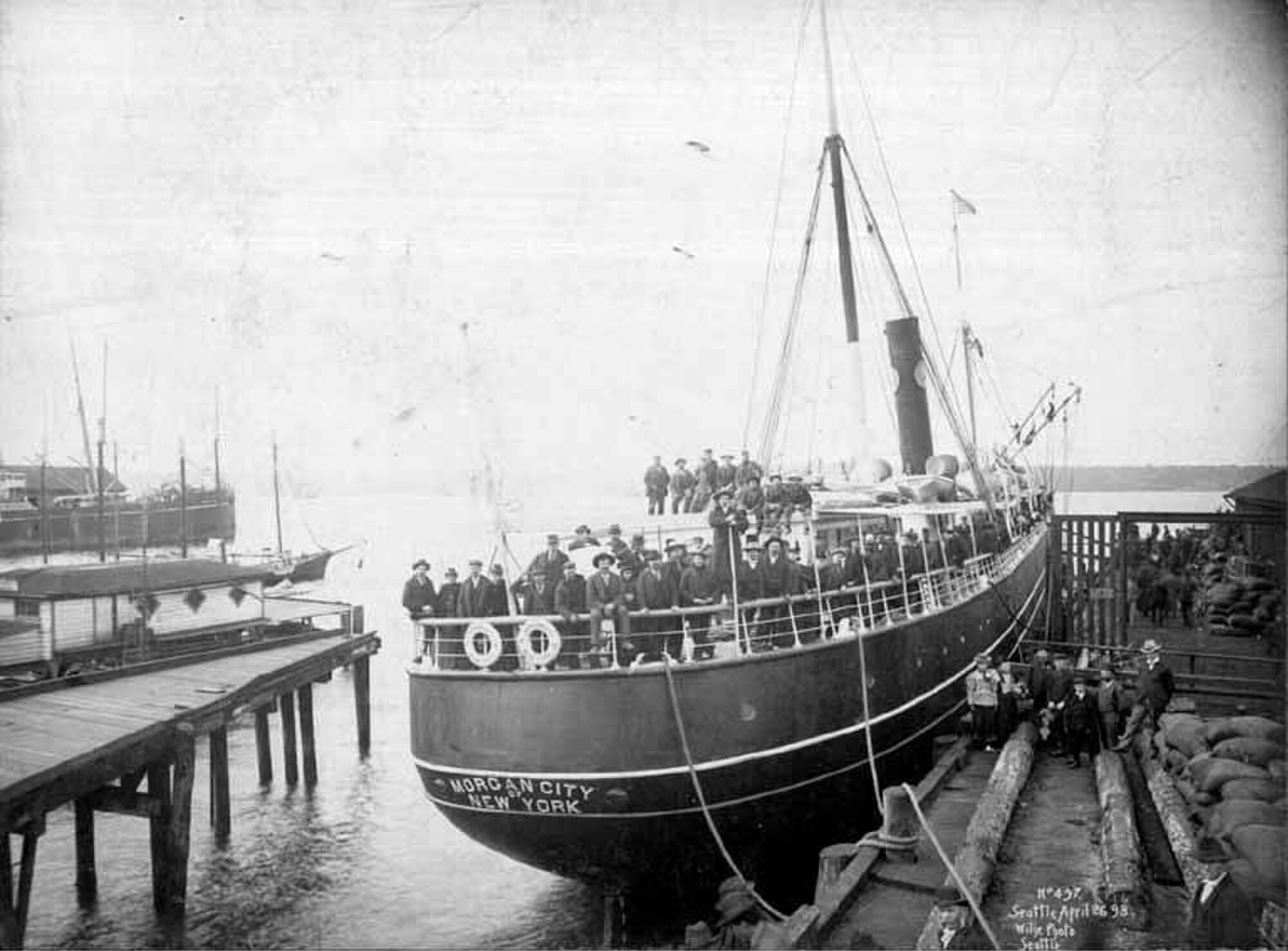
Steamship MORGAN CITY leaving Seattle for Alaska, April 26, 1898
via Wikimedia Common, public domain
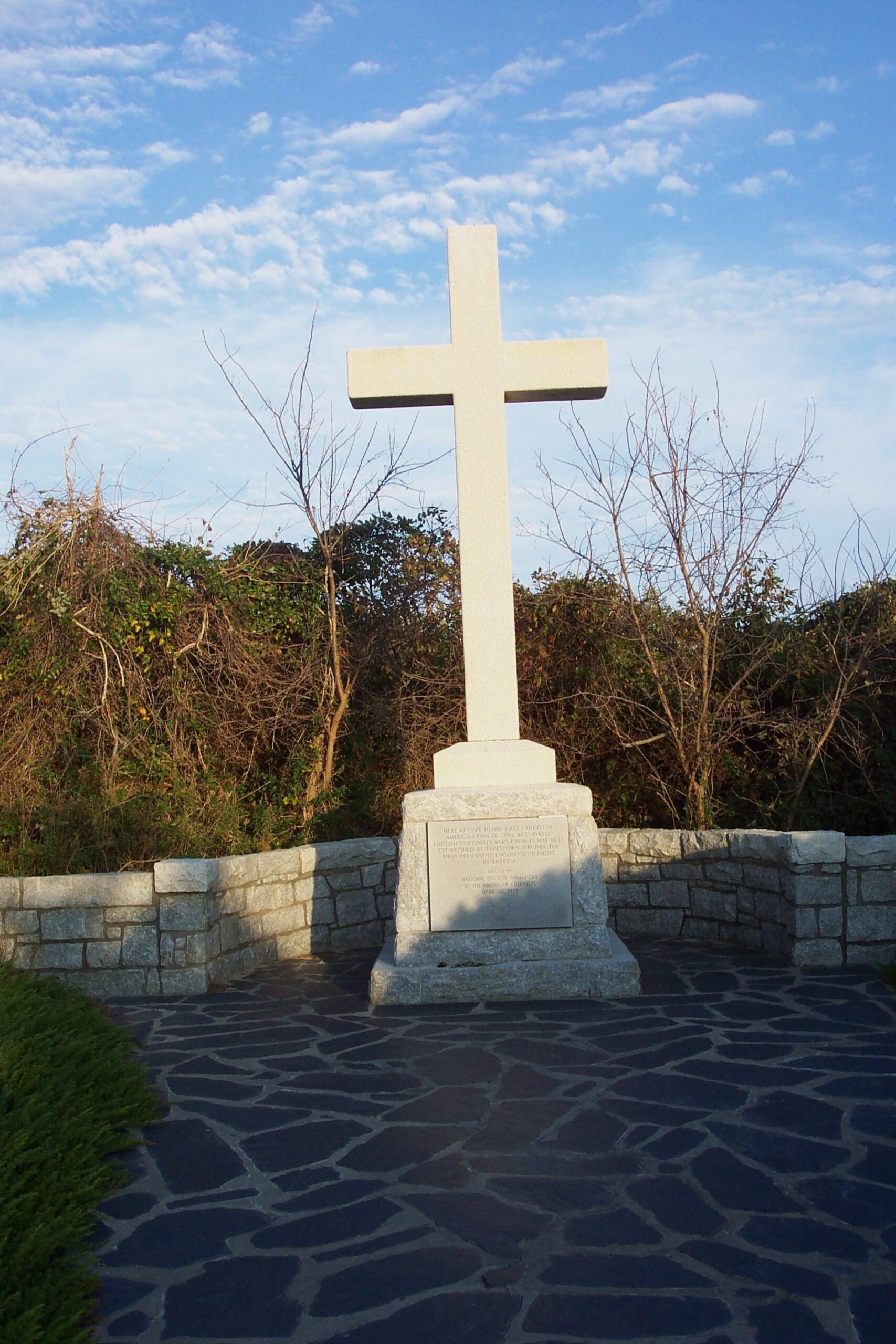
Memorial to the landing of the first English colonists, April 26, 1607, at Cape Henry. These colonists went on to establish Jamestown, Virginia.
Image via Wikimedia Commons, public domain
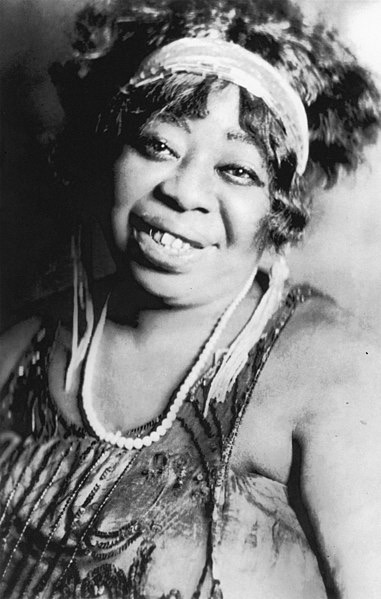
Born April 26, 1886 Gertrude “Ma” Rainey was a pioneer of the Blues. She recorded almost a hundred songs including “Bo-Weavil Blues,” “Moonshine Blues,” and “Ma Rainey’s Black Bottom.” After she stopped performing Ma Rainey owned several theaters in her hometown of Columbus, Georgia.
Image via Wikimedia Commons, public domain in the US.
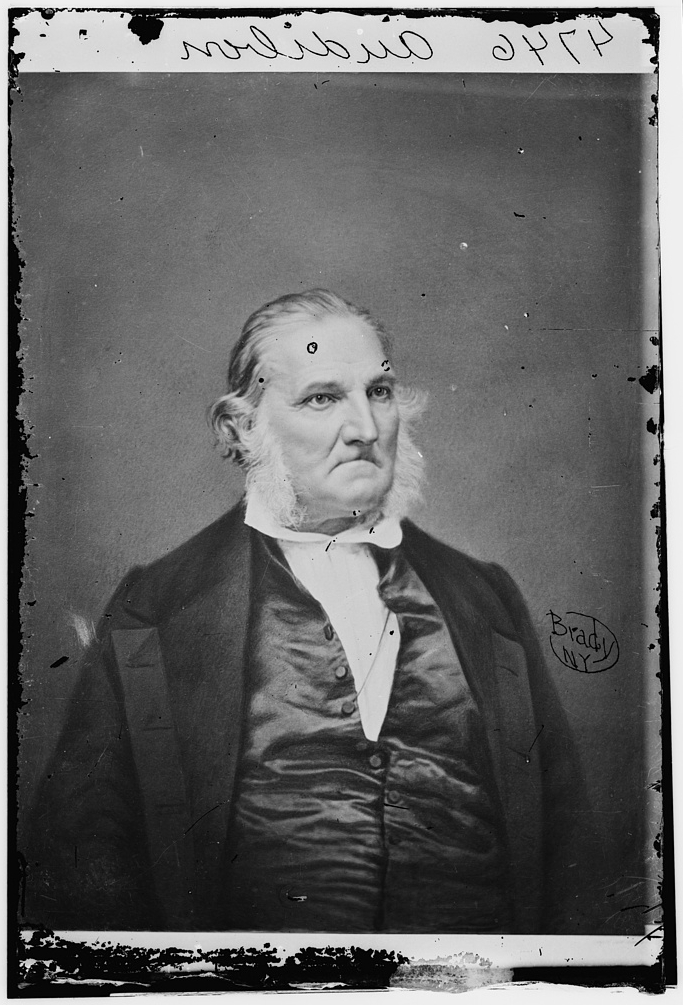
Son of a French naval officer John J. Audubon was born in Haiti on April 26, 1785. He became an American citizen in Philadelphia, just after Congress declared war on Great Britain in 1812.
Upon returning to his home in Kentucky, he discovered that rodents ate his entire collection of drawings.
Despite this major setback, a determined Audubon decided to return to nature and start anew.
Years later he was able to raise enough funds to publish his finest work The Birds of America.
Photo of Audubon via Wikimedia Commons, no known restrictions
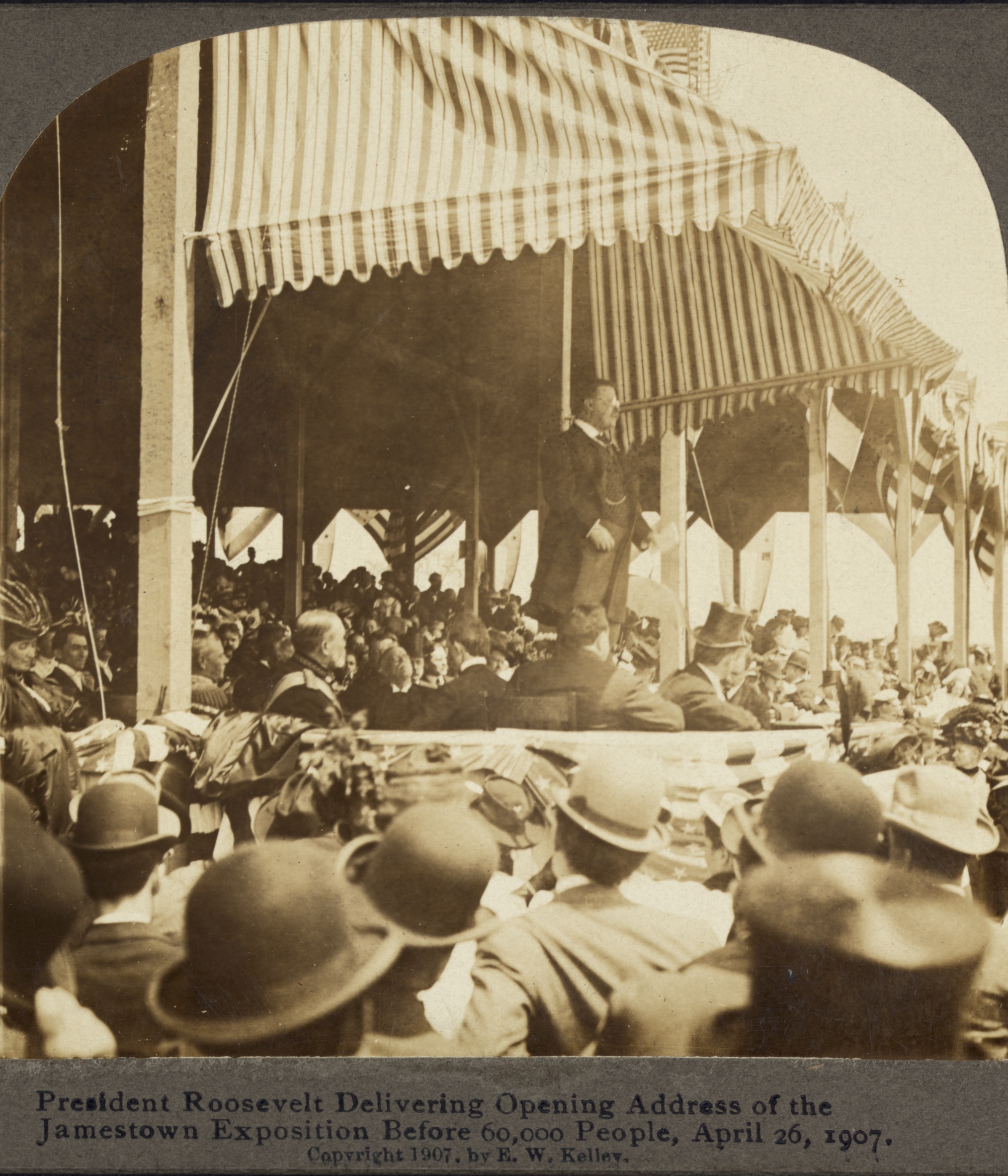
President Roosevelt delivering opening address of the Jamestown Exposition before 60,000 people, April 26, 1907.
Image via LOC, no known restrictions
