John Adams Becomes the First Vice President (1789)
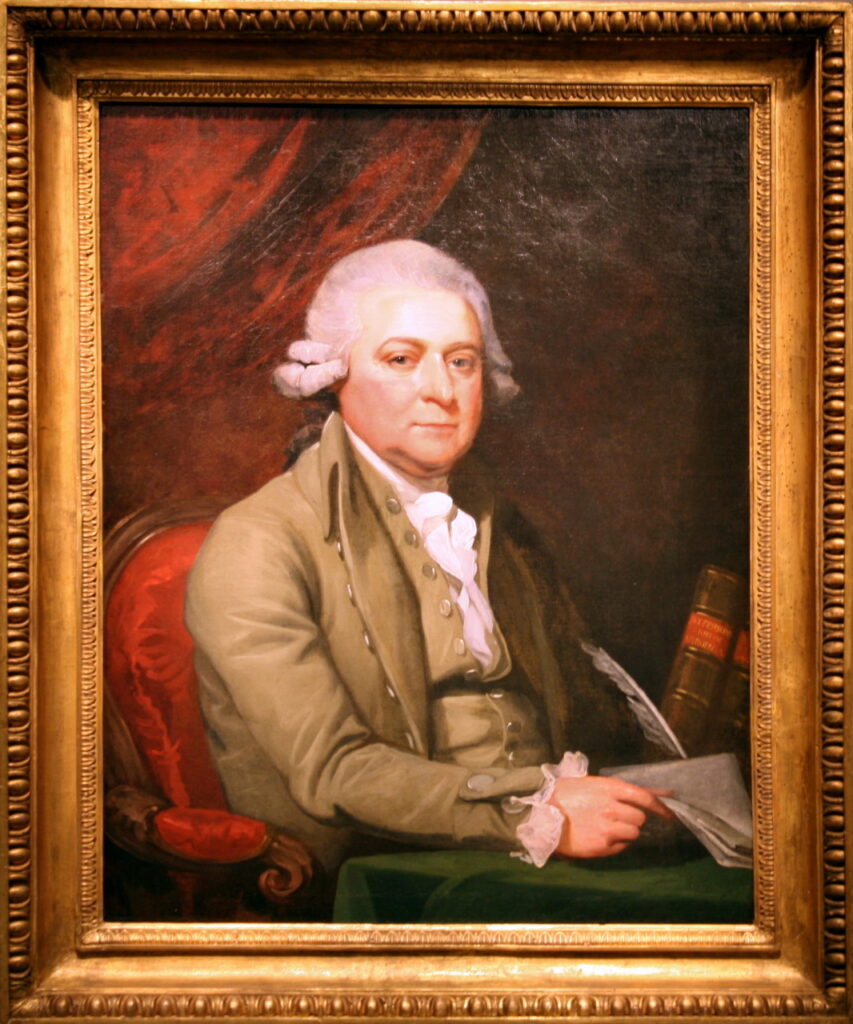
Nine days before George Washington’s inauguration, John Adams was sworn in as the first Vice President of the United States on April 21, 1789. Stepping into a completely new constitutional role, Adams began his tenure presiding over the U.S. Senate, helping to define the executive branch of the young republic.
The Birth of the First U.S. Penny
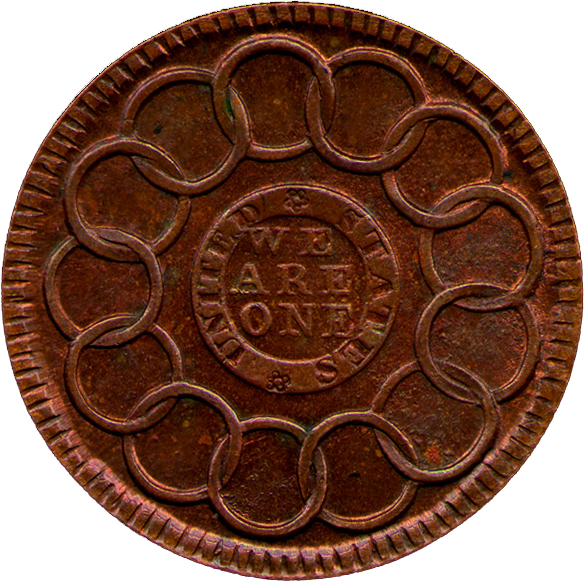
On April 21, 1787, the Congress of the Confederation authorized the first official U.S. one-cent coin. Known as the Fugio Cent, its reverse design featured 13 interlocking chain links surrounding the powerful motto, “We Are One,” symbolizing the unity of the original colonies.
Image via Wikimedia Commons, public domain
The Last Heroes of the Texas Revolution
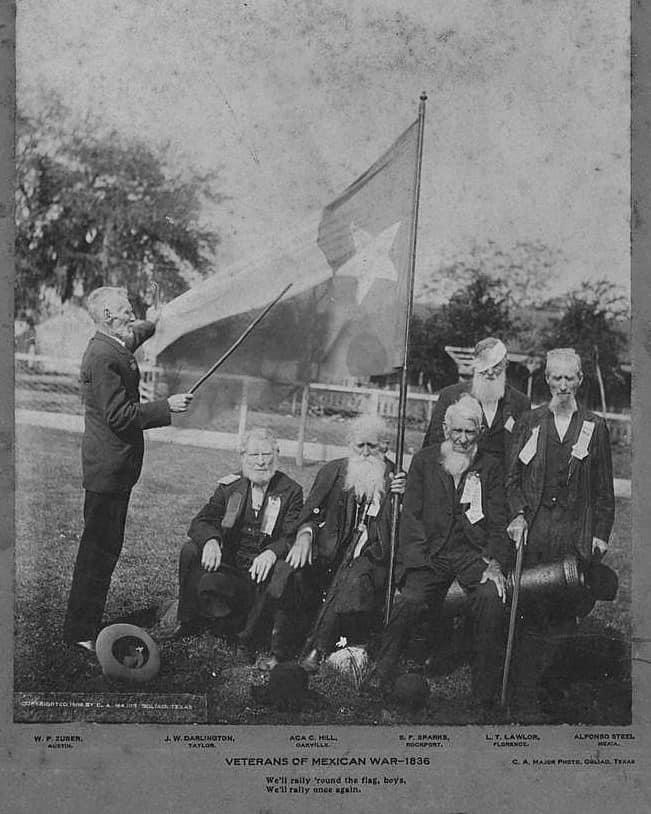
Texian veterans gather on April 21, 1906, to mark the 70th anniversary of the victory at San Jacinto. Standing where they once fought for independence, these aging heroes embodied the spirit of the era: “We’ll rally ’round the flag boys, we’ll rally once more.”
Image via Wikimedia Commons, public domain
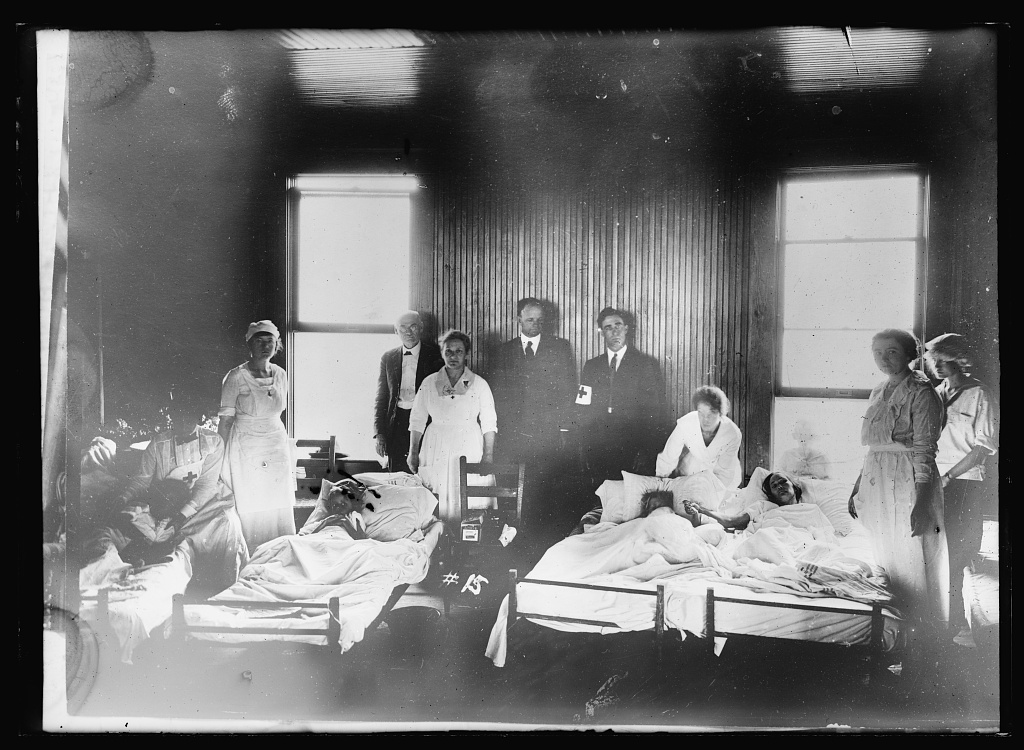
Resilience in the Wake of a Storm
On April 21, 1920, after a devastating tornado tore through Mississippi, a Baptist church in Philadelphia was quickly transformed into a makeshift hospital. The Neshoba County Red Cross utilized the Sunday school room to provide emergency care for the injured survivors.
Image via Wikimedia Commons, public domain
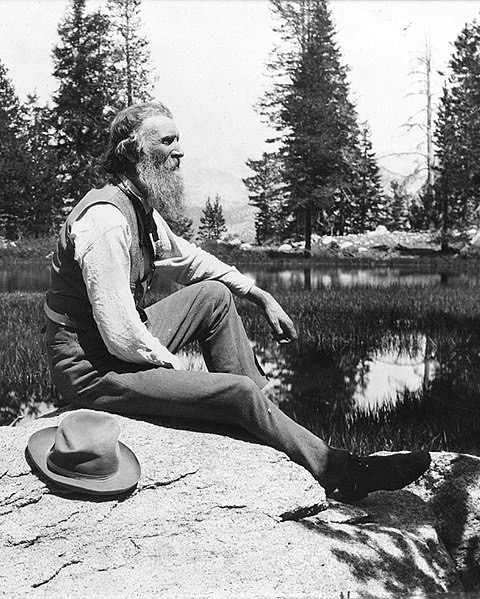
John Muir: Guardian of the Wild
Born in Scotland on April 21, 1838, John Muir became America’s most influential naturalist. Through his tireless advocacy and writings on botany and geology, he helped establish Yosemite National Park and founded the Sierra Club to ensure the preservation of the great American wilderness.
Image from LOC via Wikimedia Commons, public domain in the US.
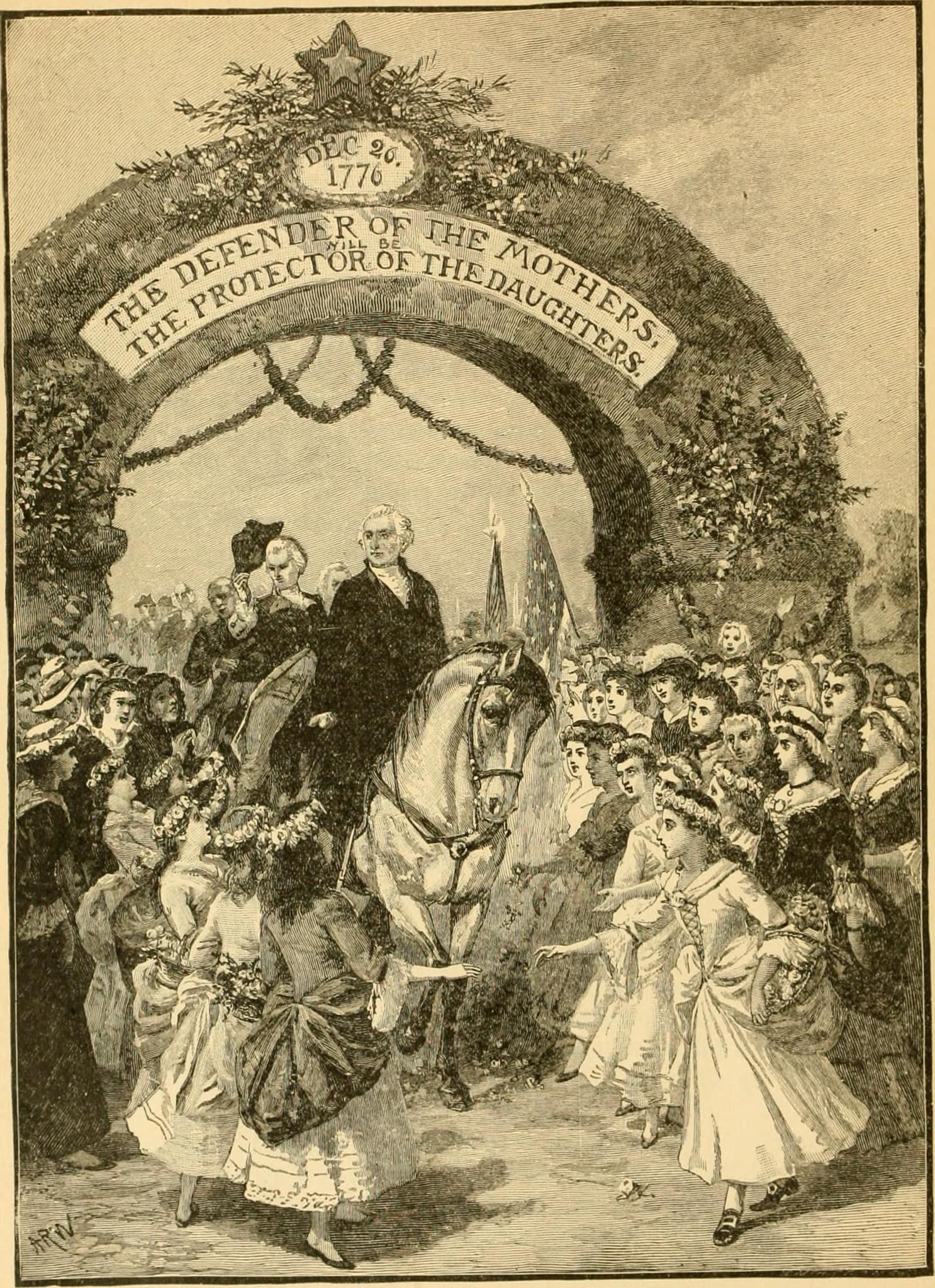
A Triumphal Return to Trenton
On his journey to his first inauguration, George Washington arrived in Trenton on April 21, 1789. He was honored by a massive floral arch and a chorus of children strewing flowers in his path, commemorating his pivotal victory over the Hessians in 1776.
Image via Wikimedia Commons, no known restrictions
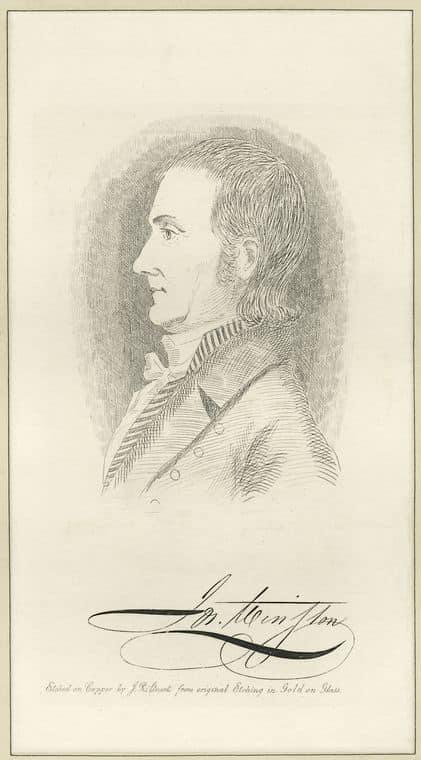
Honoring a Hero: Joseph Winston
Revolutionary War hero Joseph Winston passed away on April 21, 1815. A major figure in North Carolina’s history, his legacy lives on in the city of Winston-Salem, which was named in honor of his military service and leadership.
Image via NYPL Digital Collections, no known restrictions
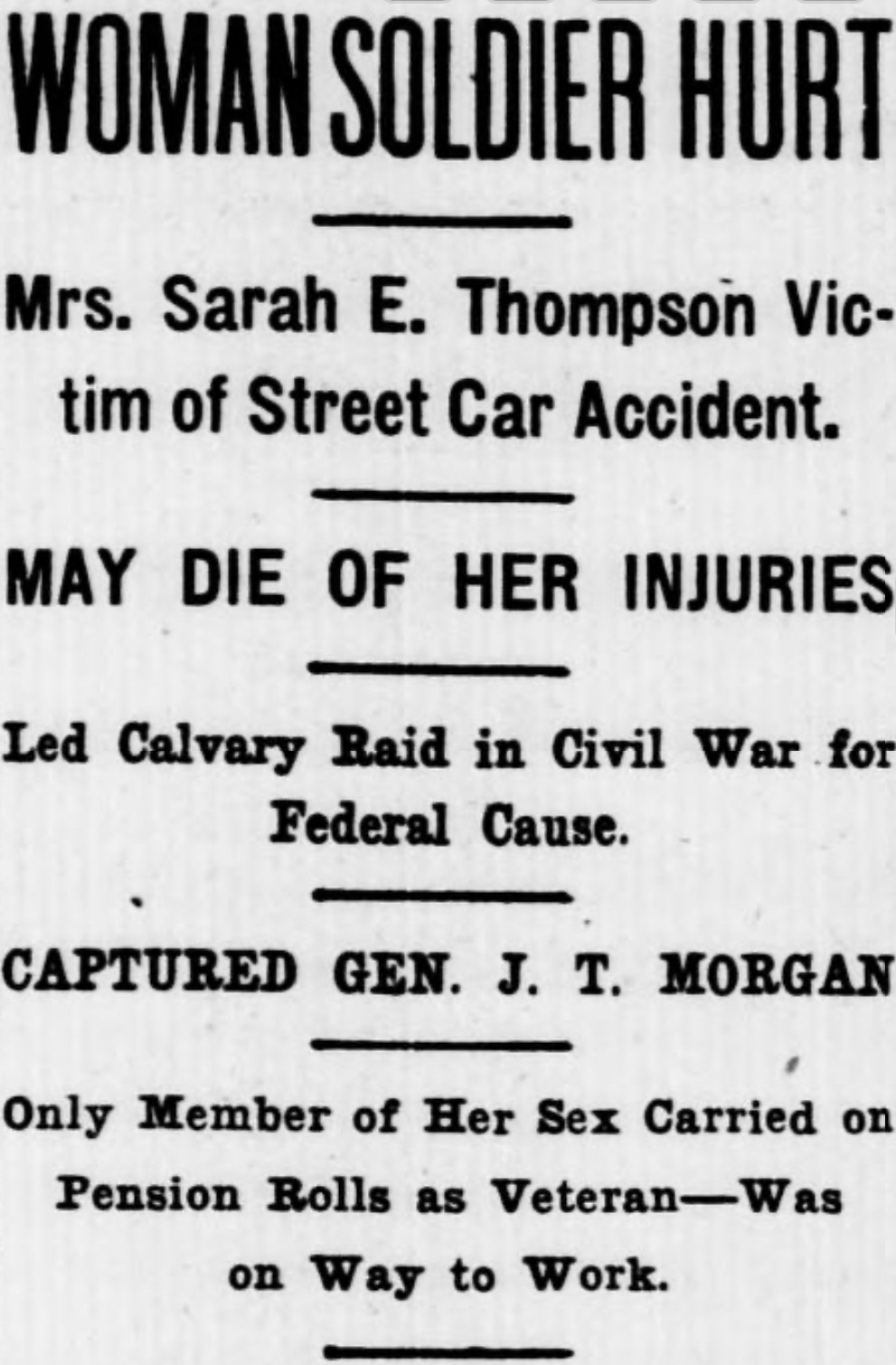
The Courage of Spy Sarah Thompson
Sarah Elizabeth Lane Thompson, a former Union spy, was tragically struck by a vehicle in D.C. on April 21, 1909. One of the rare women of her era to receive a formal soldier’s pension for her service, she succumbed to her injuries the following day.
Source: https://www.loc.gov/resource/sn83045462/1909-04-21/ed-1/?sp=1&r=-0.062,0.112,0.316,0.447,0
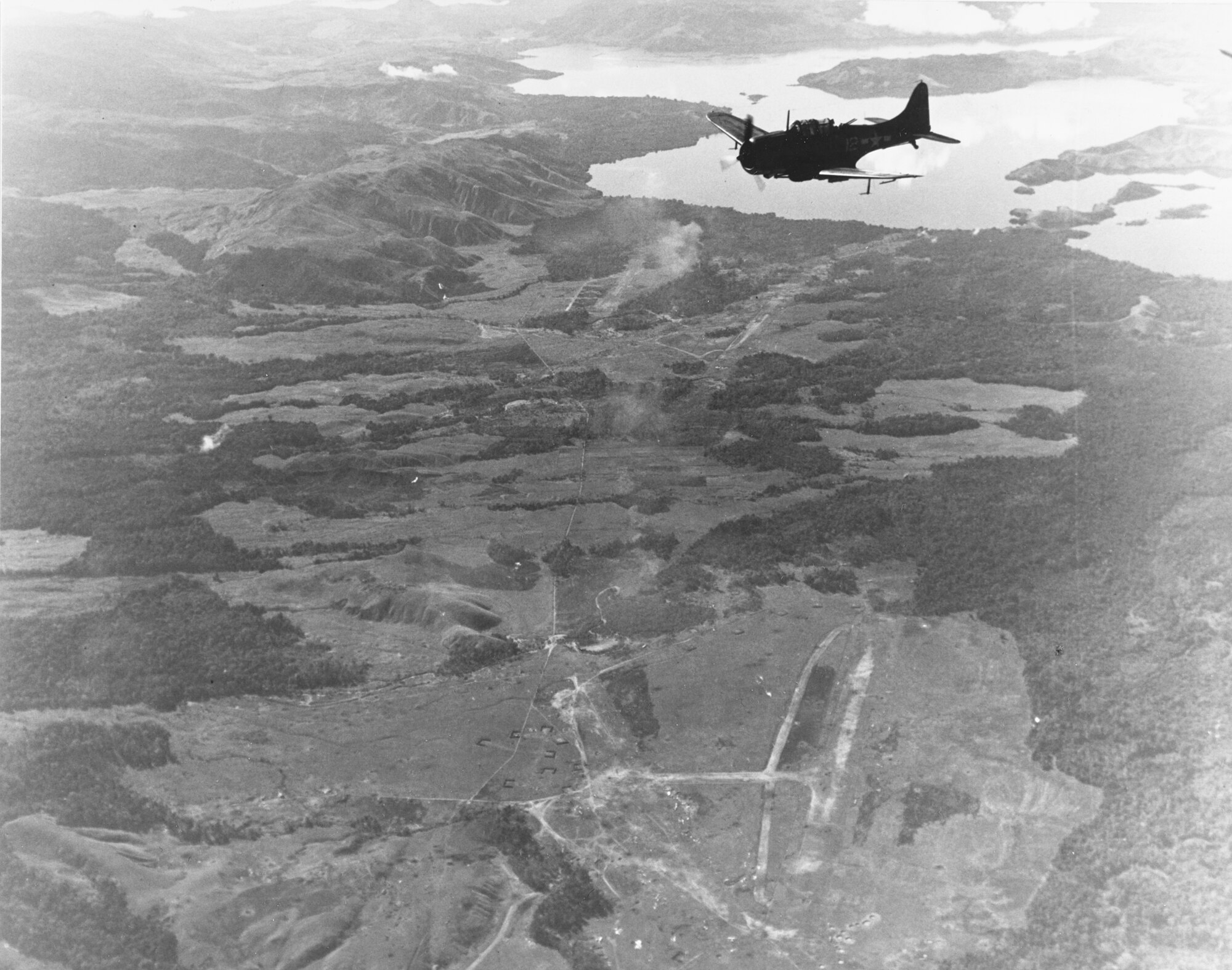
Air Strike Over New Guinea
A U.S. Navy Douglas SBD-5 Dauntless bomber soars toward enemy targets during the carrier raids on Hollandia, New Guinea. This mission, flown on April 21, 1944, was part of a massive Allied effort to reclaim the Pacific theater.
Image via Wikimedia Commons, public domain
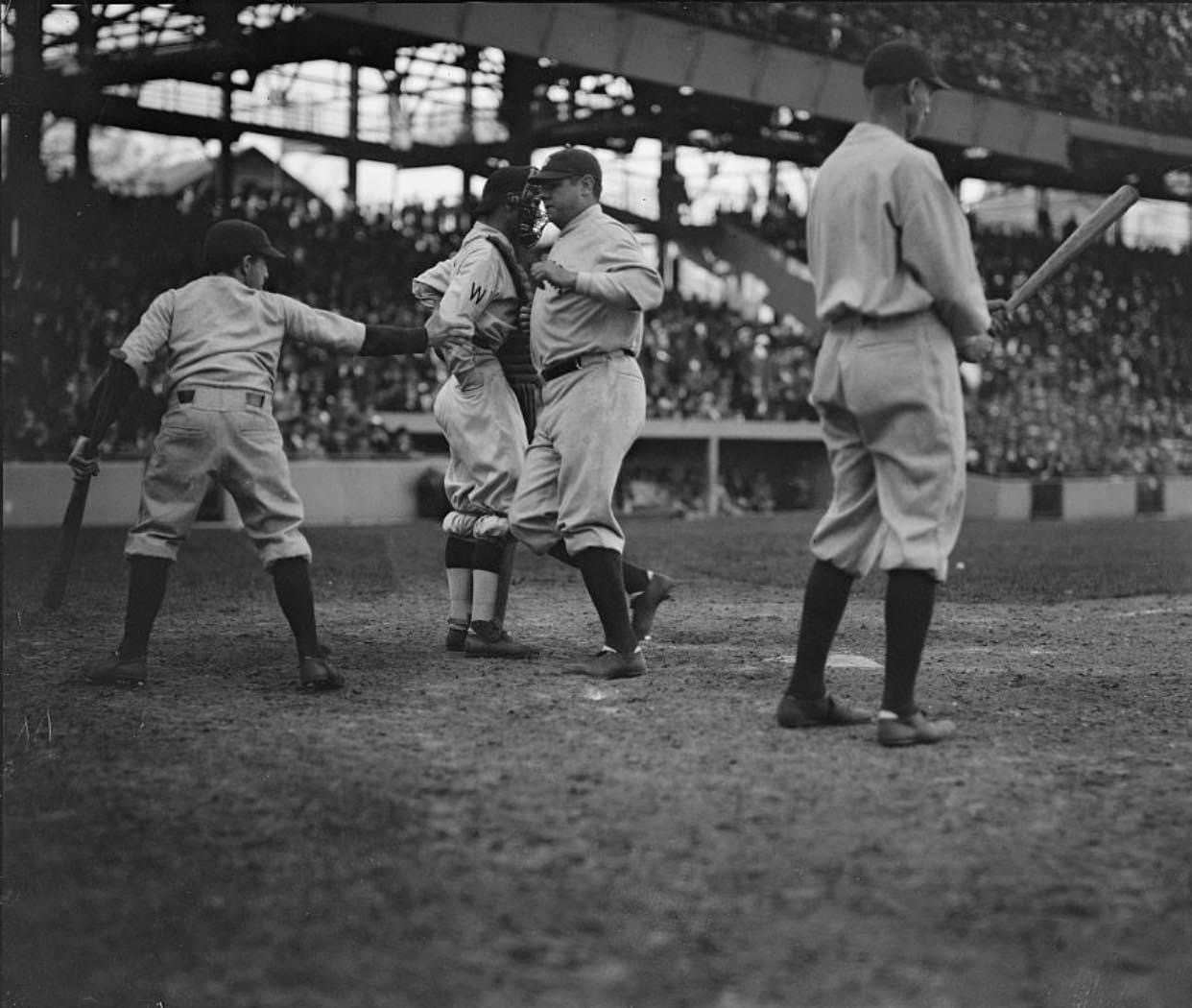
The Sultan of Swat’s Opening Week
Babe Ruth rounds the bases after a home run against the Washington Senators on April 21, 1924. This early-season blast showcased the power that made “The Bambino” the most celebrated figure in the history of the American pastime.
Image via Library of Congress, no known restrictions
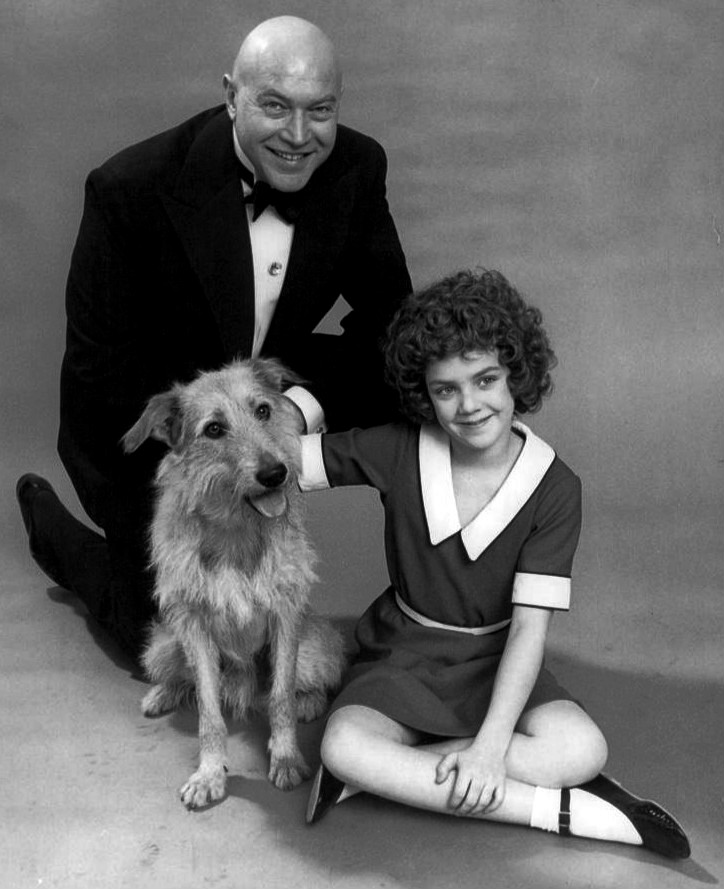
Tomorrow is Only a Day Away
The sun came out for the original Broadway production of Annie, which premiered at the Alvin Theatre on April 21, 1977. Starring Andrea McArdle and Reid Shelton, the show became an instant cultural phenomenon and a multi-Tony Award winner.
Image: Publicity photo of Andrea McArdle as Annie, Reid Shelton as Daddy Warbucks and Sandy from the Broadway musical Annie via Wikimedia Commons, public domain
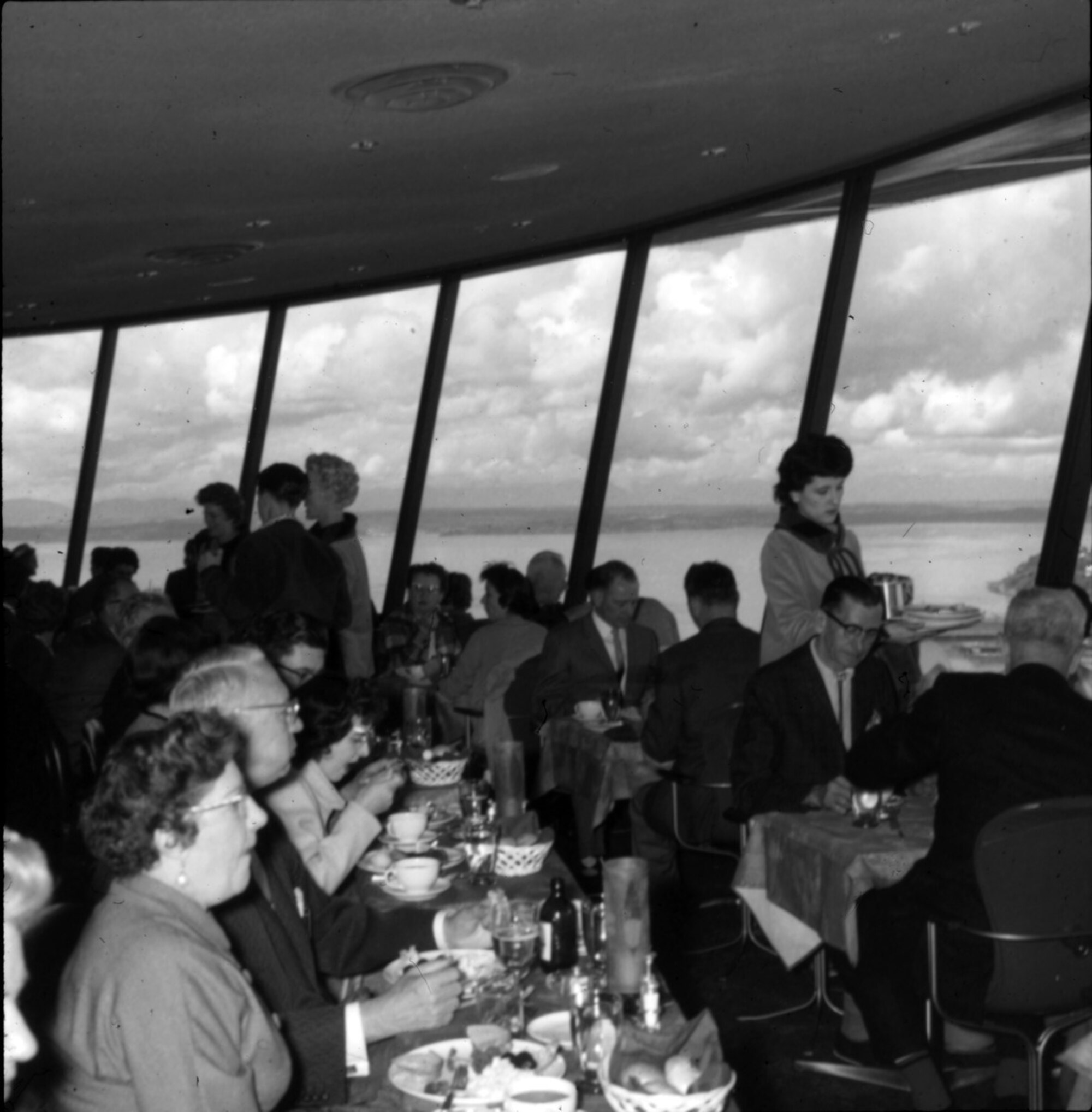
The Future Arrives in Seattle
On April 21, 1962, the Century 21 Exposition—better known as the Seattle World’s Fair—officially opened its gates. The event debuted the iconic Space Needle, where guests could dine at the “Eye of the Needle” while taking in a 360-degree view of the Pacific Northwest.
Image from Seattle Municipal Archives from Seattle, WA via Wikimedia Commons, CC BY 2.0
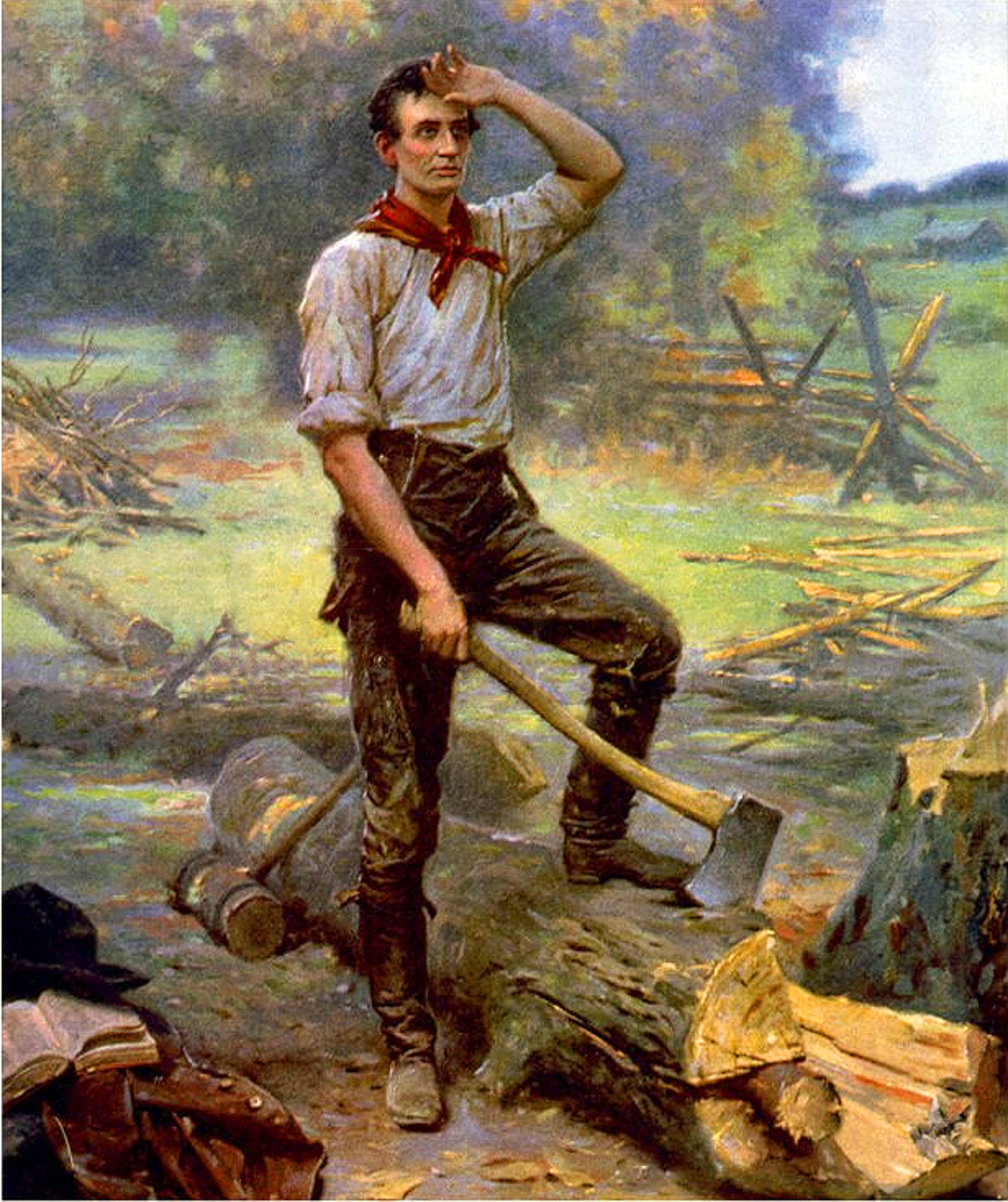
Lincoln Answers the Call to Service
Long before his presidency, Abraham Lincoln enlisted in the Illinois Militia on April 21, 1832. Serving during the Black Hawk War, Lincoln’s time as a volunteer soldier helped shape the leadership skills he would later use to guide the nation.
Image via Wikimedia Commons, public domain
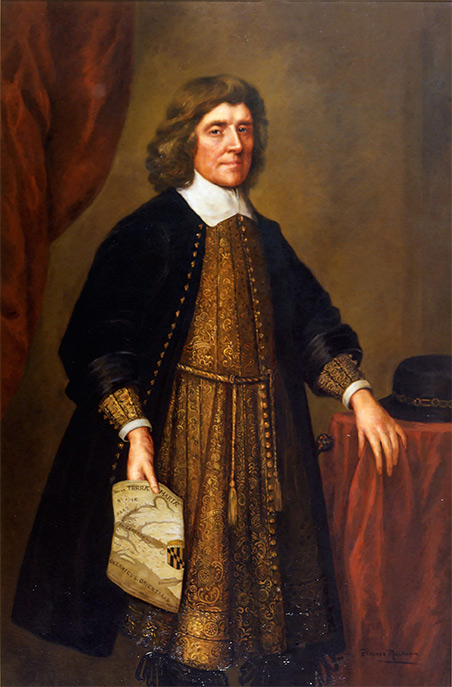
The Maryland Toleration Act (1649)
Passed April 21, 1649 — St. Mary’s City, Maryland
On April 21, 1649, the Maryland assembly enacted the Maryland Toleration Act, one of the earliest laws in the English colonies to guarantee freedom of worship for all Trinitarian Christians. Though approved by the colonial legislature in St. Mary’s City, the measure was driven by Cecil Calvert, 2nd Baron Baltimore, the Catholic proprietor who shaped Maryland’s founding vision. From England, Calvert pressed for a legal framework that would protect Maryland’s Catholic minority and stabilize the young colony, laying an early foundation for the broader American principle of religious liberty.
In the portrait, the map beside Calvert reads “Nova Terrae Mariae Tabula” — “A Map of the Land of Mary” — a visual claim to the proprietary colony he governed from afar. The full-length composition originally included his grandson, also named Cecil, and an unidentified young servant, forming a tableau of wealth meant to signal to his English peers that Maryland was both stable and profitable.
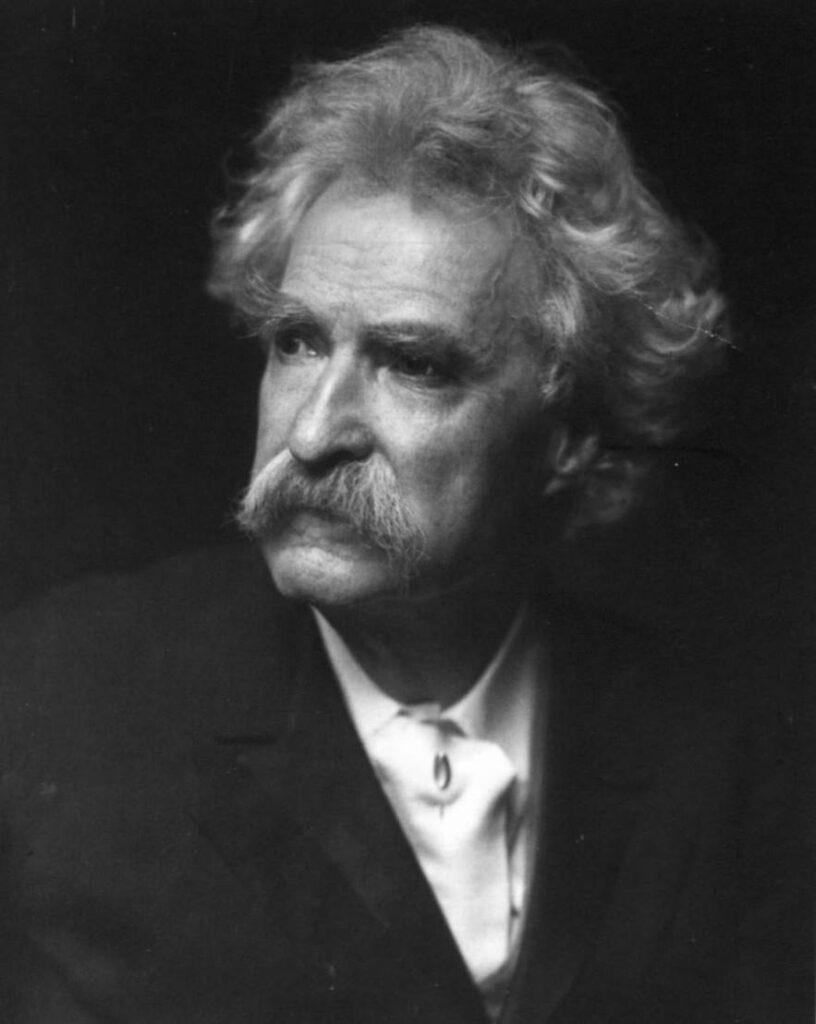
The Mark Twain Legacy (1910)
Passed away April 21, 1910 — Redding, Connecticut
The United States lost its most celebrated humorist and cultural critic when Samuel Clemens — known to the world as Mark Twain — died on April 21, 1910. Author of The Adventures of Huckleberry Finn, The Adventures of Tom Sawyer, and a lifetime of essays, lectures, and travel narratives, Twain reshaped American literature with a voice that blended frontier storytelling, sharp satire, and moral clarity. His work exposed national hypocrisies, championed ordinary people, and helped define an American identity rooted in humor, skepticism, and plainspoken truth.
Twain’s death came just one day after Halley’s Comet returned — the same celestial visitor that appeared the year he was born — a coincidence he famously predicted. More than a century later, his wit, his warnings, and his restless curiosity remain fixtures of the American imagination.
As he once wrote, “To get the full value of joy you must have someone to divide it with.”
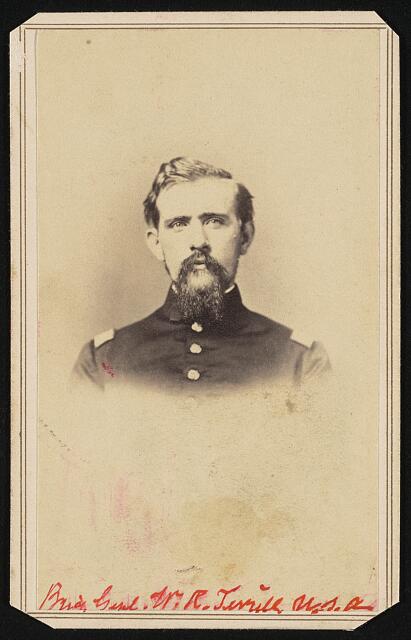
A Virginian Who Chose the United States
Brigadier General William Rufus Terrill (April 21, 1834–October 8, 1862)
Born in Covington, Virginia, on April 21, 1834, Terrill came from a family that would ultimately support the Confederacy. He chose a different allegiance. A West Point–trained career officer, he declared his loyalty to the United States in unmistakable terms at the outbreak of war—so unmistakable that his own father publicly disowned him for it.
Promoted to brigadier general in September 1862, Terrill took command of the 33rd Brigade in the Army of the Ohio. At Perryville on October 8, 1862, he led his largely untested troops into their first major fight. A Confederate shell burst near him late in the afternoon, driving shrapnel through his chest. Terrill died that night, one of the earliest Union generals to fall in the Western Theater.
His Confederate‑aligned family refused to claim his body, and he was laid to rest at West Point. Two years later, his brother James—by then a Confederate general—was also killed in battle, making the Terrills one of the few American families to lose sons as generals on opposing sides.