

On April 2, 1925, a new design for the Oklahoma state flag was officially adopted. Created by Louise Funk Fluke, it features the Osage Nation buffalo-skin shield, crossed with a peace pipe and an olive branch, symbolizing peace and reflecting the state’s Native American heritage. In 1941, the word “Oklahoma” was added at the bottom to enhance the flag’s recognition. Image via Wikimedia Commons, public domain
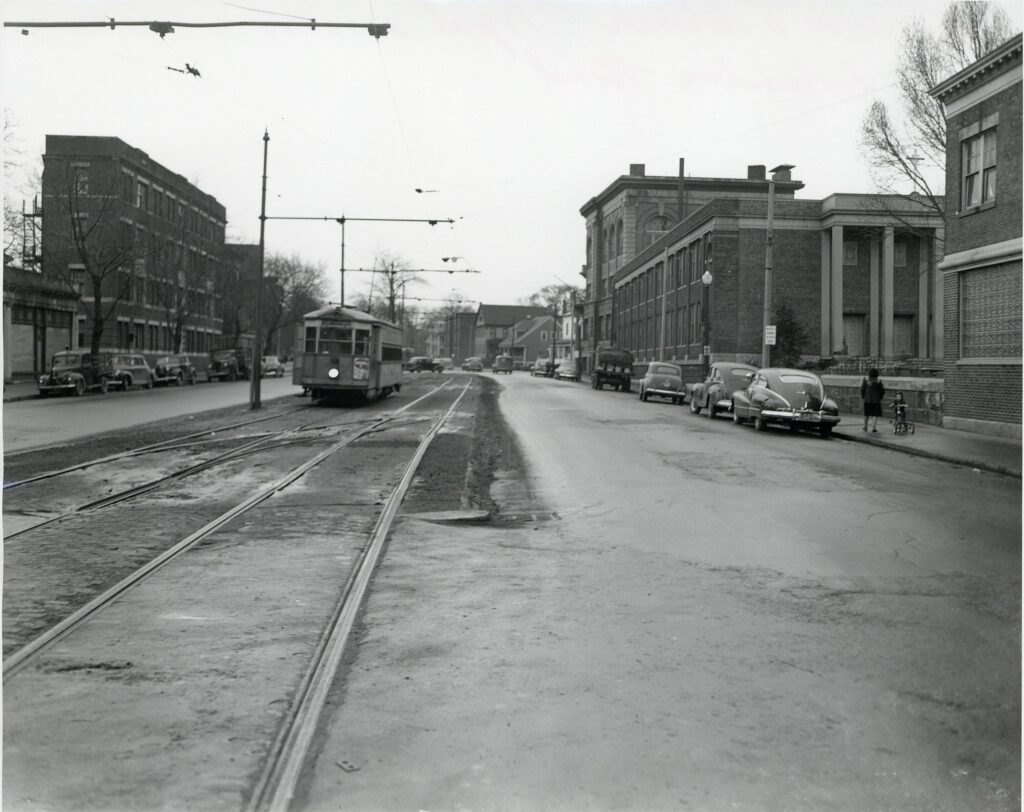
A route 16 trolley in front of Saint Kevin’s Church on Columbia Road, just south of Uphams Corner in Dorchester, Massachusetts on April 2, 1948 Image from Boston Public Works Department via Wikimedia Commons, CC BY 2.0
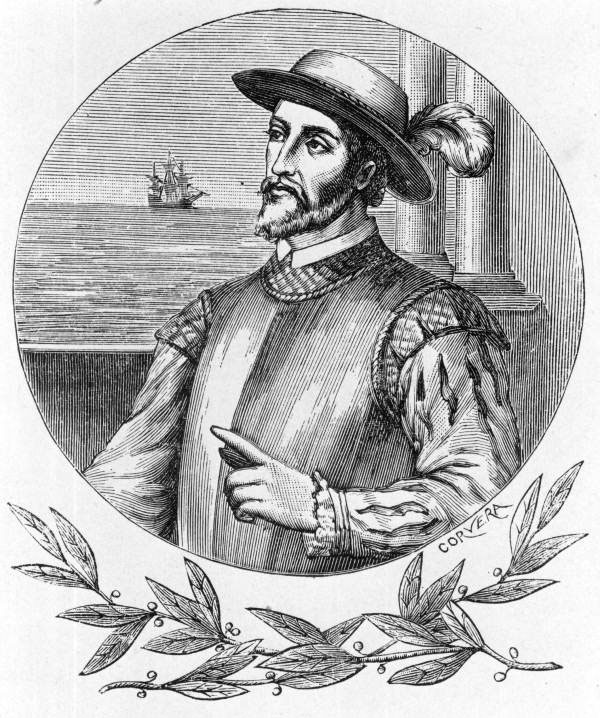
Spanish explorer Juan Ponce de León first sighted the Florida peninsula on March 27, 1513. On April 2, he went ashore—likely somewhere between present‑day St. Augustine and Melbourne Beach—and formally claimed the land for Spain. He named it La Florida, a nod both to the lush landscape and to the Easter season, Pascua Florida, during which he arrived.
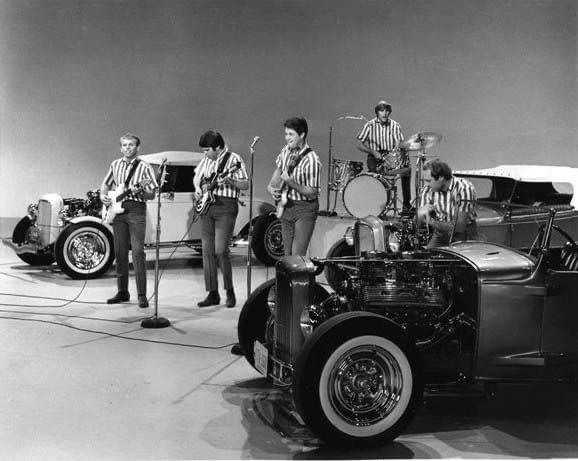
On today’s date April 2, 1964 The Beach Boys began recording their hit song “I Get Around” Image: Trailer screenshot of The Beach Boys performing “I Get Around” on the Ed Sullivan Show in 1964 via Wikimedia Commons, public domain
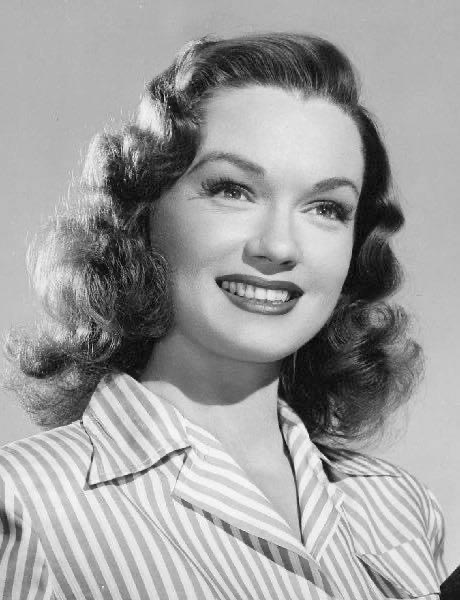
Gloria Henry was born on April 2, 1923 in New Orleans, Louisiana. Here’s a photo of Gloria about 12 years before she starred as Mrs. Alice Mitchell in the popular TV show Dennis the Menace. Image by Columbia Pictures via Wikimedia Commons, public domain
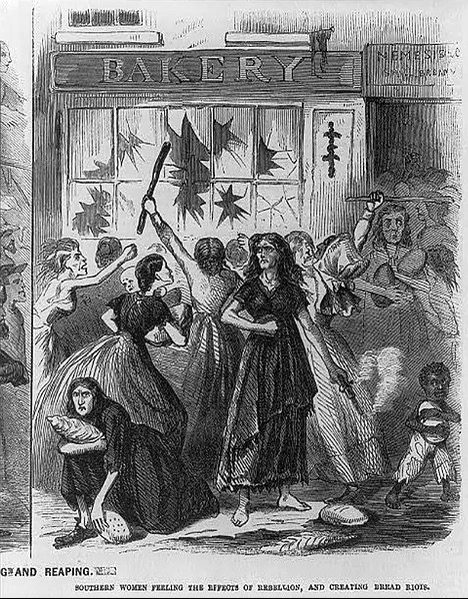
On April 2, 1863 Confederate capital Richmond, Virginia was the scene of civil unrest sparked by shortages and high prices of food. Called the Bread Riot, a group of about 5,000, mostly poor women, broke into and looted about a dozen stores and warehouses until order was restored. Wikimedia Commons, public domain in the US
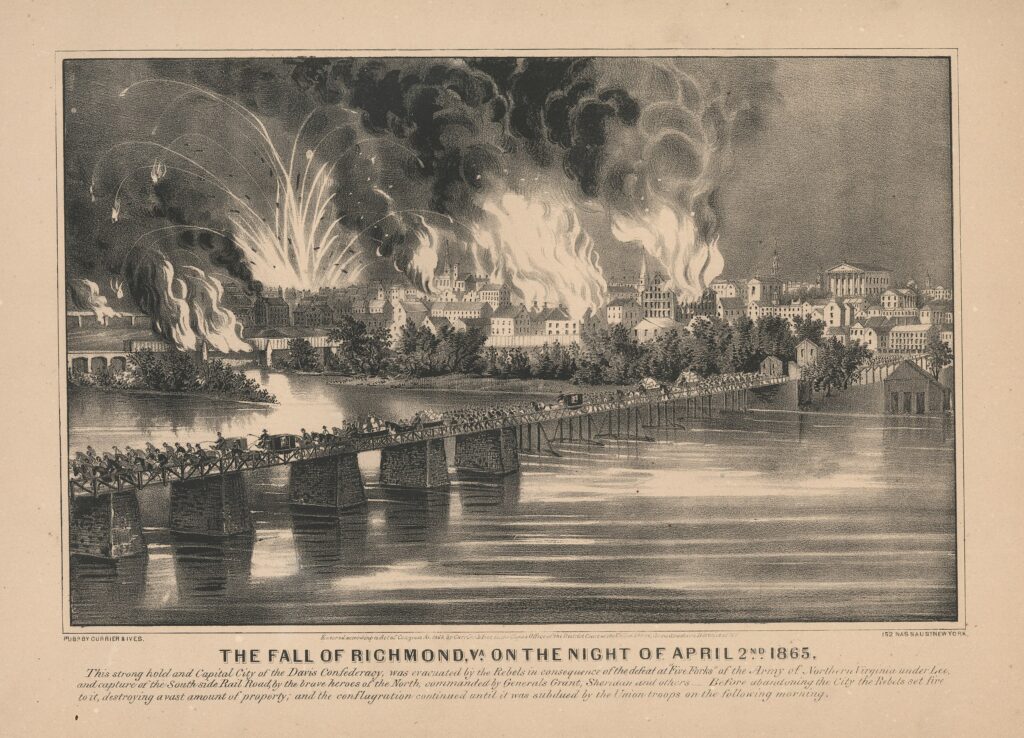
The Fall of Richmond, Va. on the Night of April 2, 1865. Image via Wikimedia Commons, public domain
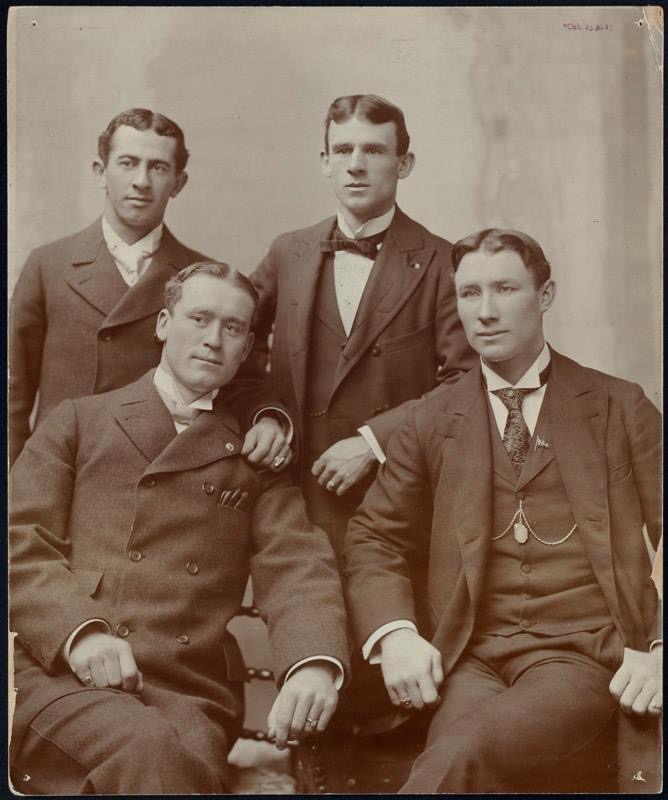
On today’s date April 2, 1869: American baseball player, coach and manager Hughie Jennings was born in Pittston, Pennsylvania. Hughie, while playing for the Baltimore Orioles during the 1896 season, was hit by 51 pitches – the most times a batter was hit by pitches during a single season. Photo: Hughie Jennings (seated right) next to fellow star Baltimore Orioles: Joe Kelly (seated left), outfielder Wee Willie Keeler (standing left) and third baseman John T. McGraw (standing right): c. 1895 by BPL CC BY 2.0 via Wikimedia Commons

On today’s date April 2, 1968 Stanley Kubrick’s film “2001: A Space Odyssey” had its world premiere at the Uptown Theater in Washington, D.C. Image via Wikimedia Commons, public domain
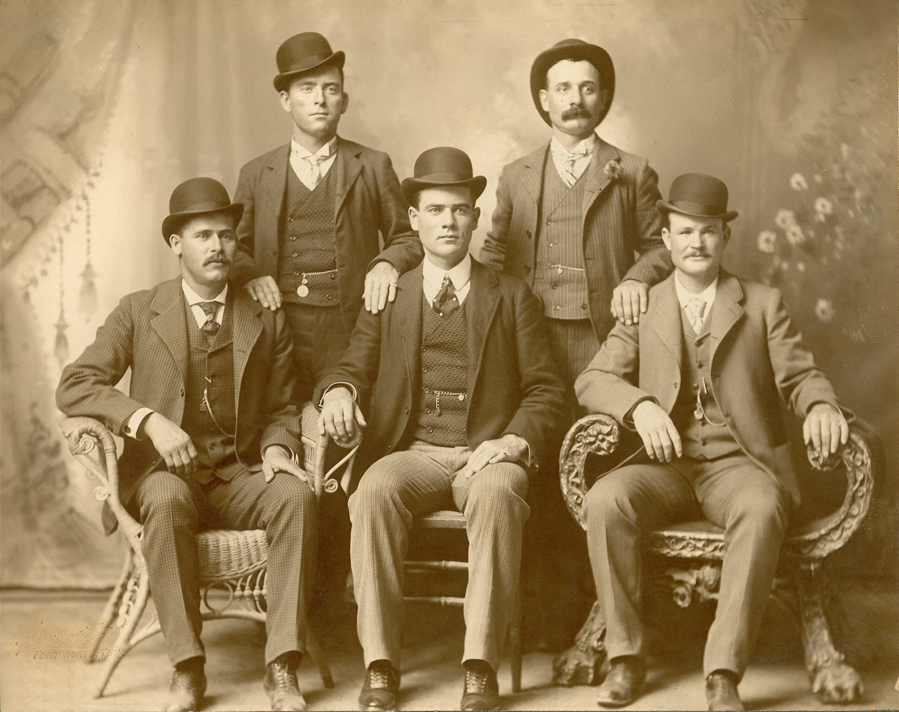
American outlaw Will Carver, standing on the left in the back row in this famous Wild Bunch photo, was shot and killed by Sheriff E. S. Briant and his deputies in the Jack Owens’ Bakery on the evening of April 2, 1901 in Sonora, Texas. Image via Wikimedia Commons, public domain
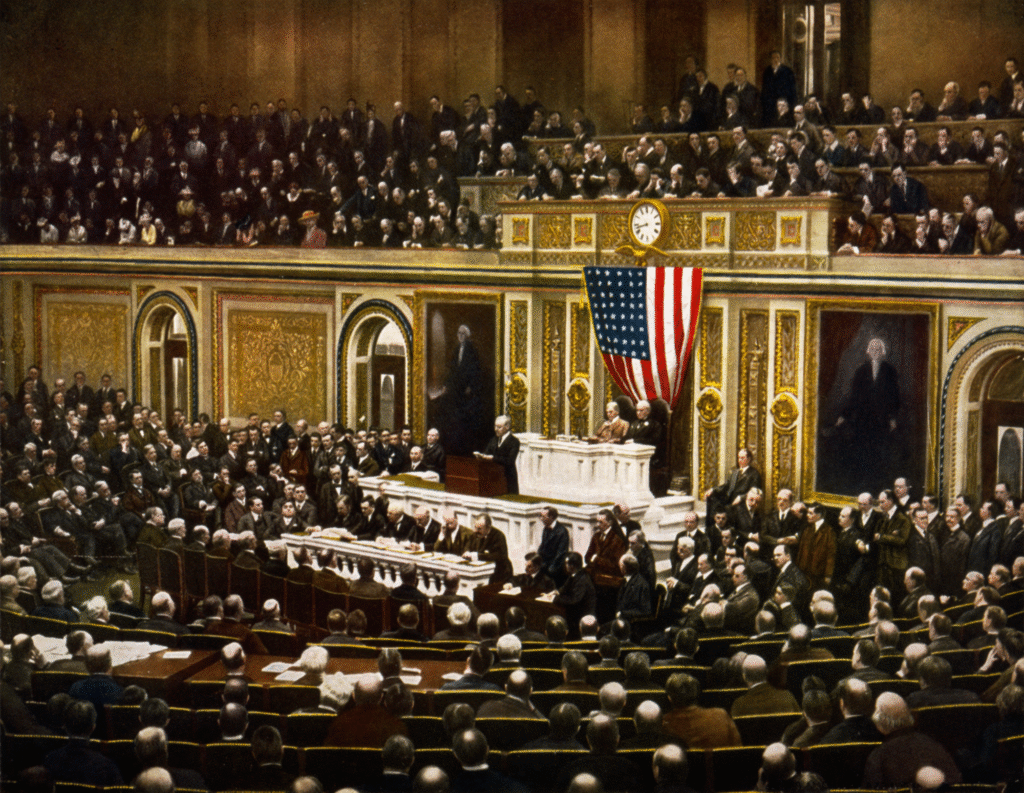
President Woodrow Wilson asking Congress to declare war on Germany on April 2, 1917, causing the United States to enter World War I. Image via Wikimedia Commons, public domain
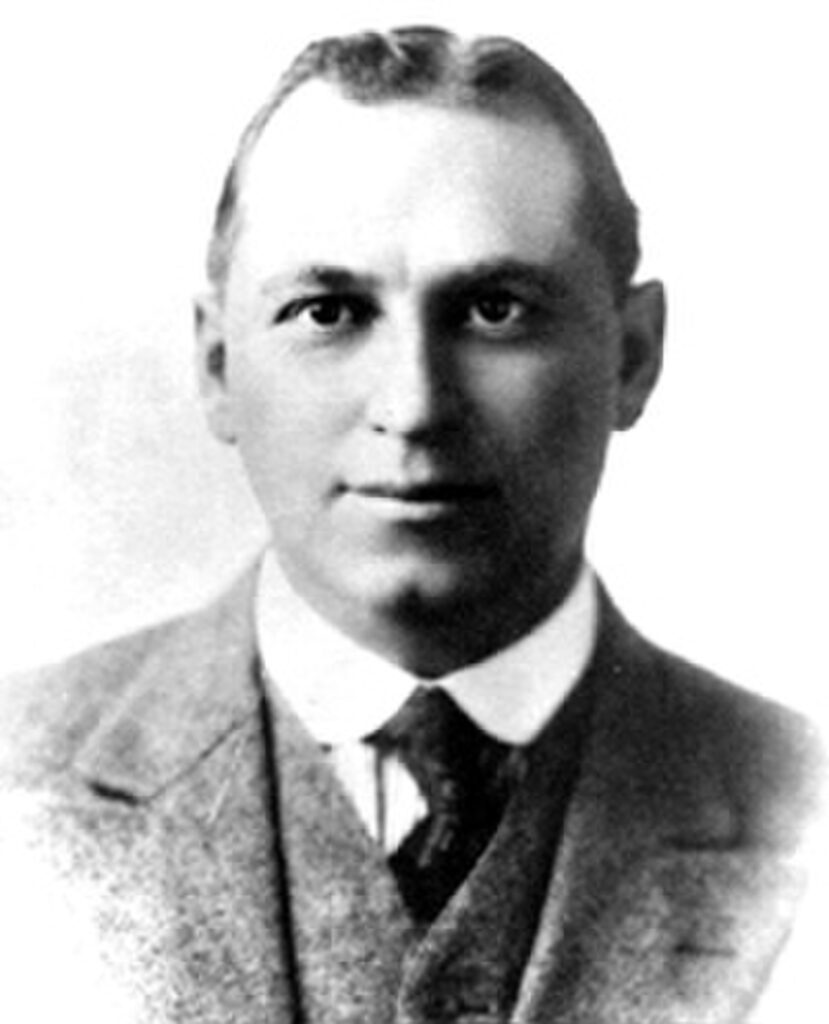
Founder of the Chrysler Corporation, Walter Percy Chrysler, was born on April 2, 1875 in Wamego, Kansas. Before becoming one of the wealthiest men in America, Chrysler started as a railroad mechanic. Image via Wikimedia Commons, public domain
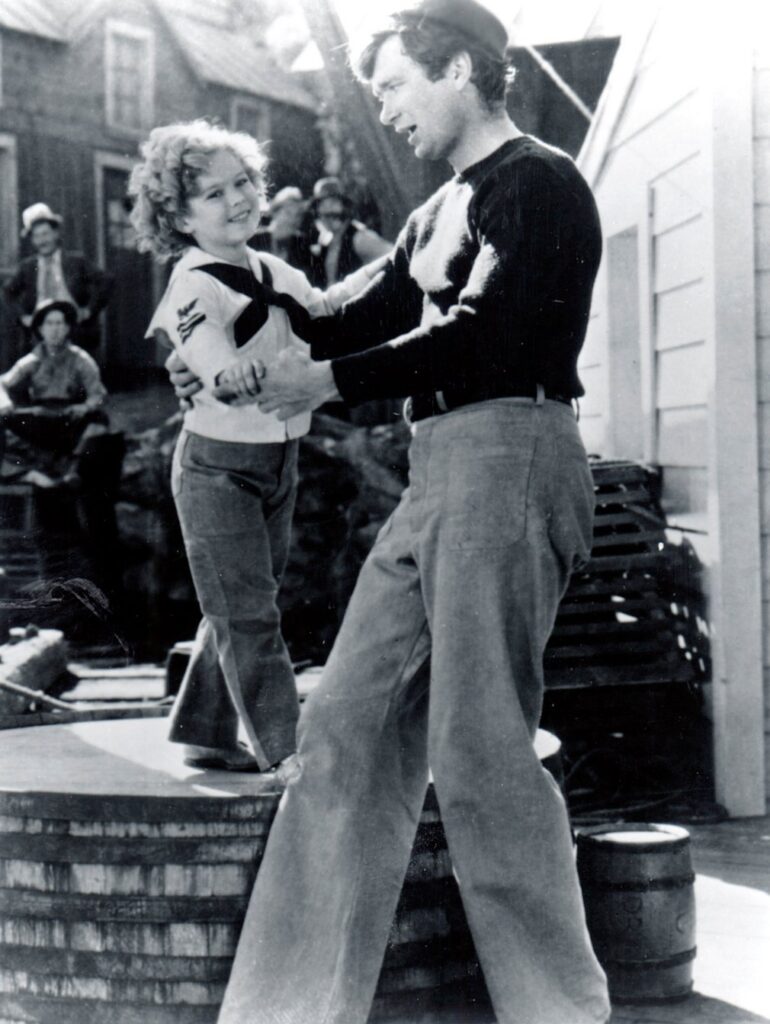
American actor and WWII U.S. Coast Guard veteran Buddy Ebsen was born on April 2, 1908 in Belleville, Illinois. Before playing the role of Jed Clampett in the TV series, the Beverly Hillbillies, Ebsen performed on Broadway with his sister and appeared in musical films. Here he is dancing with Shirley Temple in the 1936 movie musical Captain January. Image via Alamy
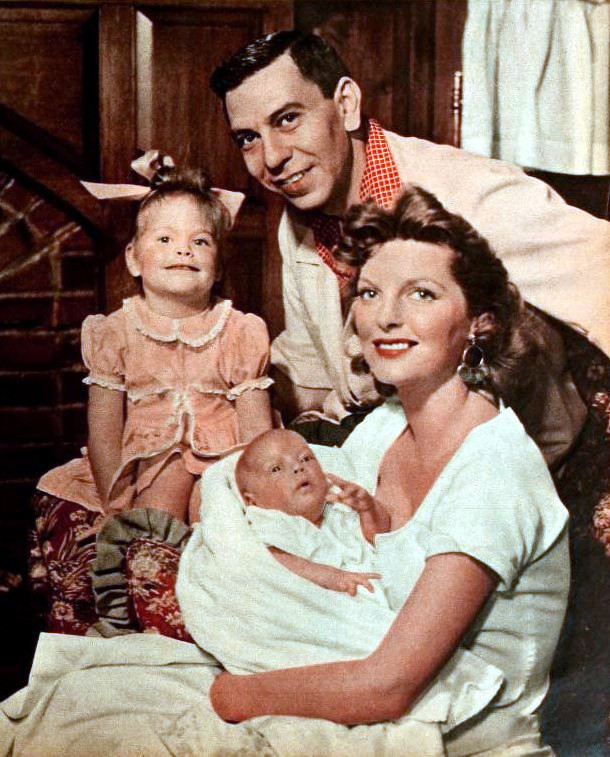
Jack Webb was born on April 2, 1920, and by the time this 1953 family portrait was taken, he had already reshaped American crime storytelling. Raised by a single mother during the Depression, Webb developed the disciplined, detail‑driven temperament that later defined Dragnet. Off‑camera, he was a devoted jazz enthusiast who once dreamed of being a cornet player, filling his home with records, modern art, and the cool routines that steadied him between long production days.
This photograph captures him in a brief, poignant window: Dragnet was exploding across radio and television, while his private world—shared here with wife Julie London and their daughters—remained small and tender. At 33, Webb was balancing the demands of a cultural phenomenon with the responsibilities of a young father, building a life far more textured than the clipped, no‑nonsense persona audiences knew.
On his birthday, this 1953 image reminds us that Webb’s legacy wasn’t only procedural realism—it was the profound tension between his relentless work and the fragile, human world he returned to at the end of each day.
Image via Wikimedia Commons, public domain
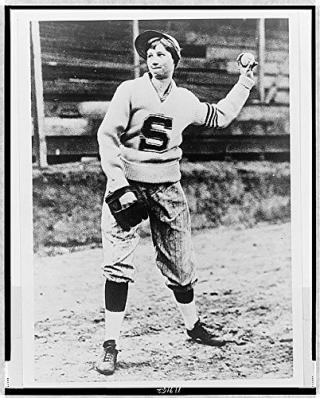
On April 2, 1931, 17‑year‑old Jackie Mitchell—one of the few women pitching professionally in the era—took the mound for the Chattanooga Lookouts and delivered one of baseball’s most unforgettable innings. With a smooth left‑handed delivery and a sharp breaking ball taught to her by Hall of Famer Dazzy Vance, Mitchell struck out Babe Ruth and Lou Gehrig back‑to‑back, leaving two of the game’s most feared hitters walking away in disbelief.
For a brief moment that afternoon, a teenage girl in a wool uniform forced the mighty Yankees to reckon with her talent. Whether the exhibition carried a hint of showmanship or not, the strikeouts were real, witnessed by thousands, and reported nationwide. Mitchell’s inning became a landmark in the long, uneven history of women pushing against baseball’s closed doors.
Nearly a century later, her performance still stands as a reminder that a female pitcher once faced down legends—and beat them.
Image via Wikimedia Commons, public domain
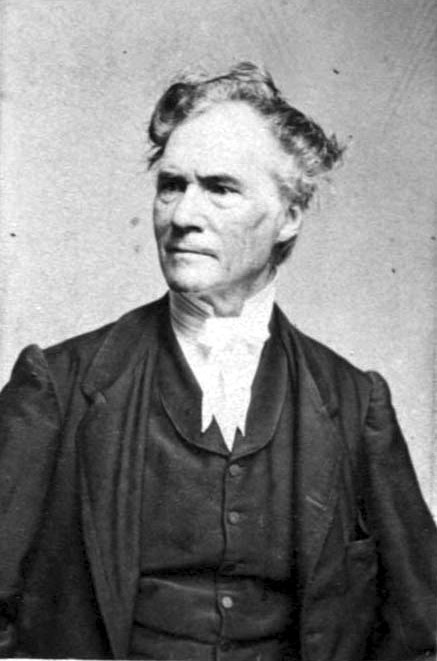
On April 2, 1827, Joseph Dixon—a self‑taught inventor with a printer’s eye and an engineer’s restlessness—fired up a small workshop in Salem, Massachusetts, and began manufacturing graphite pencils. He had spent years experimenting with graphite in crucibles, lubricants, and printing plates, but the pencil offered something different: a tool that could put American ingenuity directly into people’s hands.
Working in a cramped Salem shop, Dixon mixed graphite and clay with obsessive precision, built better molds, and designed machinery that pushed pencil‑making from craft to early industry. He was part artisan, part visionary—an inventor who patented everything from steam‑powered machines to the graphite crucibles used in foundries across the country.
But it was this 1827 venture—humble, practical, and born of pure experimentation—that grew into the JosephDixon Crucible Company, later known worldwide as Dixon Ticonderoga. From a North Shore workshop on an April morning, Dixon didn’t just make pencils—he a homegrown industry that would shape American classrooms, drafting tables, and workbenches for generations
