The Rebel Who Saved Christmas
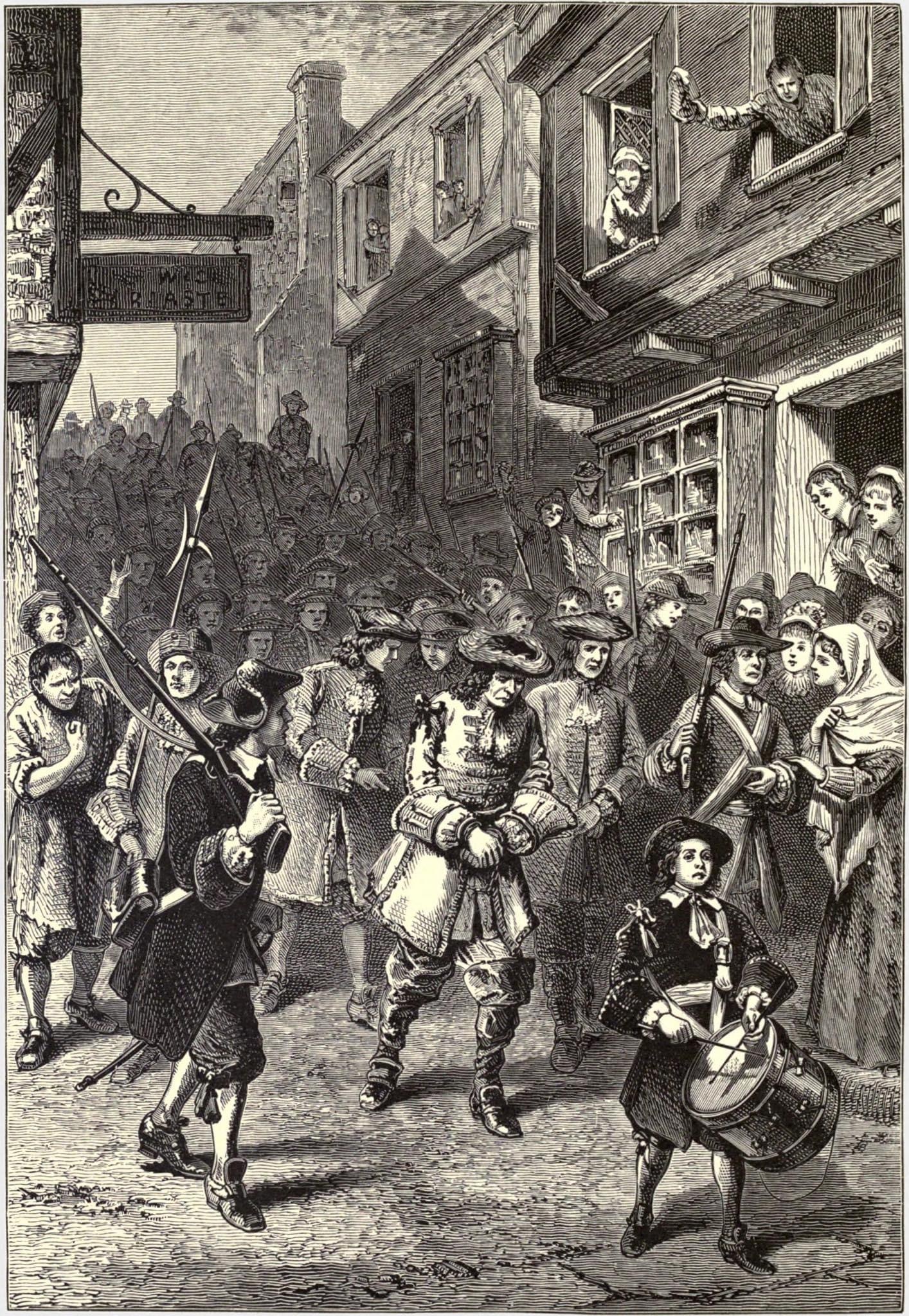
Before he was hauled off to a Boston jail, Sir Edmund Andros was the man who dared to defy the somber Puritan “Laws of God.” For decades, celebrating Christmas in Massachusetts was a crime punishable by fines. Andros, an Anglican, forcibly brought the holiday back, filling the air with carols that had been silenced for a generation. But on April 18, 1689, his royal authority couldn’t protect him. When Bostonians learned the “Glorious Revolution” had toppled King James II in England, they didn’t just see a political shift; they saw a chance to reclaim their city, dragging the man who brought them joy—and royal taxes—into a cold prison cell.
Image via Wikimedia Commons, public domain
The Journalist with a Warrior’s Soul
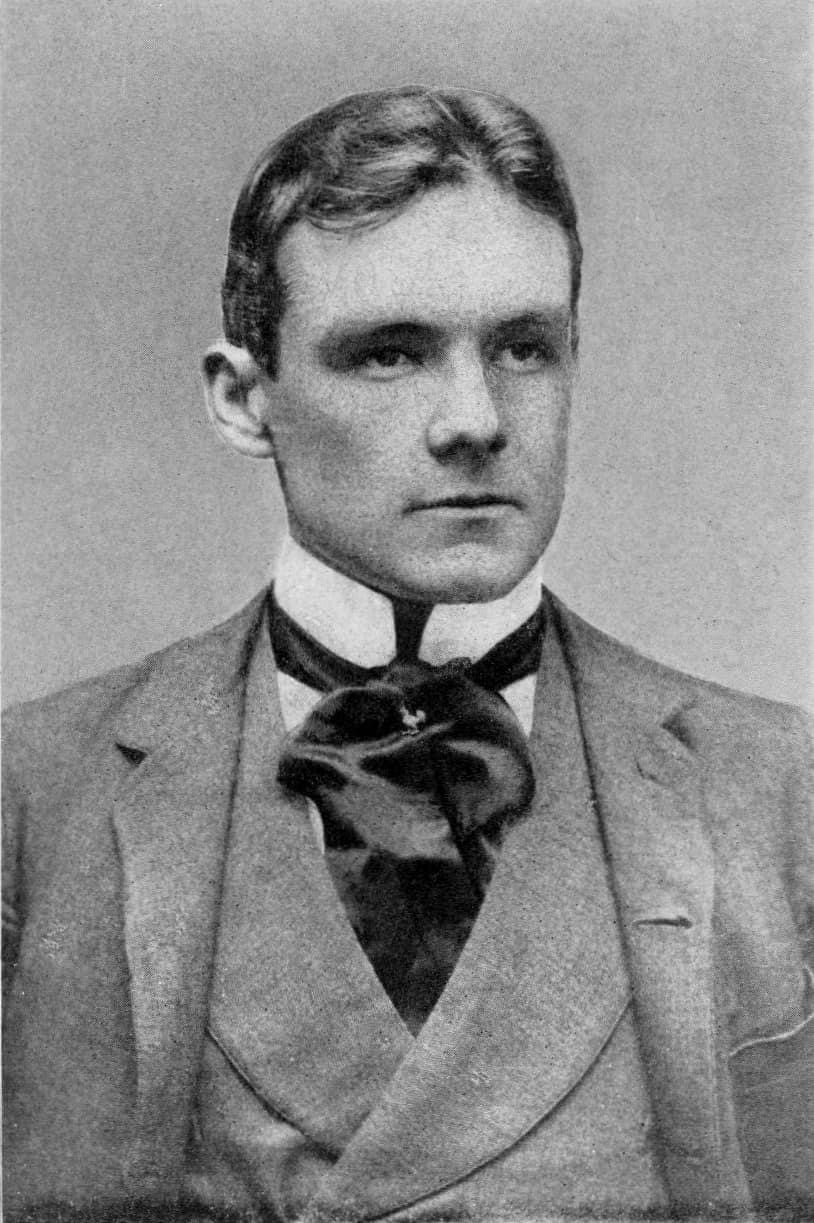
Richard Harding Davis, born this day in 1864, was the original “Star Correspondent.” With his chiseled jaw and impeccable suits, he looked more like a leading man than a war reporter. Yet, he lived for the front lines. His friendship with Theodore Roosevelt wasn’t just social; Davis was the one who immortalized the “Rough Riders” in the American psyche, turning a ragtag group of volunteers into legends. He didn’t just write history; he helped manufacture the heroics we remember today, proving that a pen could be as mighty as a saber.
Image via Wikimedia Commons, public domain
The Day the Earth Groaned
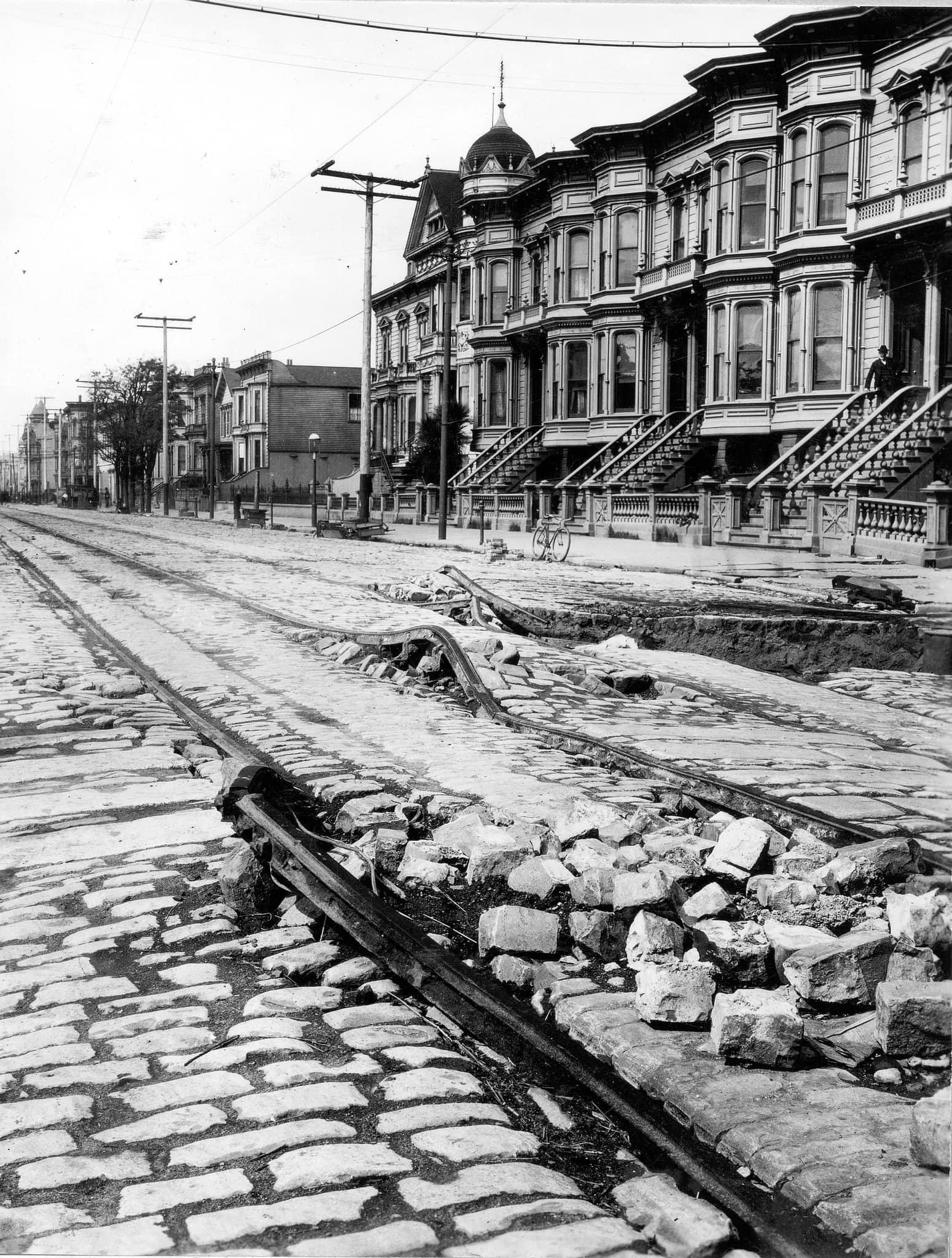
At 5:12 AM on April 18, 1906, San Francisco didn’t just shake—it transformed. The bent streetcar rails and buckled stones were the scars of a city being torn apart by the San Andreas Fault. But in the shadow of the smoke and the twisted steel, the “heart” of history emerged: neighbors who had never spoken shared bread in the streets, and a city of ruins made a collective vow to rise again. The photo of those warped tracks is a haunting reminder that even the strongest foundations are temporary, but the human will to rebuild is permanent.
via Wikimedia Commons, public domain
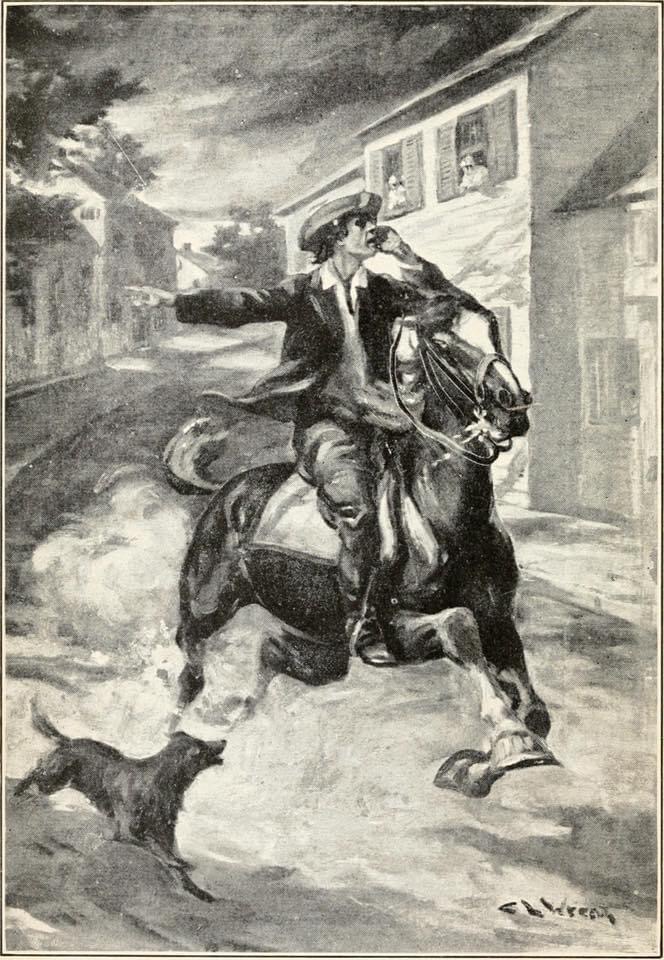
The Spark that Kindled a Nation
Longfellow’s poem turns Paul Revere into a solitary ghost, but the truth is even more moving. On this night in 1775, Revere wasn’t just riding for “liberty”—he was riding for his neighbors, his friends, and his children’s future. He rowed past British warships in a tiny boat, his heart hammering against his ribs, knowing that one wrong turn meant a gallows rope. Every “knock at the door” was a terrifying risk. Revere’s ride wasn’t just about lanterns; it was the moment an entire people decided they were no longer subjects, but citizens.
Opening the House That Ruth Built
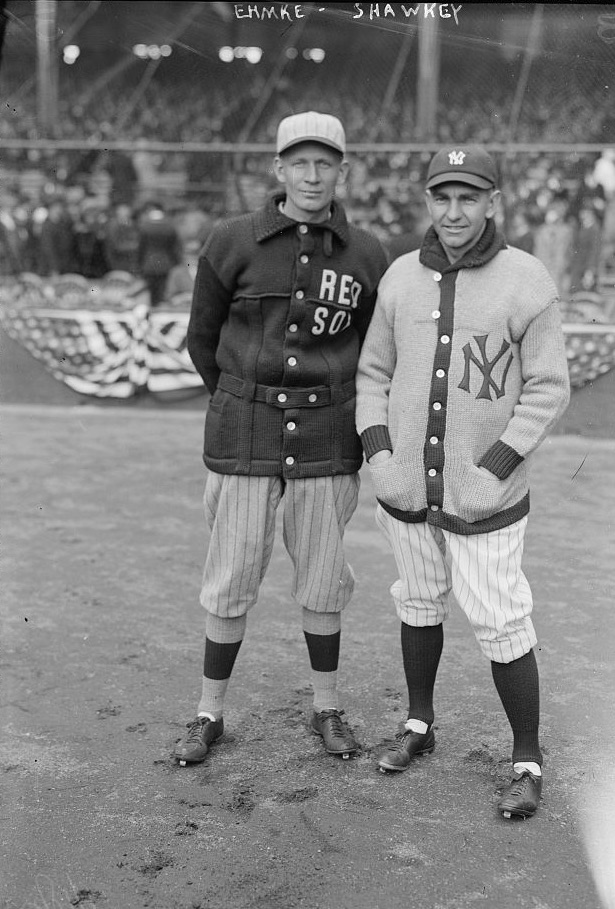
On April 18, 1923, 74,000 people squeezed into the brand-new Yankee Stadium. It was a cathedral of concrete and steel, a symbol of American prosperity after the Great War. Howard Ehmke and Bob Shawkey stood on a mound that would become the most hallowed ground in sports. When Babe Ruth hit a home run that day, the roar was so loud it was said to have “shaken the Bronx.” It wasn’t just a game; it was the birth of a dynasty and a place where common people could forget their troubles for nine innings.
Howard Ehmke of the Boston Red Sox and Bob Shawkey of the New York Yankees at Yankee Stadium, Bronx, New York City, on Opening Day, April 18, 1923
Ehmke pitched a no-hitter later that season and Shawkey and his New York Yankees would go on to win their first World Series that year.
Image from LOC, no known restrictions

The Impossible Mission of the Doolittle Raiders
Four months after Pearl Harbor, America was reeling. On April 18, 1942, sixteen B-25 bombers did something they were never designed to do: take off from the short, swaying deck of the USS Hornet. Jimmy Doolittle and his “Raiders” knew they likely wouldn’t have enough fuel to reach safety. It was a mission born of sheer desperation and incredible bravery. They didn’t win the war that day, but they did something more important—they gave a grieving nation its first glimmer of hope.
via Wikimedia Commons, public domain
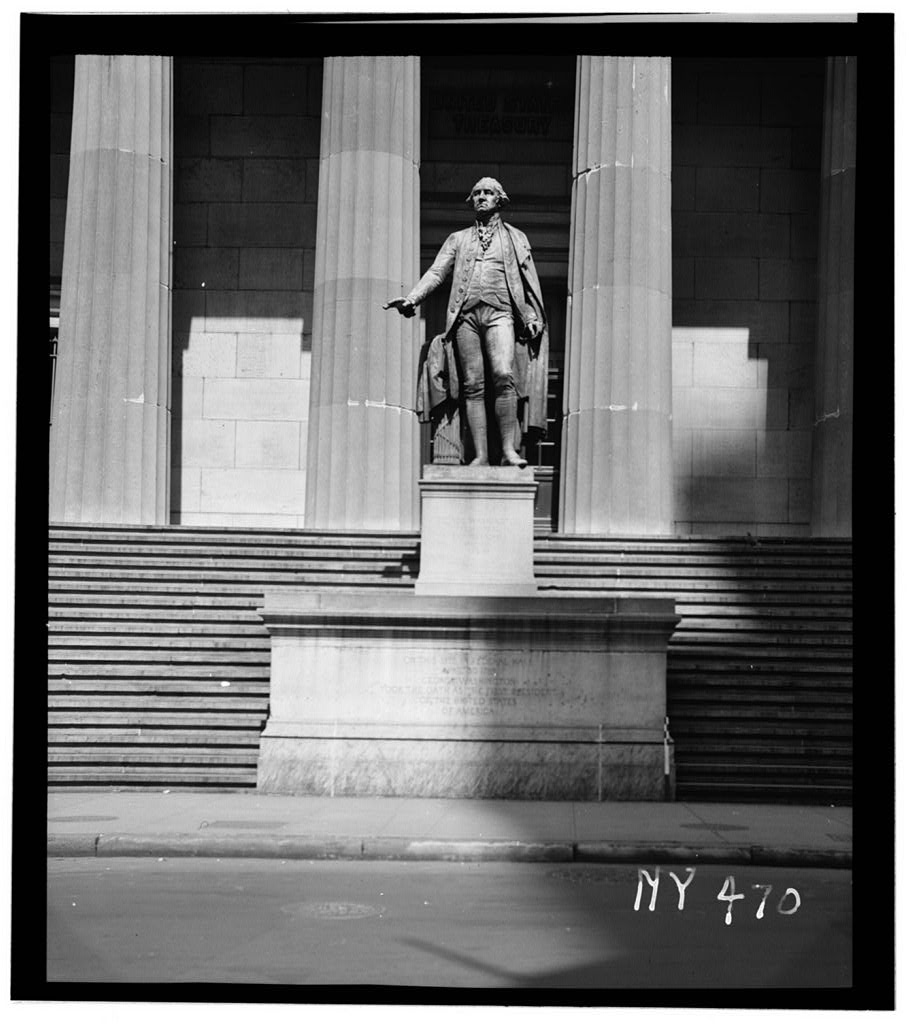
The Sentinel of Wall Street
The photo captures the U.S. Custom House on April 18, 1937, but the statue itself is a guardian of a much older memory. It stands on the very site where George Washington took the first-ever presidential oath of office, stepping onto the balcony of what was then Federal Hall. On this spring day in 1937, as the world teetered on the edge of uncertainty, Washington’s bronze likeness remained a steady, unmoving presence amidst the hustle of New York’s financial heart. It serves as a permanent reminder that no matter how much the skyline changes, the principles of the Republic are rooted in this single, sacred piece of earth.
via LOC, no known restrictions
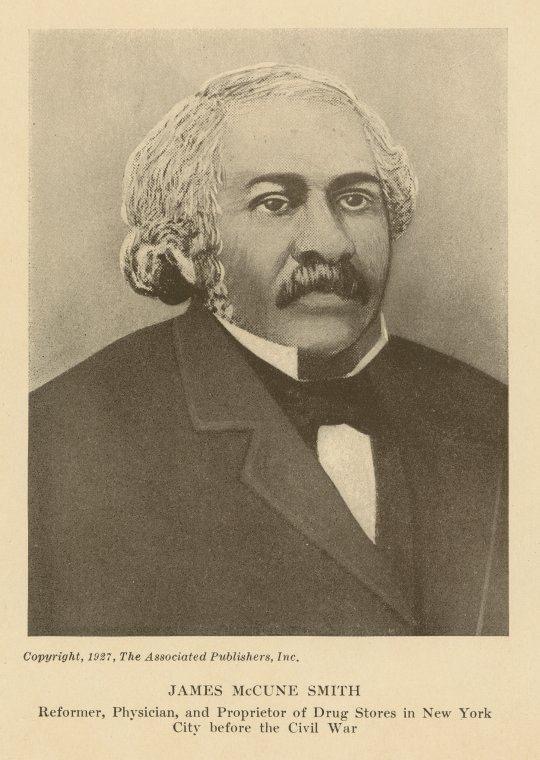
James McCune Smith’s Quiet Revolution
Born into a world that sought to limit him, James McCune Smith (born April 18, 1813) refused to be defined by the shadows of slavery. Denied entry to American medical schools because of his race, he crossed an ocean to Scotland to earn his degree. When he returned to Manhattan, he didn’t just heal bodies; he healed communities as a fierce abolitionist. He was a man of “firsts,” but his heart was always with the “last,” proving that brilliance knows no color.
Photo: Schomburg Center for Research in Black Culture, Photographs and Prints Division, The New York Public Library. “James McCune Smith, physician and abolitionist.” New York Public Library Digital Collections.
When Elmore City Finally Danced
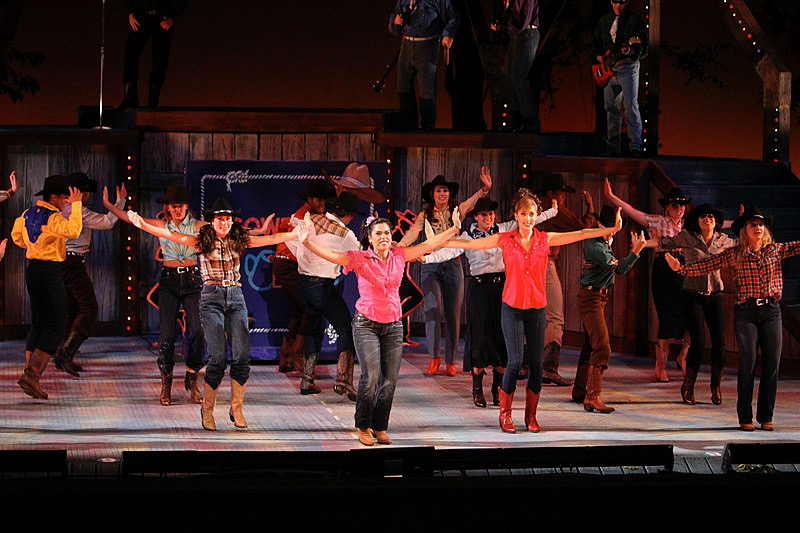
For nearly a century, the music stayed low in Elmore City, Oklahoma. Dancing was seen as a moral trap until a group of teenagers in 1980 asked for a simple prom. The tension was real—preachers cited scripture, while parents argued for their children’s joy. When the school board finally said “yes” on April 18, it wasn’t just a dance; it was a town choosing to trust its youth. It reminded the world that tradition is a guide, but joy is a necessity.
Shown is a stage production of the film. Image by meetmeatthemuny , CCA-SA 4.0 International
More Than a Secretary: Della Street’s Legacy
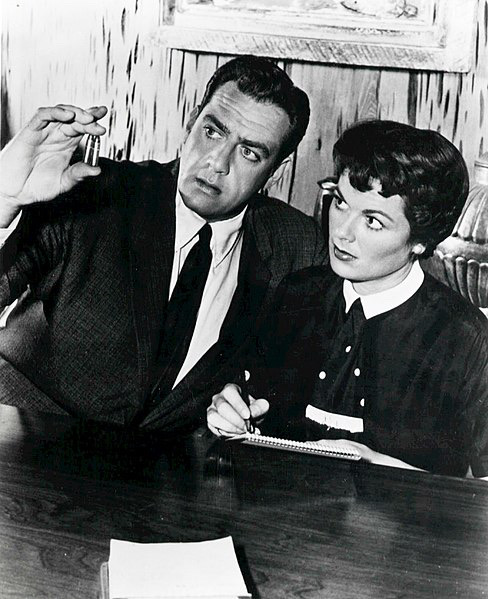
Barbara Hale (born this day in 1922) gave us more than just a character in Della Street. In an era when women in the workplace were often sidelined, Della was Perry Mason’s indispensable partner. She was the intuition to his logic. Hale played her with a quiet strength and dignity that inspired a generation of women to see themselves as vital parts of the professional world, proving that the most important roles are often the ones played with the most grace.
Image via Wikimedia Commons, no known copyright, public domain in the US.
Wahoo Sam and the Magic of Three
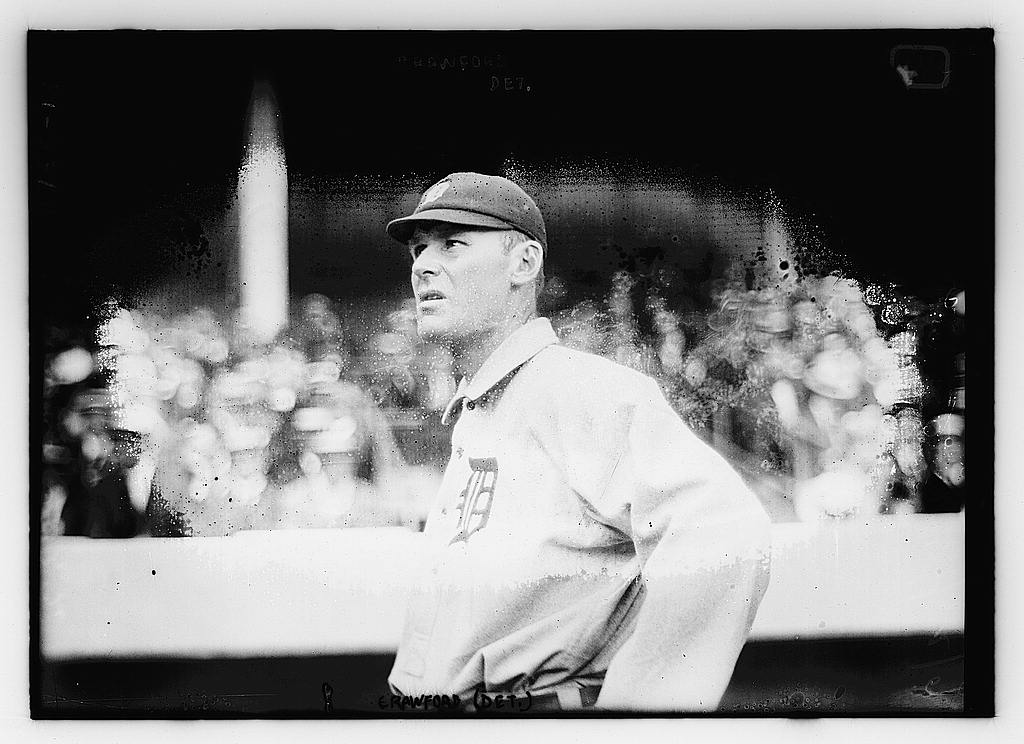
Born on April 18, 1880, in Wahoo, Nebraska, “Wahoo Sam” Crawford was a man who lived for the most exciting play in baseball: the triple. He remains the only player in history to lead both the American and National Leagues in triples. But Sam was more than a slugger; he was a modest, hardworking man who never forgot his small-town roots. He played with a quiet intensity, proving that you don’t have to shout to be a legend—you just have to keep running until you hit third base.
Image via Wikimedia Commons, public domain in the US.
The Son of Jor-El and the Birth of a Legend
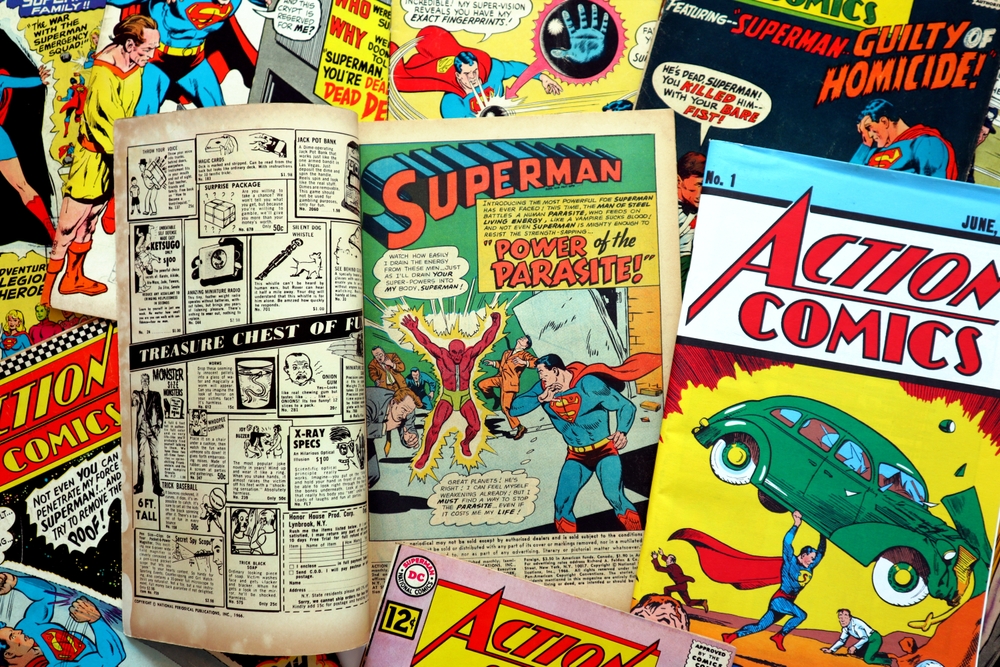
On April 18, 1938, the world changed with a 10-cent magazine. Though the cover is famously dated June, this was the day Action Comics #1 hit newsstands, introducing Superman. Created by two Cleveland teenagers, the “Last Son of Krypton” was sent to Earth by his father, Jor-El, as their world perished. More than just a man who could lift a car, Superman was a beacon of hope for a nation struggling through the Great Depression, launching a modern mythology that still inspires us today
Image via Shutterstock
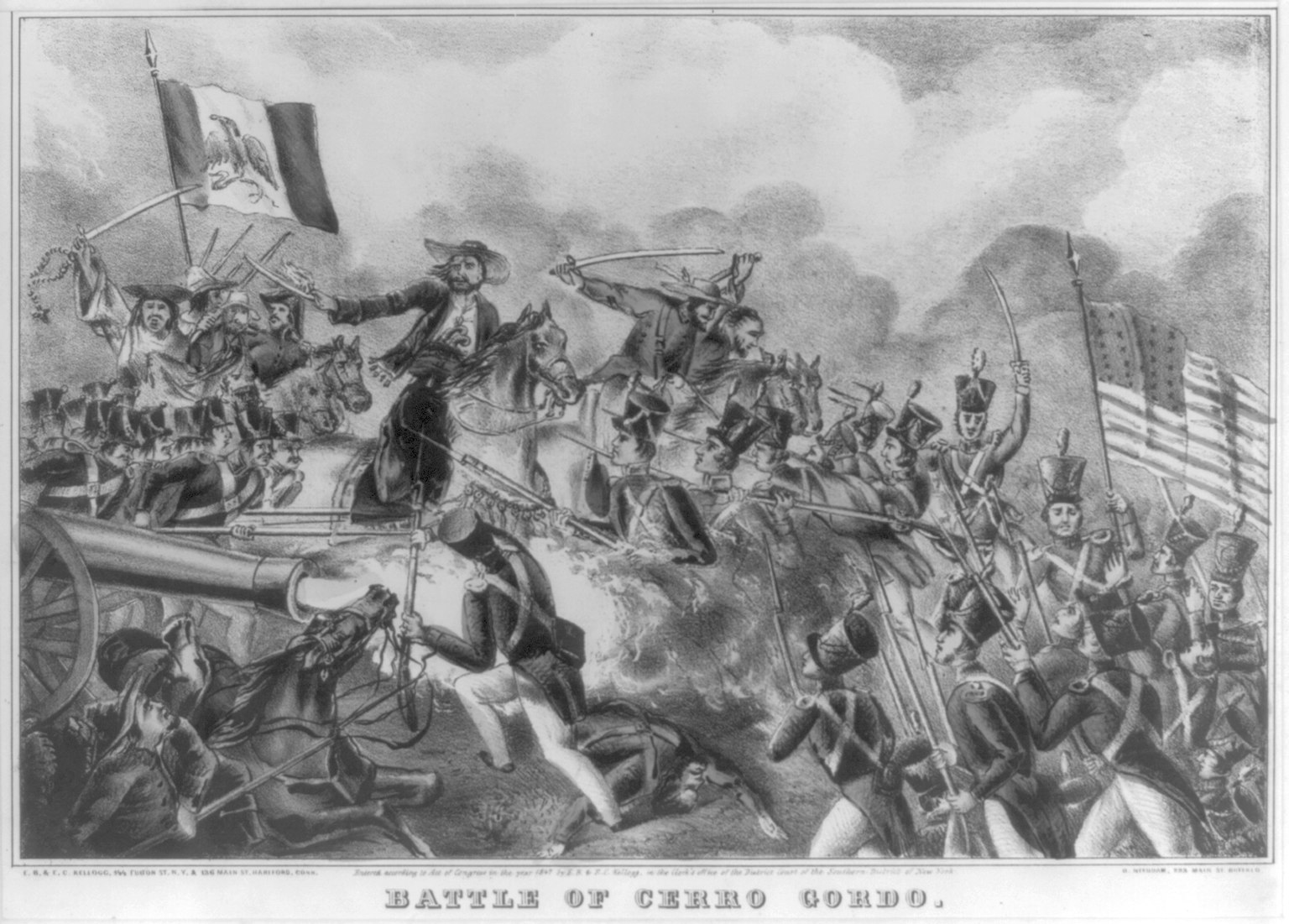
General Scott and the Mountain Victory
On April 18, 1847, General Winfield Scott faced a wall of fire at the mountain pass of Cerro Gordo. The Mexican army under Santa Anna was entrenched on the high ground, seemingly untouchable. But Scott didn’t believe in impossible. He sent a young engineer named Robert E. Lee to scout a hidden trail through the jagged rocks. By outflanking the Mexican position, Scott won a victory so swift that Santa Anna fled in such a hurry he left behind his personal carriage and his artificial leg. It was a masterclass in strategy that cleared the road to Mexico City.
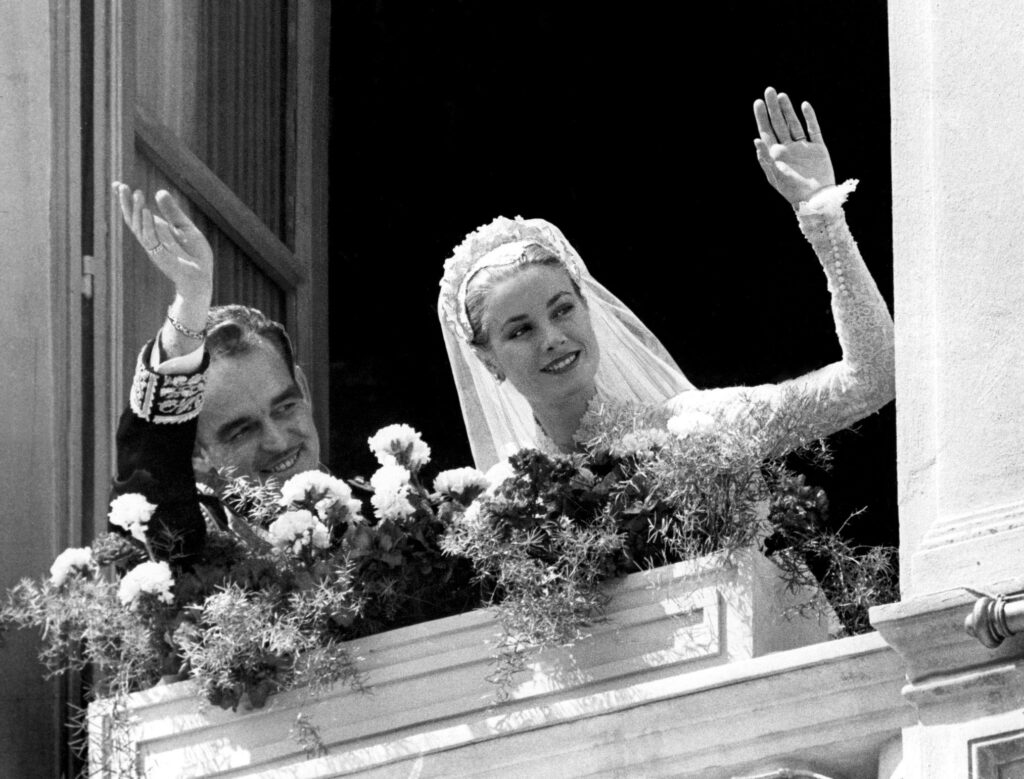
The Princess Who Became a Grace
On April 18, 1956, Hollywood royalty became actual royalty. Grace Kelly married Prince Rainier III of Monaco in a civil ceremony. It was a real-life fairy tale that captivated a post-WWII world hungry for glamour. But beneath the silk and lace was a woman leaving behind her career and her country for love, a poignant reminder of the personal sacrifices hidden behind public spectacles.
Image: Prince Rainier, Princess Grace Kelly waving from the Monaco Royal Palace after their wedding, 1956 via Alamy
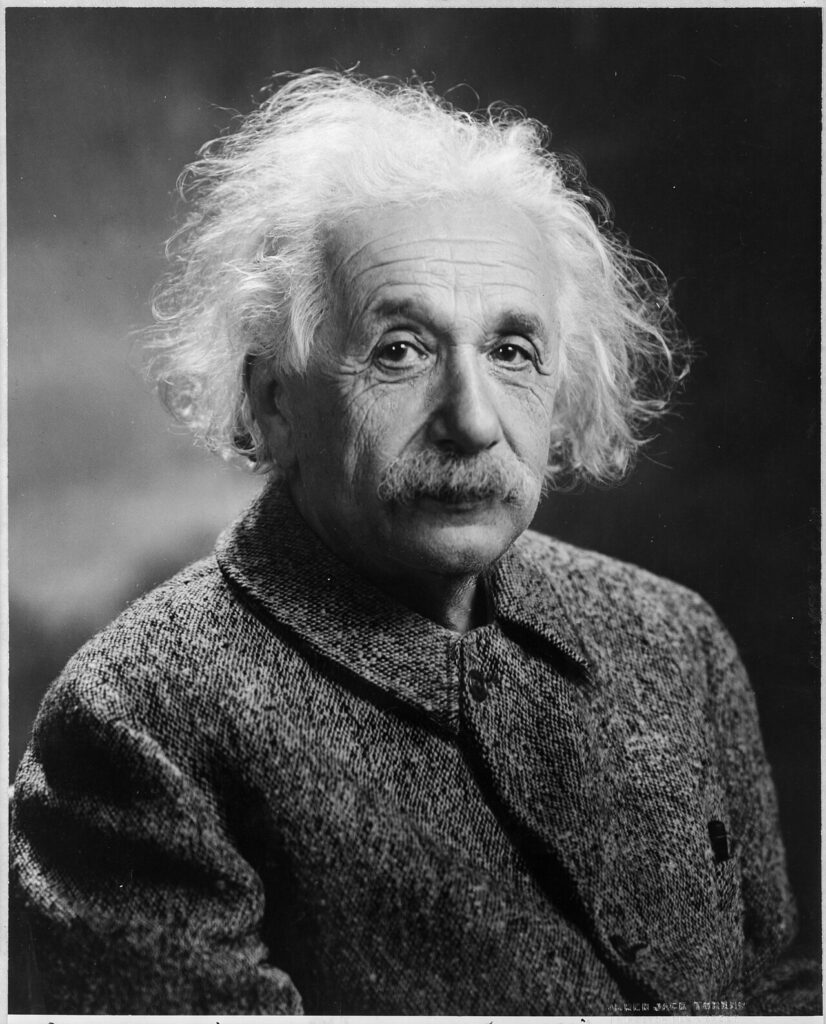
The Passing of Albert Einstein
On April 18, 1955, the world lost its greatest mind. Albert Einstein passed away in Princeton, New Jersey. Even on his deathbed, he was scribbling equations, trying to find a “Unified Field Theory”—a way to explain the entire universe. He famously refused surgery, saying, “I want to go when I want. It is tasteless to prolong life artificially.” He left us with a universe that felt a little more understood and a lot more mysterious.