Verrazzano’s Discovery of New York (1524)
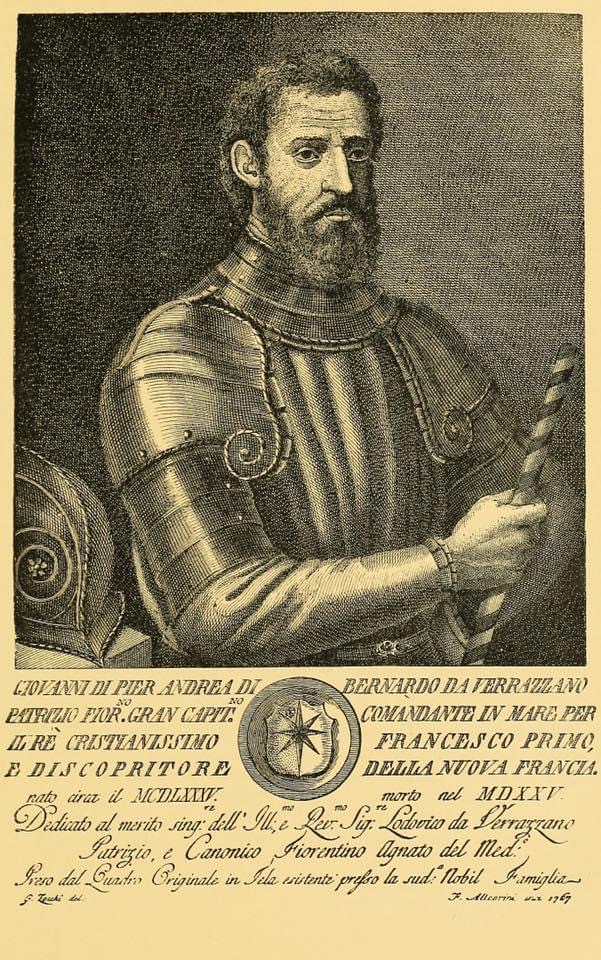
When Giovanni da Verrazzano anchored in what is now New York Harbor on April 17, 1524, he was seeking a passage to China for the French King Francis I. The “very large river” he described was the entrance to the Narrows, where he encountered the Lenape people dressed in vibrant feathers. It is a striking historical irony that despite his monumental discovery, Verrazzano was largely forgotten by the public for nearly 400 years until his name was resurrected during the construction of the bridge that now bears his name in the 1950s.

The Discovery of a “New Earth” (2014)
In a massive leap for space exploration, NASA astronomers announced on April 17, 2014, that the Kepler space telescope had confirmed the discovery of Kepler-186f. This was a milestone in the search for life elsewhere in the universe, as it was the first Earth-size planet found orbiting in the “habitable zone” of another star—the region where liquid water could potentially exist on the surface. While the planet is a tantalizing cousin to our own, the scale of the journey to reach it is staggering; it sits roughly 500 light-years away in the Cygnus constellation. Even traveling at the speed of the New Horizons spacecraft, it would take approximately 9 million years to reach this distant world. Because of this vast distance, we are essentially looking at a ghost image; we see the planet as it was 500 years ago, meaning it could have been destroyed by an asteroid or its own star long before we ever arrived.
Image: Artist’s concept of Kepler-186f from NASA via Wikimedia Commons
The Miracle of the South Pacific (1970)
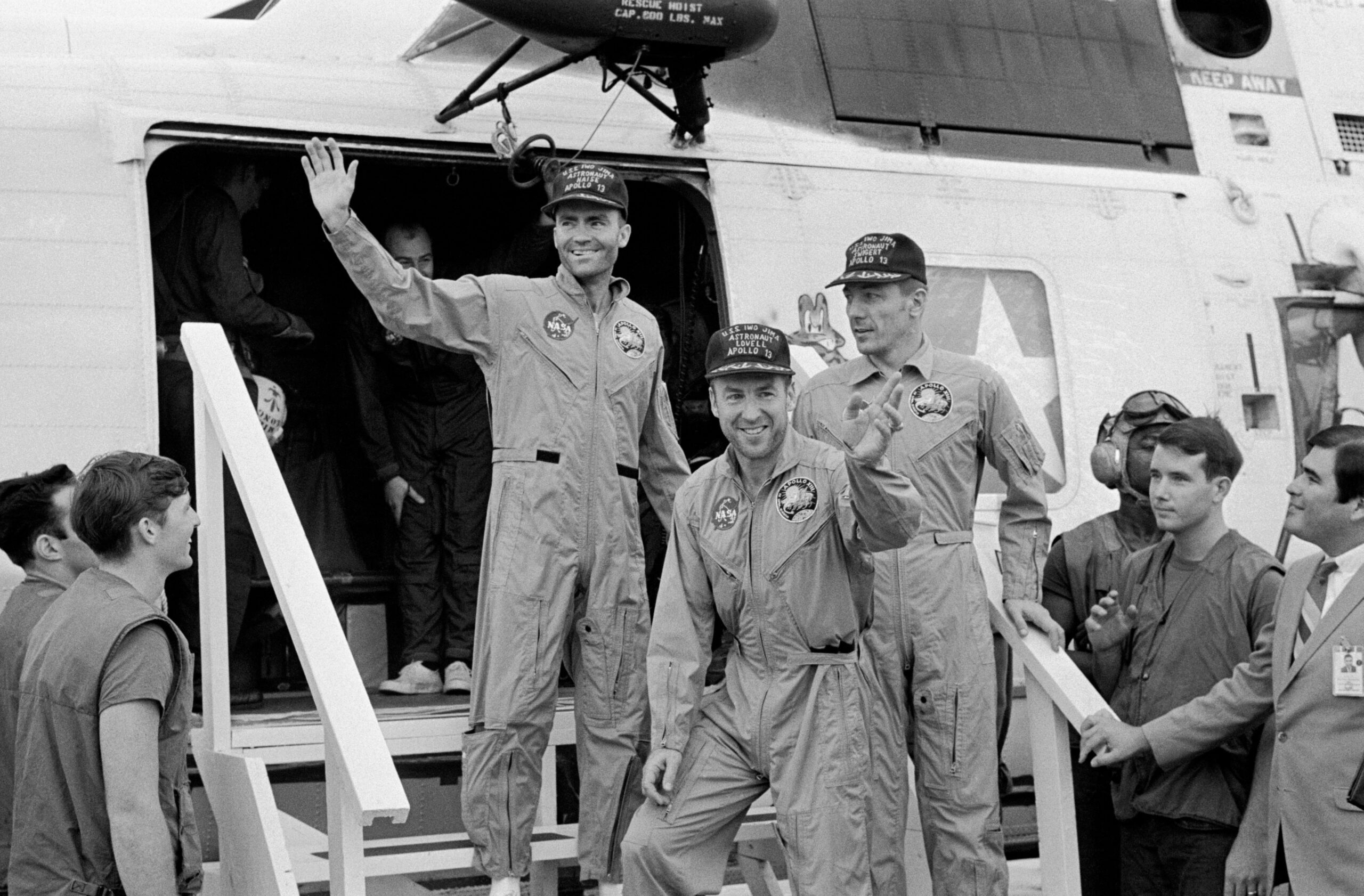
On April 17, 1970, the crew of Apollo 13 executed a harrowing return to Earth, splashing down safely in the South Pacific after an oxygen tank explosion crippled their spacecraft. Exiting their helicopter onto the USS Iwo Jima, James Lovell, Fred Haise, and Jack Swigert completed what NASA famously dubbed a “successful failure.” The jaw-dropping precision of their return is highlighted by the fact that they landed only four miles from the recovery ship—an incredible feat considering they were forced to navigate using manual calculations and powered-down systems to conserve life support.
Image via Wikimedia Commons, public domain
The Record-Breaking Day at Ellis Island (1907)
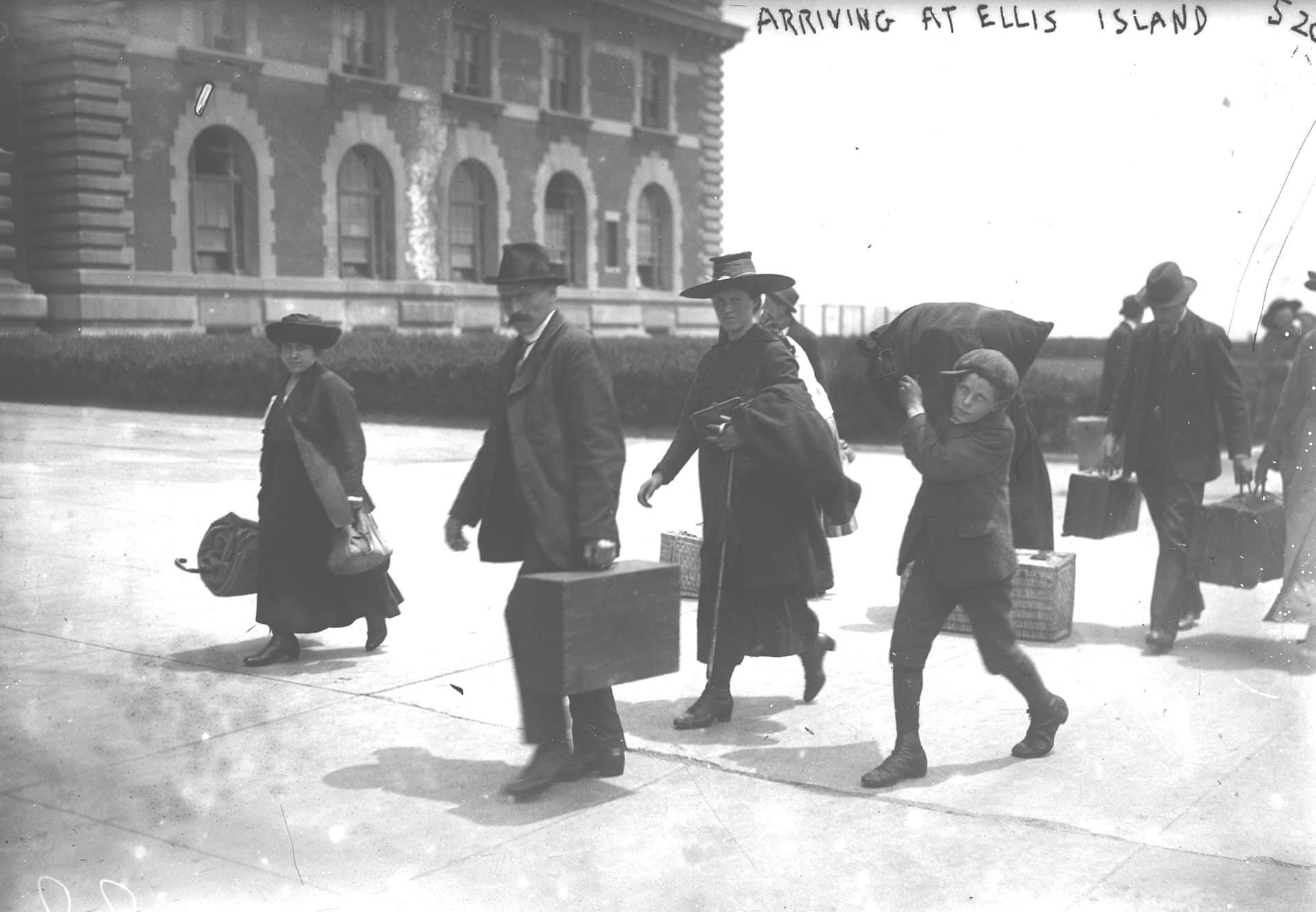
April 17, 1907, stands as the busiest single day in the history of American immigration, with exactly 11,747 individuals processed through the inspection station. During this peak period of the “Great Wave,” the facility was so overwhelmed that staff were processing approximately eight people every minute for twenty-four hours. This day remains the ultimate symbol of the United States as a melting pot, occurring during a year when over 1.2 million immigrants arrived in the country.
Image: Arriving at Ellis Island in 1907 via Wikimedia Commons, public domain
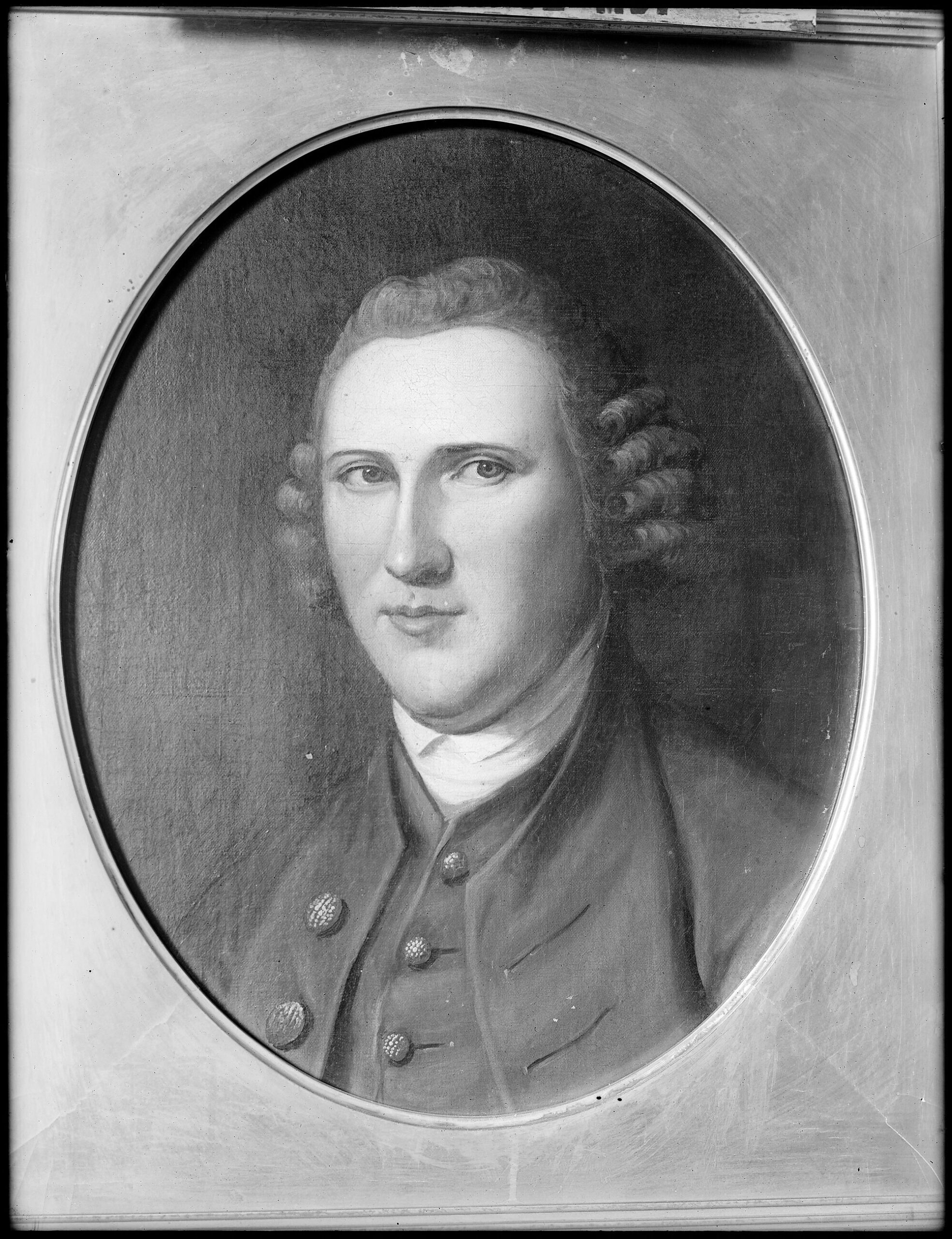
Justice “Old Bacon Face” (1741)
Samuel Chase, born on April 17, 1741, earned his colorful nickname “Old Bacon Face” because his complexion would turn a deep, mottled red whenever he became angry or emotional in court. While his expulsion from a forensic club in his youth hinted at his volatile nature, he holds a unique and heavy historical distinction: he is the only U.S. Supreme Court Justice ever to be impeached. Though he was acquitted in 1805, his trial established the vital precedent that judges could not be removed simply for their political opinions.
Image via Wikimedia Commons, No known restrictions
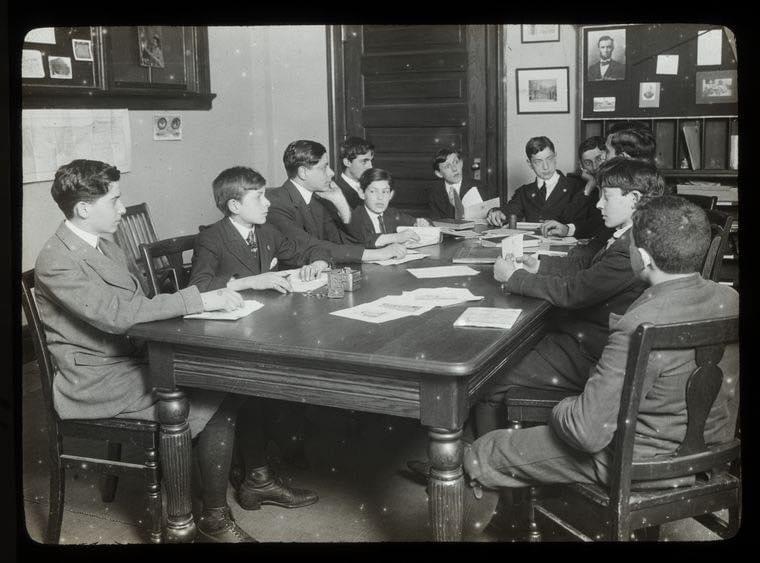
The Sessions of a City History Class (1910)
On April 17, 1910, the 125th Street Branch of the New York Public Library held a session for a City History Class, a moment captured in the library’s archives. This branch, designed by the famed firm McKim, Mead & White, had been serving East Harlem since 1901. This specific day highlights the library’s early role as a vital community hub for immigrant education and neighborhood history, serving as a primary cultural anchor long before it became a center for the African American heritage collections it is famous for today.
New York Public Library Archives, The New York Public Library Digital Collections.
No known restrictions
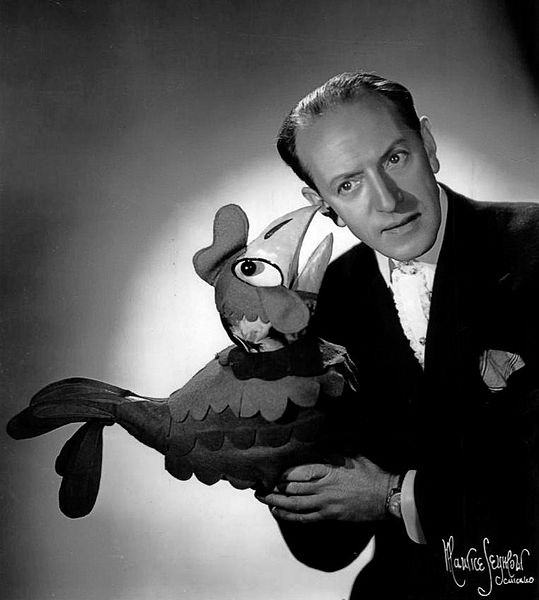
The Virtuoso of Ed Sullivan (1896)
Señor Wences, the Spanish ventriloquist born on April 17, 1896, became a mid-century American sensation through his uncanny ability to perform “split-voice” ventriloquism without moving his lips. His most famous character, “Johnny,” was an ingenious low-budget creation made from his own hand with eyes painted on it and his thumb used as a moving jaw. His career was defined by brilliant improvisation; the character Pedro, a head in a box, was famously created on the fly when his primary dummy was damaged on the way to a performance.
Image via Wikimedia Commons, no known copyright, public domain in the US
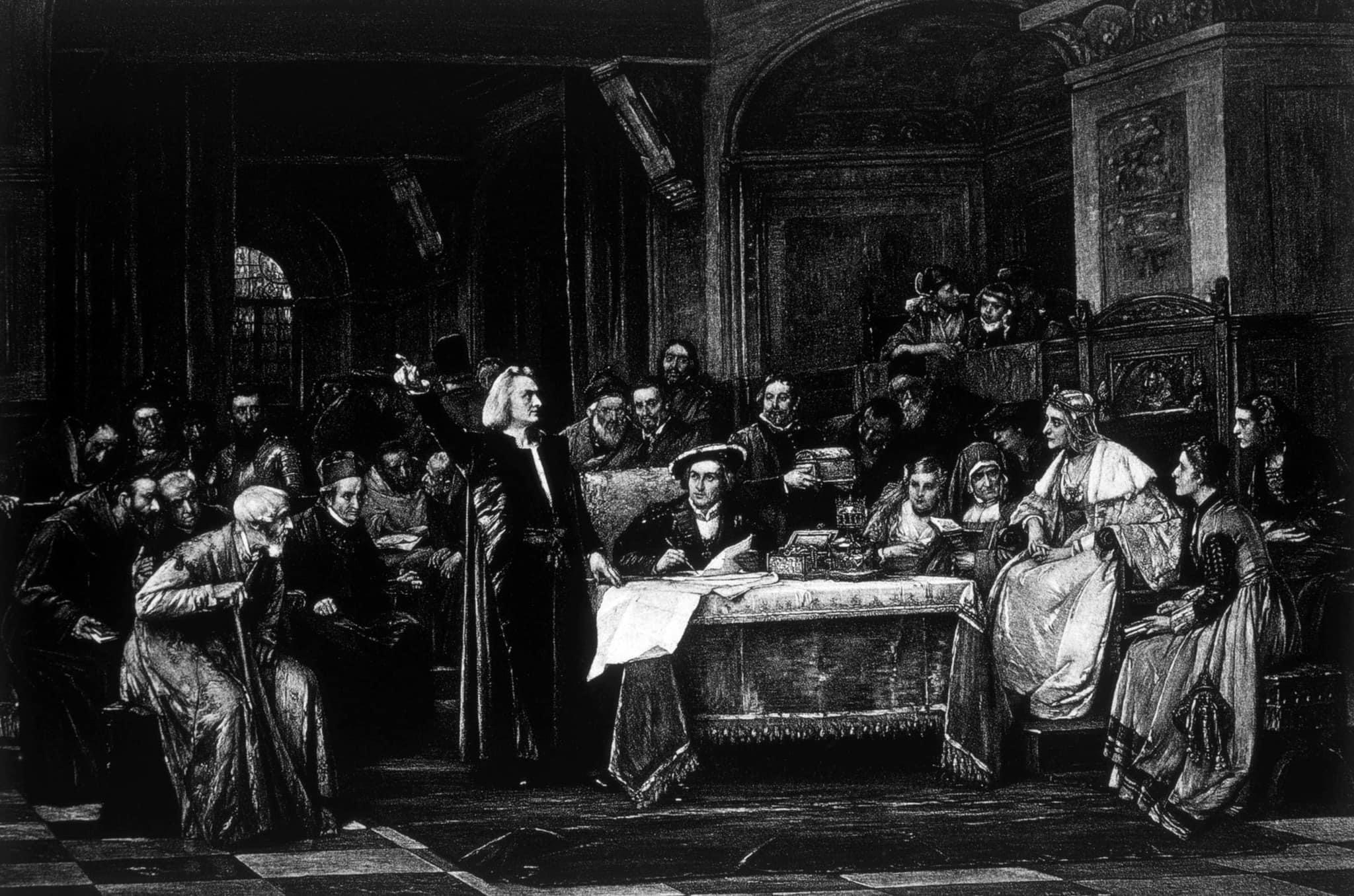
The Admiral of the Ocean Sea (1492)
On April 17, 1492, Christopher Columbus secured his future by signing the Capitulations of Santa Fe with Queen Isabella and King Ferdinand. This contract didn’t just grant him the title of “Admiral of the Ocean Sea”; it was a high-stakes business deal where he negotiated for ten percent of all riches—gold, silver, and pearls—found in the new lands. This aggressive negotiation reflects the era’s blend of exploration and commercial ambition, effectively making Columbus one of history’s most famously compensated commission-based explorers.
Image of Columbus before Queen Isabella in 1492 via Shutterstock
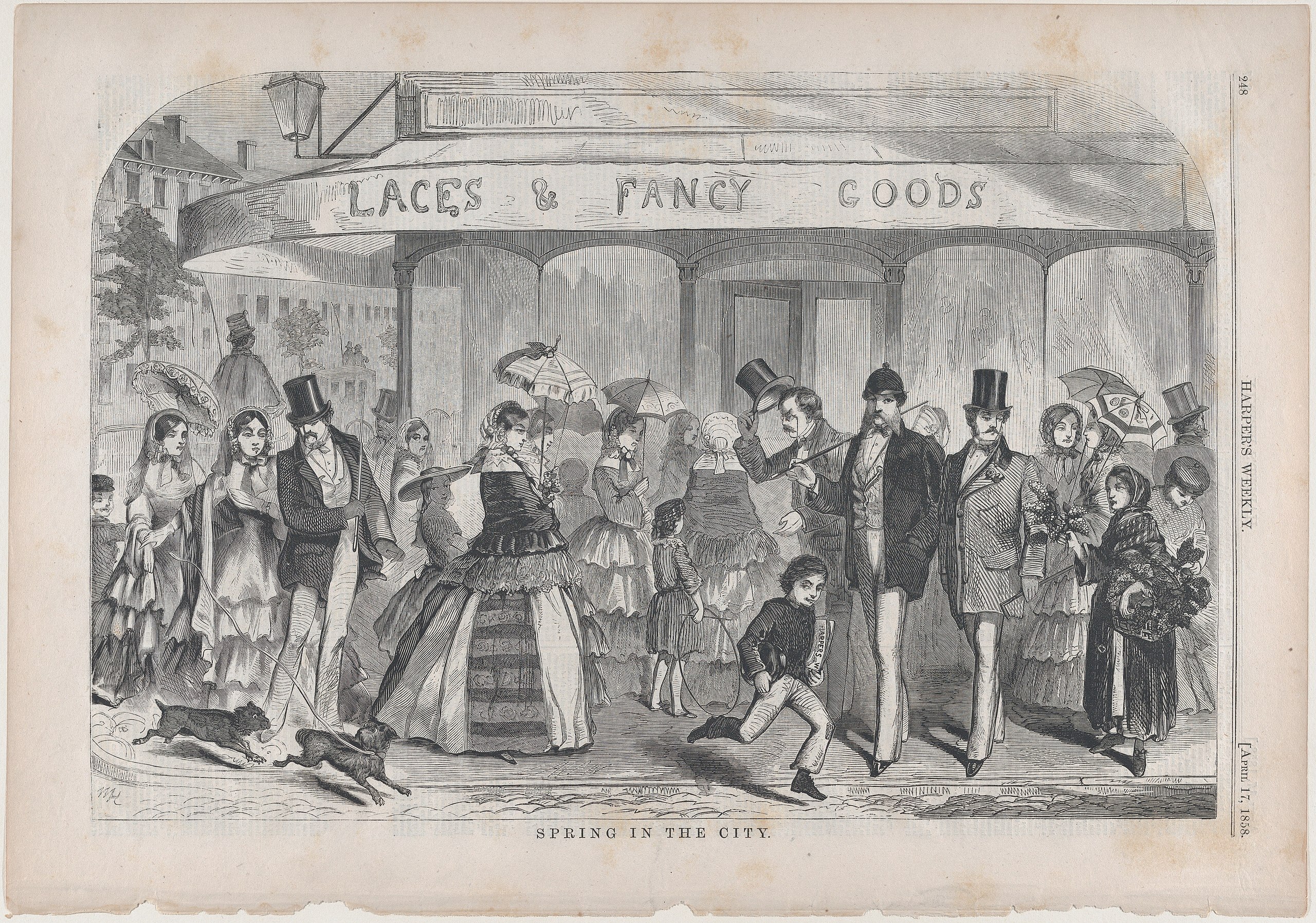
Spring in the City (1858)
April 17, 1858, saw the publication of Winslow Homer’s engraving “Spring in the City” in Harper’s Weekly, capturing a bustling, fashionable street scene in mid-19th-century New York. Homer, who would later become one of America’s greatest painters, was only 22 years old and working as a freelance illustrator at the time. The engraving serves as a rare time capsule of pre-Civil War urban life, showing a city on the brink of massive transformation just as Homer was beginning his ascent to artistic immortality.
Image via Wikimedia Commons, public domain
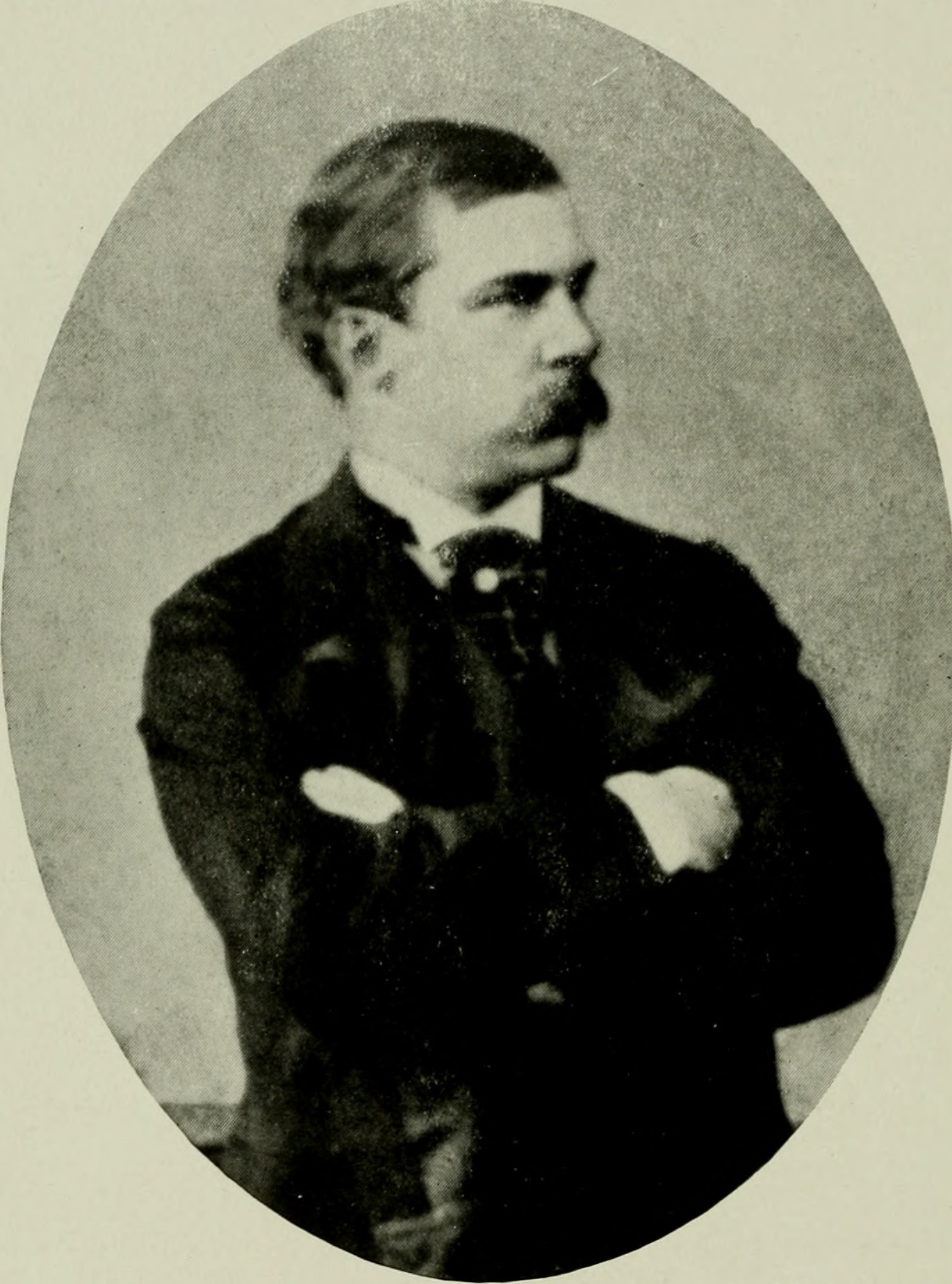
The Tragic Love of J.P. Morgan (1837)
While J.P. Morgan is remembered as a titan of finance born on April 17, 1837, his early life was shaped by a profound personal tragedy. He was deeply in love with his first wife, Amelia “Memie” Sturges, and even though she was already dying of tuberculosis, he insisted they marry in 1861. He had to carry her to the altar for their wedding, and she tragically passed away just four months later during their honeymoon. This early heartbreak reveals a vulnerable, human side to the otherwise stoic and intimidating banker.
Image of J.P. Morgan c. 1870s via Wikimedia Commons, public domain
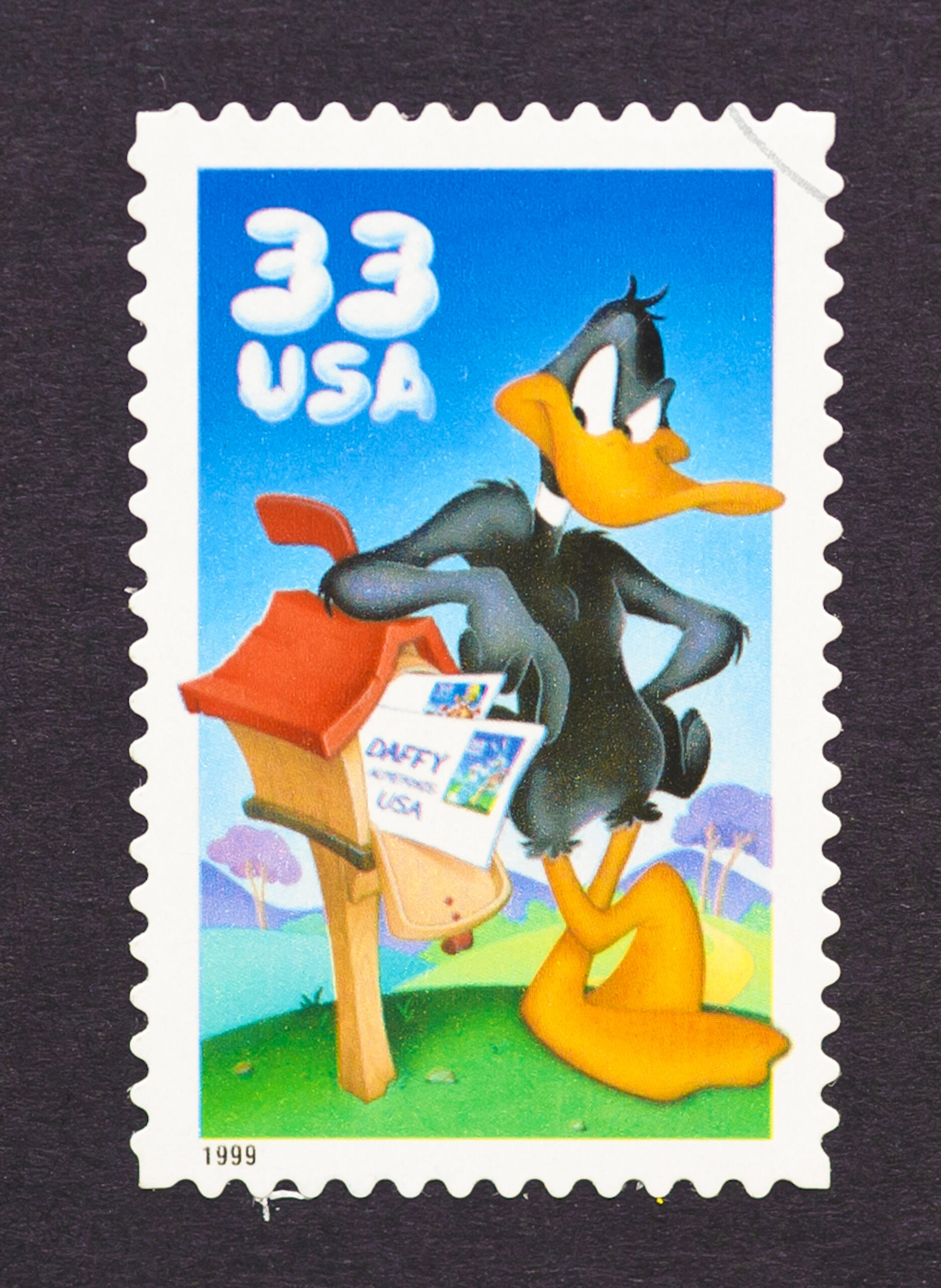
The Debut of Daffy Duck (1937)
April 17, 1937, marked a pivotal moment in animation history with the release of the cartoon “Porky’s Duck Hunt,” featuring the debut of Daffy Duck. Unlike the polite and predictable characters of the time, Daffy was designed to be manic and completely unpredictable. His first appearance, featuring his signature “woo-hoo” scream and frantic hopping across the water, fundamentally changed the tone of American cartoons from sweet and musical to high-energy slapstick comedy.
Image: A 33 cent stamp featuring Daffy Duck from 1998 via Shutterstock
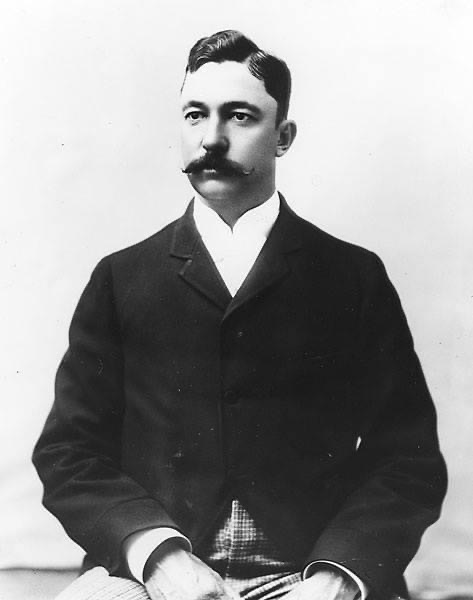
The Father of Modern Baseball (1820)
Alexander Joy Cartwright Jr., born on April 17, 1820, is the man credited with transforming baseball from a chaotic street game into a structured sport. His most revolutionary contribution was the abolition of “soaking,” a rule that allowed fielders to get runners out by physically throwing the ball at them. By introducing the 90-foot baseline and the concept of tagging runners, Cartwright turned a rough-and-tumble pastime into the structured “gentleman’s game” we recognize today.
Image via Wikimedia Commons, public domain
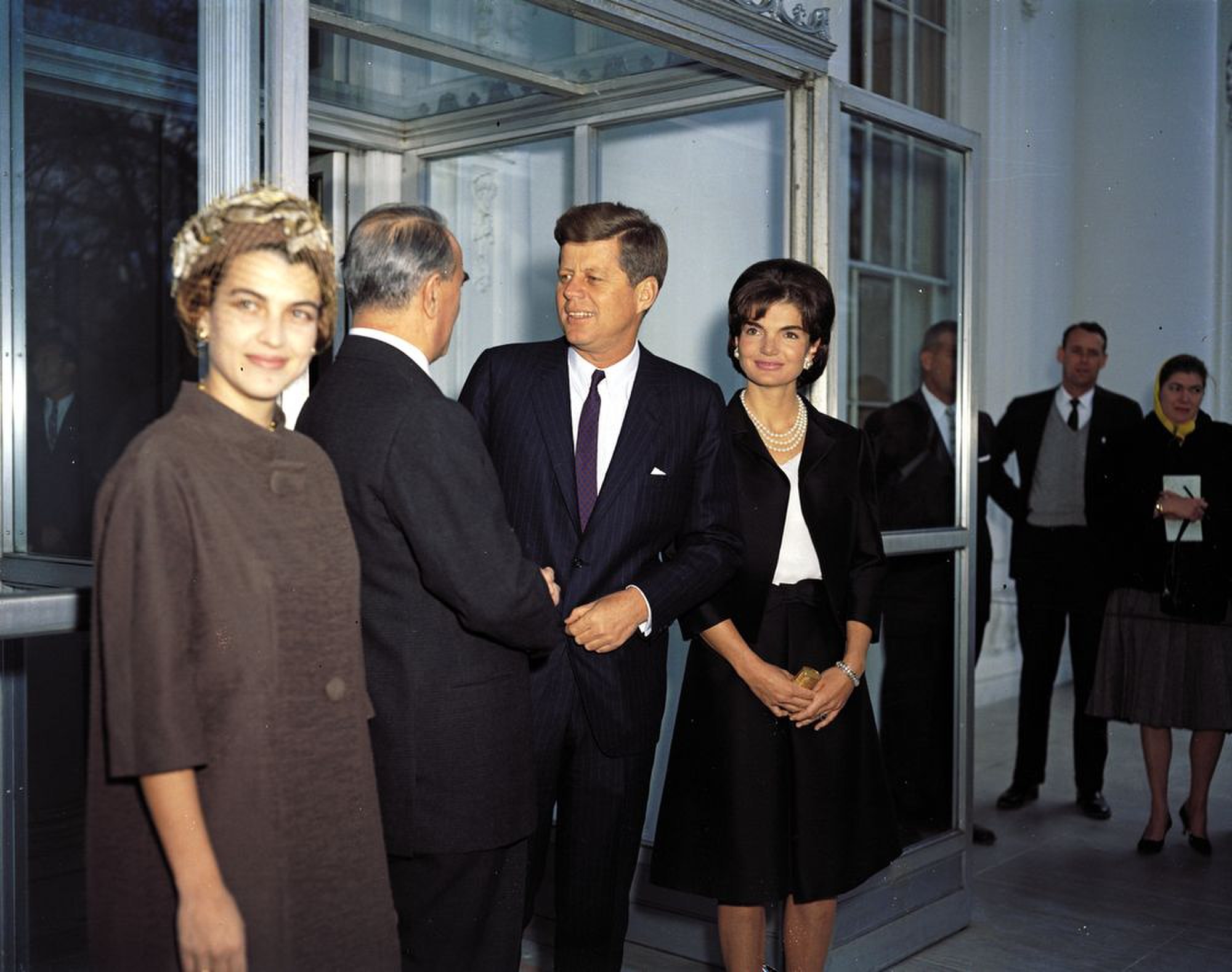
A Cold War Welcome for Greece (1961)
On April 17, 1961, President John F. Kennedy and First Lady Jacqueline Kennedy welcomed Greek Prime Minister Konstantine Karamanlis and his wife Amalia to the White House. This visit was a critical diplomatic moment as the leaders discussed NATO defense and the threat of Soviet influence. The timing of this meeting is incredible; this high-profile dinner occurred on the very same day the Bay of Pigs invasion began in Cuba, meaning JFK was hosting a world leader while one of the most tense operations of his presidency was secretly unfolding.
Image via Wikimedia Commons, public domain
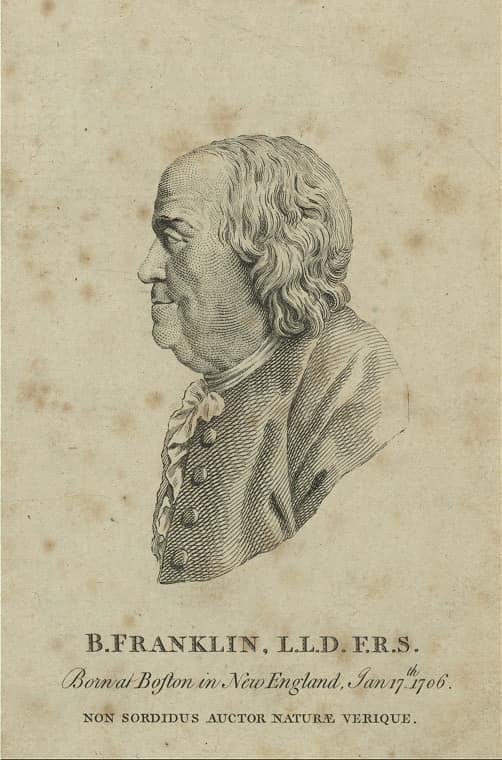
The Passing of Benjamin Franklin (1790)
On April 17, 1790, Benjamin Franklin died at age 84, leaving behind a legacy as a scientist, diplomat, and Founding Father. His final days were marked by a struggle with a lung ailment, and his last recorded words—”A dying man can do nothing easy”—were spoken to his daughter as he struggled for breath. The sheer scale of his public stature was evident at his funeral; an estimated 20,000 people attended the service in Philadelphia, which represented nearly the entire population of the city at that time.i
Image via NYPL Digital Collections, no known restrictions
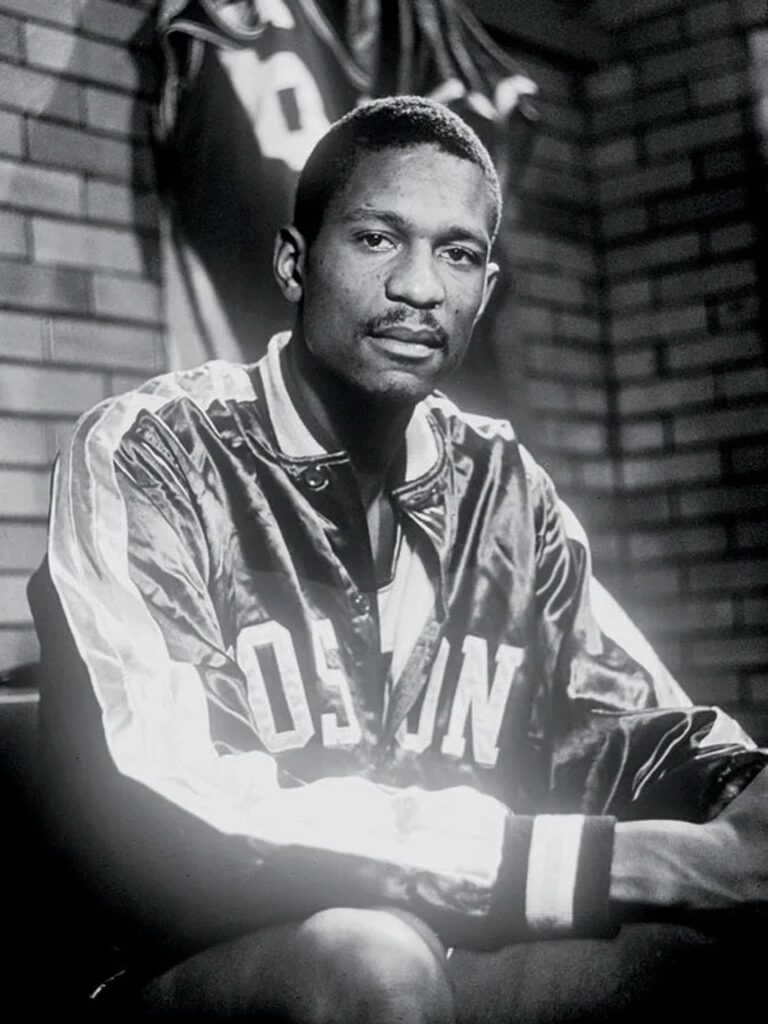
A Pioneer Behind the Bench (1966)
On April 17, 1966, the Boston Celtics made sports history by announcing that star center Bill Russell would succeed Red Auerbach as the team’s head coach. This appointment made Russell the first Black head coach in the history of the NBA, as well as the first in any major American professional sports league. By taking on the role of player-coach, Russell shattered a significant racial barrier in sports management while continuing to lead his team as one of the most dominant players on the court.
Image via Wikimedia Commons, public domain
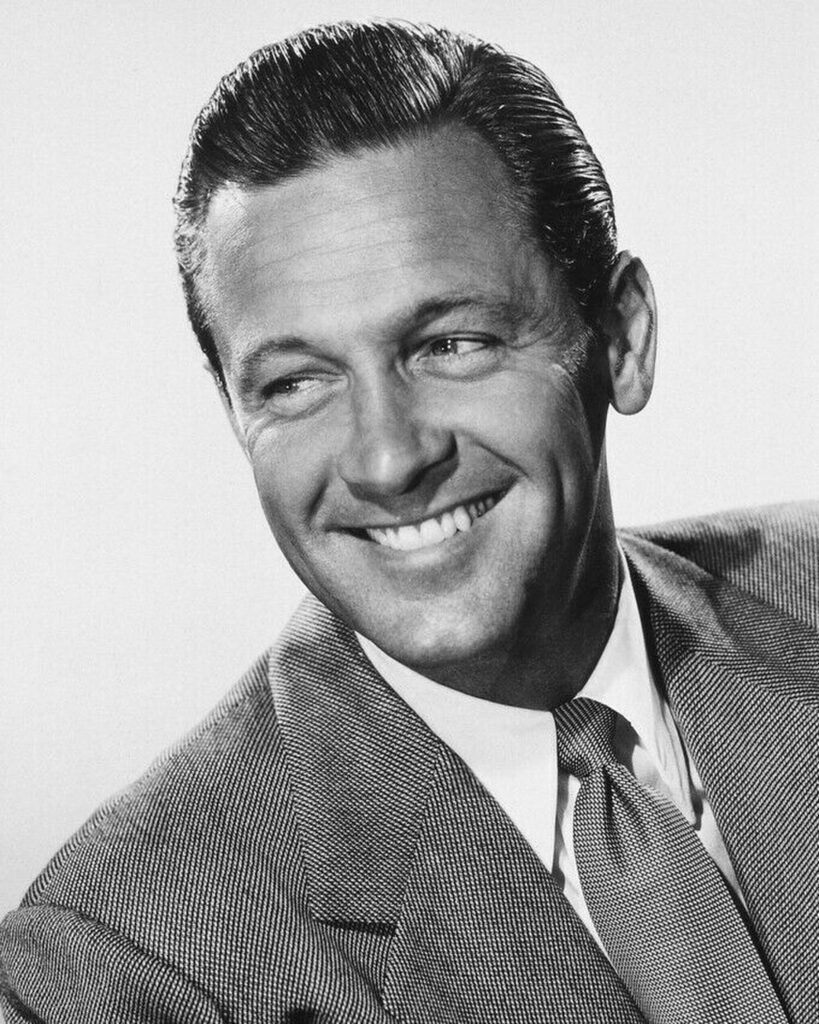
The Leading Man: William Holden (1918)
Born on April 17, 1918, William Holden became one of the most bankable stars of Hollywood’s Golden Age, known for his rugged charm and vulnerability. While he eventually won an Oscar for “Stalag 17,” his career was defined by incredible range and longevity; he transitioned from the youthful “Golden Boy” of the 1930s to the gritty, world-weary leader of “The Wild Bunch” in the 1960s. He remains a symbol of the classic Hollywood leading man who could balance commercial appeal with intense, award-winning dramatic performances.
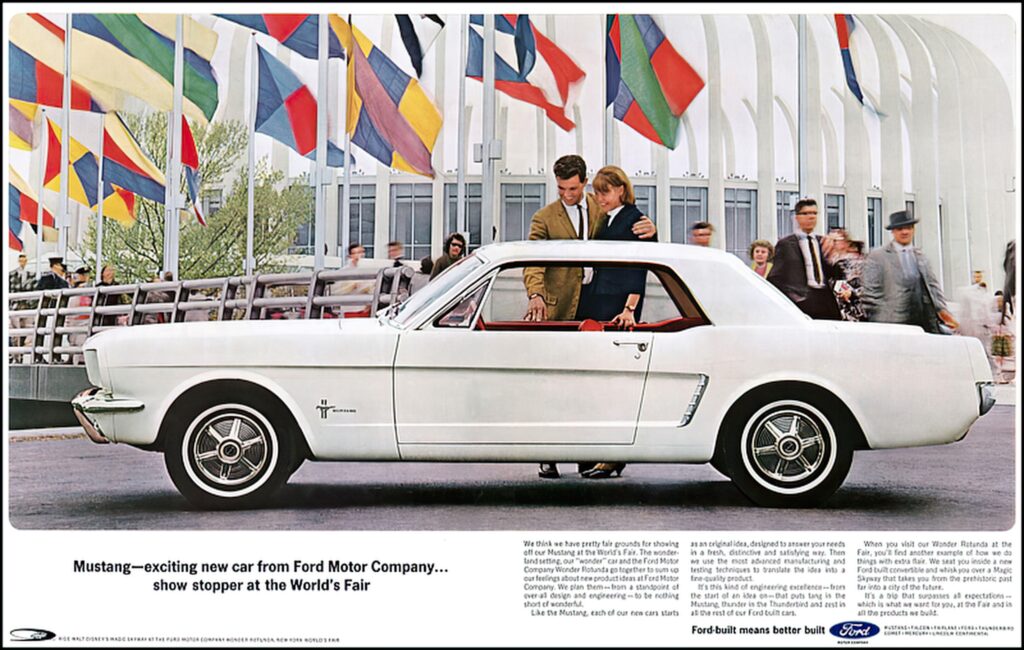
The Unveiling of the Ford Mustang (1964)
On April 17, 1964, Henry Ford II unveiled a Wimbledon White Mustang convertible at the New York World’s Fair, introducing a sporty, affordable car aimed at a rising generation of drivers. While Ford’s nationwide advertising featured both the hardtop and the convertible—highlighting a revolutionary $2,368 starting price for the base hardtop—the public response was immediate, with nearly 22,000 Mustangs sold on the first day. The launch created the “pony car” class and cemented the Mustang as an enduring symbol of American freedom.
Image via Alamy