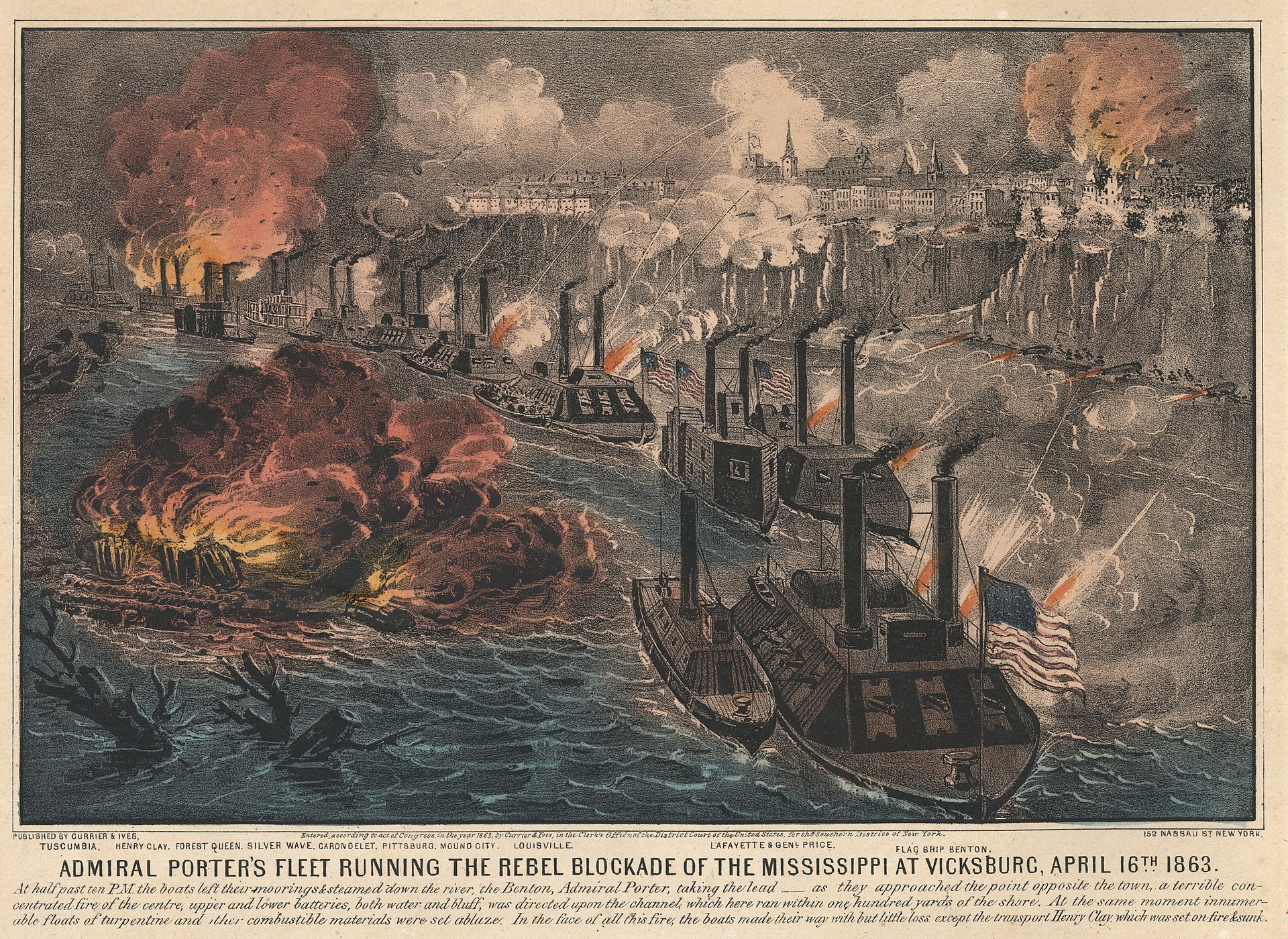
The Wall of Fire: Porter Runs the Vicksburg Batteries (1863)
At 9:15 P.M. on April 16, 1863, Admiral David Dixon Porter’s fleet slipped their moorings and drifted into a nightmare. To illuminate the river, Confederate defenders set fire to houses and launched turpentine-soaked floats, turning the Mississippi into a “wall of flame.” Under a concentrated hail of shot and shell, the Union ironclads steamed within 100 yards of the shore. Despite the “terrible concentrated fire,” the fleet made it through with the loss of only one transport, the Henry Clay, which burned and sank in the glare of the batteries.
Image via Wikimedia Commons, public domain
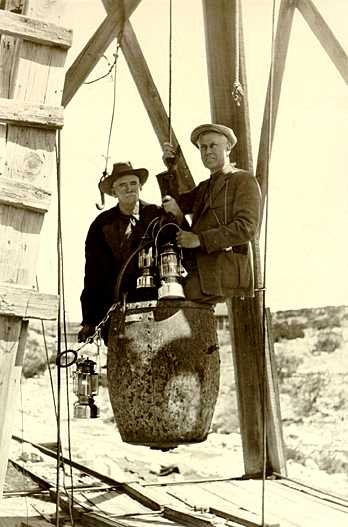
Descent into the Dark: Mapping Carlsbad Caverns (1924)
On April 16, 1924, Dr. Willis T. Lee of the National Geographic Society and Stephen T. Mather began a scientific odyssey into the limestone depths of New Mexico. Lowered into the darkness to document and map the vast cave system, Dr. Lee’s expedition provided the geological proof needed to transform this “subterranean fairyland” into a National Park. His work ensured that one of America’s greatest natural wonders would be preserved for the world to see.
Image dated April 16, 1924 via Wikimedia Commons, public domain
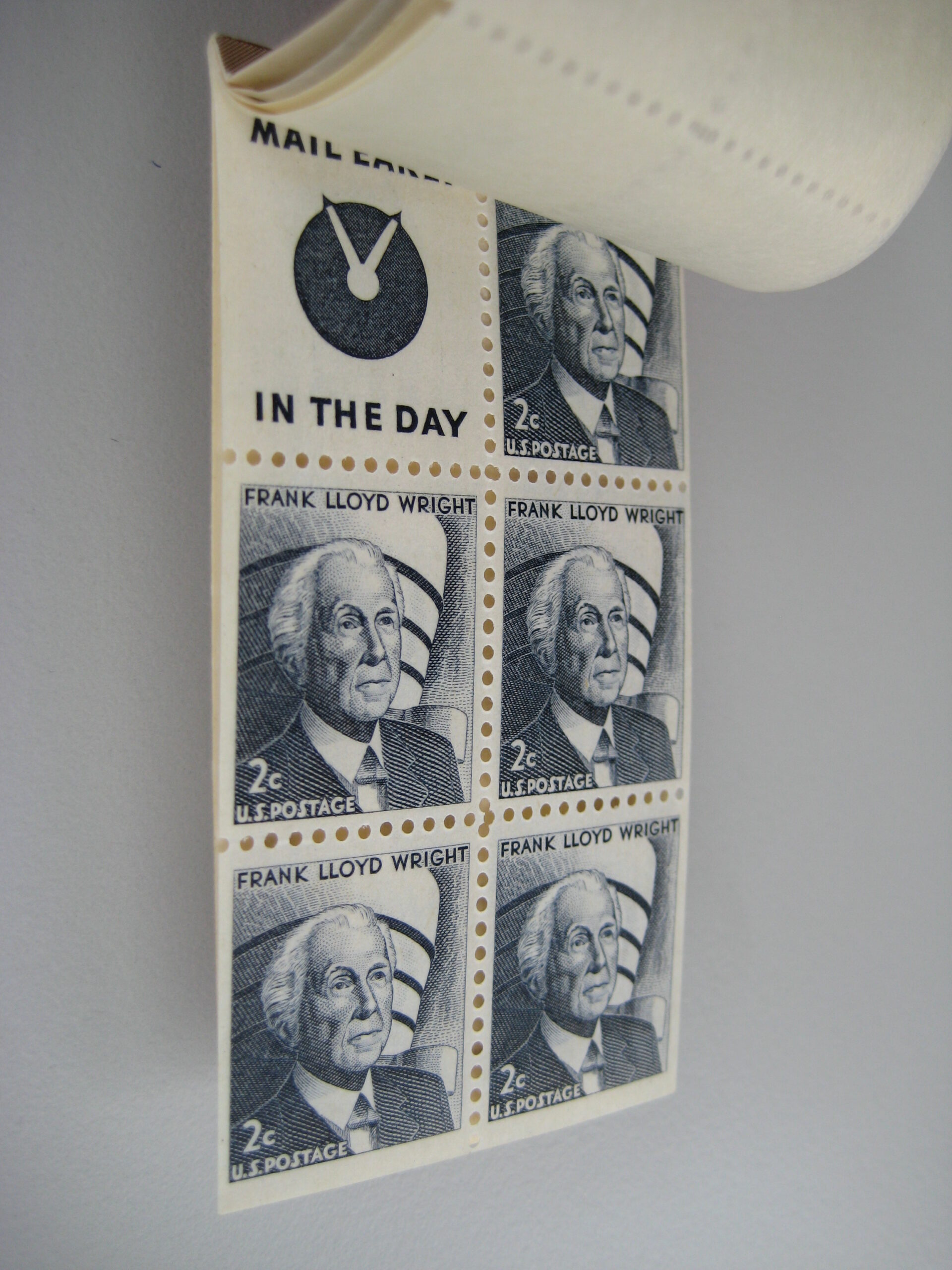
A Revolution in Convenience: The First Stamp Booklets (1900)
Before the turn of the century, buying stamps was a messy business involving loose sheets or individual squares. On April 16, 1900, the U.S. Post Office changed daily life by issuing the first booklets of stamps. These early books contained twelve, twenty-four, or forty-eight 2-cent stamps, bound in cardboard to protect them in a pocket or purse—a quiet innovation in American communication that remains a household staple today.
Image of a book of 2 cent U.S. stamps featuring Frank Lloyd Wright from 1966 via Wikimedia Commons, public domain
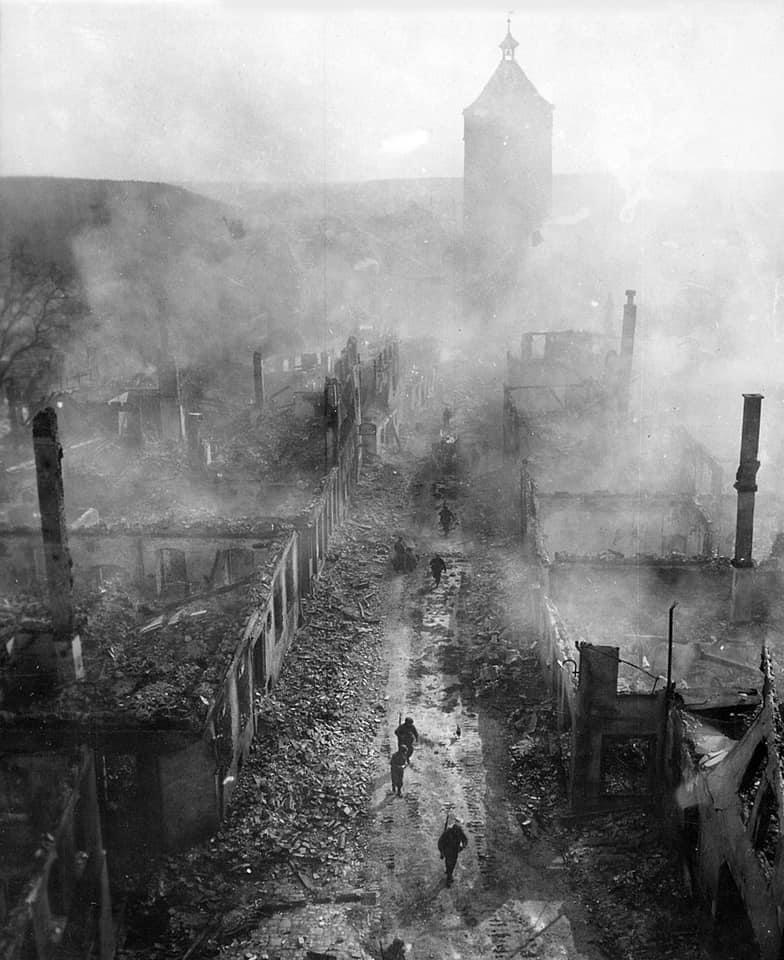
Waldenburg’s Last Stand: The Final Days of the War (1945)
As the Third Reich collapsed, the “rooting out” of remaining resistance fell to the infantry. On April 16, 1945, American infantrymen of the 255th Regiment moved with grim precision through the streets of Waldenburg, Germany. Captured in a moment of high tension, these soldiers represent the thousands of “GIs” who fought house-to-house in the final weeks of World War II to ensure the total liberation of Europe.
Image via Wikimedia Commons, public domain
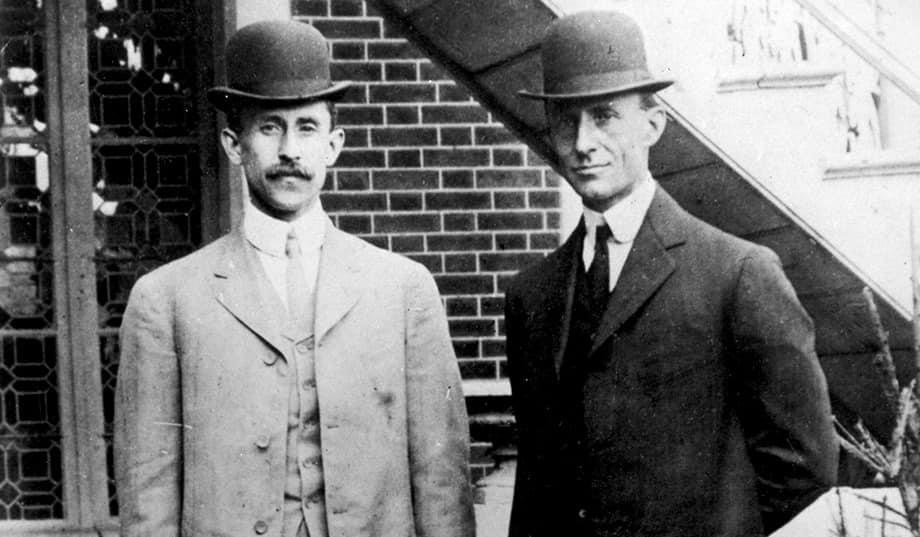
The Affliction of Genius: The Birth of Wilbur Wright (1867)
“For some years I have been afflicted with the belief that flight is possible to man.” These were the words of Wilbur Wright, born on April 16, 1867, in Millville, Indiana. Along with his brother Orville, Wilbur possessed a restless, analytical mind that refused to accept the limitations of the earth. His birth marks the beginning of a story that would take humanity from a bicycle shop in Ohio to the sands of Kitty Hawk and beyond.
Photo of Orville and Wilbur Wright (right) in 1908 via Wikimedia Commons, public domain
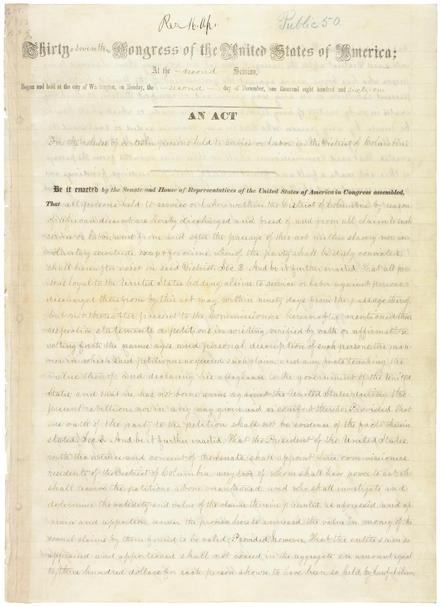
A Promise of Liberty: The DC Emancipation Act (1862)
Nearly nine months before the Emancipation Proclamation, a quiet but monumental shift occurred in the nation’s capital. On April 16, 1862, Abraham Lincoln signed the District of Columbia Compensated Emancipation Act, immediately ending slavery in the District. It was the only example of the federal government providing compensation to loyal former owners, but more importantly, it signaled that the legal death of slavery in America had finally begun.
Image via Wikimedia Commons, public domain

Across the Channel: Harriet Quimby’s Historic Flight (1912)
On April 16, 1912, American aviatrix Harriet Quimby settled into her Bleriot monoplane and soared into a thick fog over the English Channel. She landed in France an hour later, becoming the first woman to fly across the Channel. Tragically, her feat—one of the greatest in aviation history—was buried on the back pages of newspapers as the world reeled from the news of the Titanic disaster just one day earlier.
Image via Wikimedia Commons, public domain
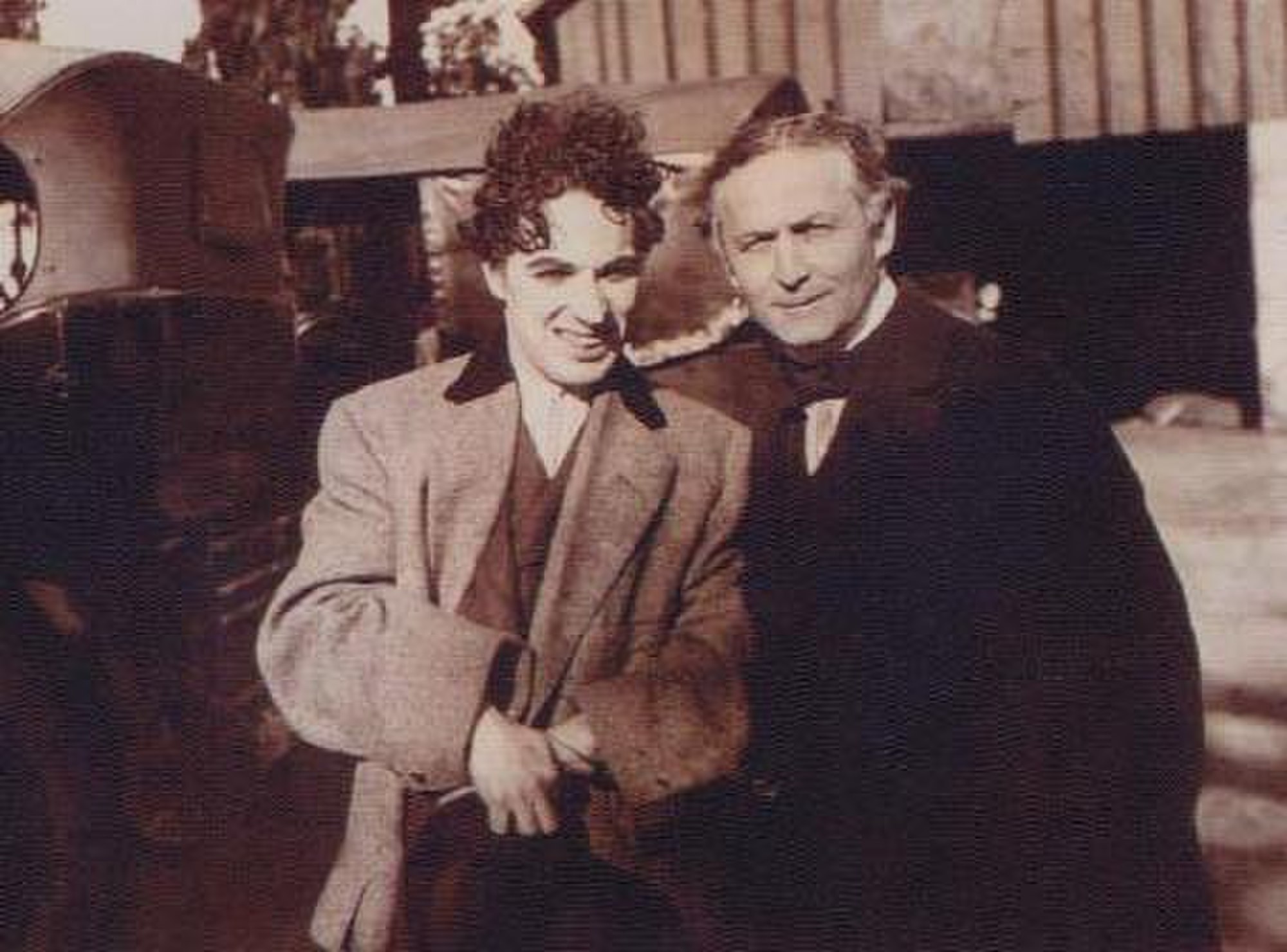
The Little Tramp is Born: Charlie Chaplin (1889)
Before he was a global icon of the silent screen, he was a child of the London slums. Born April 16, 1889, Charlie Chaplin used his “Little Tramp” persona to speak for the underdog, the immigrant, and the common man. His ability to blend slapstick comedy with deep pathos made him one of the most recognizable faces in the world, proving that a story didn’t need words to be understood in every corner of the globe.
Image: Charlie Chaplin with Harry Houdini in 1919
via Wikimedia Commons, public domain
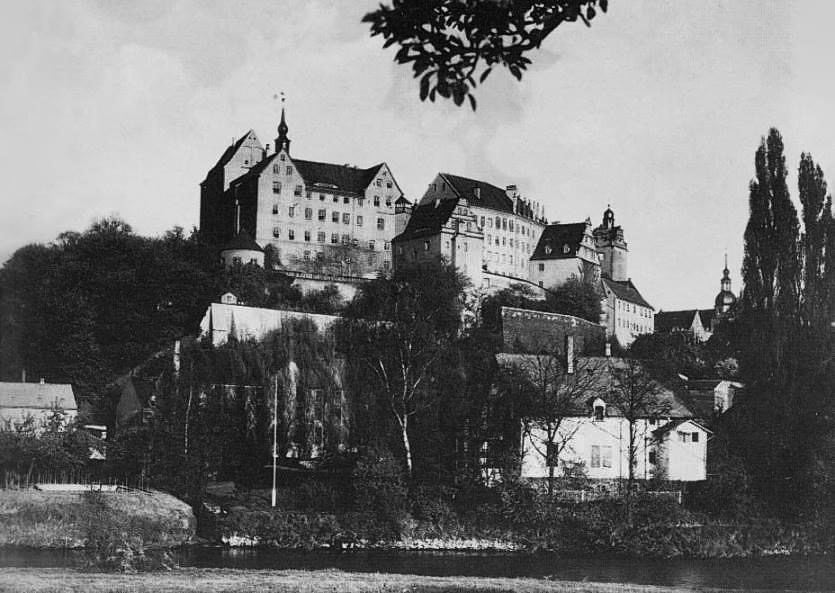
The Inescapable Fortress: Liberating Colditz Castle (1945)
Colditz Castle, the “bad boys’ camp” of Nazi Germany, was designed to be escape-proof for high-ranking Allied officers. On April 16, 1945, American forces finally breached its walls, liberating hundreds of prisoners who had spent years plotting elaborate escapes and building secret gliders. The liberation of Colditz remains a symbol of the ingenuity and indomitable spirit of those held captive during the war.
Image via Wikimedia Commons, public domain
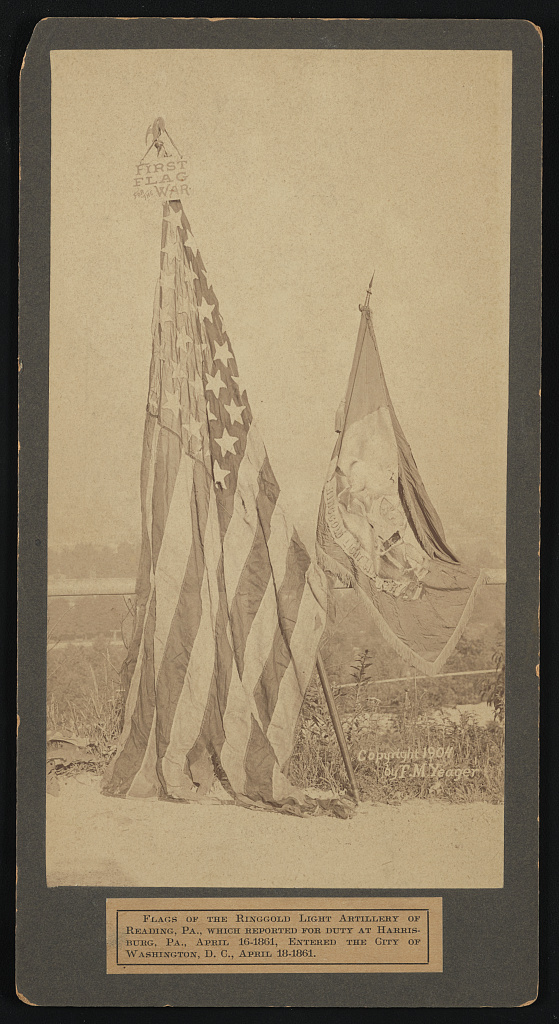
First Defenders: The Ringgold Light Artillery (1861)
When the call for 75,000 volunteers went out after Fort Sumter, Reading, Pennsylvania, was ready. On April 16, 1861, the Ringgold Light Artillery reported for duty in Harrisburg. Just two days later, they were among the “First Defenders” to enter Washington D.C., protecting the Capitol at a moment when the city felt entirely surrounded. Their banner, marked “First Flag for the War,” remains a testament to the speed of Northern mobilization.
Image via LOC, no known restrictions

Angels in the Sky: The Modern Dustoff (2012)
In the rugged terrain of Afghanistan on April 16, 2012, a U.S. Army critical care nurse from Massachusetts sat aboard a Black Hawk helicopter, ready for the next “Dustoff” call. This image serves as a powerful bridge to the past, reminding us that the tradition of caring for the wounded under fire—begun by nurses like Clara Barton—continues with the same courage and precision in the modern age.
Image via Wikimedia, public domain

Sculpted by Time: Natural Bridges National Monument (1908)
On April 16, 1908, Theodore Roosevelt used the Antiquities Act to designate Utah’s first national monument: Natural Bridges. To the Hopi, these massive stone spans are known as Kachina, Sipapu, and Owachomo. Beyond their geological majesty, the monument is home to some of the darkest skies in the lower 48 states, offering a view of the heavens largely unchanged since the first people walked beneath the arches.
Image from Laban712 via Wikimedia Commons, public domain.
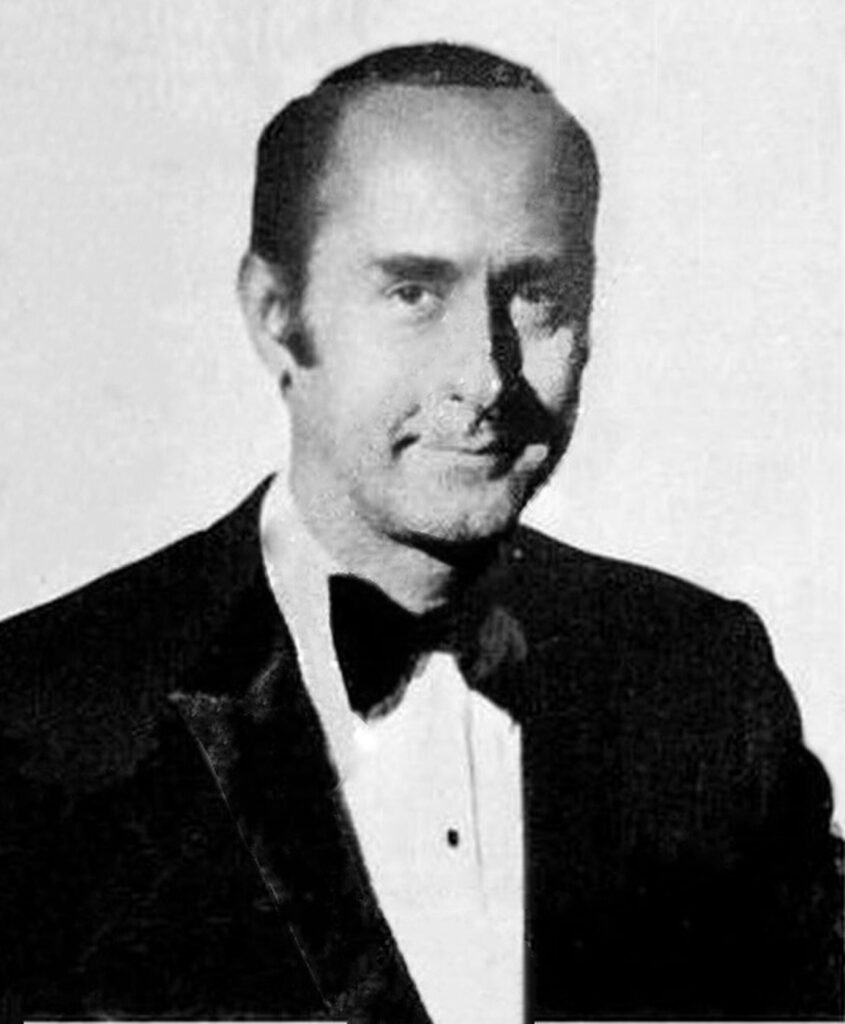
The Sound of Elegance: The Birth of Henry Mancini (1924)
Born in Cleveland on April 16, 1924, Henry Mancini became the man who gave the 1960s its sophisticated, jazz-inflected soundtrack. From the slinky mystery of “The Pink Panther Theme” to the yearning beauty of “Moon River,” Mancini’s music was the “cool” heartbeat of American pop culture. He transformed the film score from background noise into a central character of the movie itself.
Image of Mancini circa 1970 via Wikimedia Commons
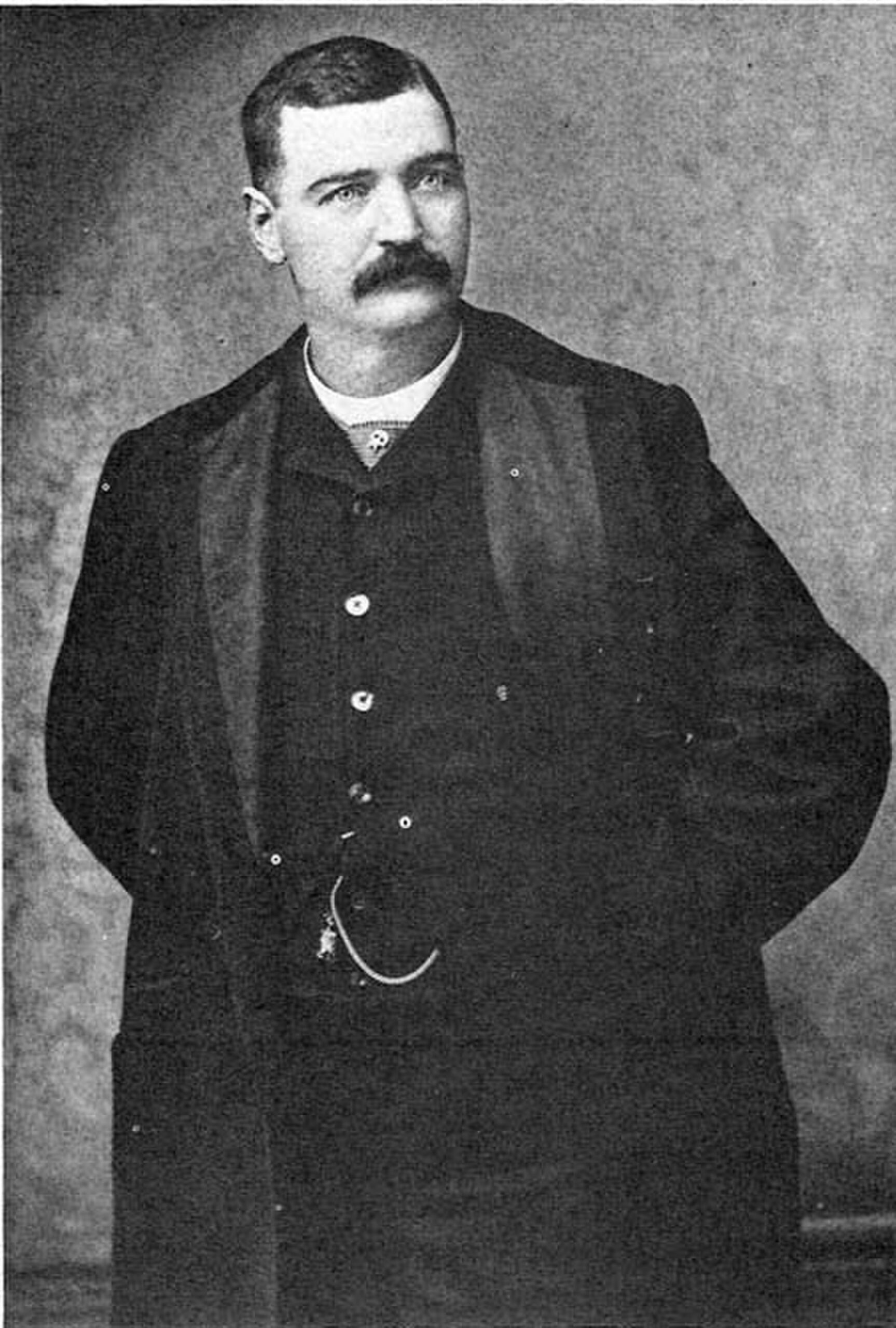
The Final Round: Bat Masterson’s Last Gunfight (1881)
Legendary lawman and gambler Bat Masterson fired his revolver in anger for the last time on April 16, 1881. The “Battle of the Plaza” in Dodge City ended with a $5 fine for Masterson and marked the closing chapter of his life as a frontier gunslinger. He would soon trade his six-shooter for a typewriter, moving to New York City to become one of the nation’s most prominent sports columnists.
Image via Wikimedia Commons, public domain
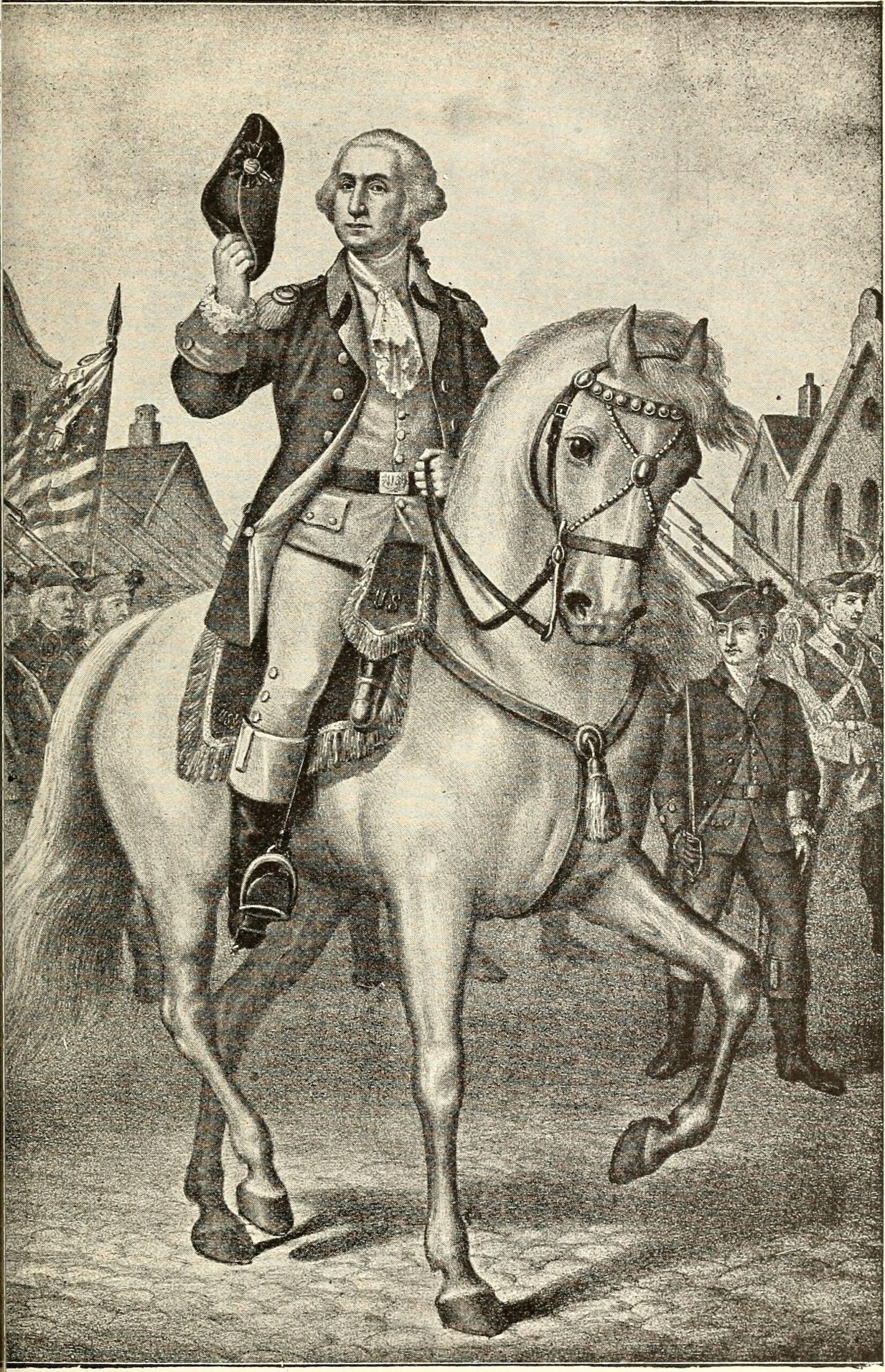
The Weight of the Helm: Washington Departs for New York (1789)
On April 16, 1789, George Washington turned his back on the “peaceful abode” of Mount Vernon and began a 230-mile journey to New York City. He wrote to Henry Knox that his feelings were “not unlike those of a culprit who is going to the place of his execution.” This inaugural journey was not a victory lap, but the reluctant start of a voyage into an “ocean of difficulties” to manage the helm of a brand-new republic.
Image via Wikimedia Commons, public domain
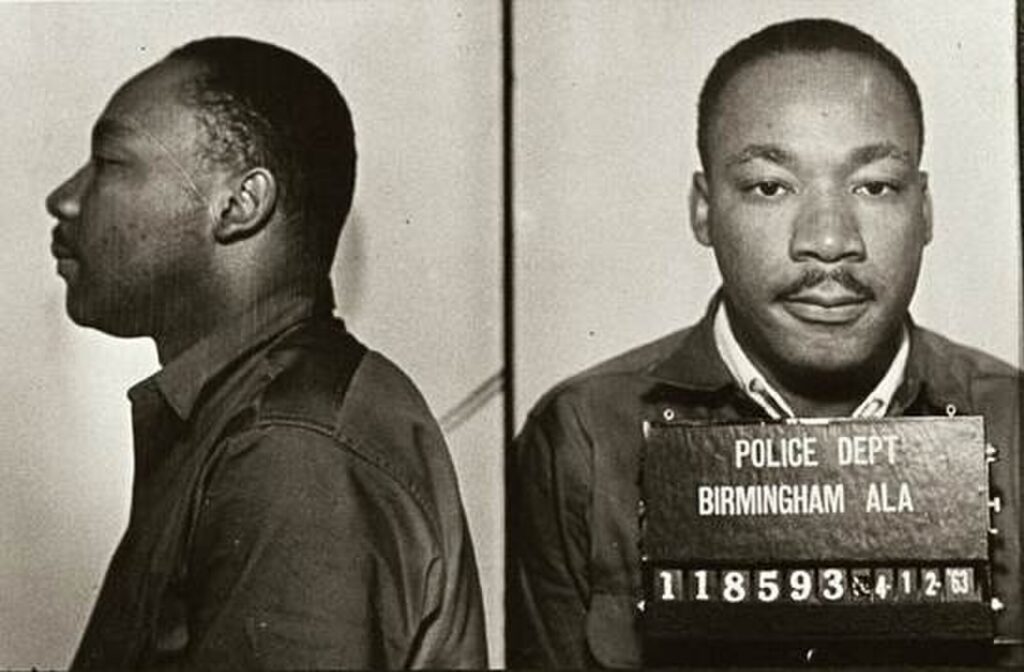
“Injustice Anywhere”: The Letter from Birmingham Jail (1963)
While confined in an Alabama cell for protesting segregation, Dr. Martin Luther King Jr. began writing one of the most important documents of the Civil Rights Movement on April 16, 1963. Scrawled on the margins of newspapers and smuggled scraps of paper, the “Letter from Birmingham Jail” was a powerful response to local white clergymen who had called his nonviolent tactics “unwise and untimely.” His landmark declaration that “injustice anywhere is a threat to justice everywhere” provided the moral and philosophical framework for the struggle for racial equality in America.
Image: Mugshot of Martin Luther King Jr following his 1963 arrest in Birmingham via Wikimedia Commons
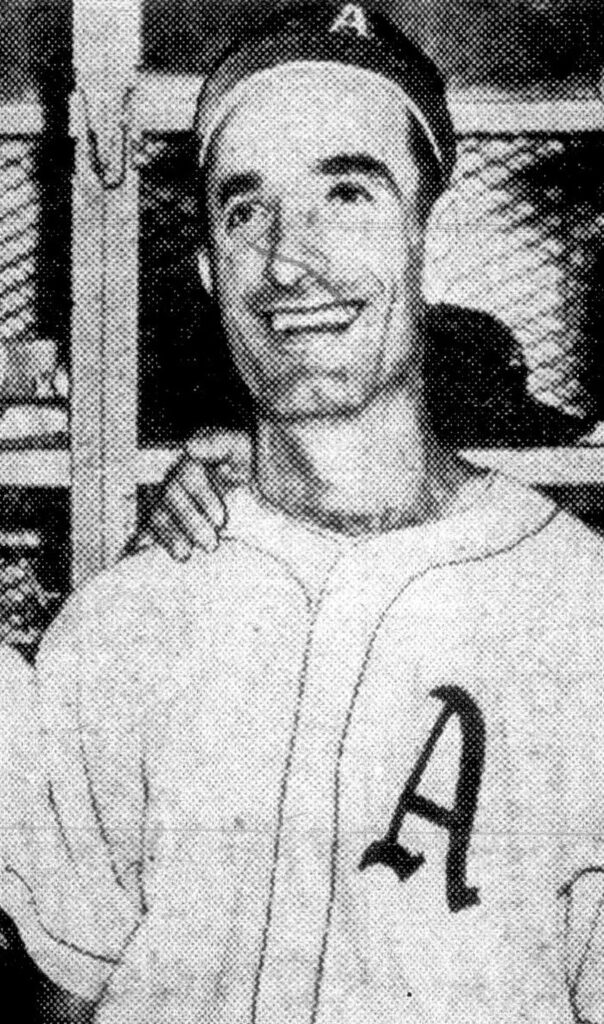
The Baseball Utility Man: Pete Suder (1916)
Born on April 16, 1916, in Aliquippa, Pennsylvania,
Pete “Pecky” Suder was a stalwart of the American League for over a decade. A dependable utility infielder for the Philadelphia and Kansas City Athletics, Suder was known for his defensive versatility and longevity, playing 13 seasons and appearing in over 1,400 games. He was part of a generation of ballplayers who saw their careers interrupted by military service during World War II, serving in the U.S. Army before returning to the diamond.