

Clara Barton (1821–1912)
Known as the “Angel of the Battlefield,” Barton passed away on April 12, 1912. Beyond founding the American Red Cross in 1881, she established the Missing Soldiers Office at her own expense, identifying over 22,000 men. A staunch supporter of Frederick Douglass and women’s suffrage, her legacy remains a cornerstone of global humanitarian aid.
Image via Wikimedia Commons, no known restrictions
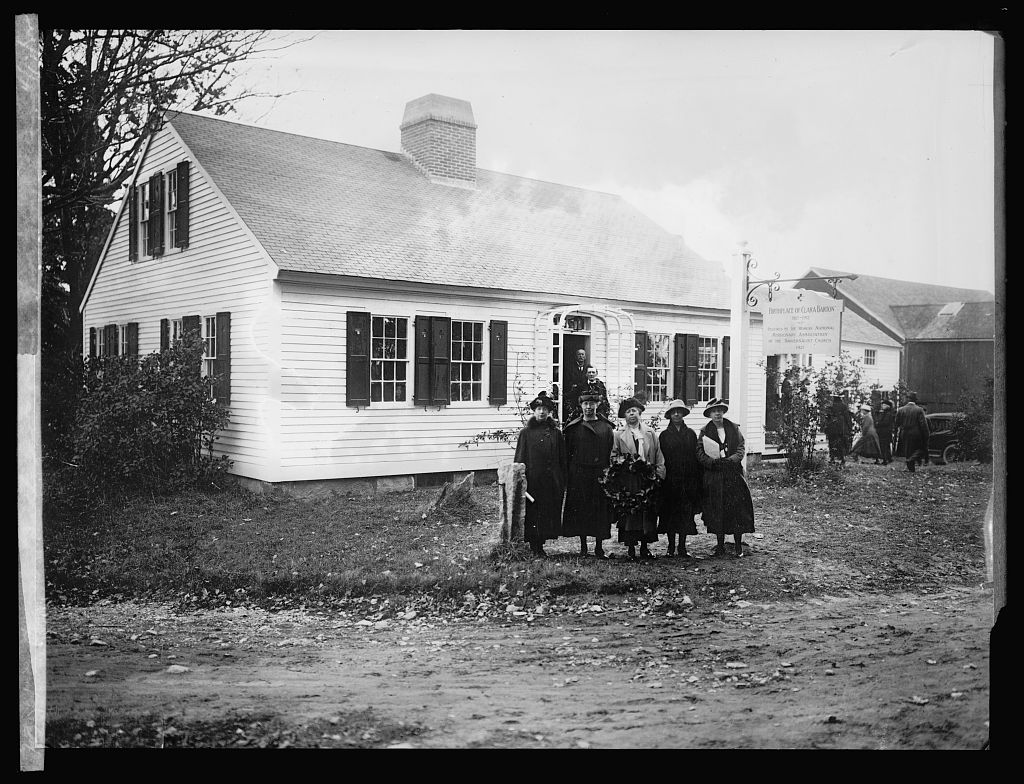
A photograph taken on April 12, 1922 outside of Clara Barton’s birthplace in Oxford, Massachusetts
Image via LOC, no known restrictions
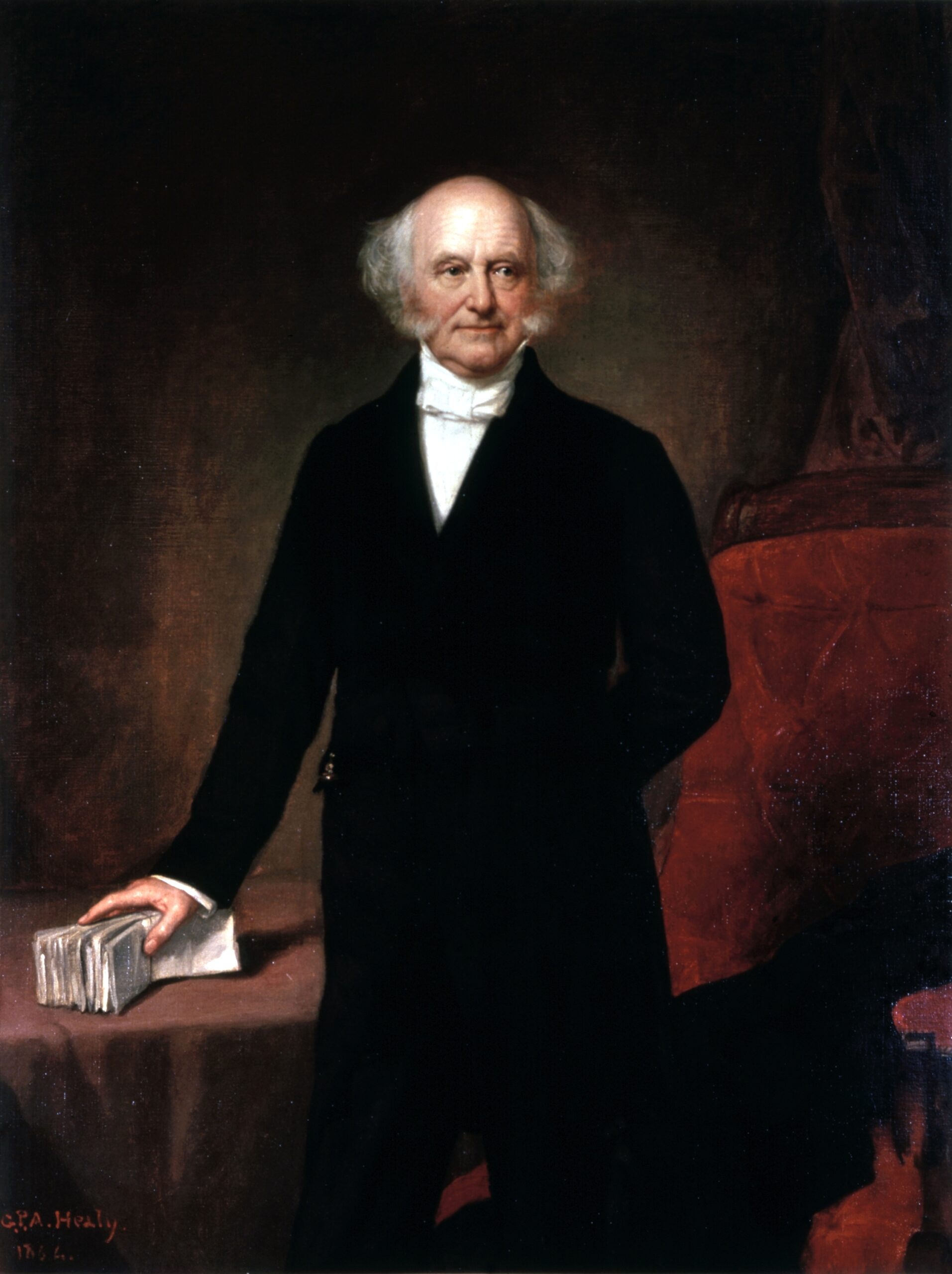
Martin Van Buren (1782–1862):
On April 12, 1858, artist G.P.A. Healy painted this portrait of the 75-year-old former president at his home, Lindenwald, in Kinderhook, NY. Though his presidency ended 17 years prior and was marred by the Panic of 1837, the “Little Magician” remained a political force, later running for president again with the anti-slavery Free Soil Party.
Image via Wikimedia Commons, no known restrictions
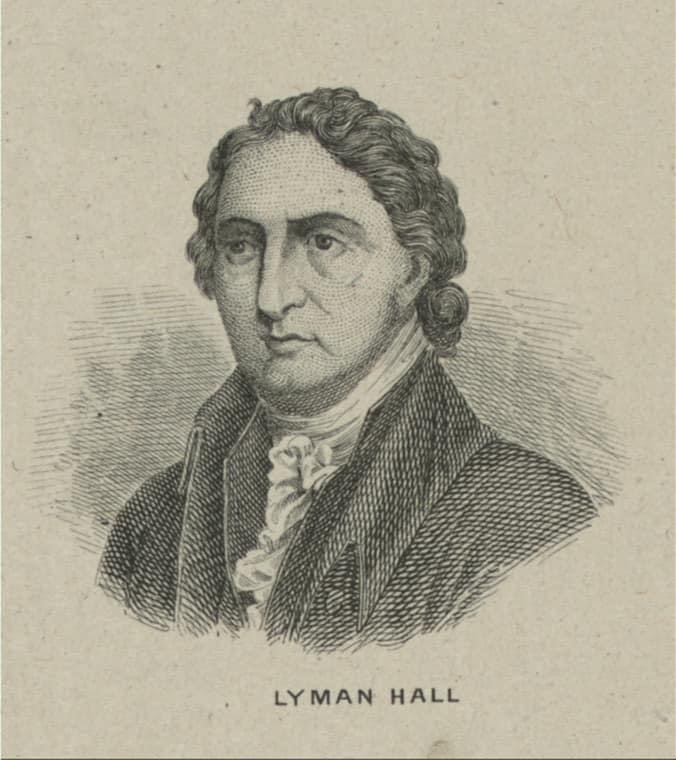
Lyman Hall (1724–1790):
Born April 12, 1724, in Wallingford, CT, Hall was one of only two medical doctors to sign the Declaration of Independence. As a Governor of Georgia, he saw his property burned by British forces during the Revolutionary War, forcing him to flee north before eventually returning to help rebuild the state’s government.
Image via NYPL Digital Collections, no known restrictions
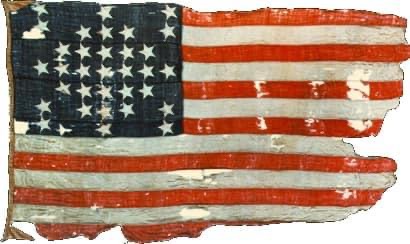
Fort Sumter & Norman J. Hall (1861):
The American Civil War began on April 12, 1861, as Confederate forces bombarded Fort Sumter. During the 34-hour siege, the Union flag was shot down; Lieutenant Norman J. Hall risked his life to climb a temporary staff and raise it again. Hall later became a hero at Gettysburg, defending the “Angle” during Pickett’s Charge.
Image via Wikimedia Commons, public domain
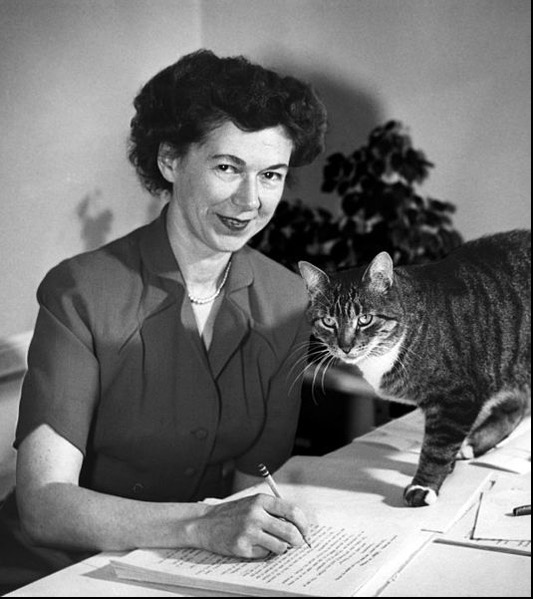
Beverly Cleary (1916–2021):
Born April 12, 1916, in McMinnville, OR, Cleary was a librarian who began writing because her young patrons wanted books about kids they could relate to. Her iconic characters like Ramona Quimby and Henry Huggins won her the Newbery Medal and changed children’s literature by focusing on the everyday lives of ordinary American children.
Image via Wikimedia Commons, no known copyright, public domain in the US.
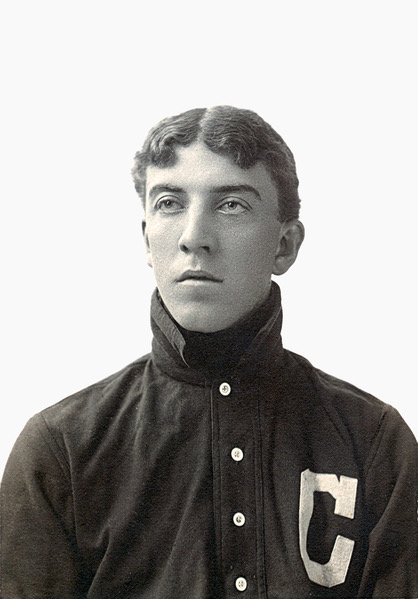
Addie Joss (1880–1911):
Born April 12, 1880, Adrian “Addie” Joss pitched the second perfect game of the modern era in 1908, defeating Hall of Famer Ed Walsh in a historic duel. A popular sports columnist in the off-season, his sudden death from meningitis at age 31 so moved the baseball world that the first-ever “All-Star” style benefit game was held for his family.
Image via Wikimedia Commons, public domain in the US
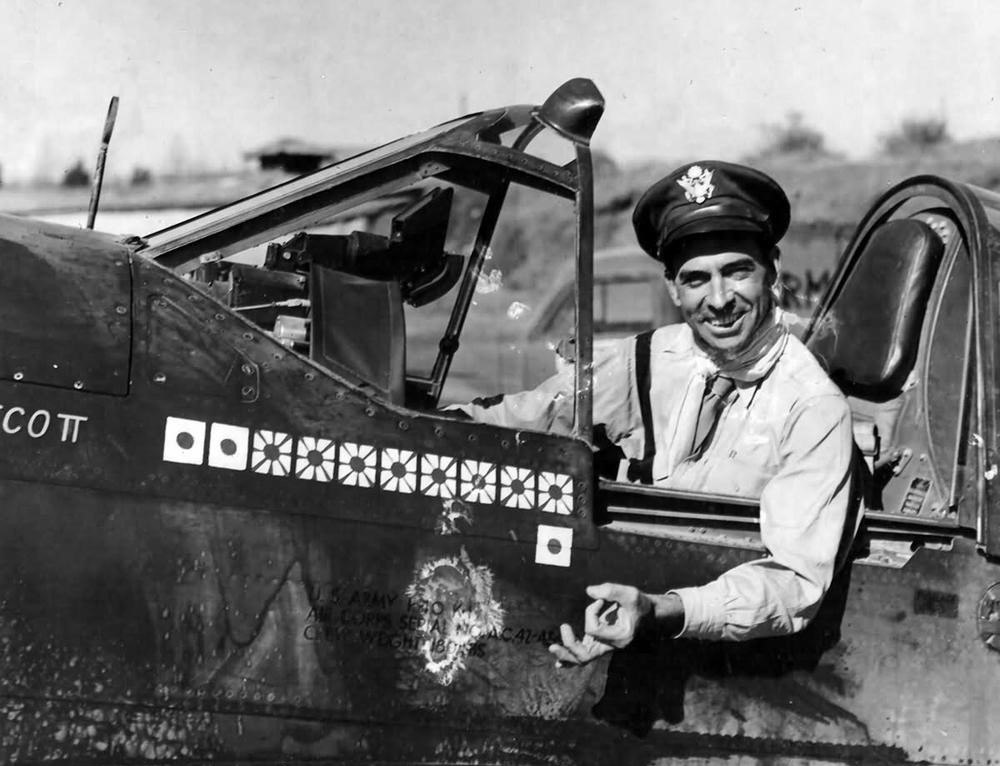
Robert Lee Scott Jr. (1908–2006):
One of the earliest American aces of WWII, Scott was born on April 12, 1908, in Waynesboro, GA. Credited with 13 aerial victories, he published the famous memoir “God is My Co-Pilot” before the war ended. Later in life, the “one-man air force” achieved a personal dream by walking the entire 1,900-mile length of the Great Wall of China.
Image: Colonel Robert L. Scott Jr. in his Curtiss P-40 Warhawk in 1943, public domain
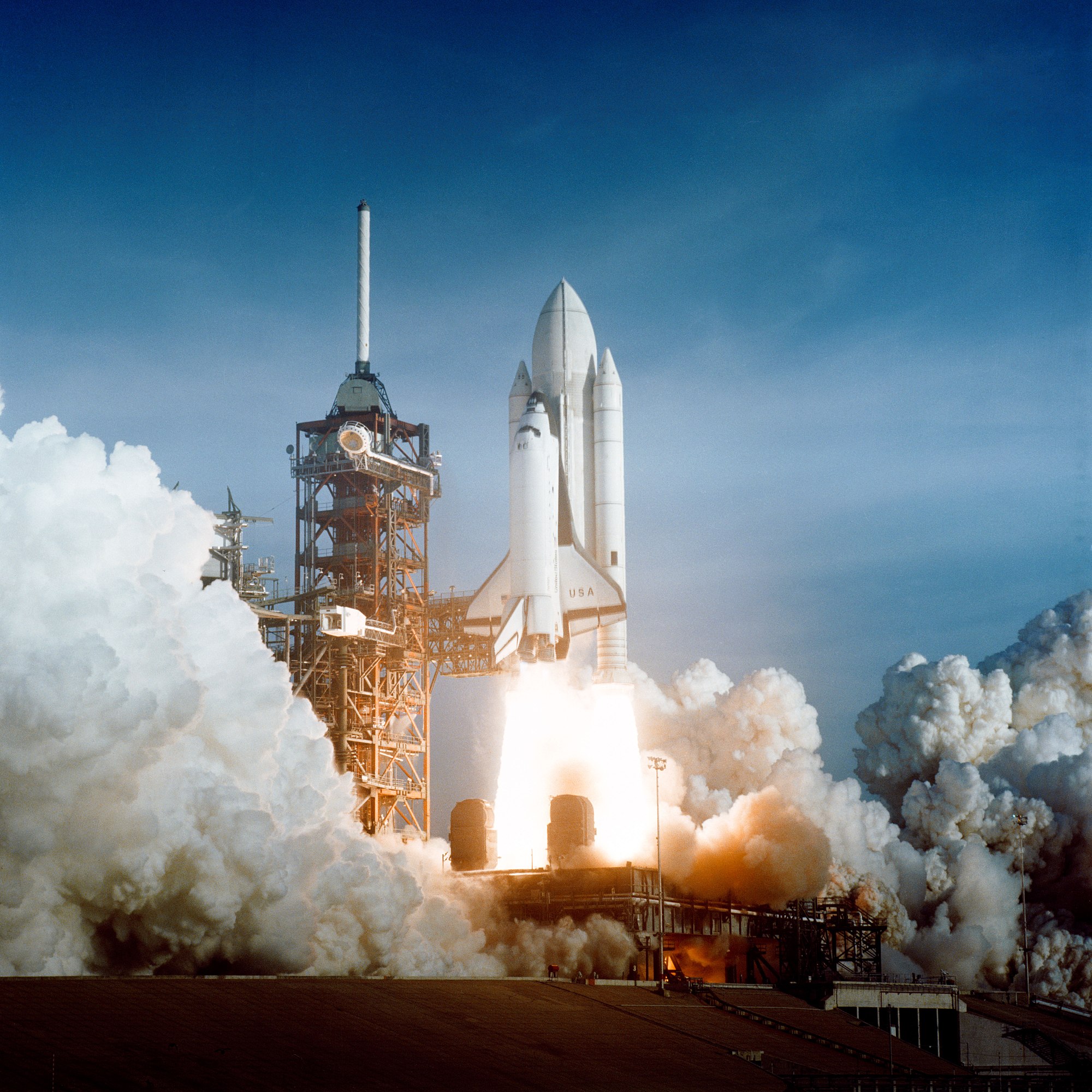
Space Shuttle Columbia (STS-1) (1981):
On April 12, 1981, NASA launched the first crewed shuttle mission, orbiting the Earth 37 times. This was the only time NASA launched a brand-new space vehicle on its maiden flight with a crew—John Young and Robert Crippen—proving that a winged spacecraft could launch like a rocket and land like a glider.
Image via Wikimedia Commons, public domain
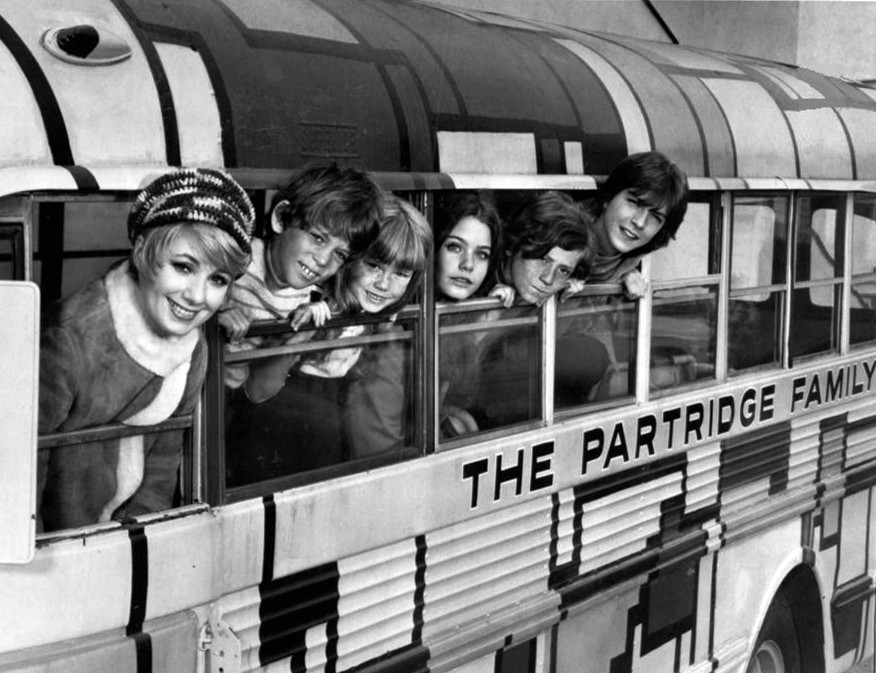
David Cassidy (1950–2017):
Born April 12, 1950, in Manhattan, Cassidy became a global icon as the star of The Partridge Family. At the height of “Cassidymania” in the early 70s, his fan club was larger than those of The Beatles or Elvis, and he became the first teen idol to have his image licensed for everything from lunchboxes to bubblegum.
The cast of the Partridge Family in 1970. David Cassidy is on the far right.
Image via Wikimedia Commons, public domain
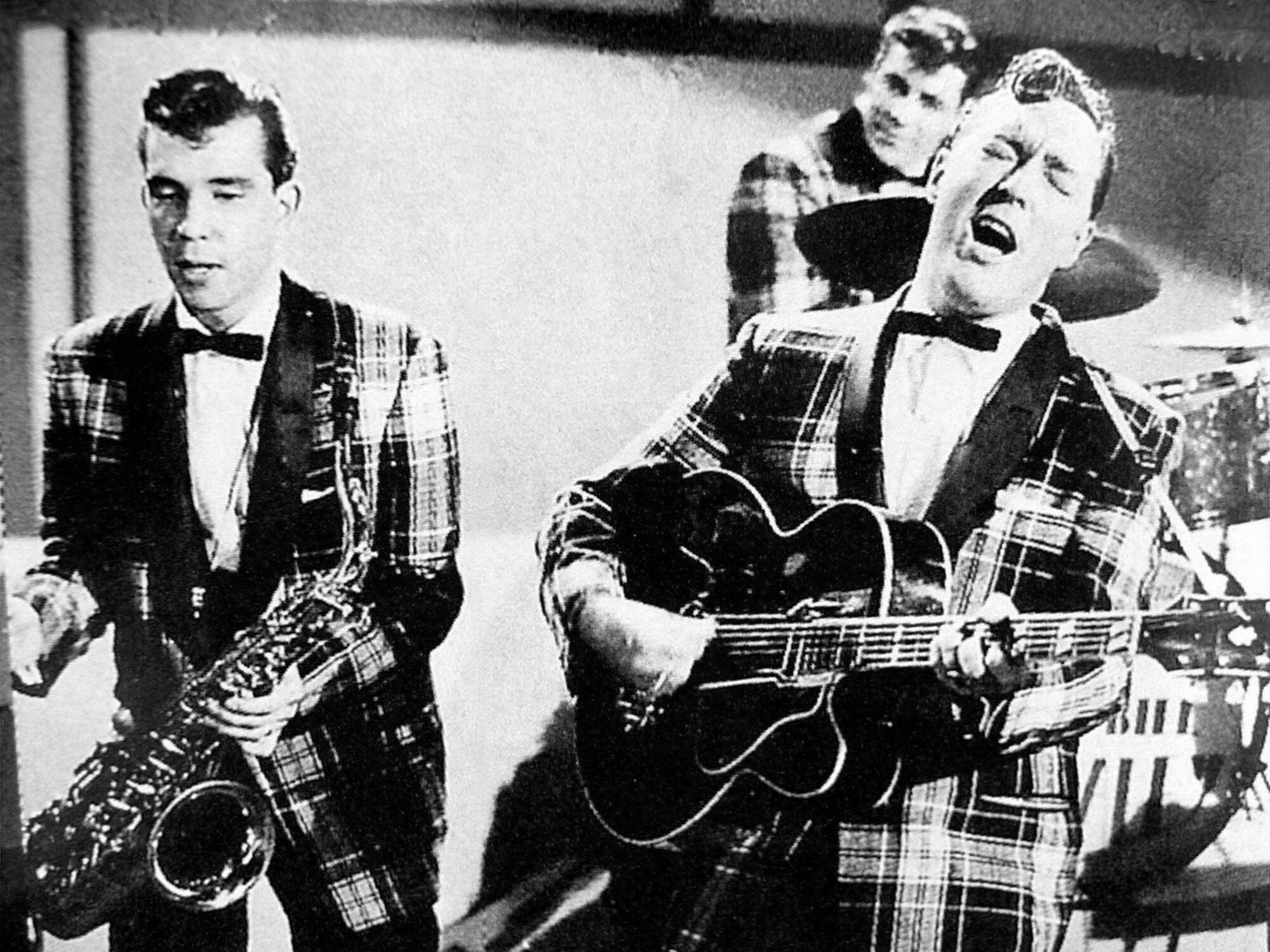
Bill Haley & The Comets (1954):
On April 12, 1954, the group recorded “Rock Around the Clock” at the Pythian Temple Studios in NYC. While not an immediate hit, it became a global phenomenon a year later after appearing in the film Blackboard Jungle, signaling the official arrival of the Rock and Roll era. Today, the studio is a condominium complex.
Image via Wikimedia Commons, public domain
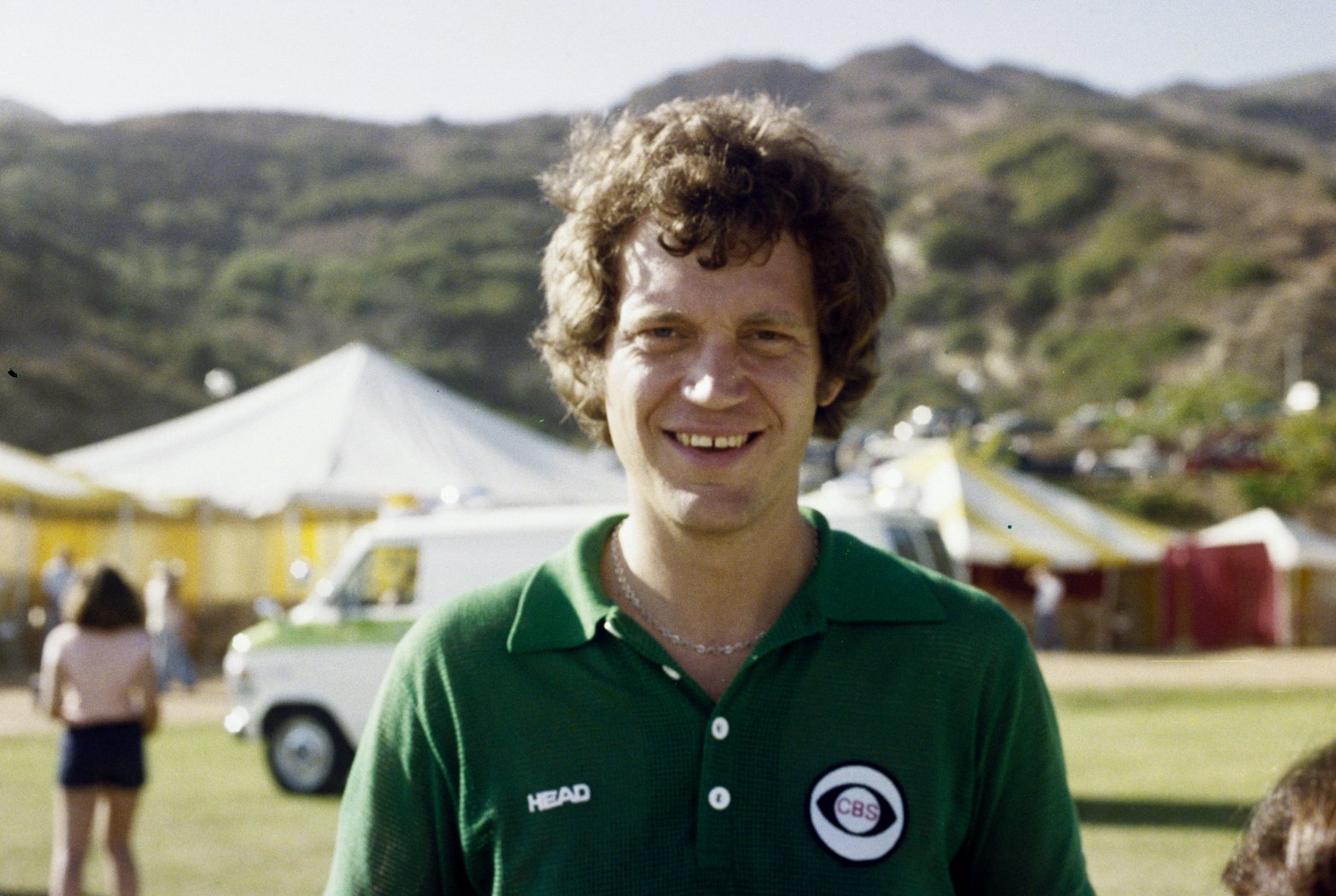
David Letterman (1947–):
Born April 12, 1947, in Indianapolis, Letterman worked as a sarcastic local weatherman before becoming a late-night legend. He holds the record as the longest-serving late-night talk show host in U.S. history. His 1978 appearance on Battle of the Network Stars captured him just as his national career was beginning to take flight.
Image via Alamy

Michael Phelan (1819–1871):
On April 12, 1859, just days before his 40th birthday, Phelan won the first U.S. national billiards tournament and a $15,000 prize. Known as the “Father of American Billiards,” he was also an inventor who developed the modern billiard table and wrote the first scientific rulebook for the game.
Image via Wikimedia Commons, public domain
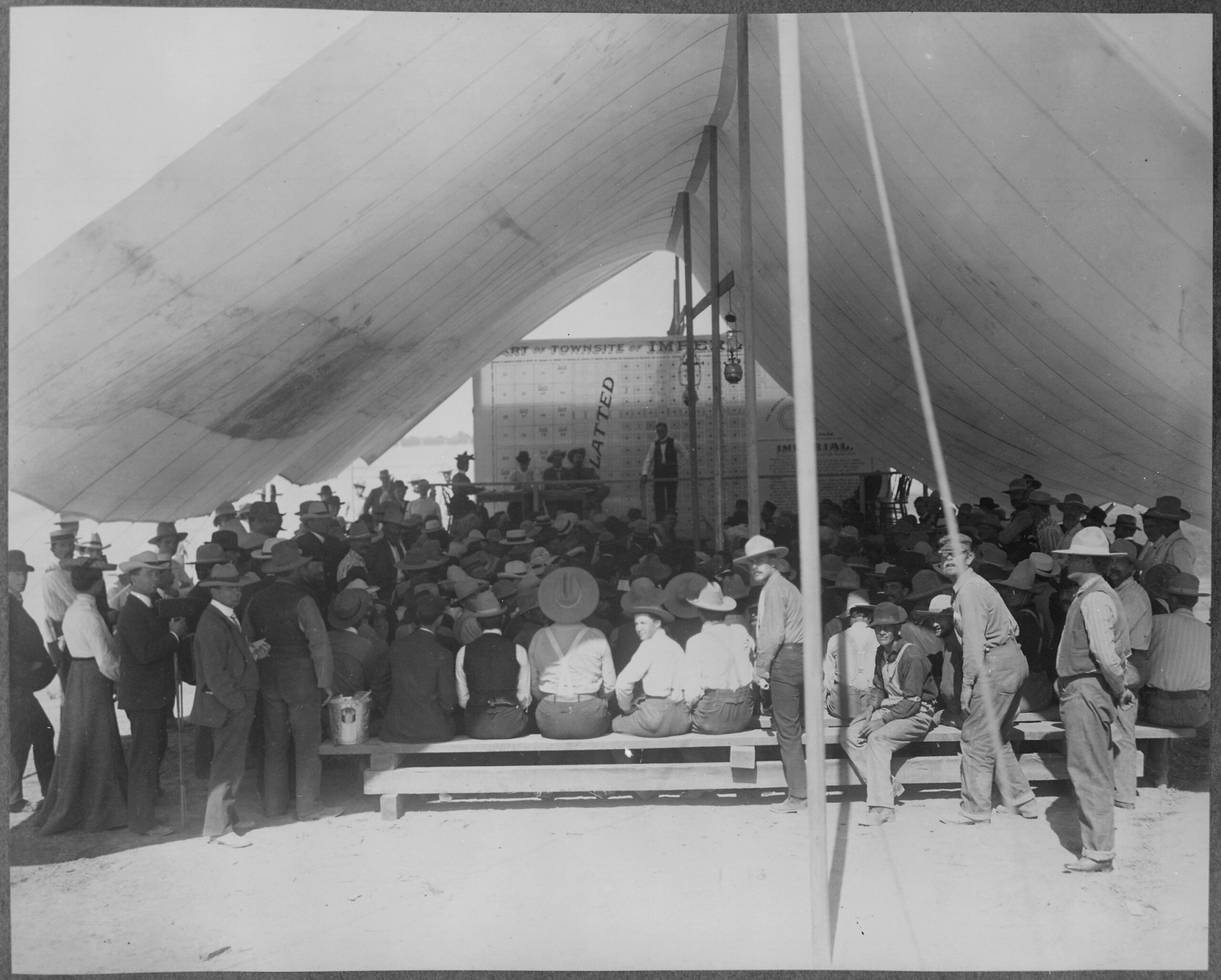
Imperial, California (1904):
The first auction sale of lots at Imperial took place on April 12, 1904. This was a massive effort by the California Development Co. to turn the Colorado Desert into the “Imperial Valley.” Ironically, just a year later, the Colorado River breached its levees, creating the Salton Sea nearby.
Image via Wikimedia Commons, public domain
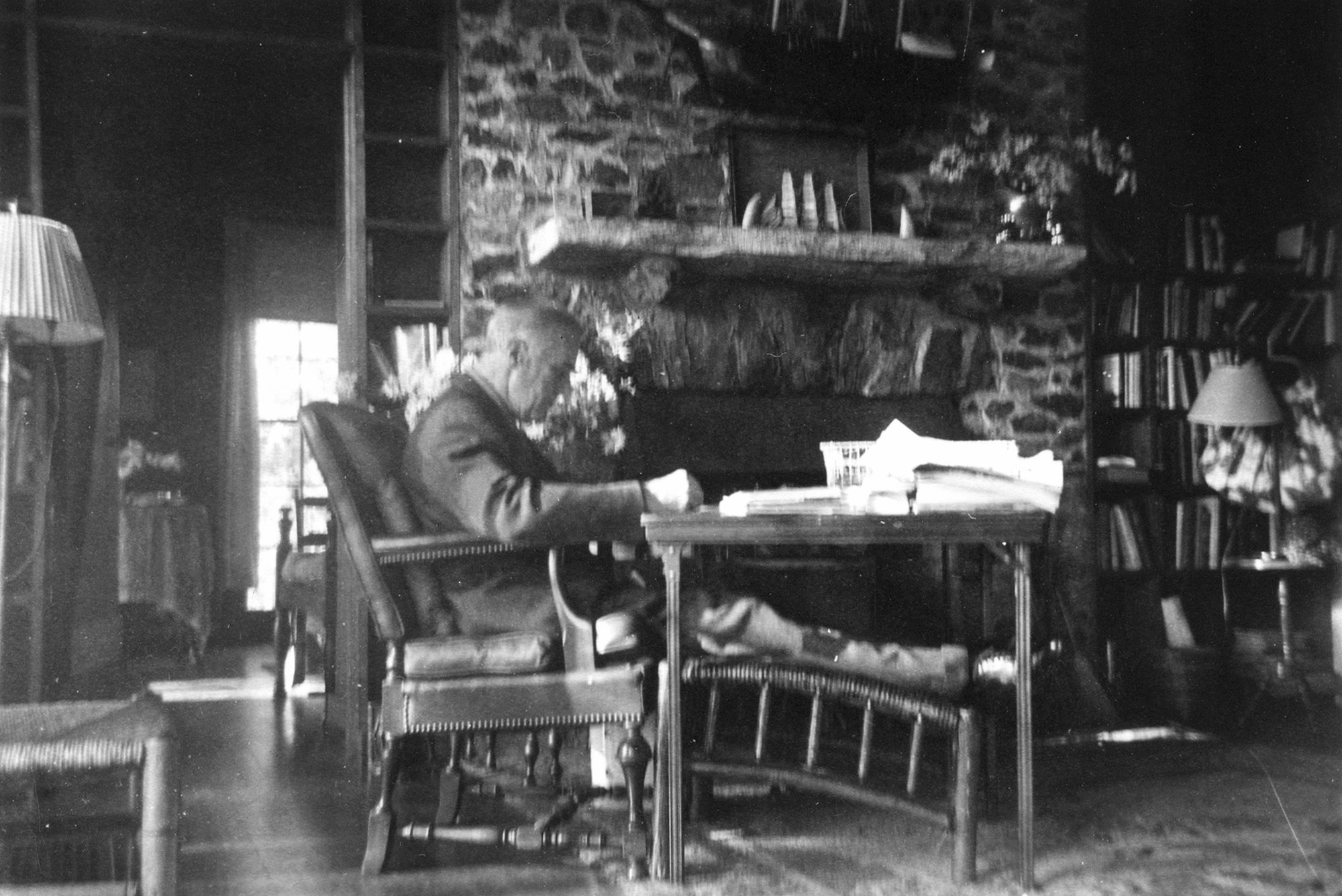
FDR at Warm Springs (1945):
This photo of President Franklin D. Roosevelt was taken just days before his death on April 12, 1945. He was at his retreat in Georgia to rest before the founding of the United Nations. At the moment he collapsed, he was sitting for a portrait by Elizabeth Shoumatoff, which remains the famous “Unfinished Portrait.”
Image from FDR Presidential Library and Museum, CC BY 2.0 via Wikimedia Commons
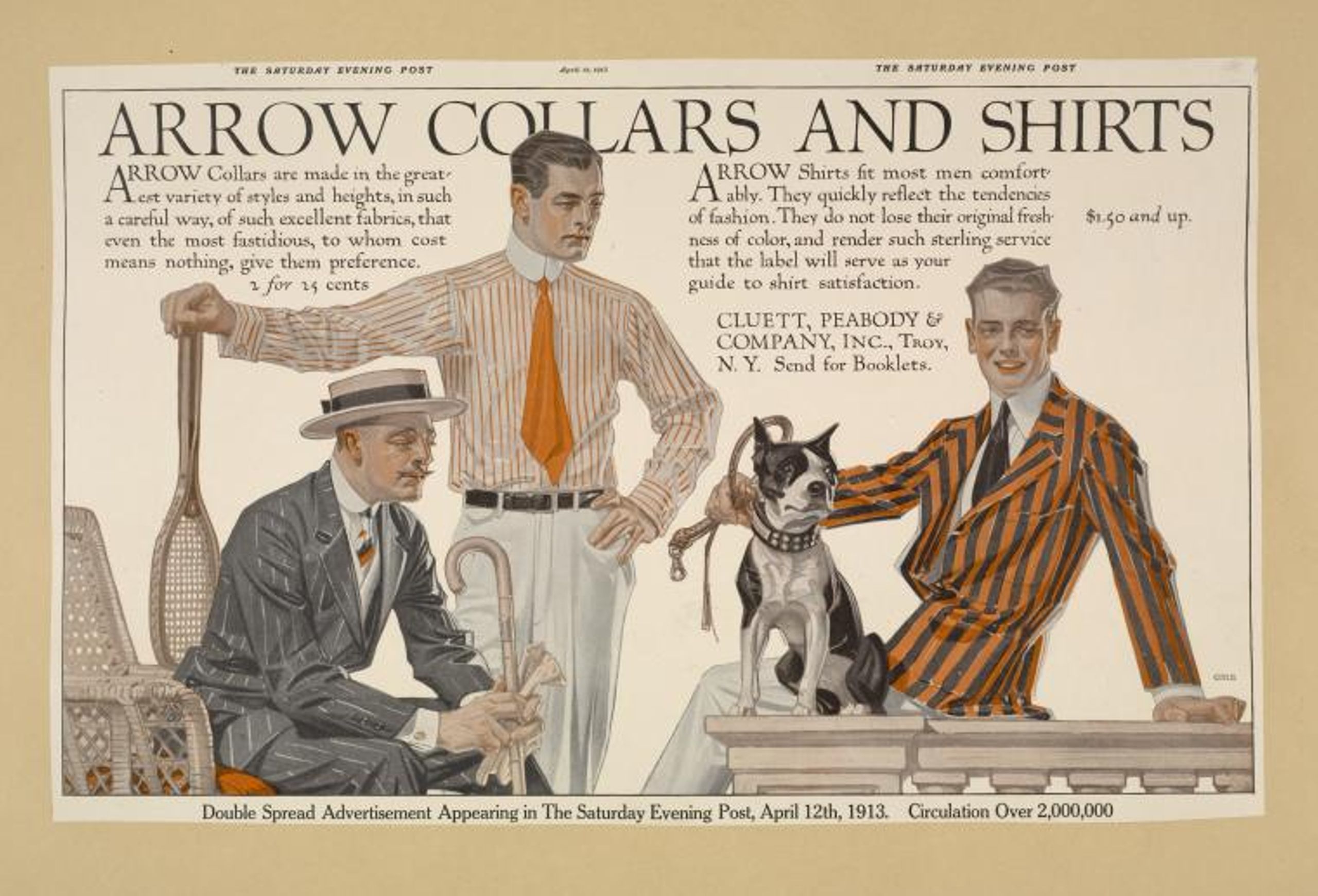
Arrow Collar Advertisement (1913):
This advertisement appeared in the Saturday Evening Post on April 12, 1913. The “Arrow Collar Man” was a cultural icon of masculine style created by illustrator J.C. Leyendecker; the character was so popular he received more fan mail than many silent movie stars of the era.
via NYPL Digital Collections, no known restrictions
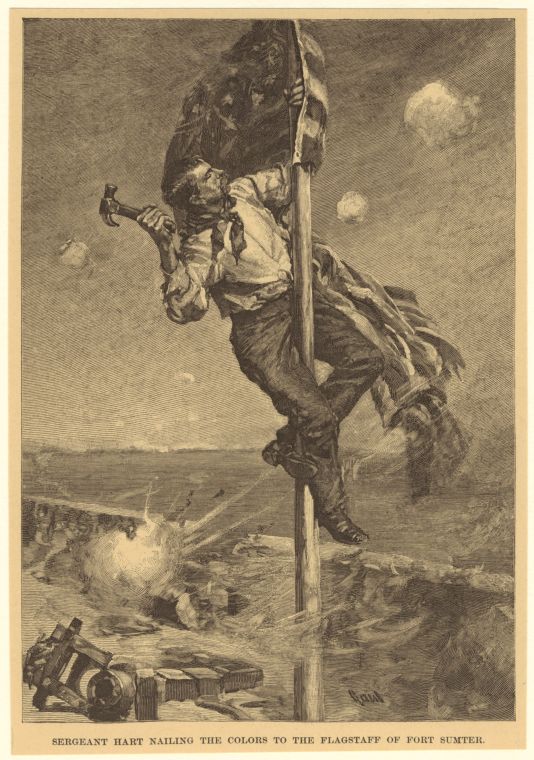
Peter Hart & The Fort Sumter Flag
On April 12, 1861, as Confederate shells rained down on Fort Sumter, Sergeant Peter Hart (Mexican-American War veteran and New York City Police Officer) climbed the shattered flagstaff and nailed the Union colors back into place—an act of defiance that marked the opening shots of the Civil War. The flag remained flying until the garrison’s surrender, making Hart a Northern hero and turning the banner into a powerful symbol of the Union cause.
Four years later, Hart stood beside Major Anderson as the flag was raised again over the fort on April 14, 1865, just hours before President Lincoln’s assassination at Ford’s Theatre.
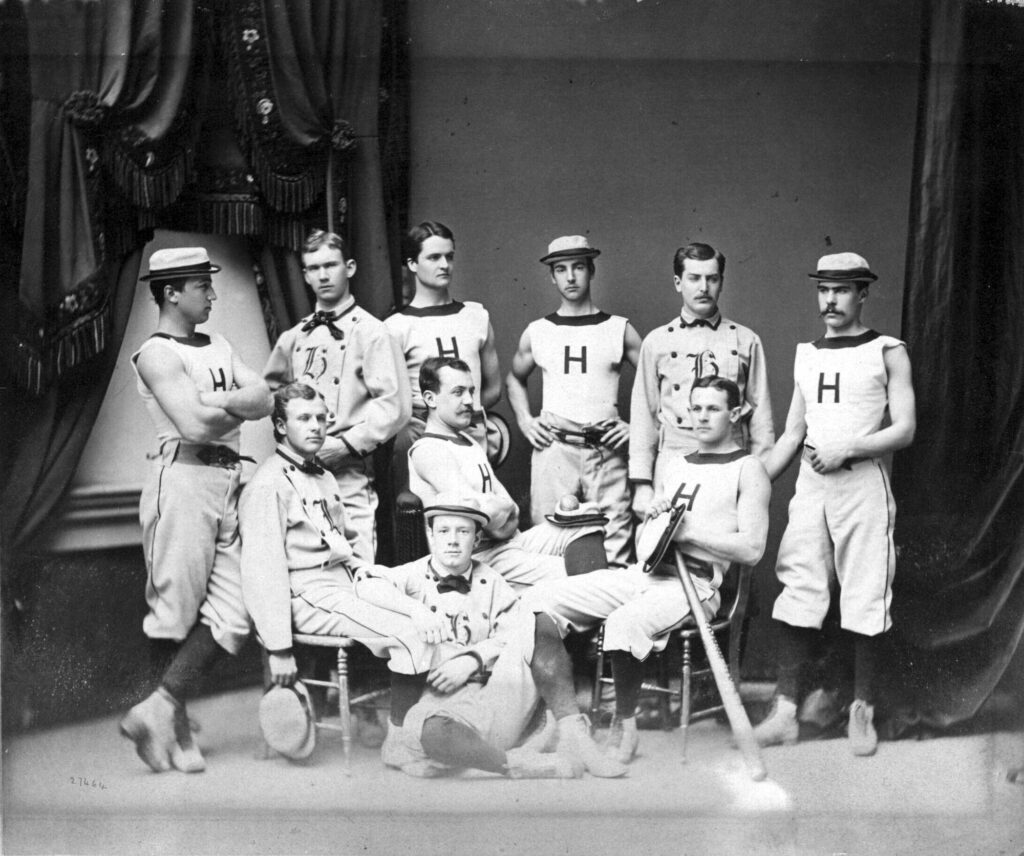
The First Catcher’s Mask (April 12, 1877)
Harvard catcher James Tyng debuted baseball’s first protective mask on April 12, 1877, during a game against the Live Oaks of Lynn. Adapted from a fencing mask, the wire frame gave him a fighting chance against the newly mastered curveball, marking the moment when the sport’s most dangerous position finally gained its first real safeguard.
Image: Harvard baseball team, circa 1877.The man second from the right, in the back row, is James Tyng who is known as the first baseball player to wear a catcher’s mask while playing for Harvard in 1877! ⚾️
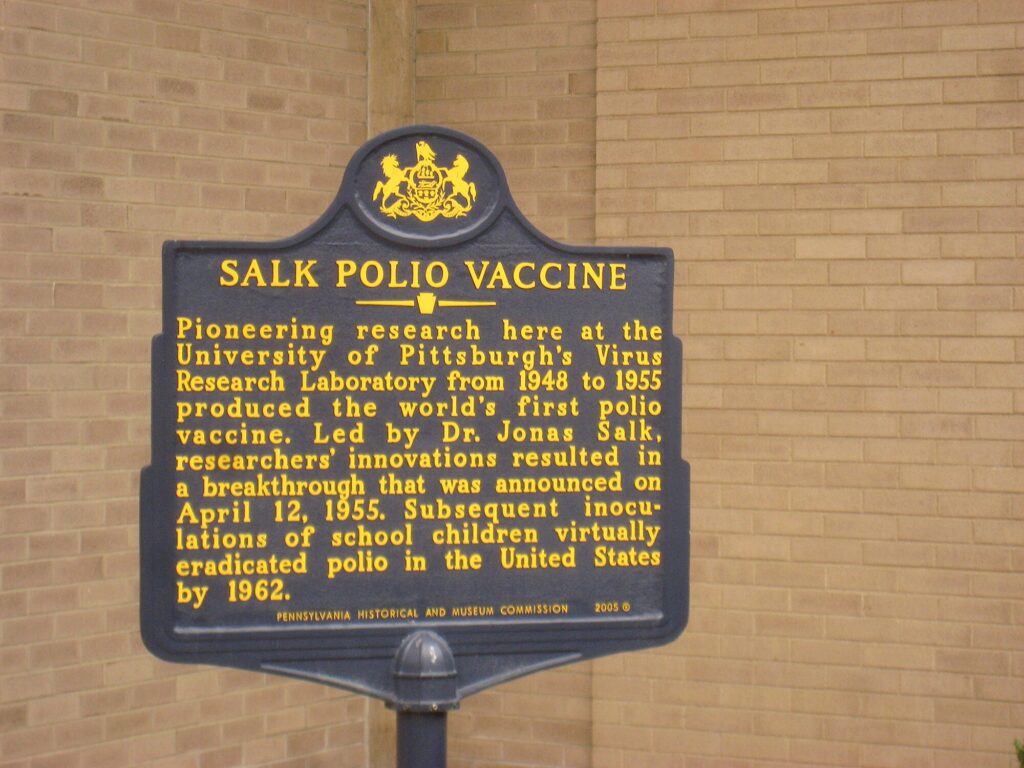
The Salk Polio Vaccine (1955)
On April 12, 1955—the tenth anniversary of FDR’s death—Dr. Thomas Francis Jr. stood in Rackham Auditorium at the University of Michigan and announced that Jonas Salk’s polio vaccine was 80–90% effective in preventing paralytic disease. The findings capped a nationwide field trial involving 1.8 million children known as the “Polio Pioneers,” the largest medical experiment in history to that point. Salk declined to patent the vaccine, asking, “Could you patent the sun?” With no patent barriers and the March of Dimes driving mass production, U.S. polio cases fell by roughly 80% within two years, setting the stage for the disease’s near‑eradication.
Image: Salk Polio Vaccine plaque, University of Pittsburgh, Pittsburgh, Pennsylvania, USA via Wikimedia Commons
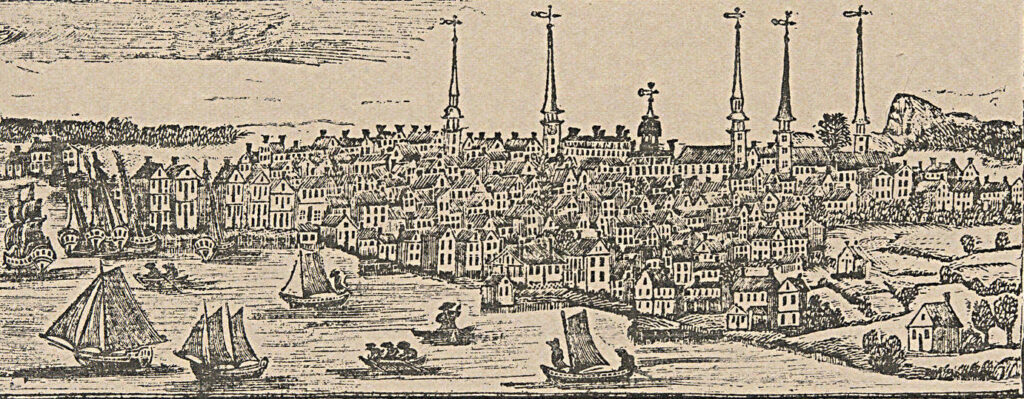
The Connecticut Gazette (1755)
On April 12, 1755, James Parker published the first issue of the Connecticut Gazette in New Haven, officially becoming the first newspaper in the colony. Founded with the assistance of Benjamin Franklin, who provided the printing equipment, the weekly paper primarily served as a military record during the French and Indian War. While local news was often shared by word of mouth in taverns, the Gazette provided vital shipping information for merchants and reporting on “remarkable occurrences” from across the Atlantic. Though it was suspended in 1764, it paved the way for a vibrant press culture in Connecticut, including the later Hartford Courant.
