
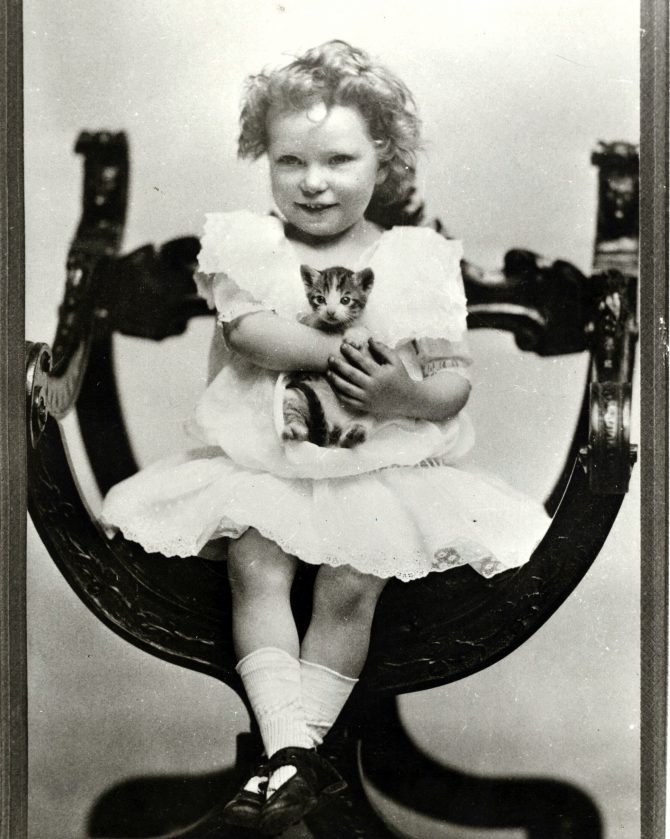
Born in Atlanta on November 8, 1900, Margaret Mitchell grew up surrounded by stories of the Civil War and its aftermath. Confederate veterans and older relatives helped shape her understanding of the past, providing memories she later drew upon while writing Gone with the Wind. Before becoming a novelist, she worked as a journalist for the Atlanta Journal Sunday Magazine. Her childhood influences and later historical research contributed to a book that would become both extraordinarily popular and deeply controversial.
Published in June 1936, Gone with the Wind sold more than a million copies in its first six months and won the Pulitzer Prize in 1937. Its story of Scarlett O’Hara’s struggle through war and Reconstruction reached readers living through the Great Depression. The novel’s themes of survival and adaptation offered one source of its appeal, while Scarlett’s determination made her a memorable, often troubling protagonist.
That narrative power coexisted with a deeply distorted portrayal of the slaveholding South. Mitchell largely accepted slavery as part of the social order, depicted Black characters through racist assumptions, and gave little attention to the courage of those who resisted enslavement. Her portrayal of white Southern suffering invited readers to identify with the losses of plantation society while obscuring the people whose forced labor had sustained it.
The 1939 film adaptation carried that vision to an even wider audience and remains the highest-grossing film in inflation-adjusted estimates. Mitchell did not invent the romanticized memory of the Confederacy, but her novel helped give it an exceptionally influential popular form. Her legacy therefore involves more than literary success: it raises enduring questions about how compelling fiction can shape public understanding of history—and whose experiences it leaves outside the frame.
