
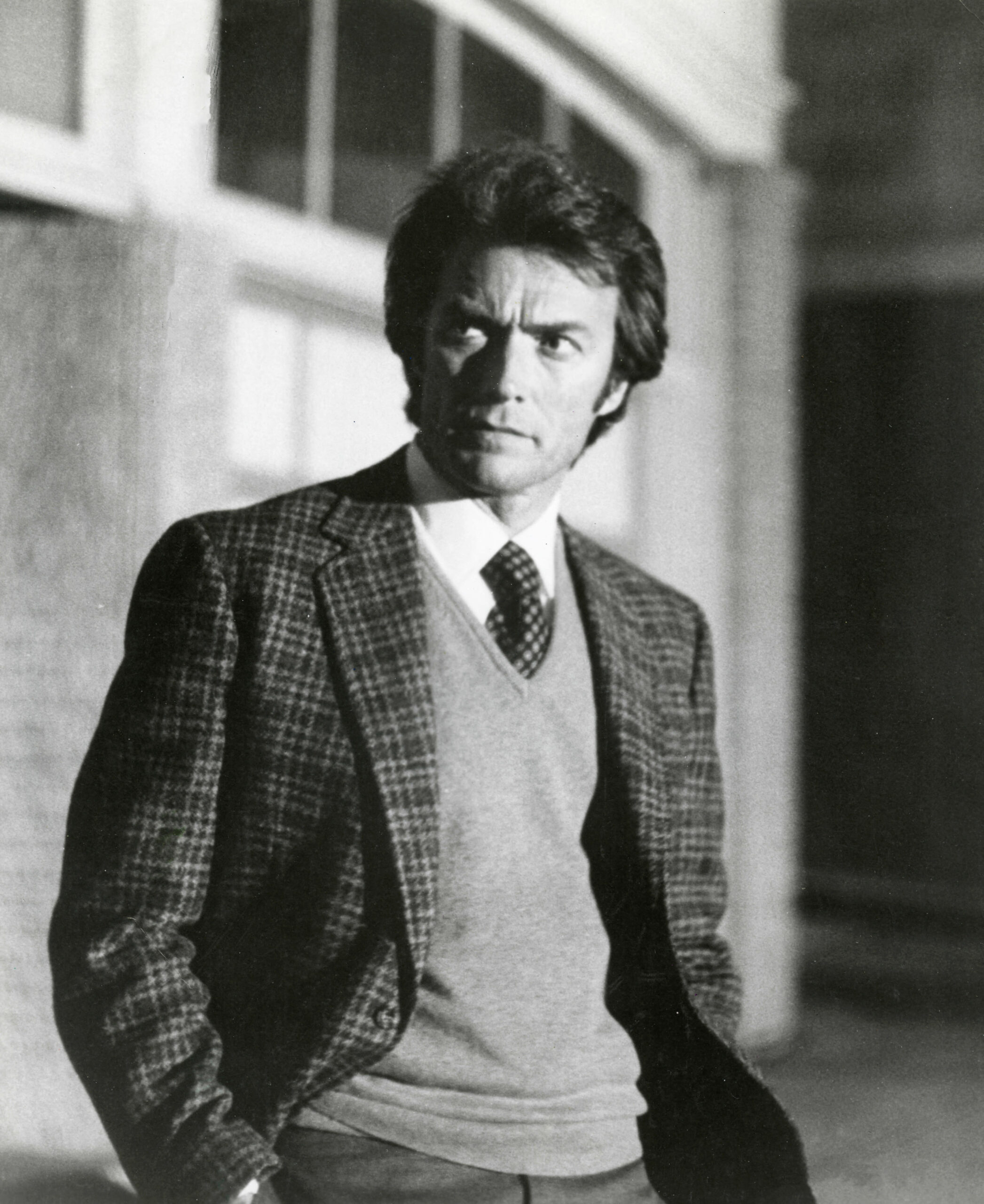
On May 31, 1930, the birth of Clint Eastwood in San Francisco, California, introduced a talent who would go on to shape American cinema for generations. His cool, restrained presence in Westerns and crime dramas made him an icon, but it was his steady discipline and evolution behind the camera that ultimately defined his career. By directing films such as Unforgiven, he moved beyond the stylized persona that first made him famous and emerged as a filmmaker of unusual clarity and emotional depth. His long life in the industry reflects an artist who continually refined his craft, turning early opportunity into a sustained masterclass in American storytelling.
When Eastwood delivered the line “Go ahead, make my day,” it instantly became one of the most famous phrases in movie history, fixing him in the public imagination as an uncompromising force. Yet away from the cameras, he often defied that image, using his success to make films that confronted the human cost of violence rather than glorifying it. His greatest satisfaction came from the quiet collaboration of a film set, where he famously avoided shouting “Action,” choosing instead to tell his actors, “Whenever you are ready.” By trading the bravado of a lone gunman for the patience of a thoughtful director, he spent decades showing that the most enduring power in cinema comes from the honesty of a well‑told story.
Image of Clint as Inspector Harry Callahan via Alamy
