
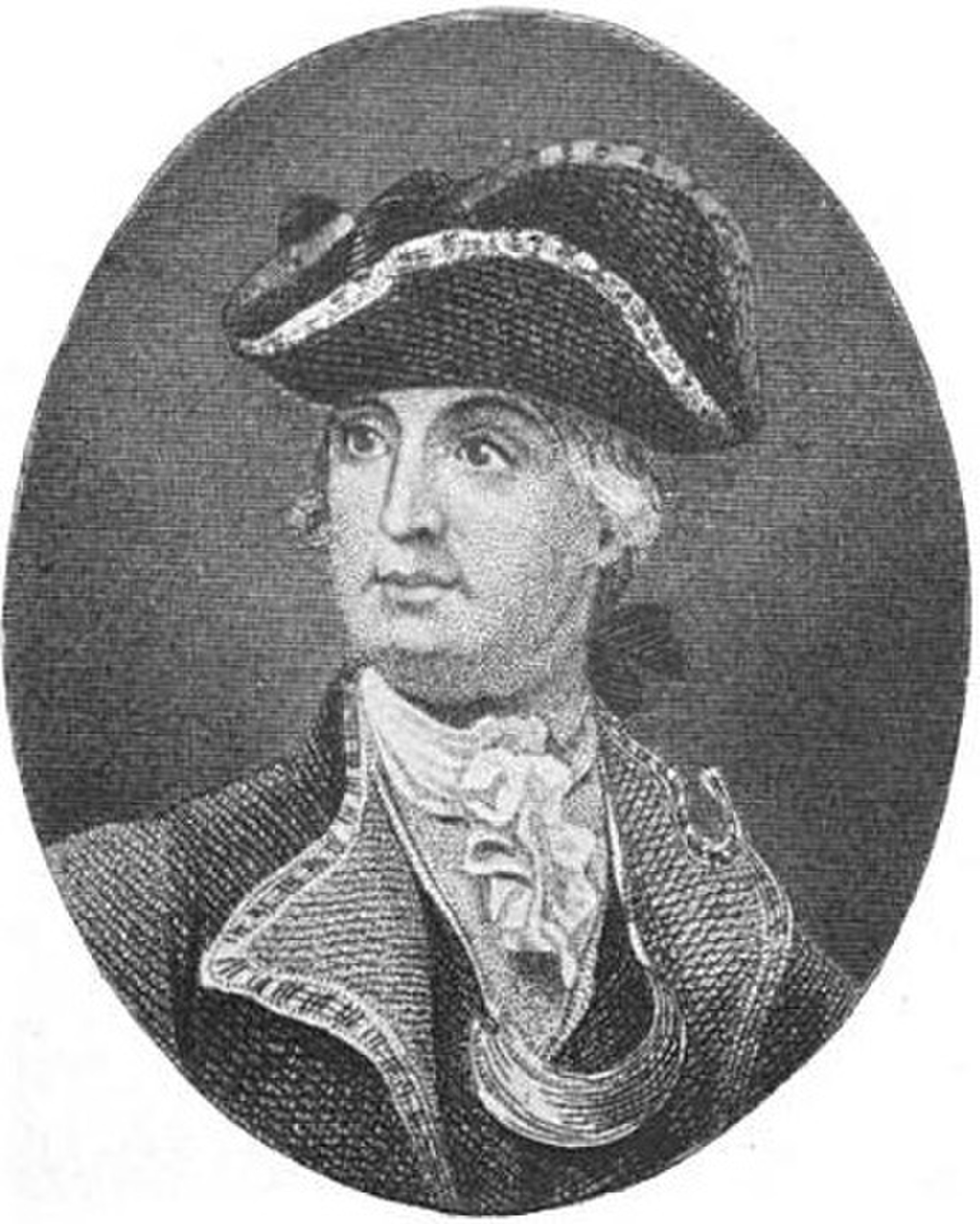
On October 20, 1777, the Continental Congress promoted North Carolina native Robert Howe to major general in the Continental Army. He was the only North Carolinian to attain that rank in Continental service during the Revolutionary War. Already responsible for the Southern Department, Howe faced the difficult task of directing operations across a region threatened by British forces and divided by competing military and political interests.
Just over three years later, Howe received a very different assignment. In January 1781, soldiers of the New Jersey Line stationed near Pompton mutinied amid grievances over pay, provisions, and conditions of service. Coming shortly after the Pennsylvania Line’s revolt, the uprising heightened George Washington’s concern that military resistance would spread. He ordered Howe to secure the mutineers’ unconditional submission and execute some of their most active leaders.
Before dawn on January 27, Howe’s force of approximately 500 men surrounded the encampment and compelled the mutineers to surrender. A hastily convened court-martial sentenced three alleged ringleaders to death. Twelve other mutineers were compelled to form the firing squad that executed Sergeants David Gilmore and John Tuttle; the third condemned man, Grant, received a reprieve.
The suppression ended the Pompton mutiny and delivered a stark warning against further collective defiance. It also exposed a painful tension within the Revolutionary cause: soldiers suffering serious deprivation faced commanders who regarded obedience as essential to the army’s survival.
