
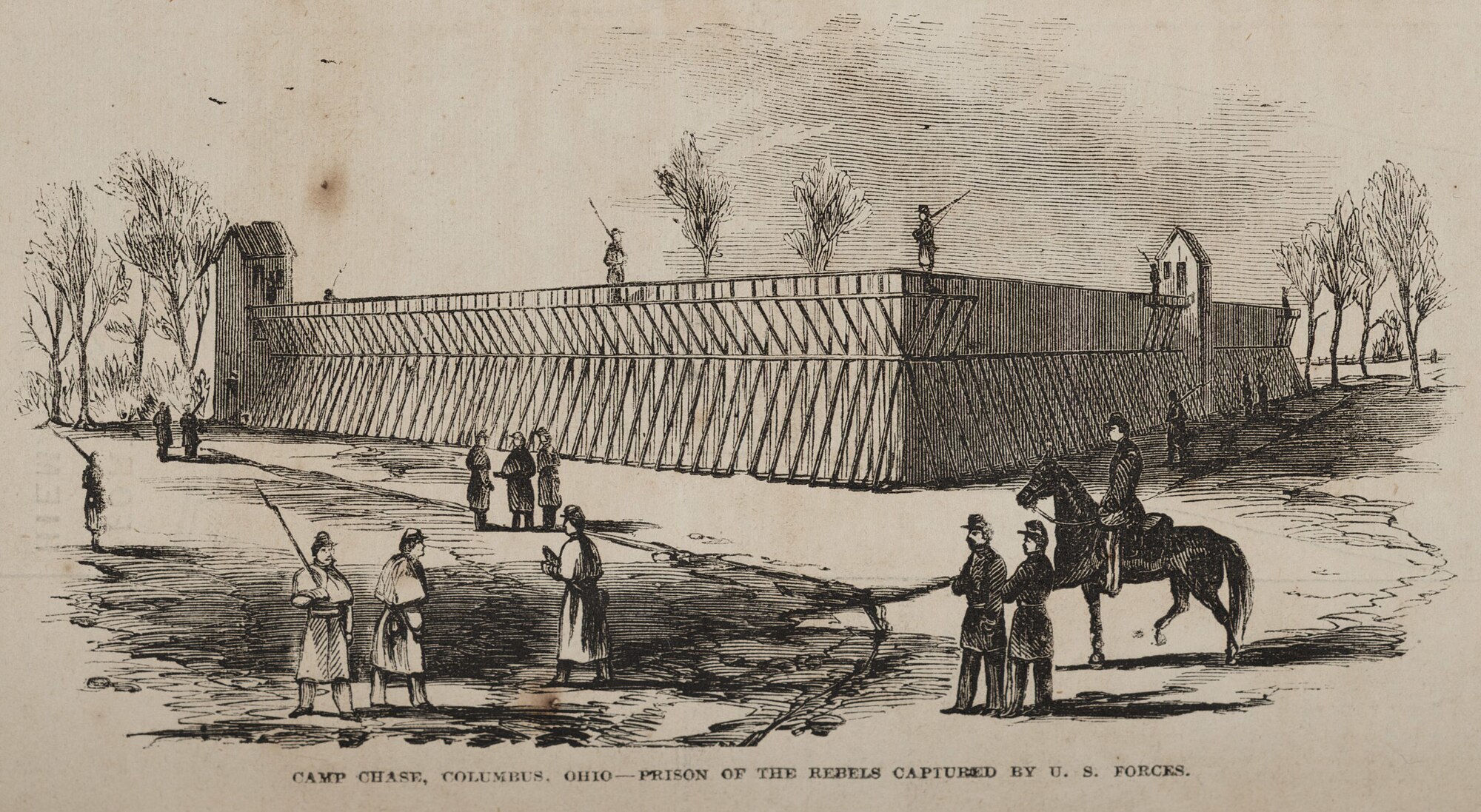
Despite the raging Civil War, a moment of human empathy pierced the conflict. On August 14, 1862, President Abraham Lincoln personally intervened on behalf of a Confederate prisoner held at Camp Chase, Ohio. The prisoner’s wife—desperate to reach her husband—had come directly to the White House, pleading her case in person. Moved by her courage and concern, Lincoln telegraphed Captain Henry M. Lazella, the officer in charge—not to punish, but to connect: “Tell him his wife is here, and allow him to telegraph to her.” Lazella replied that same day, confirming Dr. J. J. Williams’s presence and the message delivered. This small act of compassion reveals a rarely seen side of wartime leadership—and the enduring bonds of family, even across enemy lines.
This brief executive intervention took place during a week of immense military and political isolation for Lincoln, highlighting his rare capacity to prioritize individual human grief amidst national chaos. Just days after he had been forced to authorize a massive, highly unpopular draft of 300,000 men and while actively dealing with the fallout of Major General George McClellan’s failed Peninsula Campaign, Lincoln still granted an audience to a destitute Southern woman who had slipped past the battle lines. By bypasses standard military bureaucracy to send a direct personal wire to the prison stockade, Lincoln demonstrated his profound, instinctive understanding that the preservation of basic human decency and family ties was an essential moral anchor if the fractured nation was ever going to truly heal after the guns fell silent.
Image: Camp Chase, Columbus, Ohio–Prison of the rebels captured by U. S. forces c. 1862
