
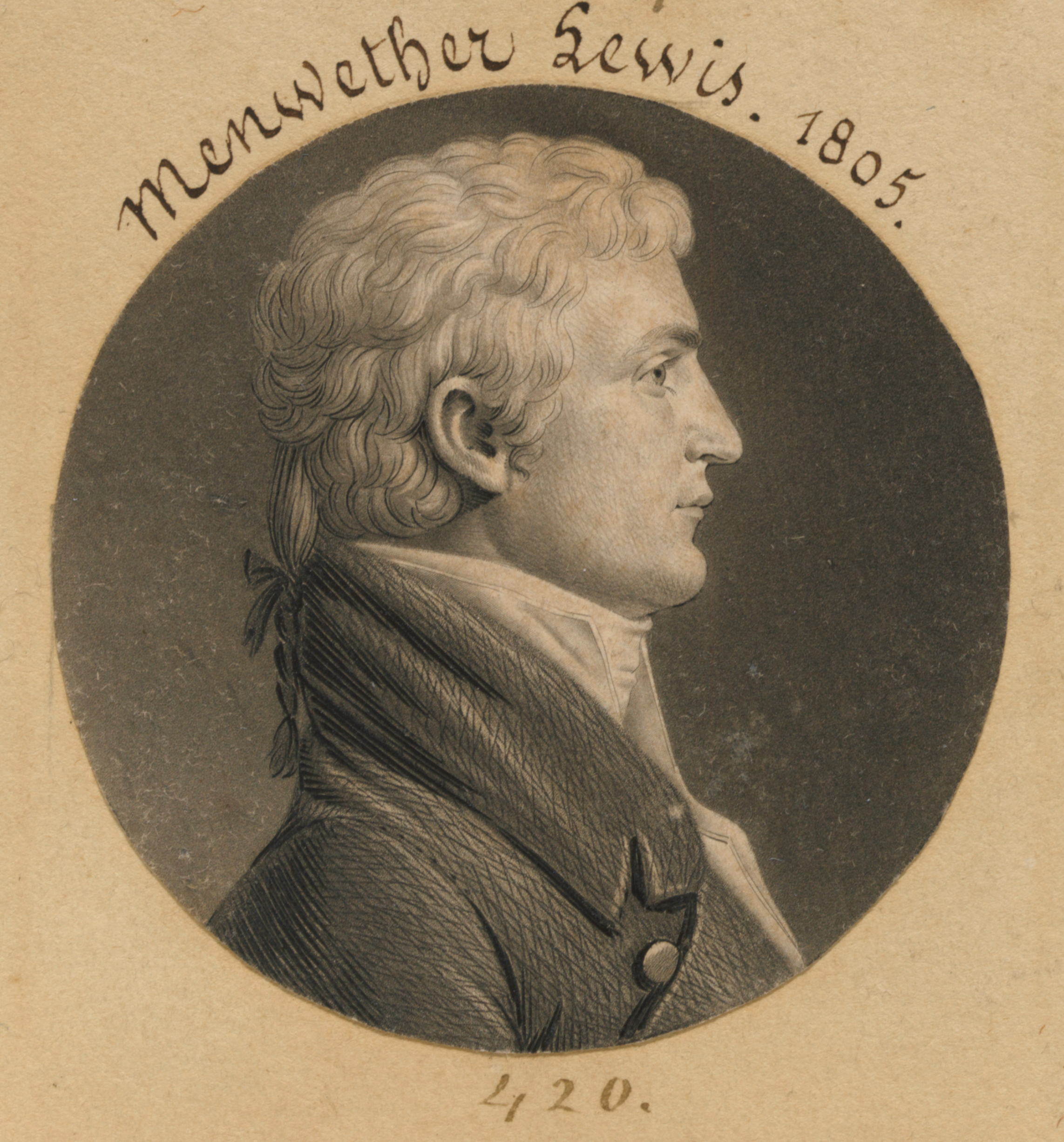
On October 11, 1809, Meriwether Lewis—co-leader of the Lewis and Clark Expedition and governor of the Upper Louisiana Territory—was found dead from gunshot wounds at Grinder’s Stand, a remote inn along the Natchez Trace near present-day Hohenwald, Tennessee. He was 35 years old.
Lewis had been traveling northeast toward Washington, D.C., reportedly to address financial and administrative disputes involving territorial vouchers that the War Department had declined to honor. His journey came at a time of mounting personal and professional pressure.
Many of Lewis’s contemporaries, including former President Thomas Jefferson and expedition co-commander William Clark, believed he died by suicide. Their conclusion reflected reports of Lewis’s erratic behavior during the trip, his struggles with depression and alcohol, and the account of innkeeper Priscilla Grinder, who said she heard gunshots during the night and later found Lewis mortally wounded.
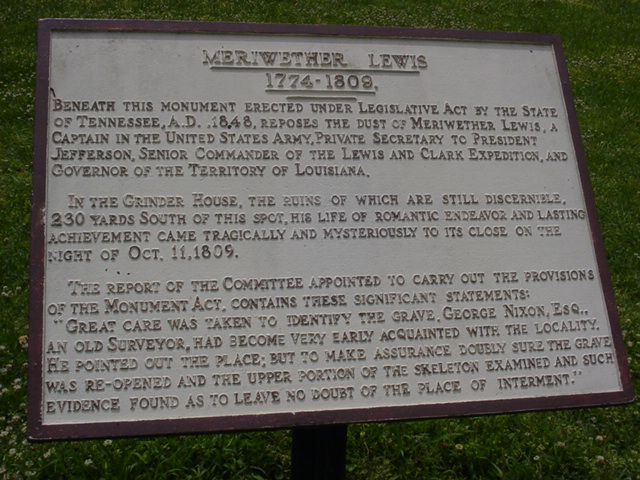
Yet the circumstances of his death have remained contested for more than two centuries. Advocates of the murder theory point to the Natchez Trace’s reputation for lawlessness, questions about missing money, and an 1848 report by the Lewis Monument Committee that suggested Lewis may have been assassinated. Because his remains have never undergone a definitive modern forensic examination, historians have been unable to resolve the question conclusively.
Today, most scholars regard suicide as the most likely explanation, but the lack of conclusive physical evidence has preserved the death of one of America’s greatest explorers as one of its most enduring historical mysteries.
