
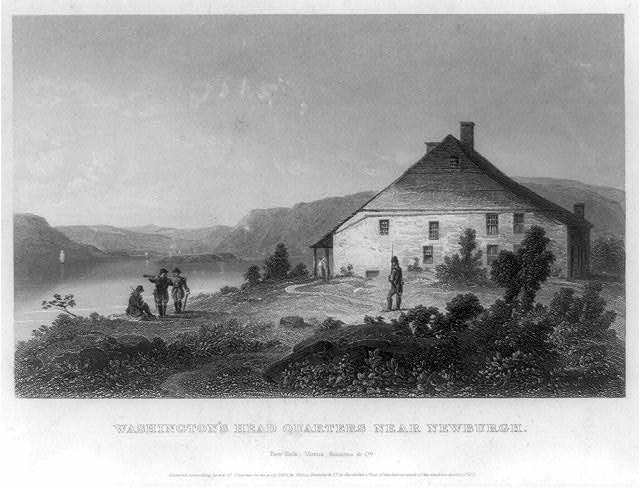
On June 6, 1783, as the Continental Army prepared to disband, General George Washington received a formal protest from his general officers at Newburgh, New York. Congress had ordered the troops furloughed before their individual pay accounts were settled, leaving many soldiers fearful they would return home without the compensation they had earned through years of service. The officers insisted that such a dismissal, without proper settlement, struck at both their honor and their economic survival.
Washington answered the same day with a steady, conciliatory message. He acknowledged the justice of their concerns, reminded them of the nation’s dire financial condition, and assured them that Congress intended to address their claims as soon as possible. His calm, empathetic handling of the dispute helped maintain discipline during the army’s final weeks and ensured that the Revolution ended not with military unrest, but with an orderly return to civilian life — a principle Washington had defended throughout the war.
