

Benjamin Franklin’s reputation as a “ladies’ man” is one of the most persistent myths in American history. It is entertaining, colorful, and endlessly repeated. But when you strip away the political attacks, the Victorian exaggerations, and the misunderstandings of French salon culture, the truth looks very different. The real Franklin was charming and socially gifted, but not the skirt-chasing figure popular culture imagines.
The Origins of the Rumor: A Political Smear Campaign
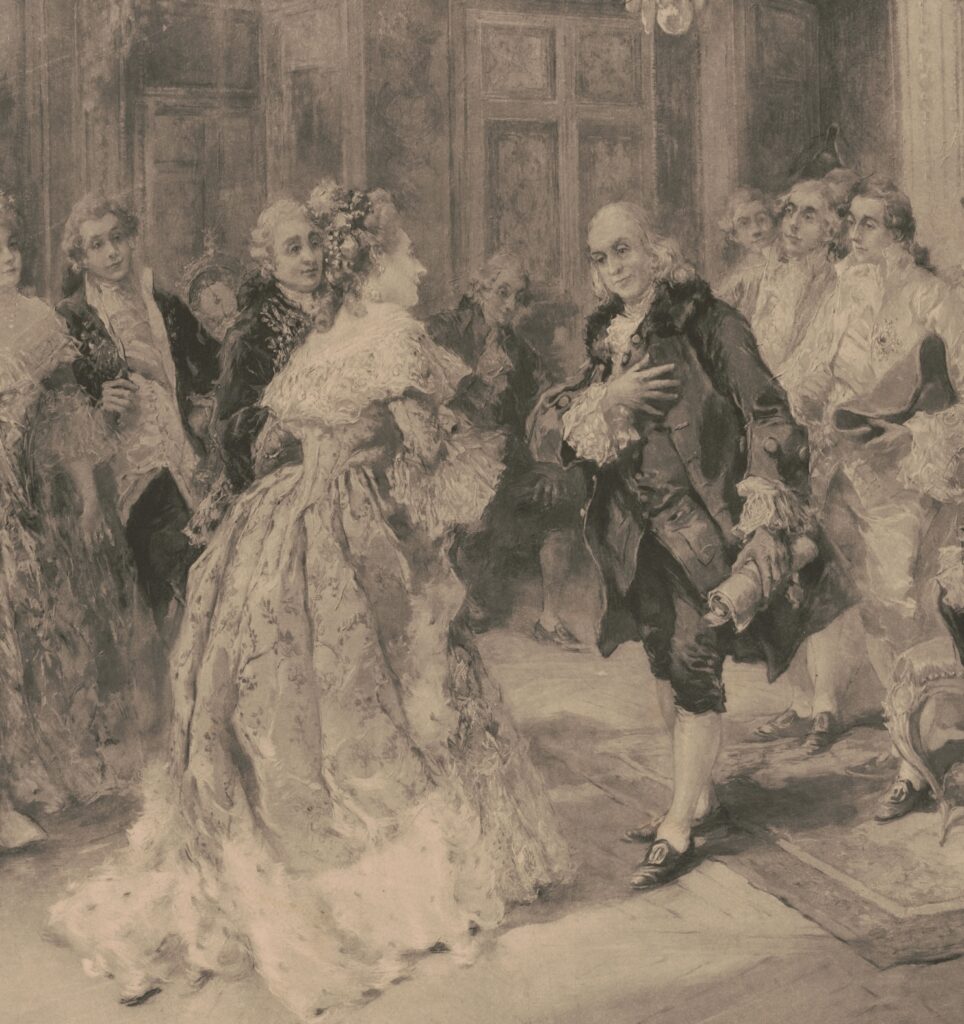
The idea that Franklin was a womanizer didn’t begin in Paris. It began in Pennsylvania politics. In 1764, during Franklin’s bitter fight with the anti-proprietary faction, his opponents circulated scandalous accusations about his private life. These were not eyewitness accounts or documented scandals. They were campaign smears designed to make him look morally unfit for public office. The rumors spread, traveled with him to London, and eventually followed him to France. Over time, they hardened into legend.
Franklin’s Real Relationships: Loyalty, Not Libertinism
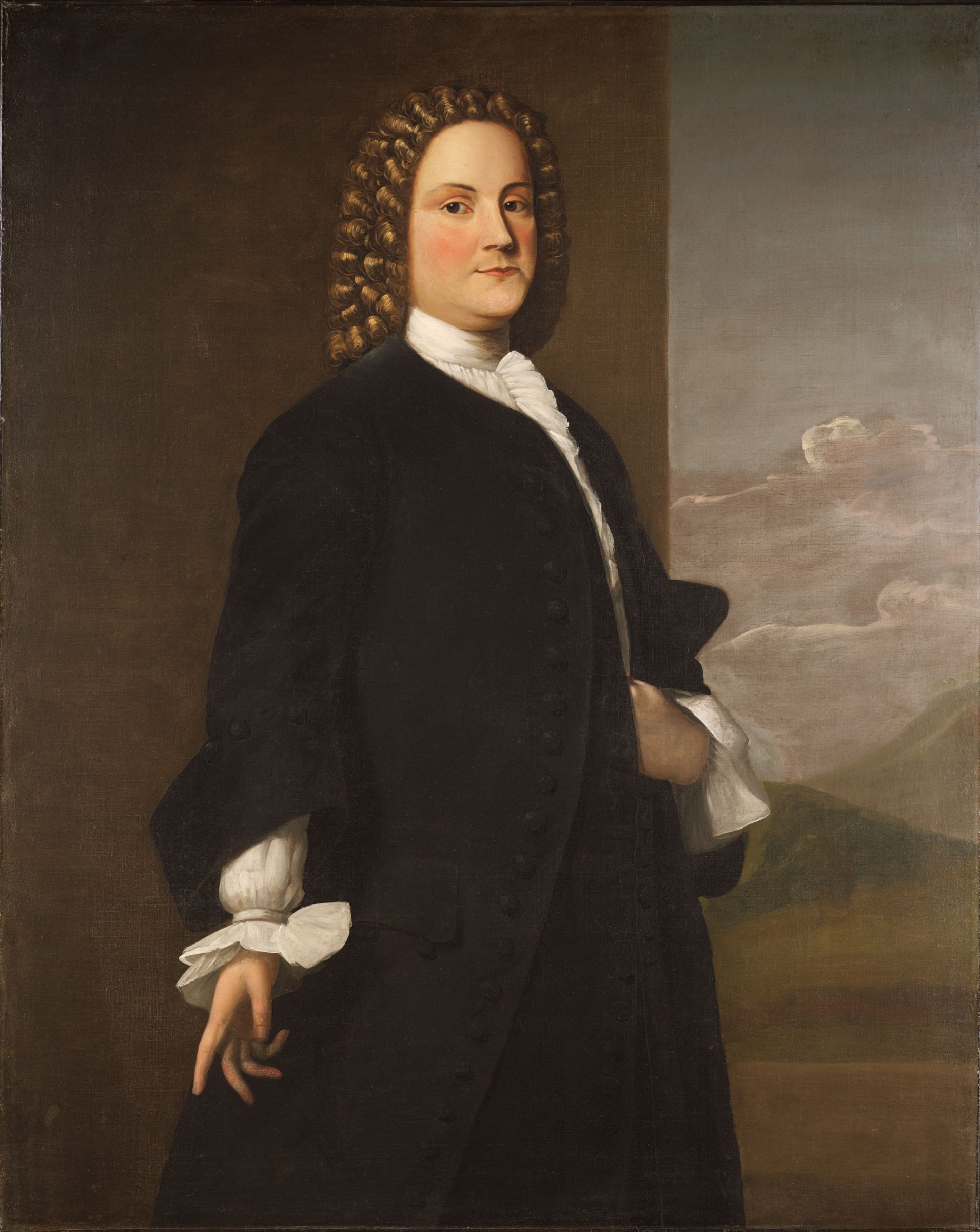
Two women shaped Franklin’s emotional world more than any others: Deborah Read Franklin, his partner for 44 years, and Jane Franklin Mecom, his beloved sister and lifelong confidante. Modern scholars, including Carla J. Mulford and Nancy Rubin Stuart, emphasize that there is no evidence Franklin lived a life of serial seduction. While his young adulthood included the birth of an illegitimate son — William Franklin, whom Deborah raised as her own — his long-term personal life was far more grounded than the myth suggests. His letters to Deborah and Jane reveal a man who valued stability, family, and intellectual companionship.
The Paris Problem: Flirtation Does Not Equal Affairs
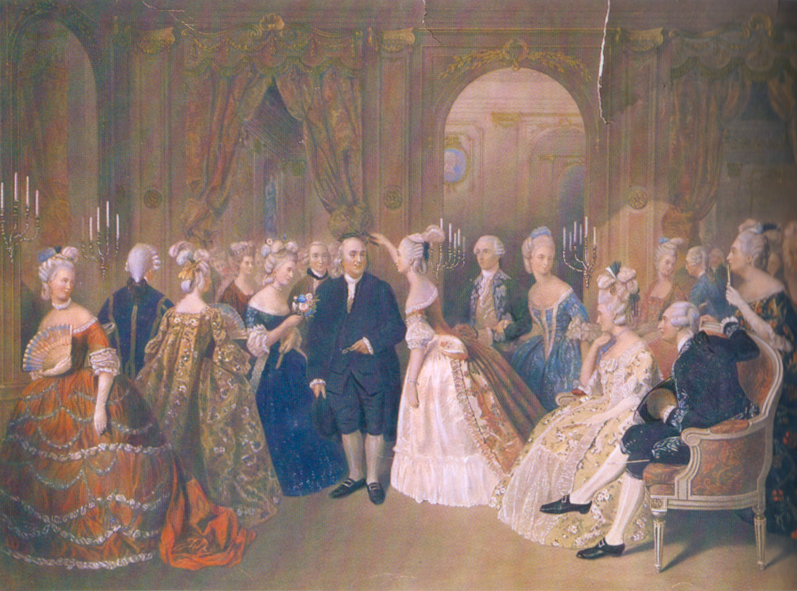
Franklin’s time in France is where the legend truly took off. Parisian salon culture encouraged playful, witty flirtation. It was a social art form, not a sexual invitation. Franklin excelled at this style of conversation, and French society adored him for it. He exchanged warm, teasing letters with women such as Madame Brillon, Madame Helvetius, Margaret Stevenson, and Catherine Ray. But historians find no evidence that these relationships were physical. They were emotional, intellectual, and often theatrical — part of the Enlightenment’s social dance.
Why the Myth Stuck
Three forces cemented Franklin’s “ladies’ man” image. First, Victorian biographers loved moral drama and exaggerated Franklin’s flirtations to make their narratives more exciting. Second, French artists romanticized him, often depicting him surrounded by admiring women. These images were symbolic, not biographical. Third, modern pop culture prefers caricature over nuance. The witty old flirt is easier to portray than the complex Enlightenment thinker.
So Who Was the Real Franklin?
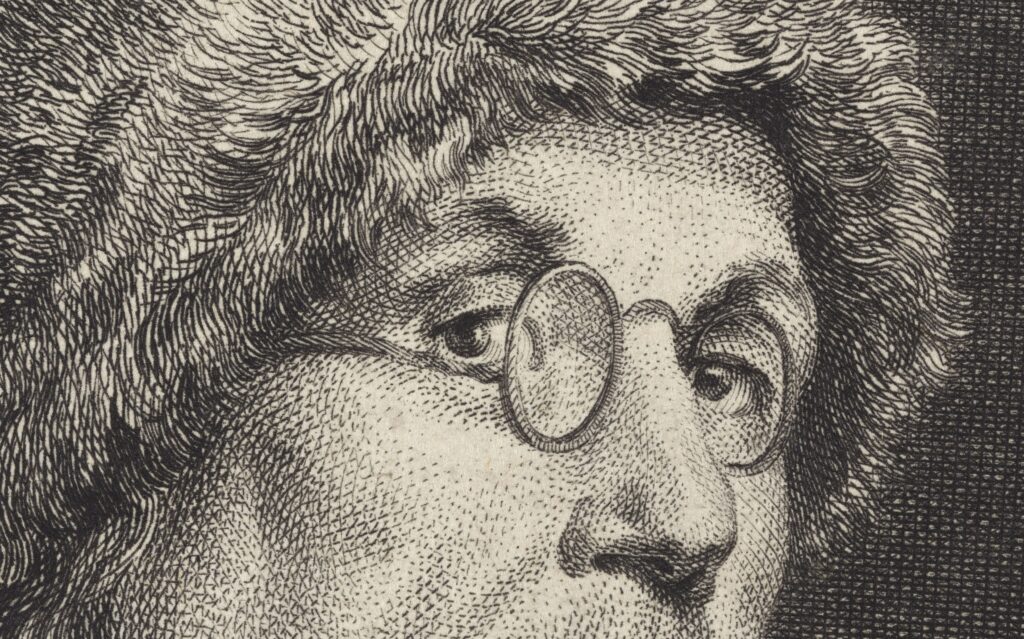
He was a man who enjoyed the company of intelligent women, wrote playful letters that read flirtatious to modern eyes, valued women’s education, and understood the power of charm in diplomacy. He was also a man targeted by political smears and later mythologized into a romantic caricature. But he was not a documented womanizer. The historical record shows a man who was charming, socially adept, and deeply respectful of women — not a libertine.
Franklin’s “ladies’ man” reputation survives because it is entertaining. But the truth is far more interesting. He was a man who moved comfortably in the intellectual circles of women, valued their minds, and understood the social customs of his age. The myth is fun. The history is better.



Leave a Reply