

Before disposable tissues filled medicine cabinets and glove compartments, the cloth handkerchief handled the work: runny noses, sneezes, tears, and the occasional awkward social moment. Tucked into a purse or pocket, it could be practical or decorative, plain or embroidered. And sometimes, that little square of fabric carried a political message.
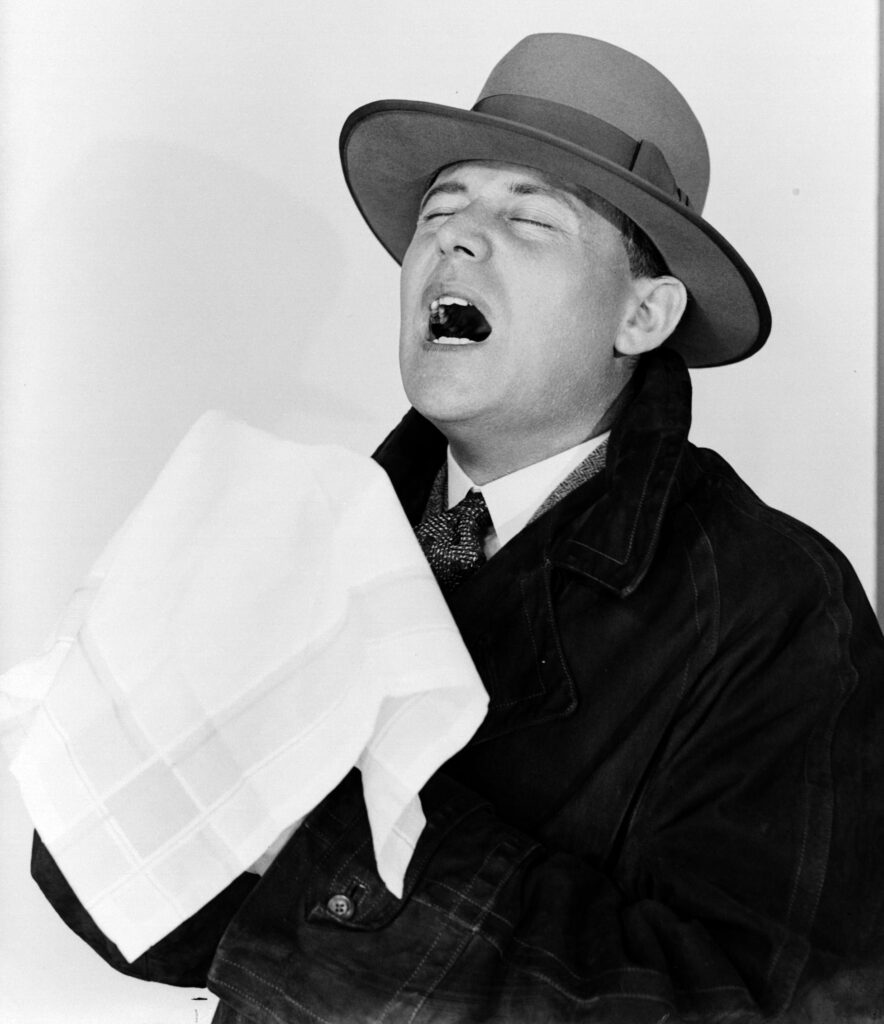
The English word “handkerchief” appears in records by 1530, combining “hand” with “kerchief,” a word whose French roots refer to a head covering. The name described a cloth adapted to a different purpose, but its uses extended well beyond wiping a nose. Handkerchiefs became accessories of dress and courtship, with gestures and purported secret signals adding another layer to their social life.
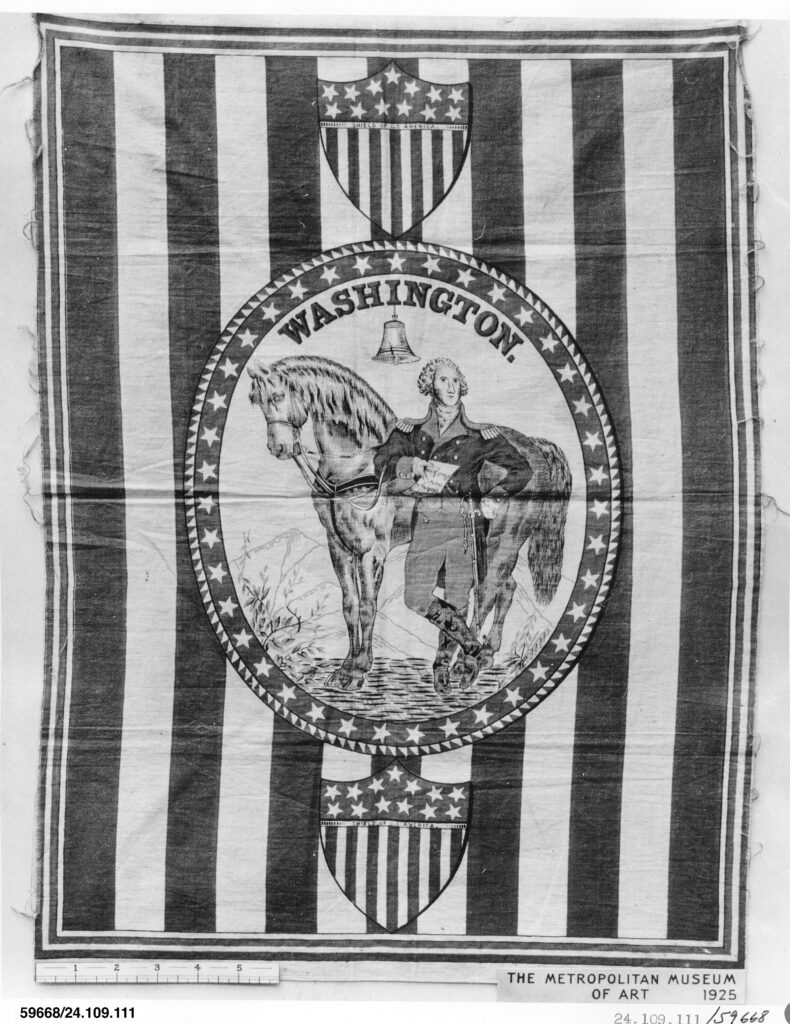
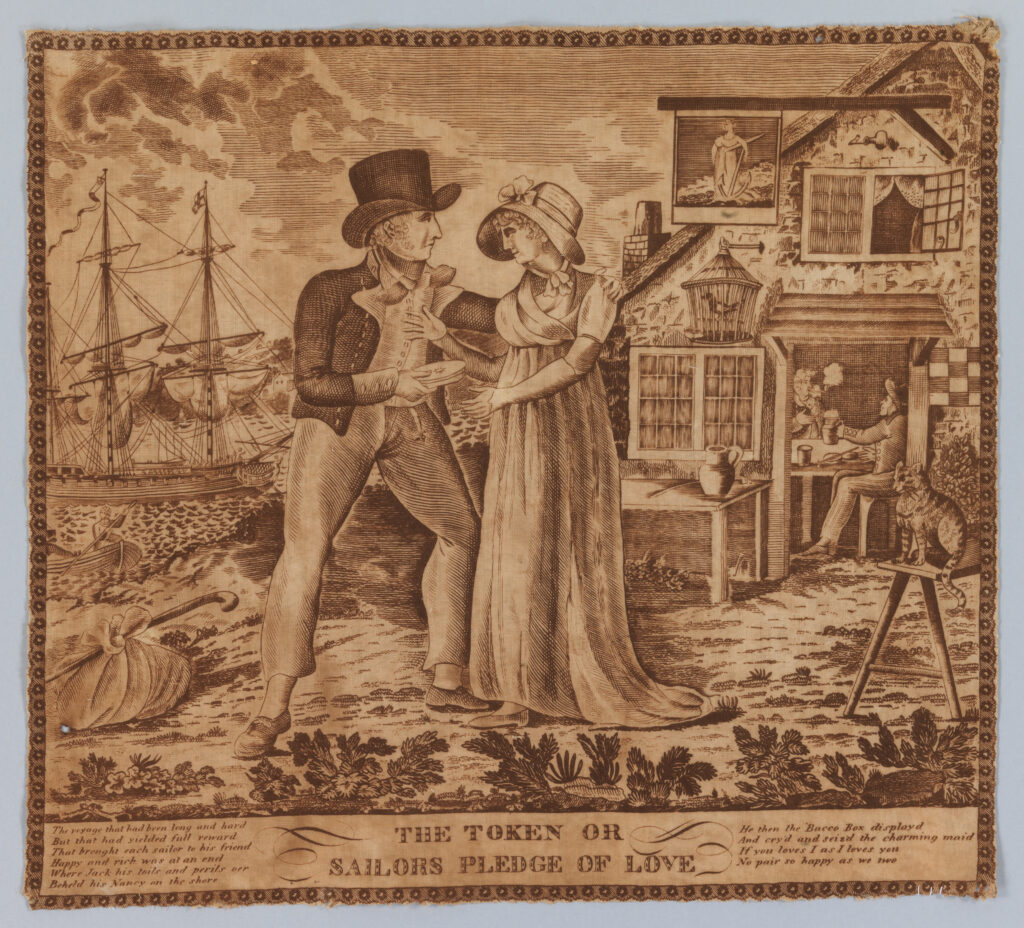
They also became vehicles for political persuasion. As cotton production and textile printing made illustrated cloth more accessible in the eighteenth century, handkerchiefs offered a portable surface for public messages. Surviving examples include designs opposing the Stamp Act and celebrating George Washington and other figures associated with the American Revolution. An everyday possession could also announce where its owner’s sympathies lay.
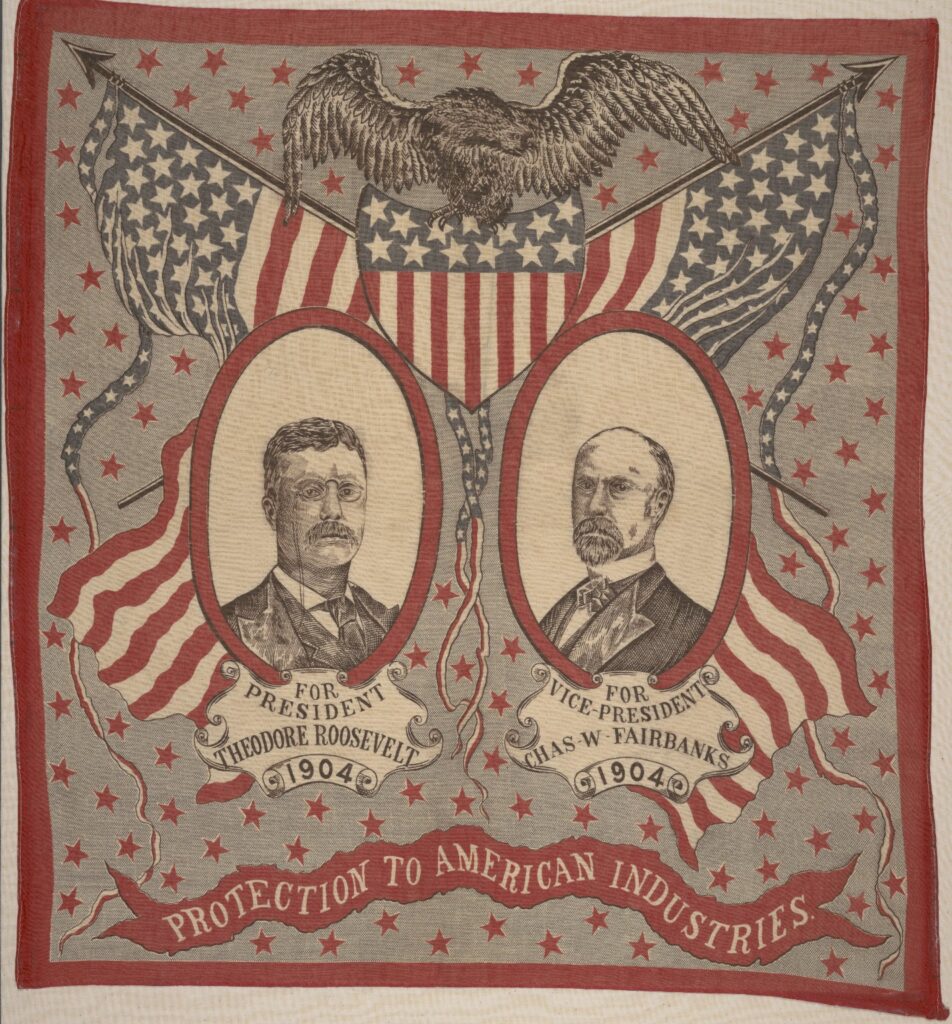
During nineteenth-century American election campaigns, handkerchiefs and bandannas displayed candidates’ names, portraits, and slogans. Supporters wore them around their necks, waved them at gatherings, and attached them to walking sticks and poles. They also decorated porches, platforms, and storefronts. Long before campaign messages filled television screens, they could be printed on cotton and carried through the streets.
Then came the disposable challenger—but not initially as a replacement for nose-blowing cloths. When Kleenex appeared in 1924, it was promoted as a convenient way to remove cold cream. Consumers helped give it another purpose. By 1927, the company was suggesting its use as an “absorbent kerchief,” and in the 1930s it embraced the pitch that directly challenged the reusable original: “The handkerchiefs you can throw away.”
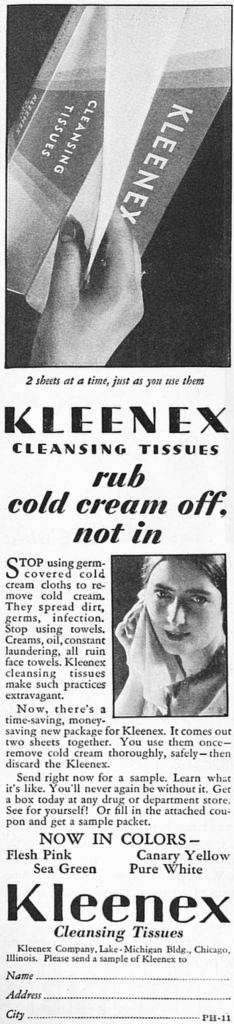
That was the commercial turning point, not the date when everyone suddenly abandoned cloth. The change unfolded over decades as disposable tissues became increasingly convenient and familiar. Handkerchiefs still appeared in public-health messaging in the 1960s, while Kleenex introduced its Purse Pack in 1965, bringing paper tissues directly into one of the cloth handkerchief’s traditional homes.
Across the twentieth century, disposable tissues displaced much of the handkerchief’s everyday nose-blowing role. Convenience helped drive the change, reinforced by advertising that portrayed carrying a used cloth as unhygienic. The sources establish that long retreat more clearly than they establish a single decade of sharpest decline; the tissue’s introduction, its growing popularity, and the handkerchief’s loss of everyday status were related developments, not one simultaneous event.
The appeal was straightforward. A cloth handkerchief had to be kept, washed, and used again. A tissue could be used and discarded. What had once been a routine possession increasingly became a matter of habit or preference rather than an unquestioned necessity.
Yet the handkerchief’s history is larger than the contest over convenience. This was a square of fabric that could catch a sneeze, invite a flirtation, celebrate a revolutionary, or advertise a presidential candidate. The disposable tissue challenged its practical role, but the cloth original had already spent centuries doing considerably more than wiping noses.





Leave a Reply