
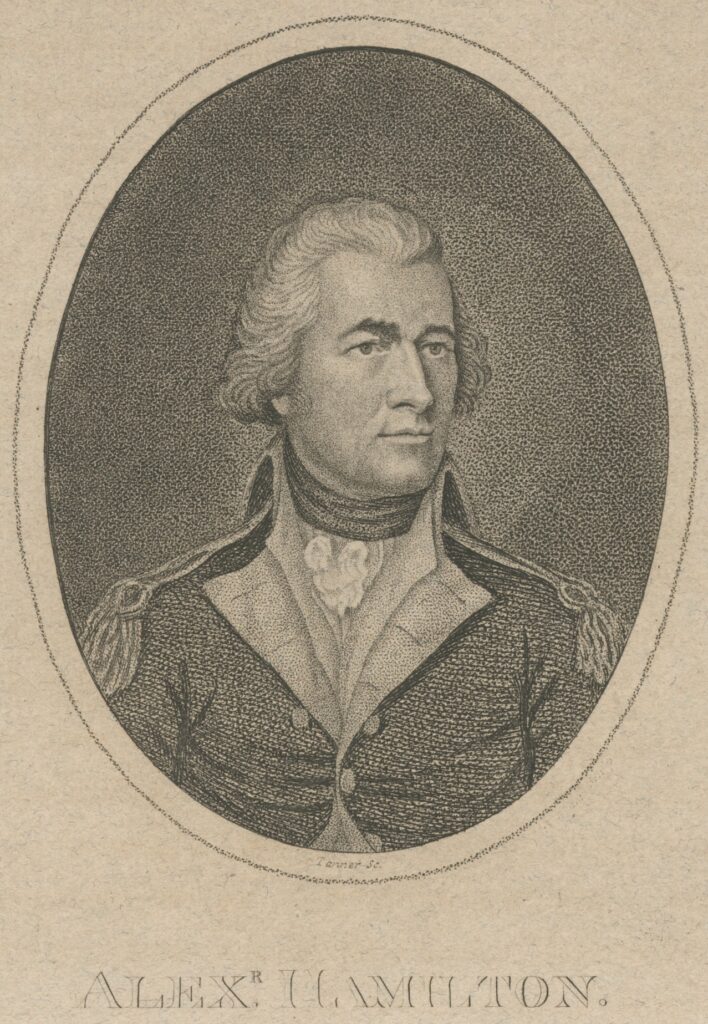
Before he became the architect of America’s financial system, Alexander Hamilton was a teenager from the Caribbean—brilliant, ambitious, and hungry for purpose. When he arrived in New York in 1772, he expected to build a life through scholarship. Instead, he found a city on the brink of war. By 1775, as tensions with Britain erupted into open conflict, Hamilton made a choice that would define the rest of his life. He would not simply write about liberty. He would fight for it.
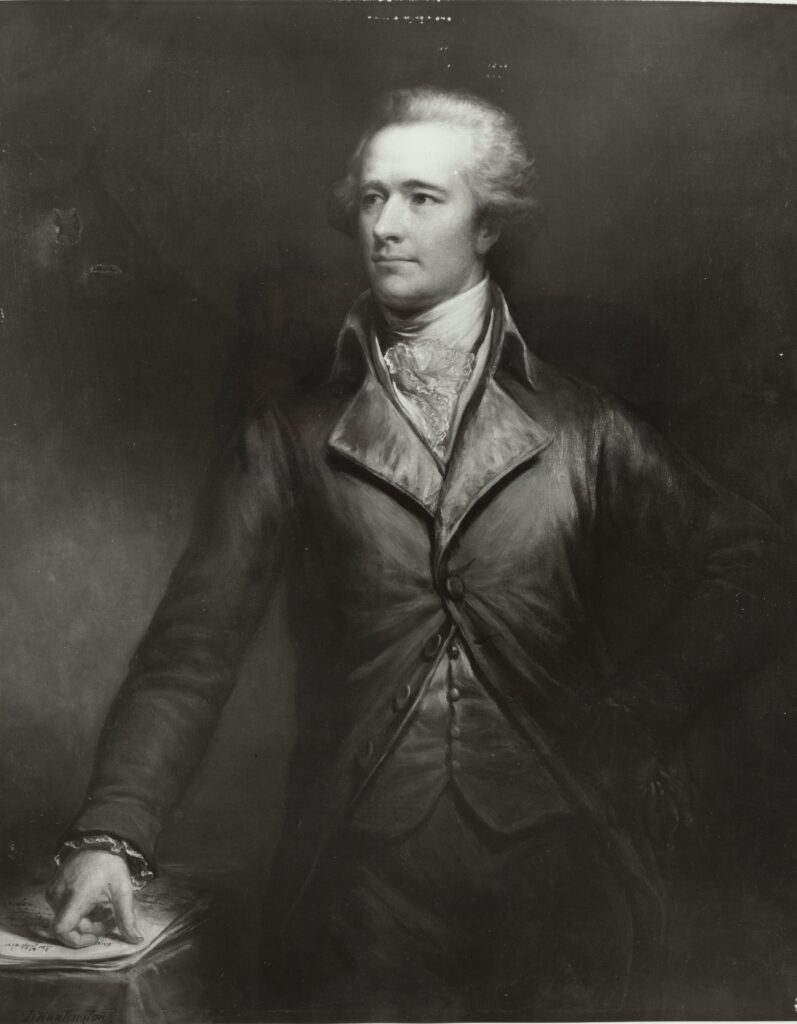
HOW HAMILTON JOINED THE WAR
Hamilton’s military story begins with a student militia called the Hearts of Oak. Drawn largely from King’s College, the unit drilled on the college green, marched through Manhattan, and hauled artillery under fire during British bombardments. It was dangerous work for untested young men, but Hamilton showed a steadiness that officers noticed immediately. He wasn’t just brave—he was disciplined.
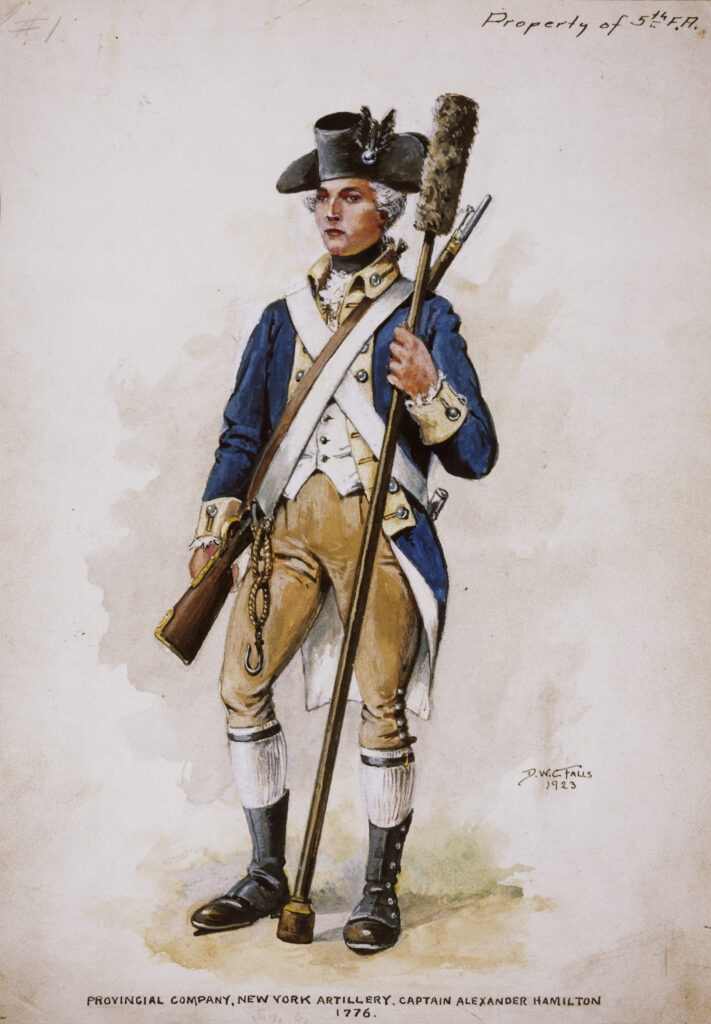
In early 1776, New York’s Provincial Congress authorized Hamilton to raise and command an artillery company. He recruited the men himself, trained them himself, and drilled them until they moved like a professional European battery. His secret weapon was his mind—he had studied gunnery, mathematics, and fortification theory long before he ever touched a cannon. The result was one of the most respected artillery units in the Continental Army. Today, the U.S. Army still honors it as the 1st Battalion, 5th Field Artillery—“Hamilton’s Own.”
WHERE HAMILTON FOUGHT
Hamilton’s artillery company fought in some of the most pivotal early battles of the Revolution: Harlem Heights in 1776, where his guns provided covering fire during Washington’s first tactical victory; White Plains in 1776, where his battery helped slow the British advance; Trenton in 1776, where his artillery anchored the American line during Washington’s surprise attack; Princeton in 1777, where he pushed his guns dangerously close to the British line, helping turn the tide; Brandywine and Germantown in 1777, where he served on Washington’s staff but still rode into danger carrying orders; Monmouth in 1778, where he coordinated troop movements in brutal heat and chaos; and Yorktown in 1781, where he led one of the decisive assaults of the war.
WASHINGTON’S RIGHT HAND
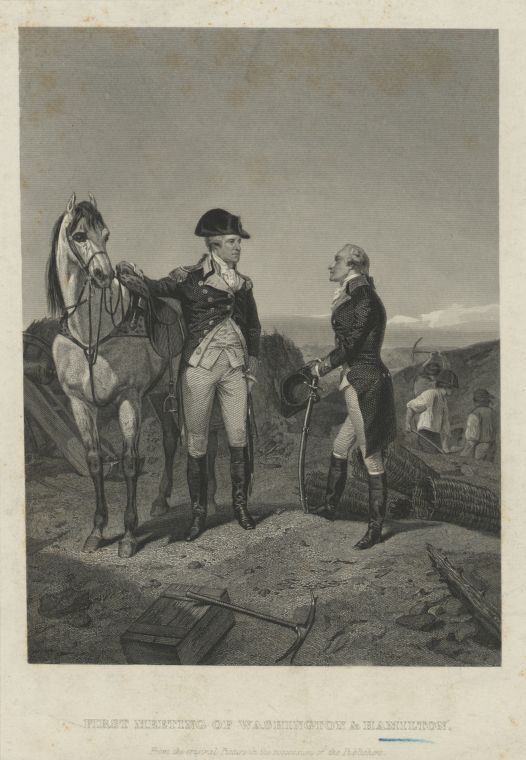
In 1777, Hamilton was appointed aide-de-camp to General George Washington, effectively becoming the general’s chief of staff. He drafted orders, coordinated intelligence, managed logistics, and shaped strategy. His pen became as vital as any musket. But Hamilton longed for combat. He wanted to prove himself not only as a thinker, but as a soldier. Washington eventually granted that wish.
THE ASSAULT ON REDOUBT 10
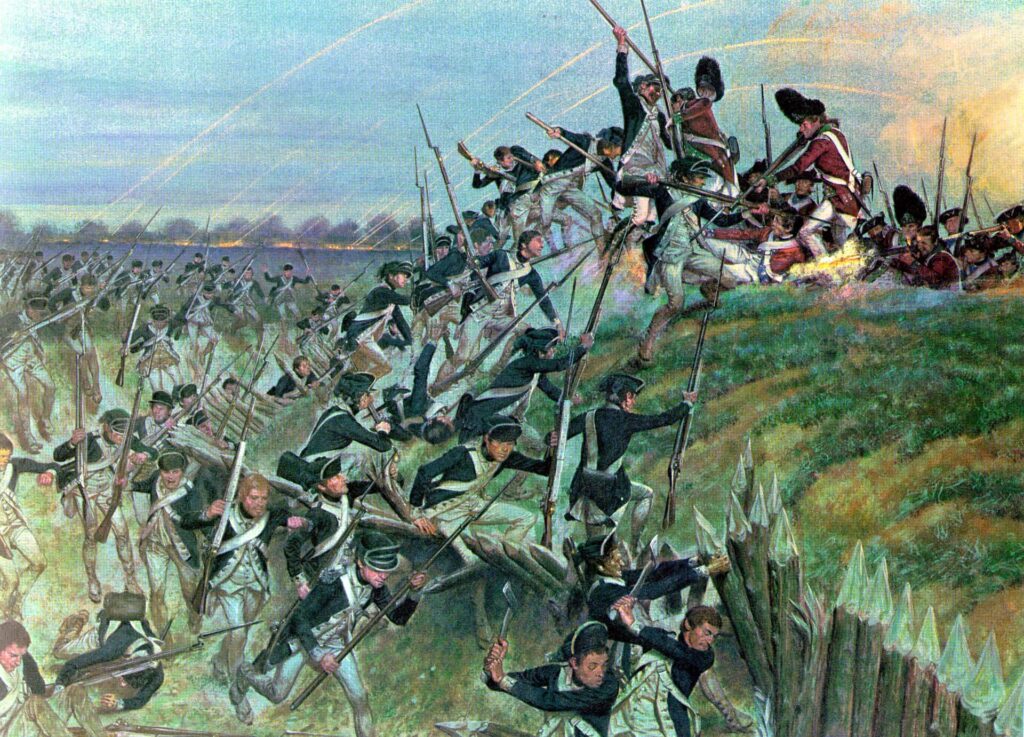
On October 14, 1781, Hamilton led a nighttime bayonet assault on Redoubt 10 at Yorktown. The attack was carried out in silence, without loaded muskets, and under heavy British fire. Hamilton led from the front, reaching the parapet alongside the first wave of attackers in a furious, simultaneous scramble through the abatis and over the wall. Contemporary accounts describe multiple officers and enlisted men climbing the defenses at nearly the same moment, including Lieutenant Colonel Jean-Joseph Sourbader de Gimat, Captain Stephen Olney, and several free Black soldiers of the 1st Rhode Island Regiment. While no single man can be identified as the literal first over the parapet, Hamilton’s leadership and personal bravery at the head of the assault were unmistakable. Within minutes, the redoubt fell. Within days, Cornwallis surrendered. Within months, the war was effectively over.
WHAT HAMILTON RECEIVED AFTER THE WAR
Hamilton emerged from the Revolution with a national reputation. His courage, intellect, and loyalty to Washington made him one of the most respected young officers in the new nation. After the war, he served in the Confederation Congress, helping shape early national policy and pushing for a stronger federal government. When Washington became the first President, he chose Hamilton as the first Secretary of the Treasury, entrusting him with building the nation’s financial foundation. The artillery company he formed in 1776 still serves today. His battlefield daring at Yorktown remains one of the Revolution’s defining moments. And his rise—from orphaned immigrant to indispensable soldier—became one of America’s most enduring stories.
A SOLDIER BEFORE HE WAS A STATESMAN
Alexander Hamilton’s Revolutionary War service is often overshadowed by his political achievements. But the truth is simple: before he built the nation, he fought for it. He earned his place in history not only with ideas, but with courage under fire.
Recommended products
-
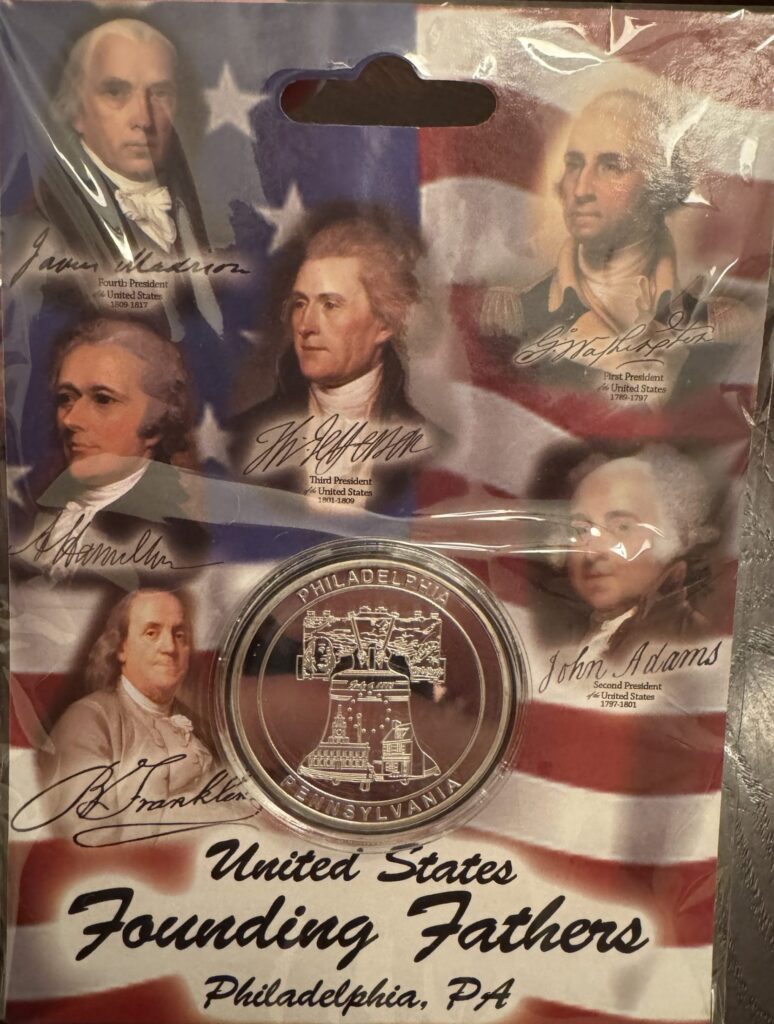
United States Founding Fathers Commemorative Coin
$4.99 -
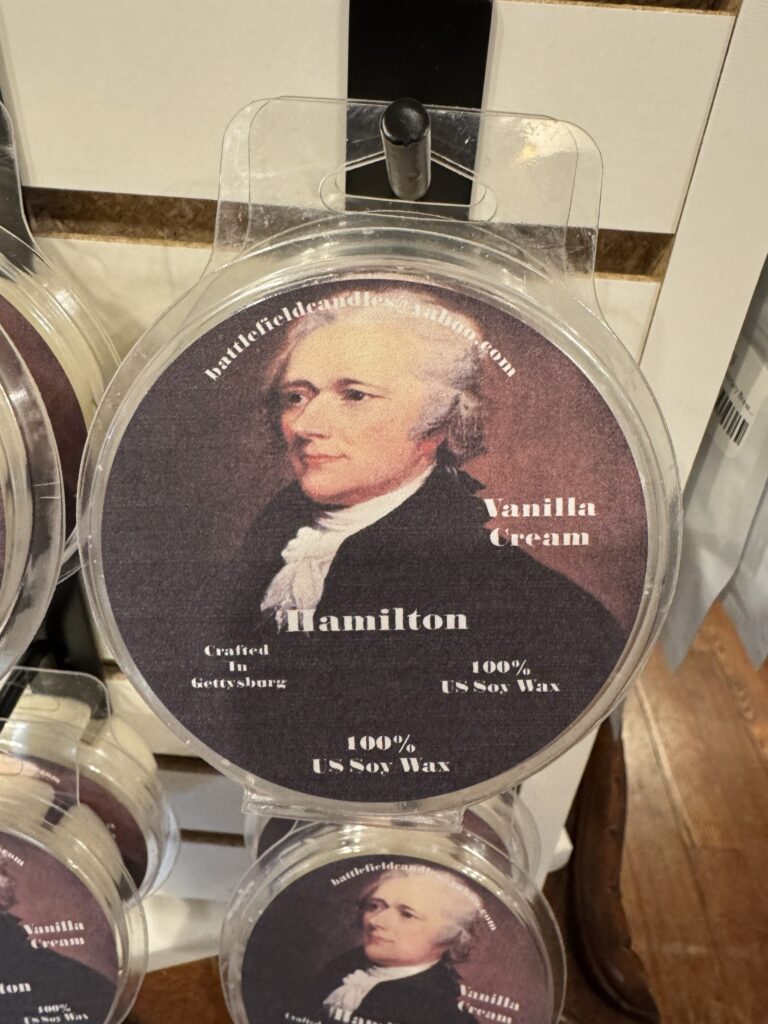
Alexander Hamilton Wax Melt
Original price was: $5.00.$3.00Current price is: $3.00. -
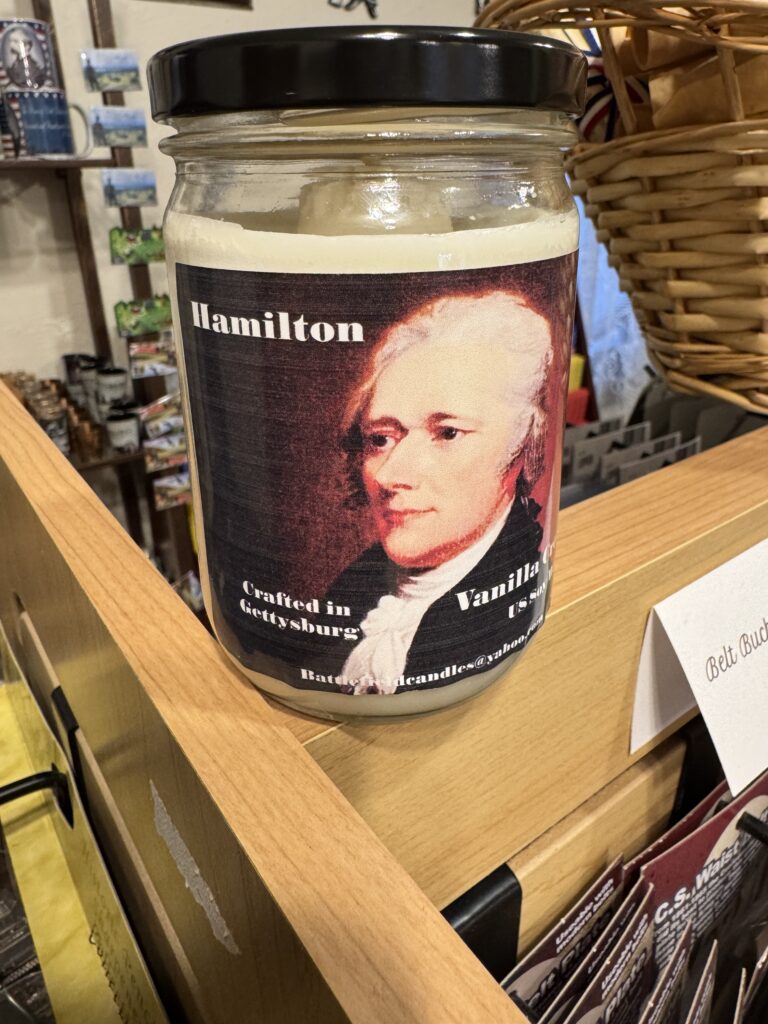
Alexander Hamilton Candle
$19.99 -
Quotations of Alexander Hamilton
$12.95 -
The Founding Fathers Quotes, Quips and Speeches
$12.99 -
Alexander Hamilton Bobblehead
$32.95 -
A Short Biography of Alexander Hamilton
$8.50 -
Constitution of The United States – parchment replica
$3.50



Leave a Reply