
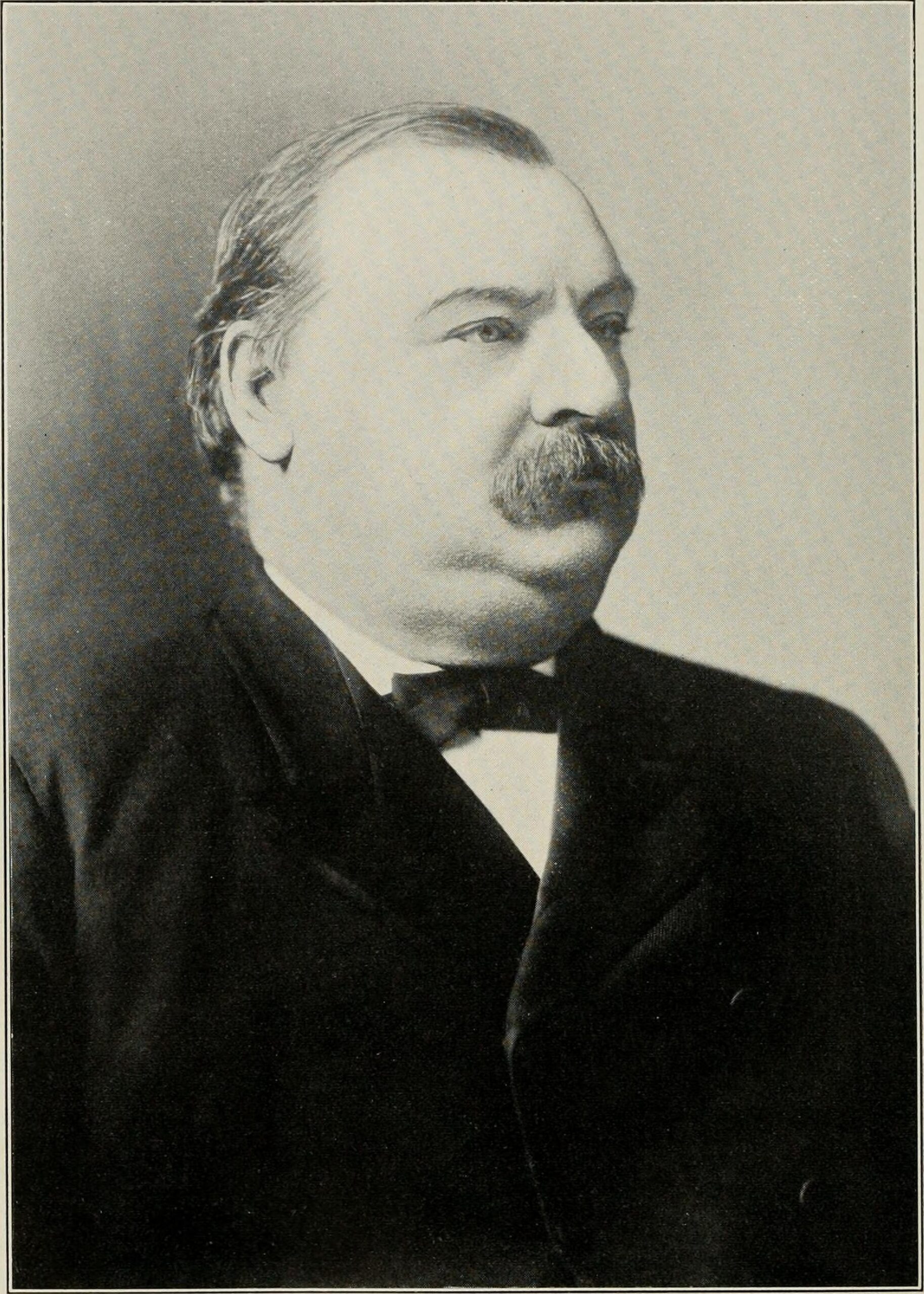
On October 30, 1893, the United States Senate approved legislation ending the mandatory silver purchases required by the Sherman Silver Purchase Act of 1890. The repeal became law on November 1. President Grover Cleveland had called a special session of Congress to address the Panic of 1893, arguing that the purchasing program undermined confidence in American currency and contributed to the depletion of federal gold reserves. The act required the Treasury to buy 4.5 million ounces of silver each month, paying with Treasury notes redeemable in gold or silver.
The repeal battle exposed deep divisions over monetary policy. Many farmers and silver interests in the South and West supported an expanded money supply as a means of raising prices and easing debt burdens. Cleveland and other advocates of monetary stability instead sought to preserve confidence in gold redemption. Ending mandatory silver purchases did not remove existing Treasury notes from circulation, nor did it immediately resolve the economic depression.
The controversy intensified the already established Free Silver movement and deepened divisions within the Democratic Party. Those conflicts helped shape the presidential election of 1896, when William Jennings Bryan’s “Cross of Gold” speech championed free silver and helped win him the Democratic nomination. The repeal struggle was therefore an important episode in the broader contest over money, debt, and economic power—not the beginning of that contest or its final resolution.
