
On October 2, 1909, pioneering comic strip artist and illustrator Alexander Gillespie Raymond was born in New Rochelle, New York. Blessed with an elegant, highly detailed draftsmanship style that elevated newspaper syndication into a respected illustrative art form, Raymond became one of the most influential visual storytellers of the mid-twentieth century.
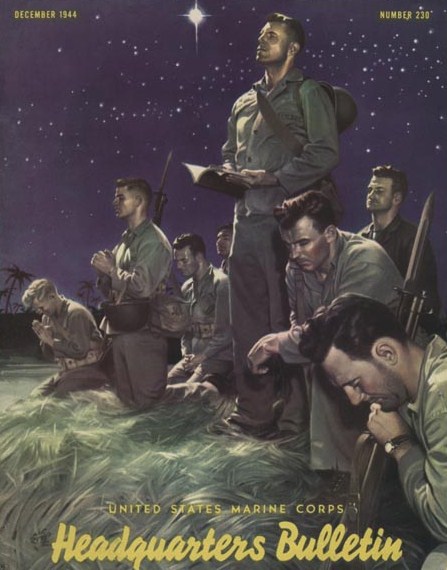
Raymond achieved immediate global fame in January 1934 when he created the science fiction adventure strip Flash Gordon for King Features Syndicate to compete directly against Buck Rogers. His lush, cinematic style, dynamic muscular anatomy, and innovative use of shadow revolutionized the industry, deeply inspiring future generations of comic creators and science fiction filmmakers. During World War II, Raymond put his commercial career on hold to enlist in the United States Marine Corps, serving as a captain and combat artist in the Pacific theater, where he generated powerful, realistic recruiting posters and field illustrations—such as the widely distributed “Marines at Prayer”—to visually document the spiritual resolve of American troops.
Raymond tragically died in a high-speed sports car crash in 1956, but his artistic legacy remained monumental. His birth on this day marked the arrival of a master craftsman whose stylized linework and heroic compositions helped define the visual aesthetic of the Golden Age of comics and American wartime illustration.
Image credit: “Marines at Prayer,” WWII poster illustrated by Alex Raymond, via Wikimedia Commons, public domain
