
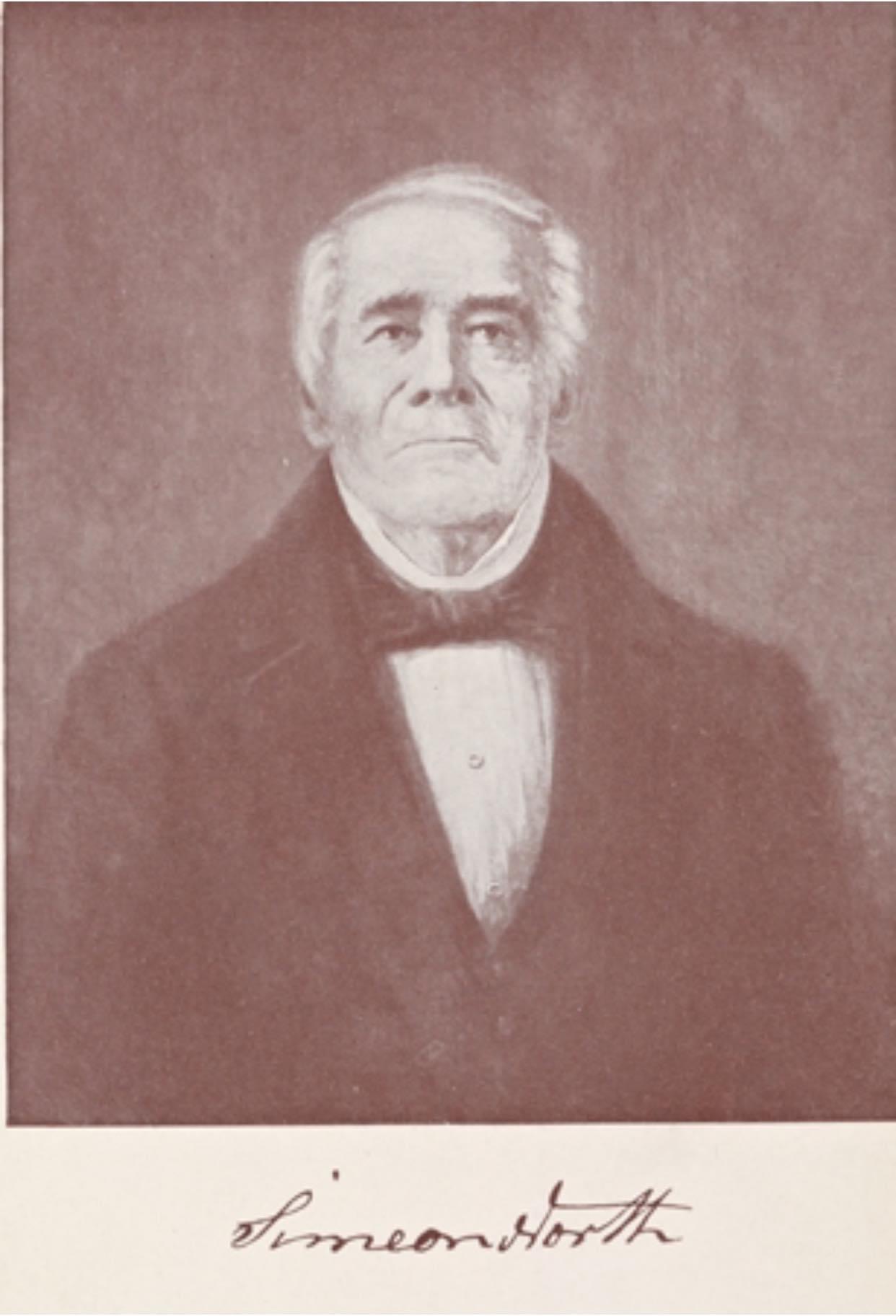
On June 30, 1808, the federal government took a decisive step to strengthen America’s vulnerable naval forces when Connecticut inventor and gunsmith Simeon North secured a contract to manufacture 2,000 naval boarding pistols. Working from his innovative Berlin, Connecticut workshop, North had already earned a reputation as one of the nation’s most exacting arms makers—an artisan obsessed with mechanical consistency at a time when most weapons were still hand‑fitted one by one.
This major federal order arrived during a moment of escalating maritime tension. The young United States faced British impressment, predatory privateers, and the constant threat of being outgunned at sea. Equipping sailors with reliable personal weapons was no small matter; it was a strategic necessity.
The deeper significance of North’s 1808 contract lies in its role in advancing interchangeable parts, a breakthrough that would redefine American manufacturing. To meet the Navy’s demand efficiently, North engineered specialized machinery capable of producing standardized locks, stocks, and internal components. A broken part from one pistol could be swapped with another aboard ship—an unheard‑of convenience in an era of bespoke craftsmanship.
North’s work helped shift American production toward the emerging industrial assembly system, laying essential groundwork for what would become the American manufacturing revolution. The pistols delivered under this contract armed U.S. sailors with dependable weapons—and marked a turning point in the nation’s technological identity.
Image: Simeon North pistol print via New York Public Library Digital Collection, no known restrictions.
