
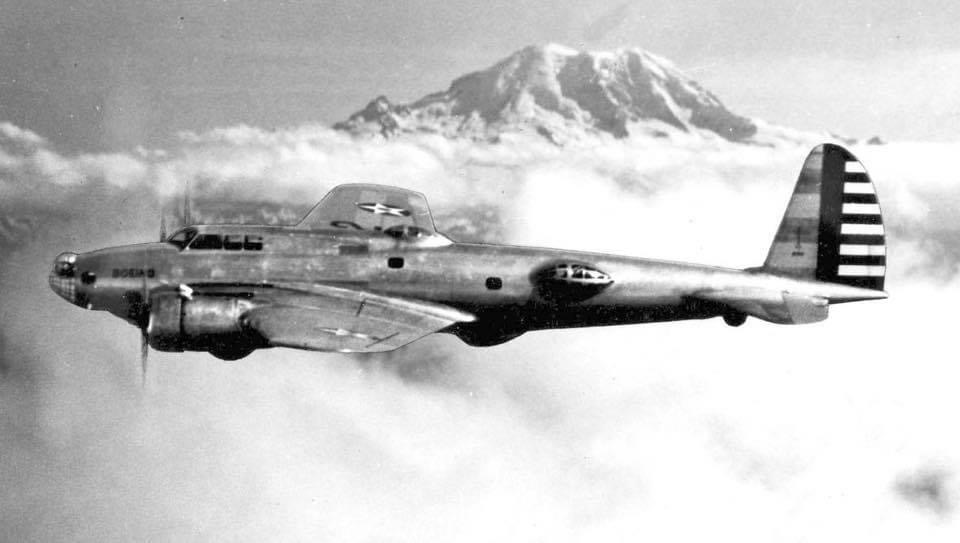
A radical new era of aviation history took to the skies on July 28, 1935, when the prototype for the Boeing B-17—known internally as the Model 299—made her spectacular first flight. Taking off from a runway in Seattle, Washington, the massive, sleek aircraft stunned onlookers with its sheer scale and sophisticated aerodynamic design. It was a machine built to answer a military desperate for a long-range, high-altitude defensive weapon that could police America’s vast coastlines.
The aircraft earned its legendary nickname, the “Flying Fortress,” before it ever saw combat. A Seattle reporter, awestruck by the sheer number of machine gun mounts bristling from its fuselage, used the phrase in a headline, and Boeing quickly adopted the moniker. Powered by four roaring Pratt & Whitney engines, the silver behemoth flew faster and farther than any bomber before it, representing a massive technological leap that caught rival international militaries completely off guard.
Though the prototype tragically crashed during later testing due to pilot error, its initial flight proved the viability of heavy strategic bombing. The design was quickly vindicated, and the B-17 went on to become the industrial backbone of the Allied air war over occupied Europe. That July afternoon in Seattle marked the moment military strategy shifted from the muddy trenches of the past to the high-altitude battlefields of the sky.
