
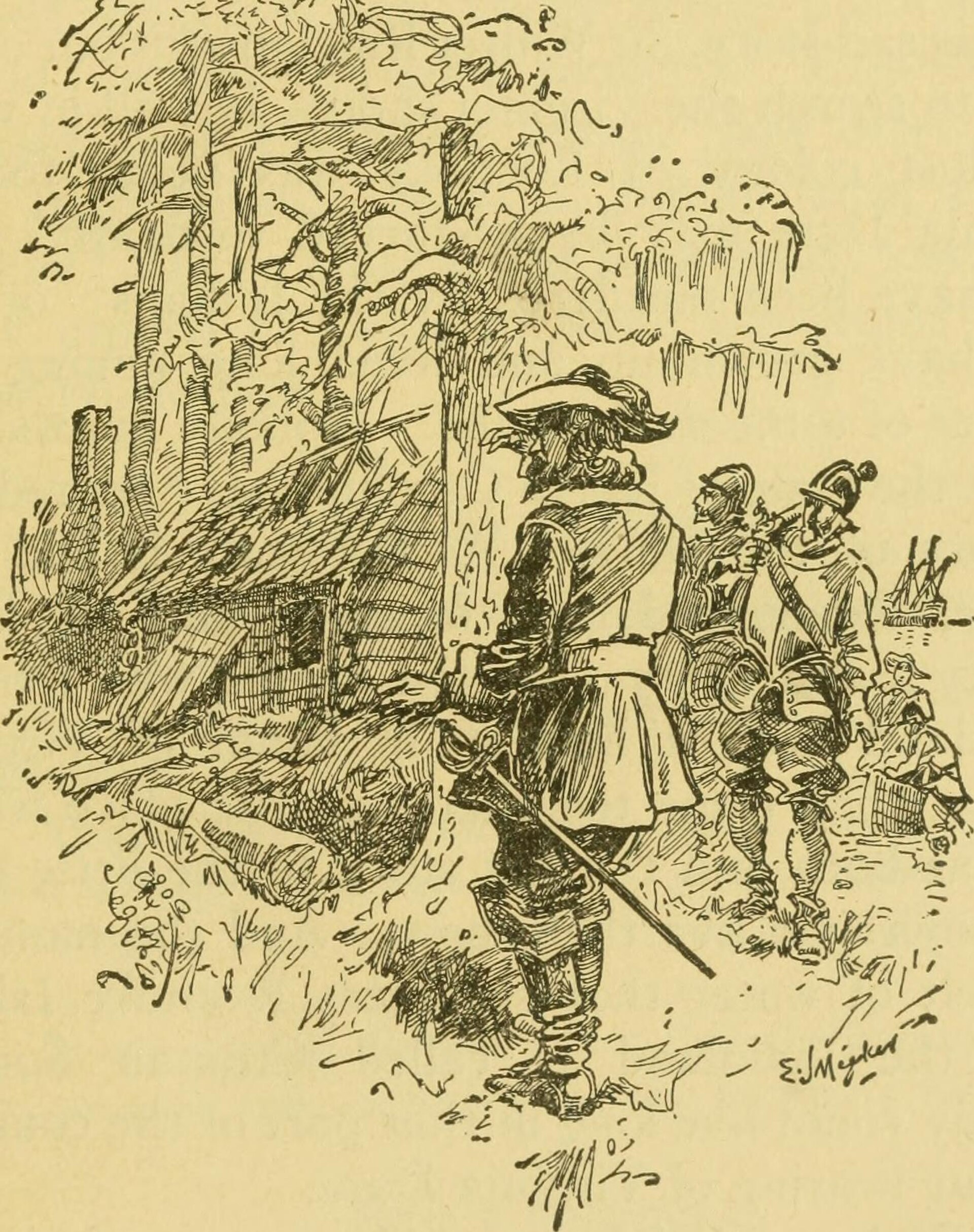
On August 16, 1590, Governor John White recorded the first agonizing steps of his return to the Carolina coast after three years away from the Roanoke settlers. His journal describes the moment when hope briefly rose and then collapsed under the weight of exhaustion and silence.
“The 16 and next morning our 2 boates went a shore, and Captaine Cooke, and Cap. Spicer, and their company with me, with intent to passe to the place at Roanoak where our countreymen were left.”
White ordered his master gunner to fire two minions and a falcon at timed intervals, hoping the thunderous reports would carry inland to any surviving colonists. When the men spotted a column of smoke rising beyond the sandhills, they believed it was a signal fire — a human sign from the missing colony. They immediately diverted their mission, hiking through blistering heat toward what they thought was a desperate beacon.
The smoke betrayed them. After a grueling march, White wrote that “we found no man nor signe that any had bene there lately, nor yet any fresh water in all this waye to drinke.” The abandoned fire pit offered no clues, no footprints, no tools, no voices — only the unsettling suggestion that someone had been there and moved on. Exhausted and discouraged, the men returned to their boats, dug for water in the sandy hills, and rowed back to the ships in silence. This entry marks the final calm before the revelation awaiting them the next morning: the carvings, the dismantled fort, and the vanished houses that would plunge White into one of the most enduring mysteries in American history.
