
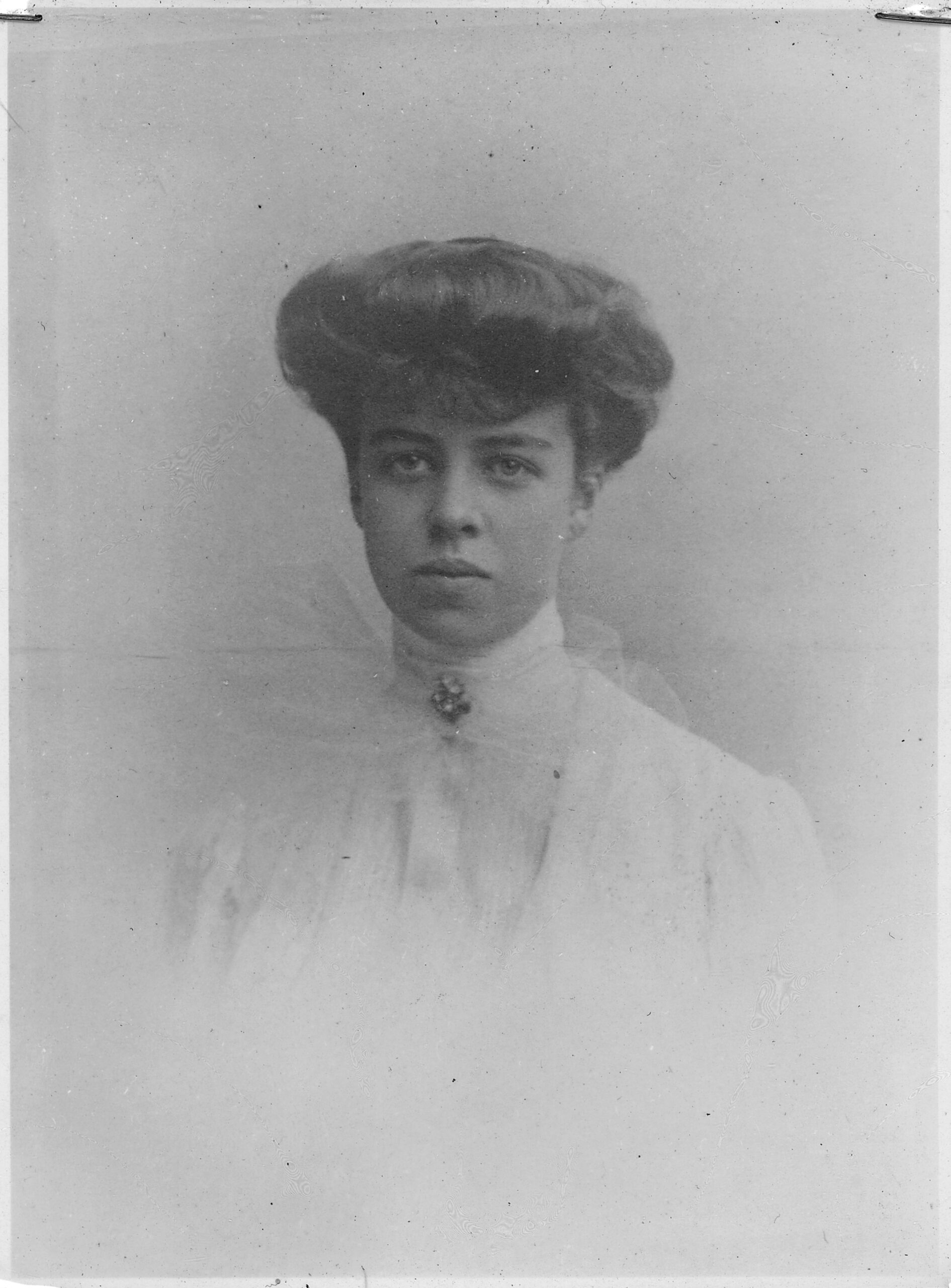
Anna Eleanor Roosevelt was born on October 11, 1884, at 56 West 37th Street in Manhattan, New York. Born into one of America’s most prominent and wealthy families, she endured a lonely and difficult childhood before emerging as one of the most influential political figures of the twentieth century. In 1905, she married her distant cousin, Franklin Delano Roosevelt, who would become the 32nd president of the United States.
As First Lady from 1933 to 1945, Eleanor Roosevelt transformed a role that had often been largely ceremonial into a powerful platform for public advocacy. During the Great Depression and World War II, she traveled extensively across the country and overseas, bringing the concerns of ordinary Americans, workers, women, and marginalized communities directly to her husband and the federal government. She championed civil rights, women’s rights, labor protections, and humanitarian relief, while also becoming the first First Lady to hold regular press conferences and write a widely read syndicated newspaper column.
Roosevelt served as Franklin Roosevelt’s eyes and ears during a period of national crisis, visiting communities affected by the Depression and traveling to military theaters abroad during World War II. Her reporting, speeches, radio broadcasts, and personal engagement helped make the presidency more visible and responsive to the American people. She also pressed for greater inclusion in New Deal programs and became an outspoken advocate for racial justice, supporting anti-lynching legislation, equal employment opportunities, and civil-rights organizations.
After Franklin Roosevelt’s death in 1945, Eleanor Roosevelt began an equally consequential chapter of public service at the United Nations. President Harry Truman appointed her to the U.S. delegation in December 1945, and she soon became the first chairperson of the UN Commission on Human Rights.
In that role, Roosevelt helped guide the drafting and adoption of the Universal Declaration of Human Rights, which the UN General Assembly adopted on December 10, 1948. The Declaration established a global standard for human dignity and fundamental rights, and Roosevelt regarded her leadership in securing its adoption as her greatest achievement.
Eleanor Roosevelt’s legacy extends far beyond her years in the White House. She redefined what a First Lady could accomplish, gave voice to people often excluded from political power, and helped create the modern international human-rights framework. Her life demonstrated that public influence is measured not only by the offices one holds, but by the causes one advances and the people one chooses to serve.
