
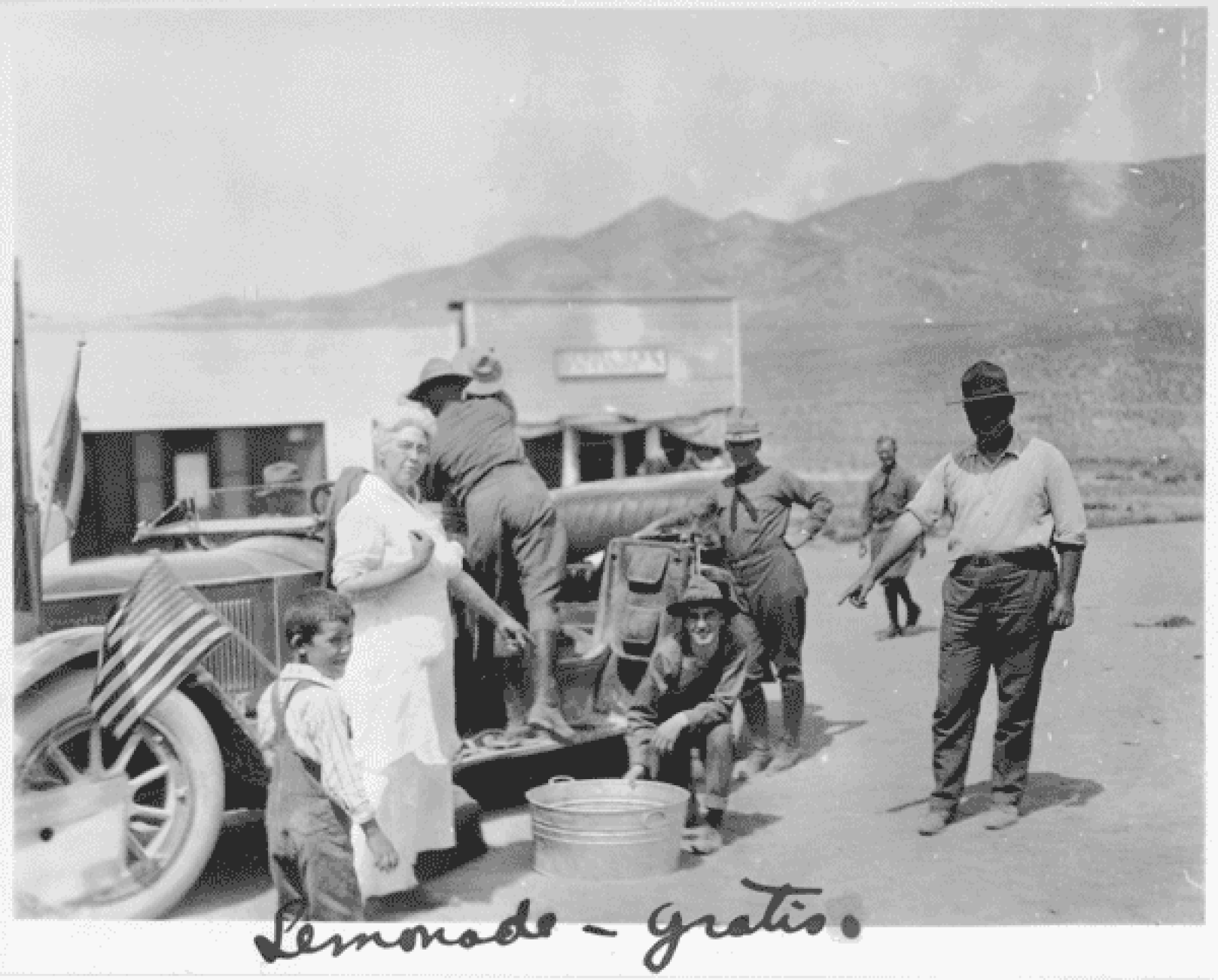
On November 3, 1919, Lieutenant Colonel Dwight D. Eisenhower submitted his report on the Army’s first transcontinental motor convoy. Earlier that summer, he had joined the expedition as an observer, gaining firsthand experience of the challenges of moving military vehicles across the country.
The convoy departed Washington, D.C., on July 7 and reached San Francisco on September 6, after traveling 3,251 miles in 62 days. Its 81 vehicles averaged only about six miles per hour—a measure of the difficulties posed by the nation’s roads and the demands of long-distance military transport.
Eisenhower also noted the public enthusiasm surrounding the expedition. In his November report, he described widespread support for better highways and judged the trip a success in encouraging that sentiment. The experience helped shape his later support, as president, for an interstate highway system.
