
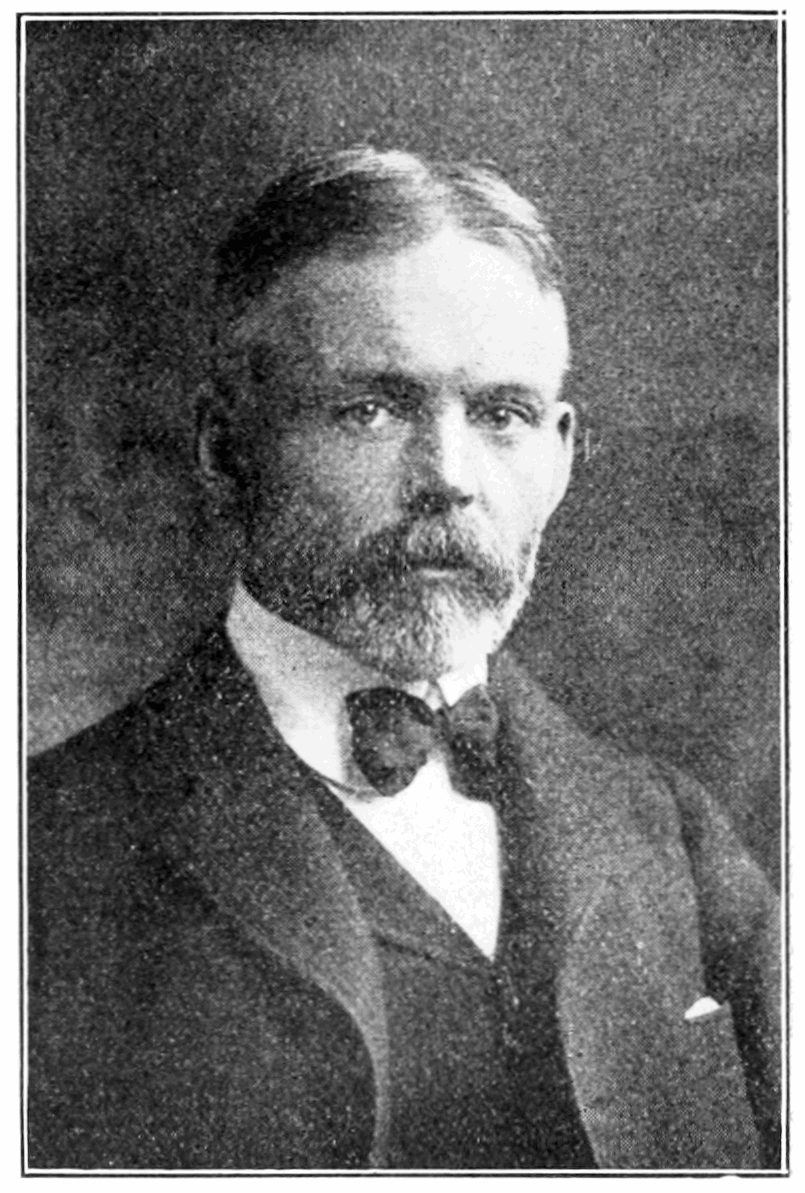
Born on October 19, 1856, in Geneva, Illinois, Edmund Beecher Wilson became one of America’s leading zoologists and pioneers of cell biology. He joined Columbia University in 1891, helping bring its zoology department to international prominence. Through his research and writing, Wilson helped place the study of cellular structure at the center of questions about development and inheritance.
His landmark textbook, The Cell in Development and Inheritance, first published in 1896, brought together the rapidly expanding discoveries of cytology—the study of cells—and introduced generations of students to the field. Its synthesis of evidence and theory helped establish cellular organization as essential to understanding how organisms develop and transmit hereditary characteristics.
In 1905, Wilson and Nettie Stevens independently produced important evidence for the chromosomal basis of sex determination. Their investigations of insect chromosomes helped establish a connection between chromosome differences and biological sex, with Stevens providing particularly decisive evidence for the role of the Y chromosome. These findings strengthened the broader case for chromosomes as carriers of hereditary information.
Wilson also helped create an environment in which genetics could flourish. In 1904, he invited Thomas Hunt Morgan to join Columbia, bringing together researchers whose work would deepen the connection between cytology and heredity. Wilson’s enduring achievement lay not only in what he observed through the microscope, but also in his ability to bring observations into a coherent account of the cell—linking nineteenth-century embryology with the emerging genetics of the twentieth century.
