
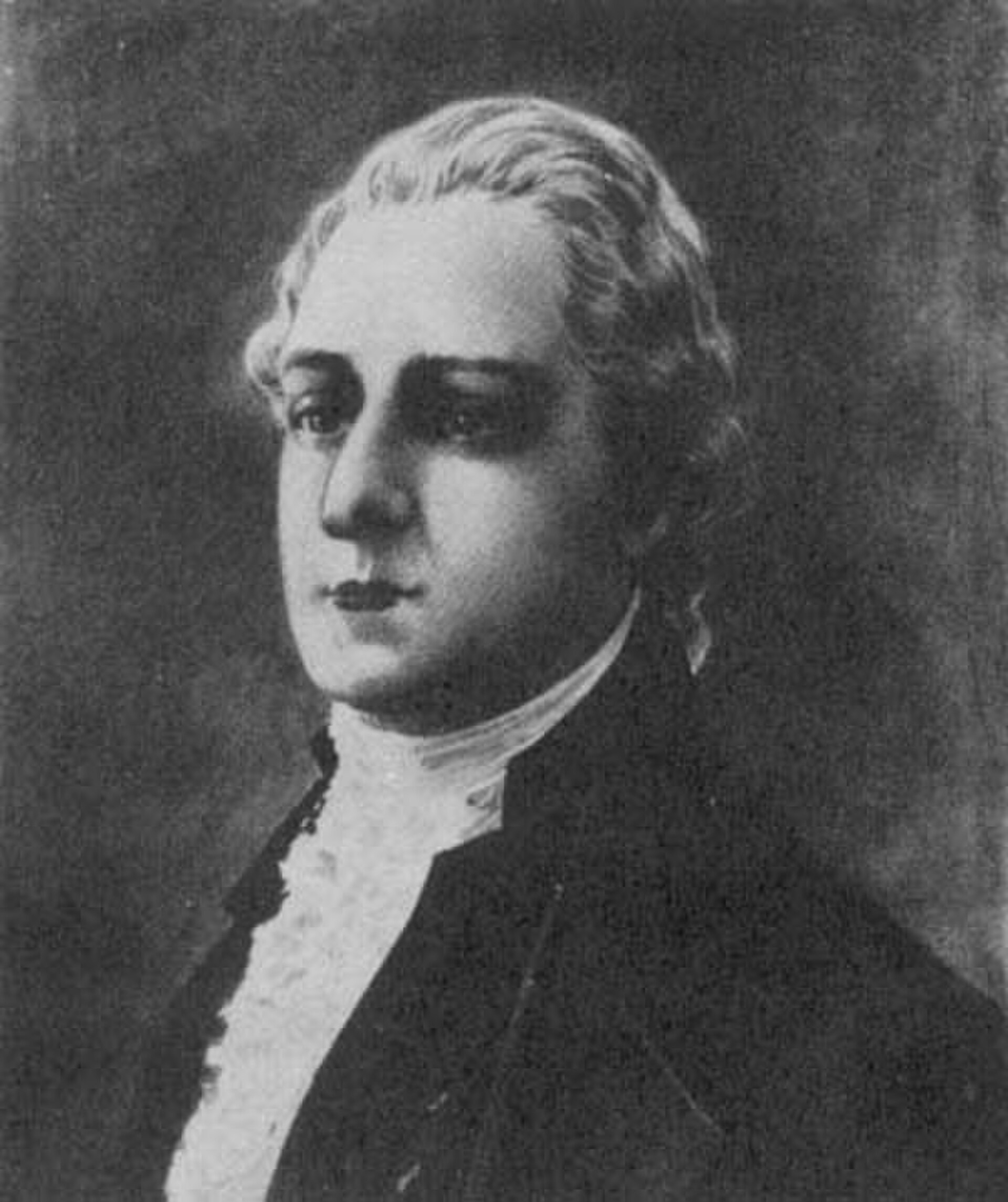
On or about July 6, 1775, a critical act of counter‑espionage reshaped the inner circle of the American rebellion when an encoded letter written by Dr. Benjamin Church was intercepted by patriot militia in Newport, Rhode Island. Church was one of Boston’s most respected physicians, a prominent member of the Sons of Liberty, a trusted confidant of Samuel Adams and Paul Revere, and the newly appointed head of the Continental Army’s medical department. The discovery of his encrypted correspondence revealed a stunning truth: one of the Revolution’s most visible patriots had been secretly supplying intelligence to British commander General Thomas Gage.
The unraveling of Church’s espionage network began when his companion attempted to smuggle a ciphered letter to a British warship anchored off Newport. Suspicious militia seized the document and forwarded it to General George Washington’s headquarters. There, a small committee of officers broke the cipher, exposing detailed reports on troop strength, ammunition shortages, and defensive vulnerabilities — all funneled directly to British command. Church insisted he was merely attempting to mediate between the two sides to prevent bloodshed, but evidence of payments from Gage destroyed his credibility.
Church’s betrayal delivered a profound psychological shock to the fledgling revolutionary leadership. Because the colonies had not yet declared independence, Washington faced a unique legal dilemma: he could not try Church for treason against a country that did not yet legally exist, resulting in Church being jailed in Connecticut under close confinement. Eventually permitted to leave America on a merchant schooner in 1778, Church vanished forever when the vessel sank in a violent Atlantic storm, leaving his mysterious end to match his deceptive life. The scandal marked a permanent turning point in the Continental Army’s approach to secrecy and communication, becoming one of the earliest milestones in American military intelligence.
Image: Posthumous portrait of Benjamin Church via Wikimedia Commons
