
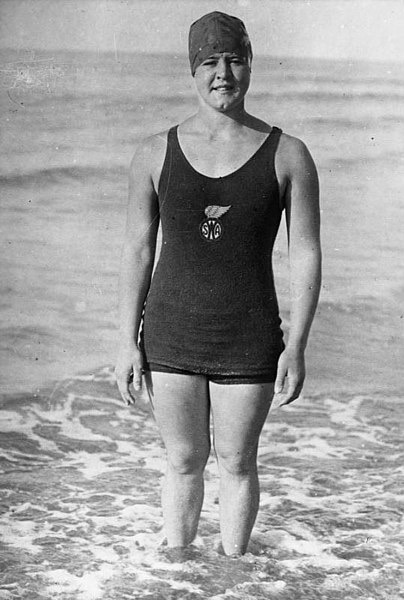
The icy, treacherous waters of the English Channel had long been considered a barrier too brutal for a woman to conquer, but nineteen-year-old Gertrude Ederle shattered that misconception forever on August 6, 1926. Coated in heavy grease to protect against the numbing cold, the young swimmer from New York City stepped into the churning surf and began a grueling, historic journey. For over fourteen hours, she battled blinding spray, deceptive crosscurrents, and stinging jellyfish, fueled by an internal fire that refused to let the ocean—or the skeptics of the world—defeat her.
When Trudy finally stumbled onto the English shore, she had done more than just complete the swim; her historic time of 14 hours and 34 minutes obliterated the existing men’s world record by an astonishing two hours. Her historic achievement sent a shockwave through the global sporting community, profoundly changing how the world viewed female athleticism. Her historic swim proved that determination and human endurance are entirely blind to gender.
