
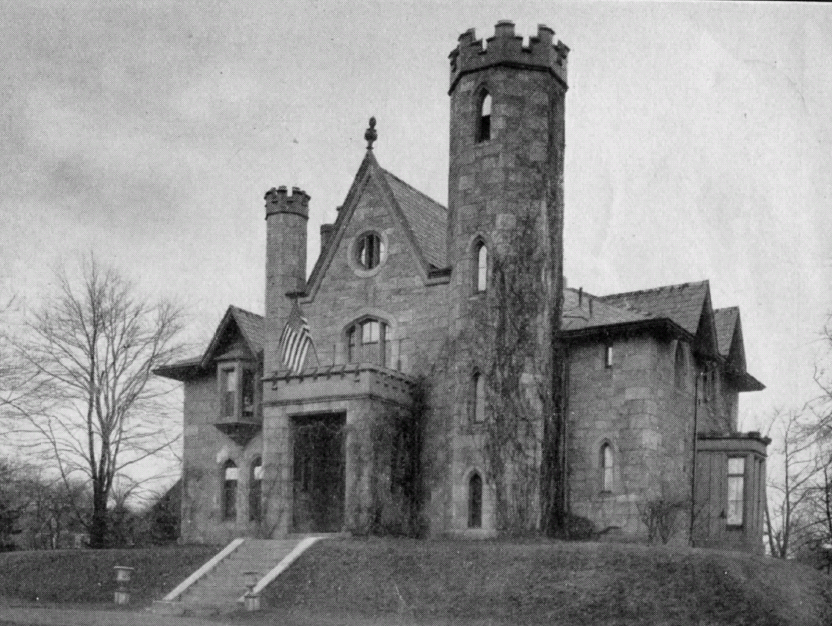
Born July 24, 1803, architect Alexander Jackson Davis reshaped American domestic architecture by introducing Gothic and Tudor Revival styles to a nation dominated by rigid Federal and Greek Revival forms. His designs featured asymmetrical floor plans, pointed gables, and whimsical bay windows that blended seamlessly with natural landscapes. Davis encouraged Americans to build homes that felt organic, emotional, and alive.
The secret behind Davis’s architectural revolution was his early training as a theatrical scene painter. He approached homes not as static structures but as dramatic stage sets meant to evoke feeling. Every porch, chimney, and shadow was crafted to frame human experience like a living painting. Davis’s work proved that architecture could be romantic, expressive, and deeply personal — a philosophy that still shapes American residential design today.
