
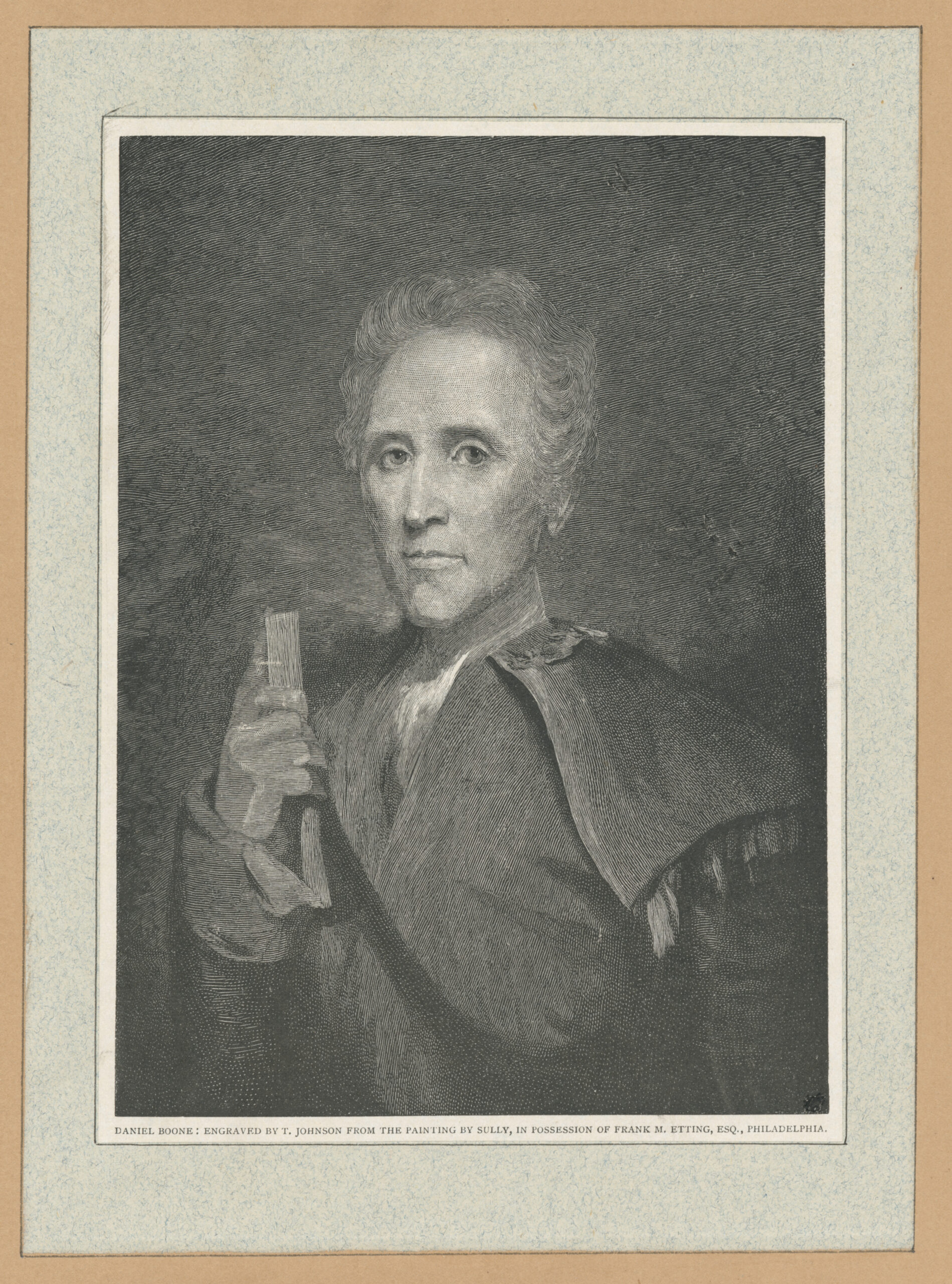
On November 2, 1734, Daniel Boone was born into a Quaker family in what is now Berks County, Pennsylvania. A skilled hunter, explorer, and woodsman, he became one of the best-known figures in the expansion of colonial settlement west of the Appalachian Mountains. In 1775, working for the Transylvania Company, Boone led a party that blazed a trail through the Cumberland Gap into Kentucky and helped establish Boonesborough on the Kentucky River. The Wilderness Road would become an important route for settlers moving west. Yet the country they entered was neither empty nor undiscovered: their arrival brought them into conflict with Indigenous peoples defending their lands and hunting grounds.
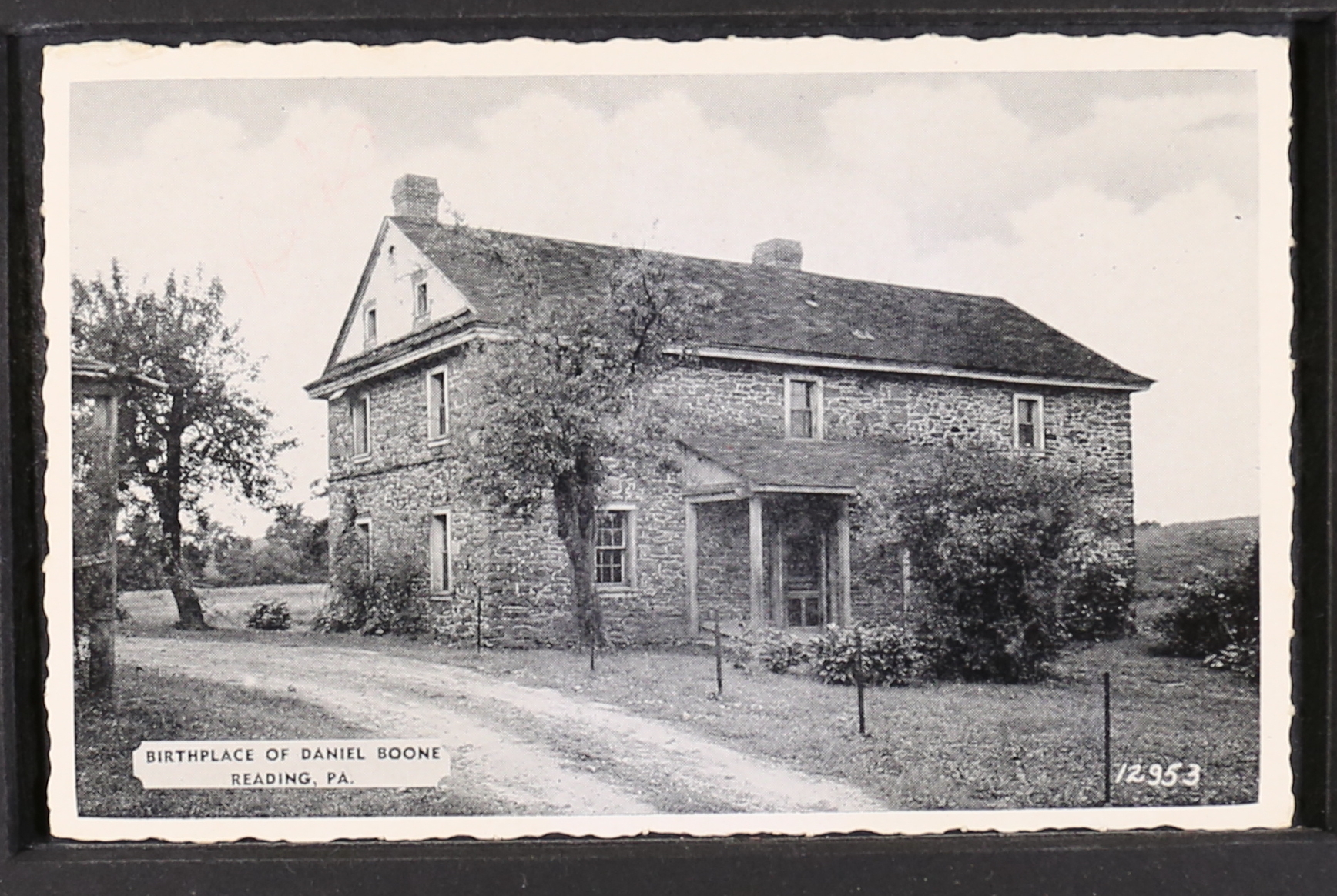
That conflict made Boone’s frontier career dangerous and deeply personal. In February 1778, Shawnee warriors captured him and a party of men making salt at the Lower Blue Licks. During his captivity, Boone was adopted into a Shawnee family and given the name Sheltowee. He later escaped and returned to Boonesborough, where he helped prepare the settlement for attack. His role in its successful defense became a defining episode in his reputation as a frontier leader. But the struggle was more than an adventure story: the settlers’ determination to remain in Kentucky collided with the determination of Native communities to resist their expansion.
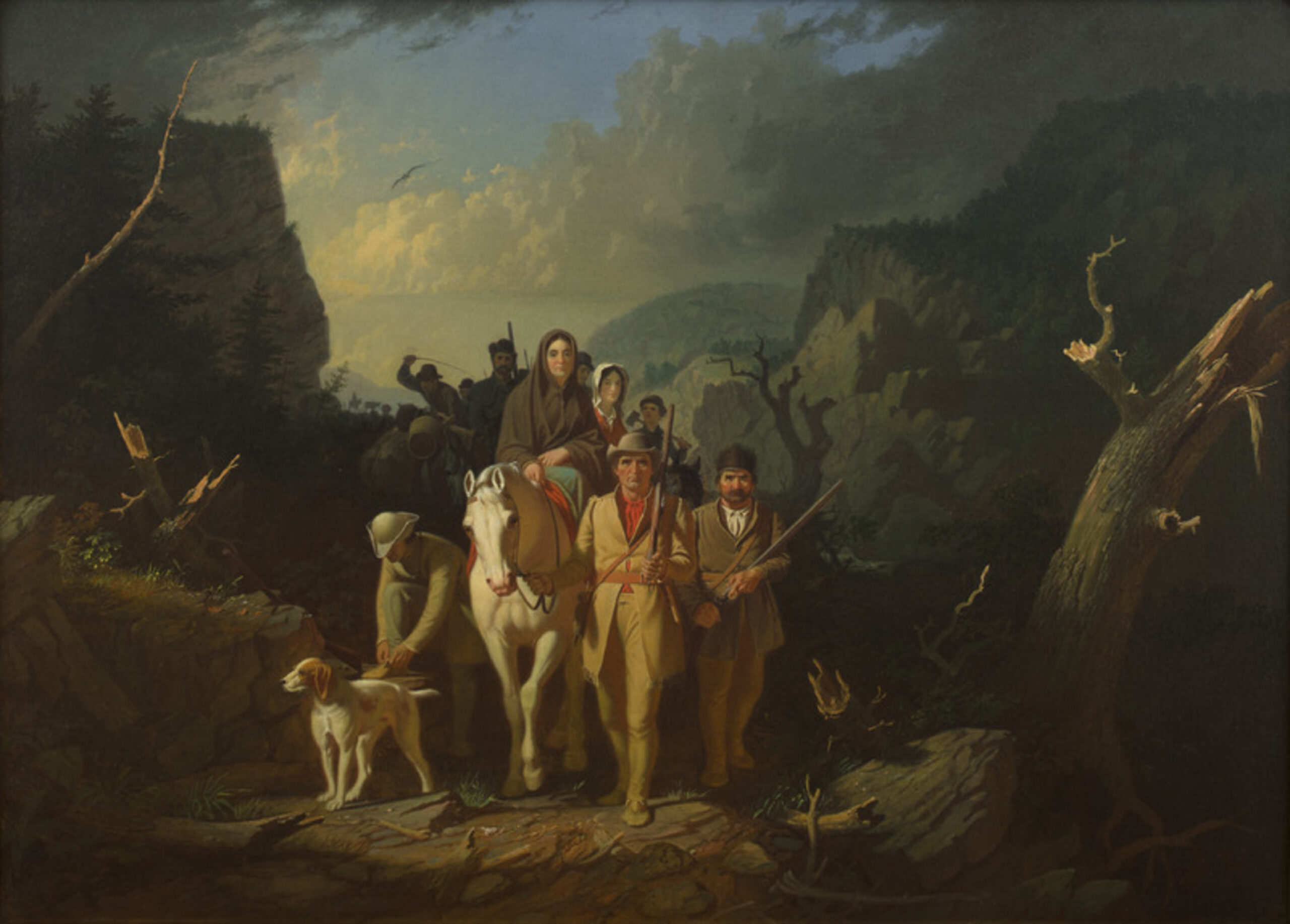
The enduring irony of Boone’s life is that helping establish settlements did not guarantee his own financial security. He was not merely a woodsman bewildered by paperwork; he participated extensively in land speculation, at one point holding claims to nearly 100,000 acres. Nevertheless, disputed titles and financial difficulties left him with nearly all his land lost by 1798. The following year, he moved with his family to Spanish-controlled Missouri, accepting an invitation to settle there and subsequently serving as a local administrator. He did not simply abandon civilization for the forest: he sought another beginning within a different colonial system. His later years reveal a less romantic truth about the frontier—courage, endurance, and intimate knowledge of the land could help a person establish a settlement without securing a lasting claim to its rewards.
