
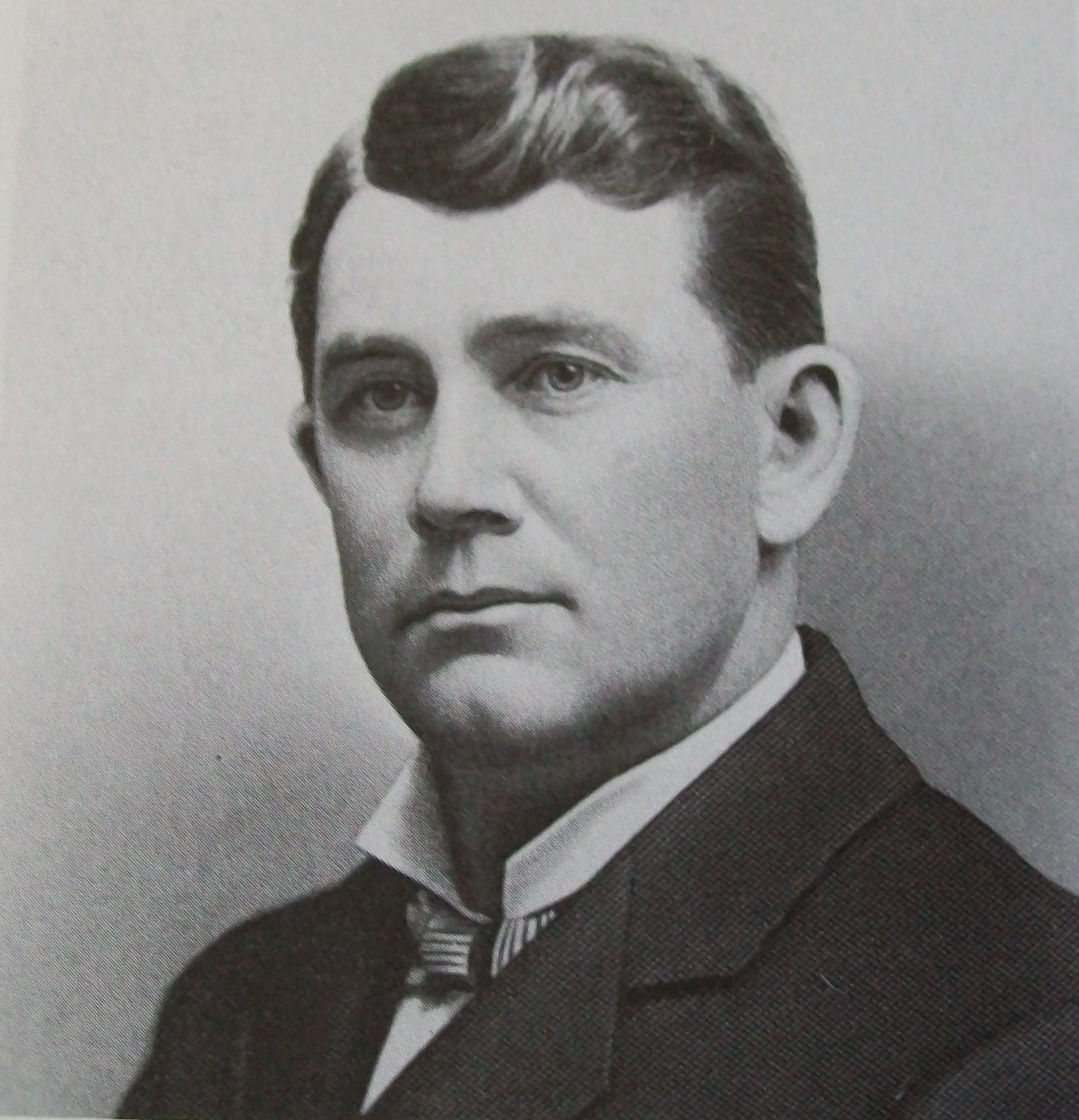
The American prohibition movement entered a more aggressive and highly coordinated phase on September 30, 1914, when former Indiana governor J. Frank Hanly launched the Flying Squadron of America before a mass meeting in Peoria, Illinois. Designed to carry the campaign for national prohibition directly to communities across the country, the Flying Squadron fused revival-style oratory, reform politics, music, and carefully staged public meetings around a single objective: abolishing the liquor traffic through national prohibition.
Hanly organized three traveling groups of prominent speakers, reformers, and musicians, each moving on demanding railroad schedules through a wide swath of the United States. From the Peoria opening to the campaign’s closing convention in Atlantic City on June 6, 1915, the groups delivered thousands of addresses and held meetings in roughly 255 cities, systematically visiting every state in the Union. Campaign accounts emphasized the scale of the undertaking, claiming some 65,000 miles of travel, 1,500 meetings, and 3,500 speeches.
The Flying Squadron did not by itself secure national prohibition. But it helped turn prohibition into a more visible national political cause by connecting local dry campaigns to a coordinated message of moral reform, civic duty, and federal action. It was part of the wider coalition that generated support for the Eighteenth Amendment, proposed by Congress in 1917 and ratified in 1919. Prohibition itself was later repealed in 1933, but the campaign remains a striking example of Progressive-era mass persuasion and political organizing.
Image credit: Flying Squadron of America temperance campaign records, via Wikimedia Commons, public domain.
