
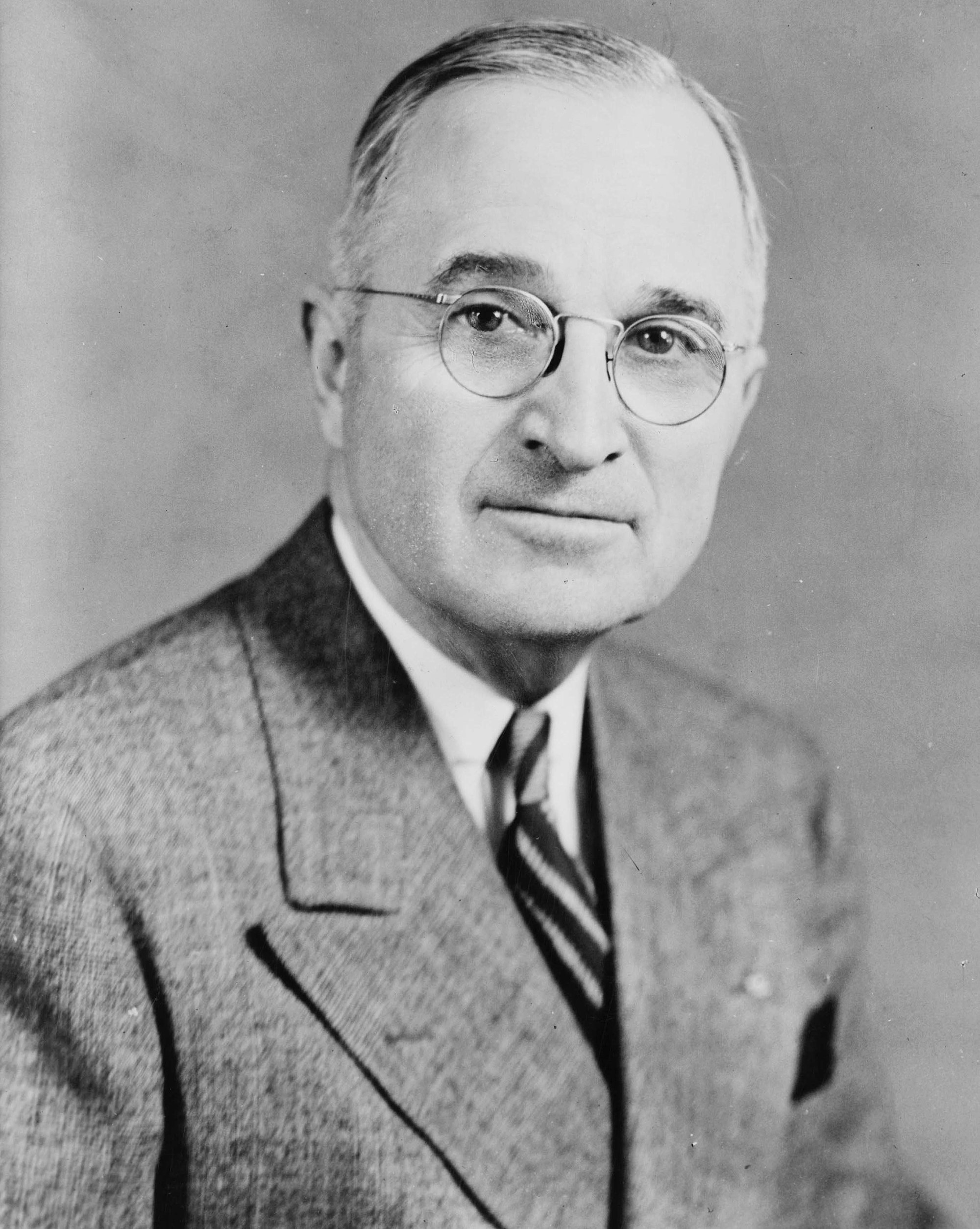
The modern law of the sea changed fundamentally on September 28, 1945, when President Harry S. Truman issued Proclamation 2667. The proclamation declared that the United States regarded the natural resources in the subsoil and seabed of the continental shelf beneath the high seas, but contiguous to its coasts, as appertaining to the nation and subject to its jurisdiction and control.
At the time, the territorial sea generally extended only three nautical miles from shore, while waters beyond it were treated as the high seas. Yet technological advances and the growing strategic value of offshore petroleum and mineral resources made the continental shelf newly important. Truman’s proclamation sought to ensure that those resources could be conserved and developed under U.S. authority, rather than left vulnerable to foreign exploitation. The companion Executive Order 9633 placed the claimed resources under the administrative jurisdiction and control of the Secretary of the Interior pending further legislation.
Crucially, the United States did not claim the waters above the continental shelf as territorial waters. Proclamation 2667 explicitly preserved their character as high seas and affirmed the right of free and unimpeded navigation. It also provided that, where a shelf was shared with or extended toward another state, the boundary should be determined according to equitable principles.
The proclamation therefore did not enlarge the U.S. territorial sea beyond the traditional three-mile limit. Instead, it established a distinct claim to offshore seabed and subsoil resources—an innovation that reshaped international practice. Other coastal states soon advanced comparable continental-shelf claims, helping set the stage for the 1958 Geneva Convention on the Continental Shelf and, ultimately, the modern framework reflected in the U.N. Convention on the Law of the Sea.
Image via Wikimedia Commons, public domain.
