On September 25, 1913, English comedian Charles Spencer “Charlie” Chaplin formally entered into a contract with Mack Sennett’s Keystone Film Company—an agreement that set the course for one of the most influential careers in film history. The surviving memorandum of agreement is dated September 25, 1913, and records Chaplin’s move from the vaudeville stage toward the rapidly growing world of motion pictures. His one-year deal began at $150 per week, with an increase to $175 per week after the first three months.
At the time, Chaplin was a 24-year-old performer touring the United States with Fred Karno’s celebrated comedy troupe. Keystone had become famous for its boisterous, fast-moving slapstick films, and producer Mack Sennett saw in Chaplin a gifted physical comedian whose stage work could translate to the screen. Chaplin completed his touring obligations, arrived in Los Angeles that December, and began working for Keystone in January 1914.
The Keystone period gave Chaplin his first intensive education in filmmaking: acting for the camera, shaping gags visually, working within the brisk pace of one-reel comedies, and eventually directing his own pictures. During his earliest Keystone films in 1914, he assembled the costume that would become inseparable from his image—the small bowler hat, tight coat, oversized trousers, worn shoes, cane, and toothbrush mustache. From those mismatched elements emerged the Little Tramp: funny, proud, vulnerable, and instantly recognizable anywhere in the world.
Chaplin’s work at Keystone was only the beginning. Over the following decades, he earned exceptional creative authority as a writer, director, producer, performer, and composer, creating landmark films including The Kid (1921), City Lights (1931), and Modern Times (1936). His September 25 contract did not make the legend overnight, but it opened the door to the career through which he helped prove that screen comedy could be visual poetry, social commentary, and enduring art.
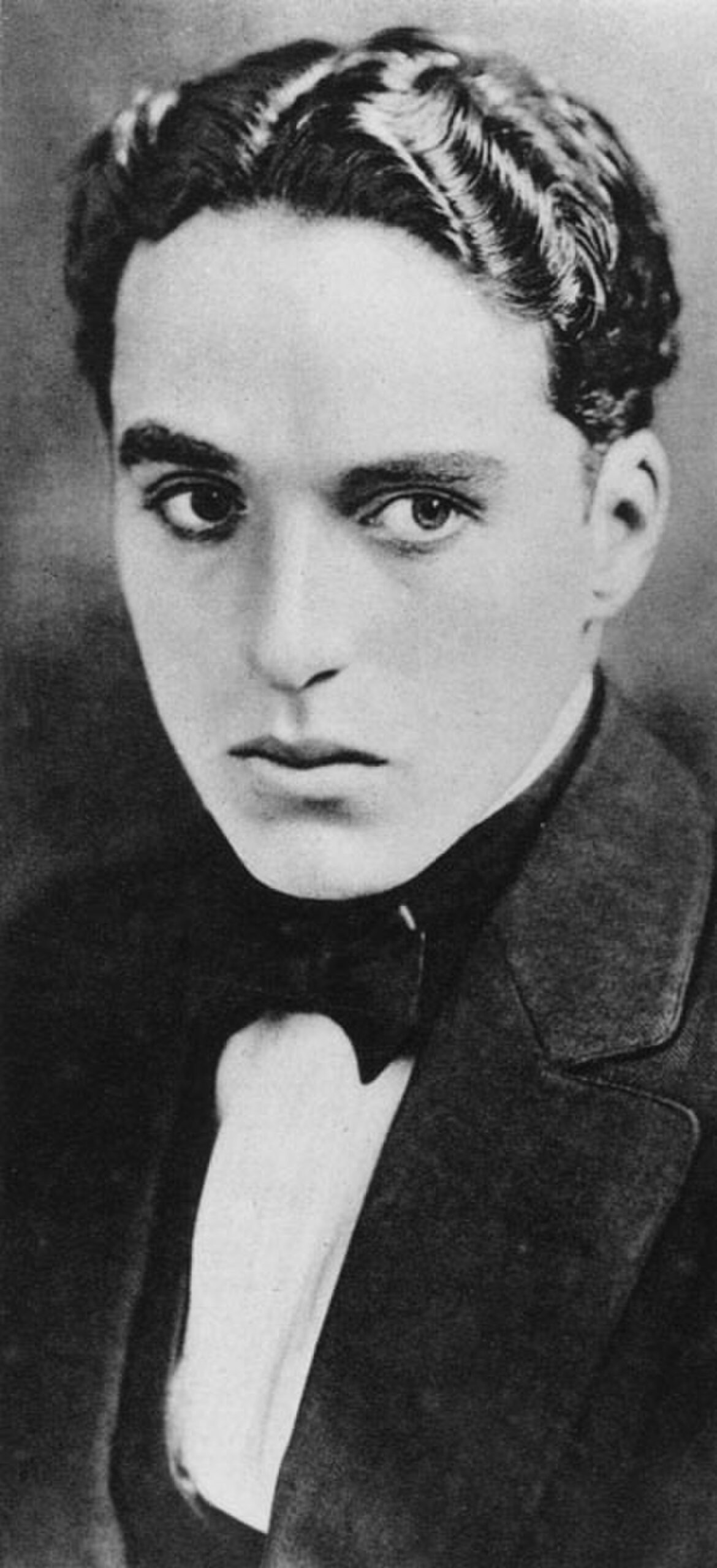
Image: Charlie Chaplin, c. 1913, via Wikimedia Commons, public domain.