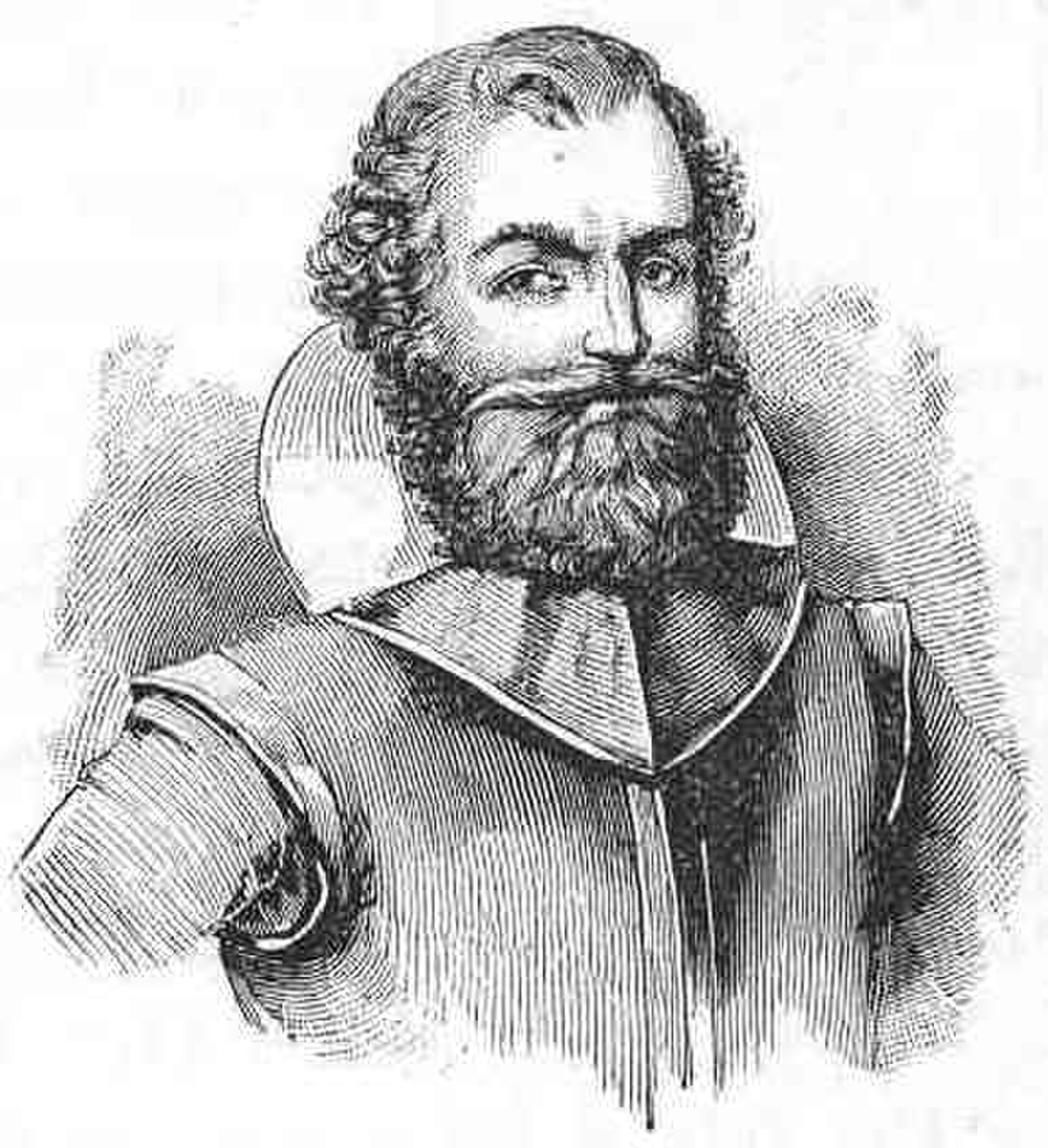
On September 10, 1608, Captain John Smith became president of Jamestown’s local governing council, assuming leadership of England’s first permanent settlement in North America at a moment of acute crisis. The colony faced food shortages, deteriorating defenses, internal conflict, and widespread uncertainty about how its inhabitants would sustain themselves.
Smith redirected attention from speculative pursuits, including the search for gold, toward the immediate work of survival: producing food, repairing the fort, and strengthening the settlement’s defenses. He imposed strict labor discipline through his well-known rule that “he that will not work shall not eat,” an adaptation of a biblical injunction that required able-bodied colonists—including gentlemen—to contribute to the colony’s maintenance. Under his administration, settlers planted crops, repaired and expanded the fortifications, cut timber, and produced materials intended for export.
Food remained a persistent vulnerability. Smith sought corn through trade and negotiation with Powhatan and the peoples of the Powhatan Confederacy, relationships that were vital to Jamestown’s survival but often tense and coercive. Indigenous food supplies had already been essential to the settlement, whose population had been devastated by disease, hunger, and conflict during its early years.
Smith’s government was controversial, and his authority faced continuing political opposition. In fall 1609, a gunpowder explosion badly injured him; he left for England for treatment the following month and never returned to Virginia. His departure came just before the Starving Time of 1609–10, one of Jamestown’s darkest periods.
Although Smith did not resolve Jamestown’s deeper structural problems, his presidency helped stabilize the settlement through the winter of 1608–09. His tenure illustrates how labor organization, fortification, and access to Indigenous food networks shaped the survival of England’s earliest colonial venture in Virginia.