
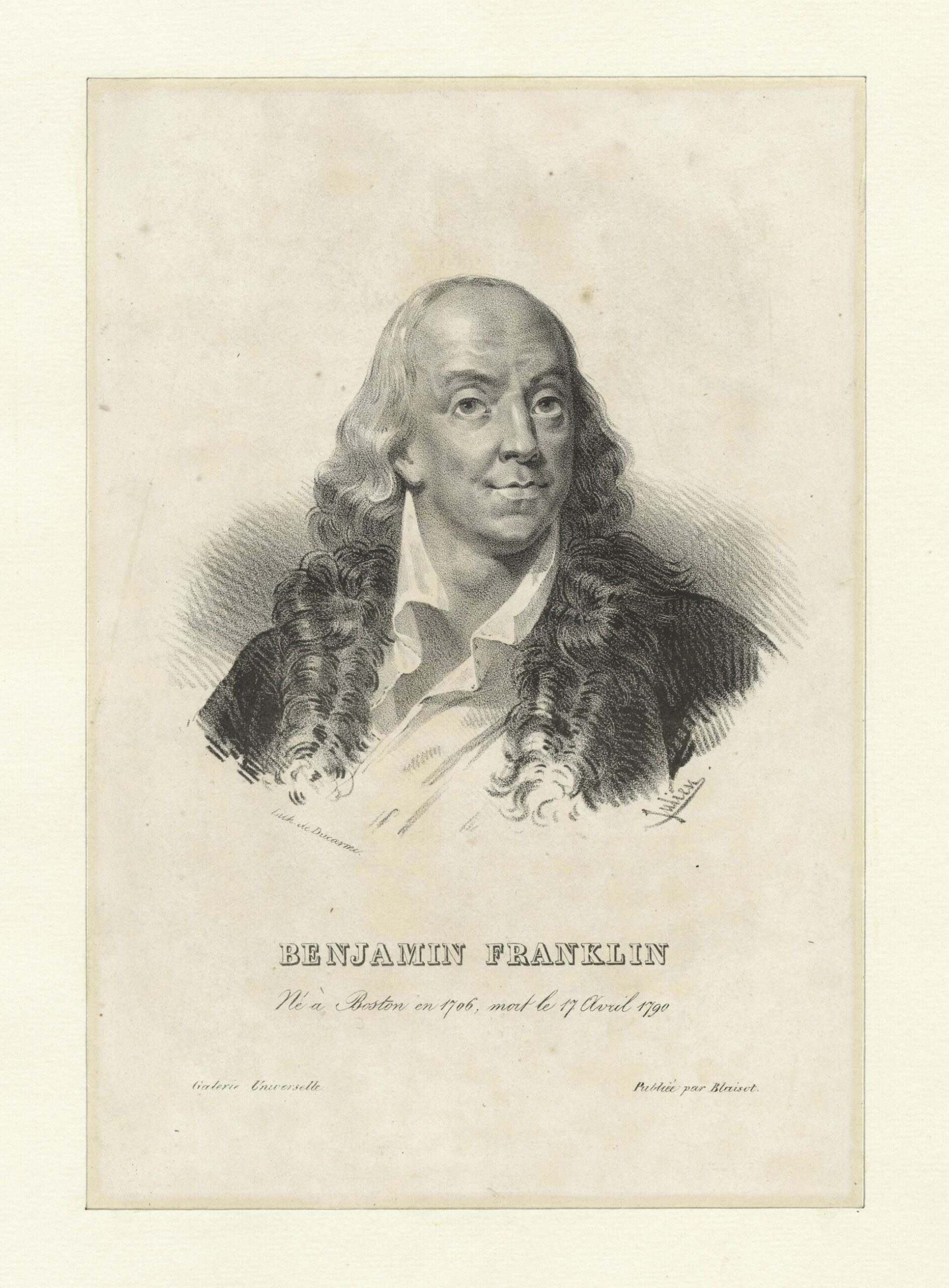
On September 17, 1787, the final day of the Constitutional Convention in Philadelphia, Benjamin Franklin offered a vital reflection on civic power as delegates prepared to sign the newly drafted United States Constitution. Although he had reservations of his own, Franklin urged his fellow delegates to set aside individual objections for the sake of national unity. In remarks read to the Convention on his behalf, he observed, “Much of the Strength and Efficiency of any Government, in procuring & securing Happiness to the People depends on Opinion, on the general Opinion of the Goodness of that Government as well as of the Wisdom & Integrity of its Governors.”
Franklin understood that the Constitution’s text alone could not sustain the new republic. Its endurance would also depend on public trust: Americans needed confidence both in the institutions created by the Constitution and in the wisdom and integrity of the officials chosen to administer them.
His words express a lasting principle of representative democracy. A legal framework may establish the powers of government, but its legitimacy and durability ultimately rely on the people’s belief that it serves the public good and is administered honorably. Franklin therefore encouraged the delegates to support the Constitution unanimously and to work toward its effective administration.
