
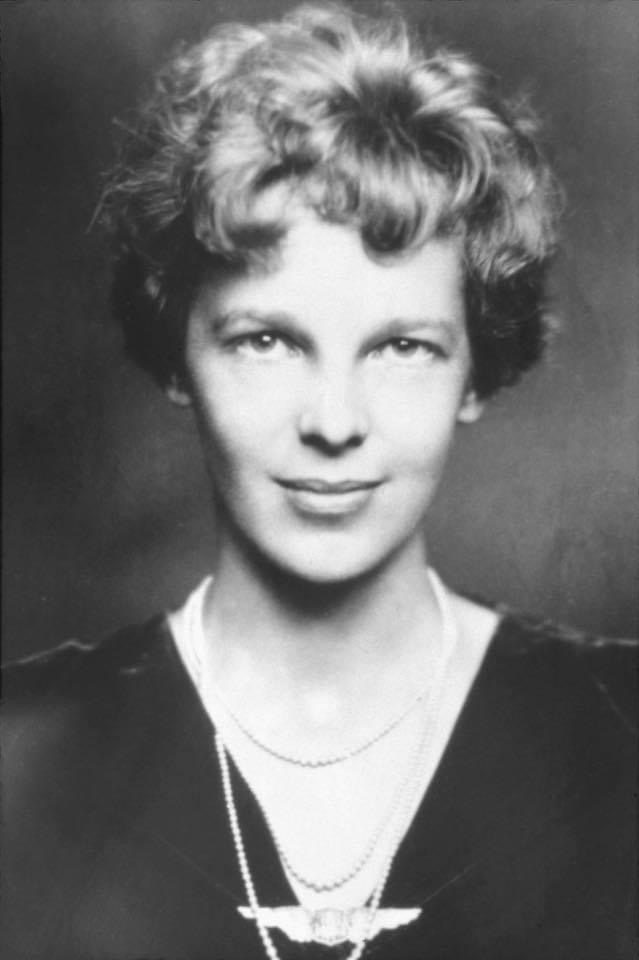
On August 24, 1932, aviator Amelia Earhart began the historic flight from Los Angeles that would make her the first female pilot to fly solo across the contiguous United States from coast to coast.
The high-stakes takeoff on August 24th was a magnificent display of aerodynamic discipline and raw physical stamina that permanently altered the landscape of early twentieth-century aviation history. Flying completely alone through the pitch-black night without advanced radar navigation tools, Earhart had to manually manage her fuel mixture and battle severe turbulence while crossing the high altitudes of the Rocky Mountains. For nineteen grueling hours, she remained pinned inside the cramped, vibrating cockpit, relying exclusively on her instruments and unyielding nerve to guide her aircraft through shifting weather fronts.
When her plane successfully touched down on an airfield in Newark, New Jersey, the next day, Earhart had single-handedly shattered the long-standing international speed record for transcontinental flight, validating the structural reliability of American long-range aircraft. Her spectacular triumph exploded across global media networks, turning her into an elite symbol of athletic determination and female agency for a post-war generation. This achievement significantly advanced commercial flight development, showing that single-engine monoplanes could reliably manage non-stop cross-country travel.
Image: Amelia Earhart sometime before 1937 via Wikimedia Commons, public domain.
