
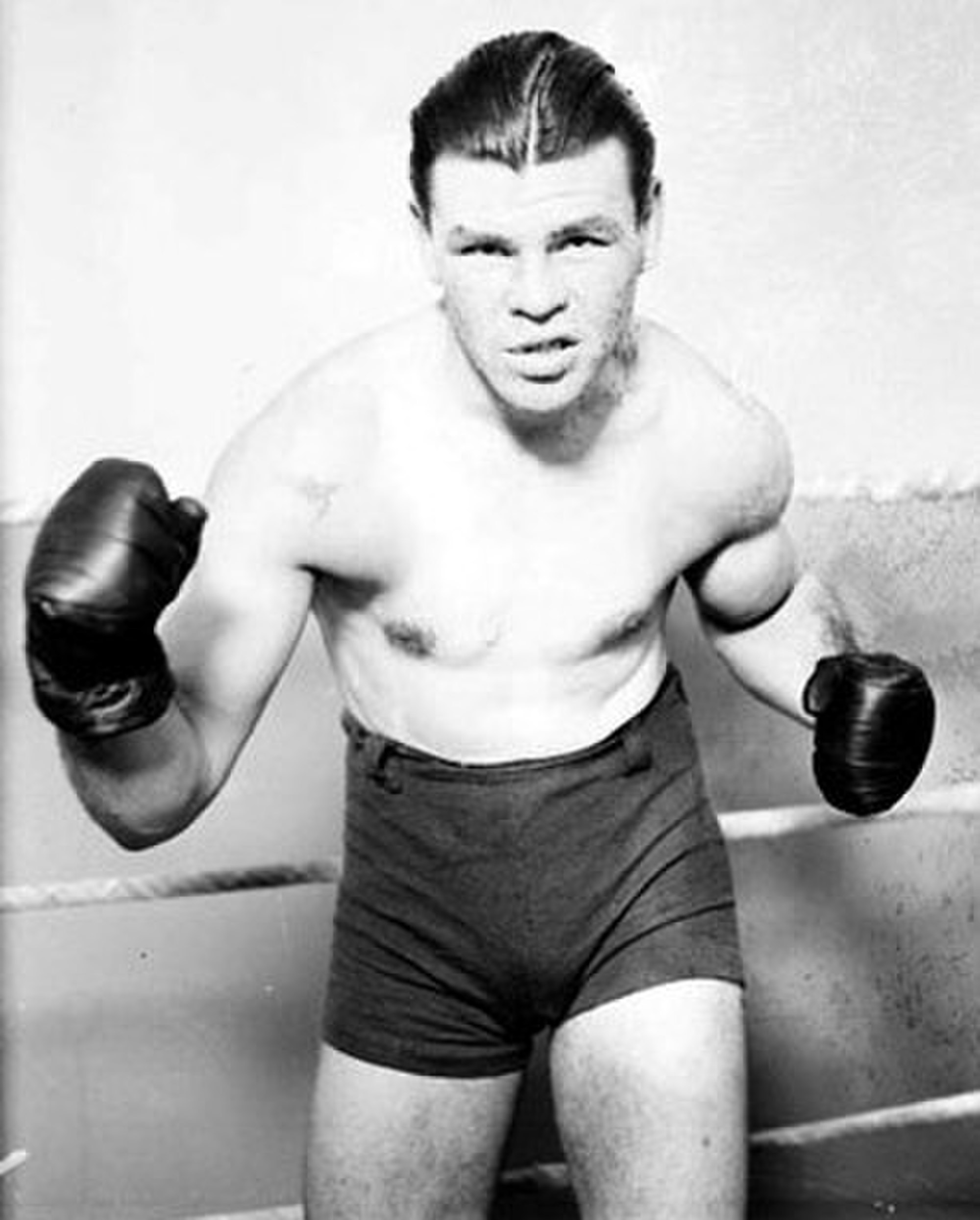
On August 24, 1925, reigning world welterweight boxing champion Mickey Walker stepped into the ring against William “Sailor” Friedman in Chicago in a high-stakes, non-title bout that ultimately concluded without an official decision.
The athletic confrontation executed on August 24th served as a vivid visual ledger of the intense, corrupting influence that organized crime syndicates commanded over professional prizefighting during the height of the Prohibition era. Shortly before stepping through the ropes, Walker was paid an unexpected locker-room visit by notorious underworld kingpin Al Capone, who reportedly issued a blunt directive advising the champion to “take it easy” on Friedman. In the wide-open laboratory of 1920s Chicago, athletic contests were frequently treated as lucrative commercial assets by bootlegging operations, which manipulated betting lines to fund their illicit operations.
Walker carefully navigated the dangerous trap by boxing a measured, defensive contest, showcasing his elite timing and footwork without attempting to deliver a knockout blow to his opponent. The resulting newspaper decision widely favored Walker, allowing him to retain his professional prestige while successfully avoiding a lethal confrontation with Chicago’s dominant gangland enforcement apparatus. The bout perfectly captures the reality of jazz-age sports culture, exposing how tightly bound professional athletics were to the illicit economies of the interwar years.
Image via Wikimedia Commons, no known restrictions.
