
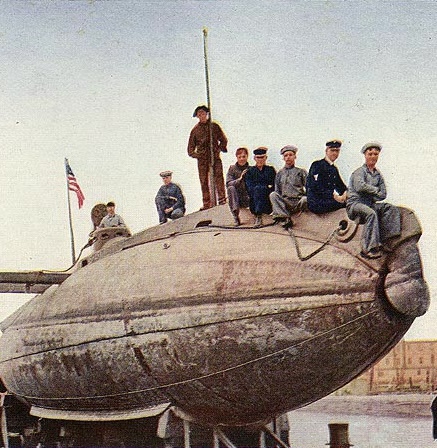
On August 23, 1904, off the coast of Newport, Rhode Island, a routine naval training exercise turned into a terrifying race against death when the U.S. submarine Porpoise dropped unexpectedly to the ocean floor. With eight men trapped aboard a vessel barely a generation removed from hand‑cranked prototypes, the crew suddenly found themselves battling pressure, panic, and time itself.
The underwater crisis exposed the extreme vulnerabilities facing the earliest pioneers of the American submarine service. Operating at the dawn of underwater naval engineering, the men of the Porpoise had to manage a maze of valves, pumps, and ballast tanks in near‑total darkness while the crushing weight of the Atlantic strained the hull around them. For twenty agonizing minutes, the sailors executed emergency recovery protocols under immense psychological duress, knowing that a single mechanical failure could turn the submarine into a steel coffin.
Against all odds, the crew stabilized the internal systems and forced the vessel to claw its way back to the surface. What began as a routine test dive became an essential case study in early maritime rescue procedures, permanently shaping the safety doctrine for future generations of American submariners.
Sometimes survival arrives in the narrowest of margins — and for the iron‑nerved crew of the Porpoise, those twenty minutes on the ocean floor became a lasting testament to discipline, teamwork, and human resilience.
Image via Wikimedia Commons, public domain
