
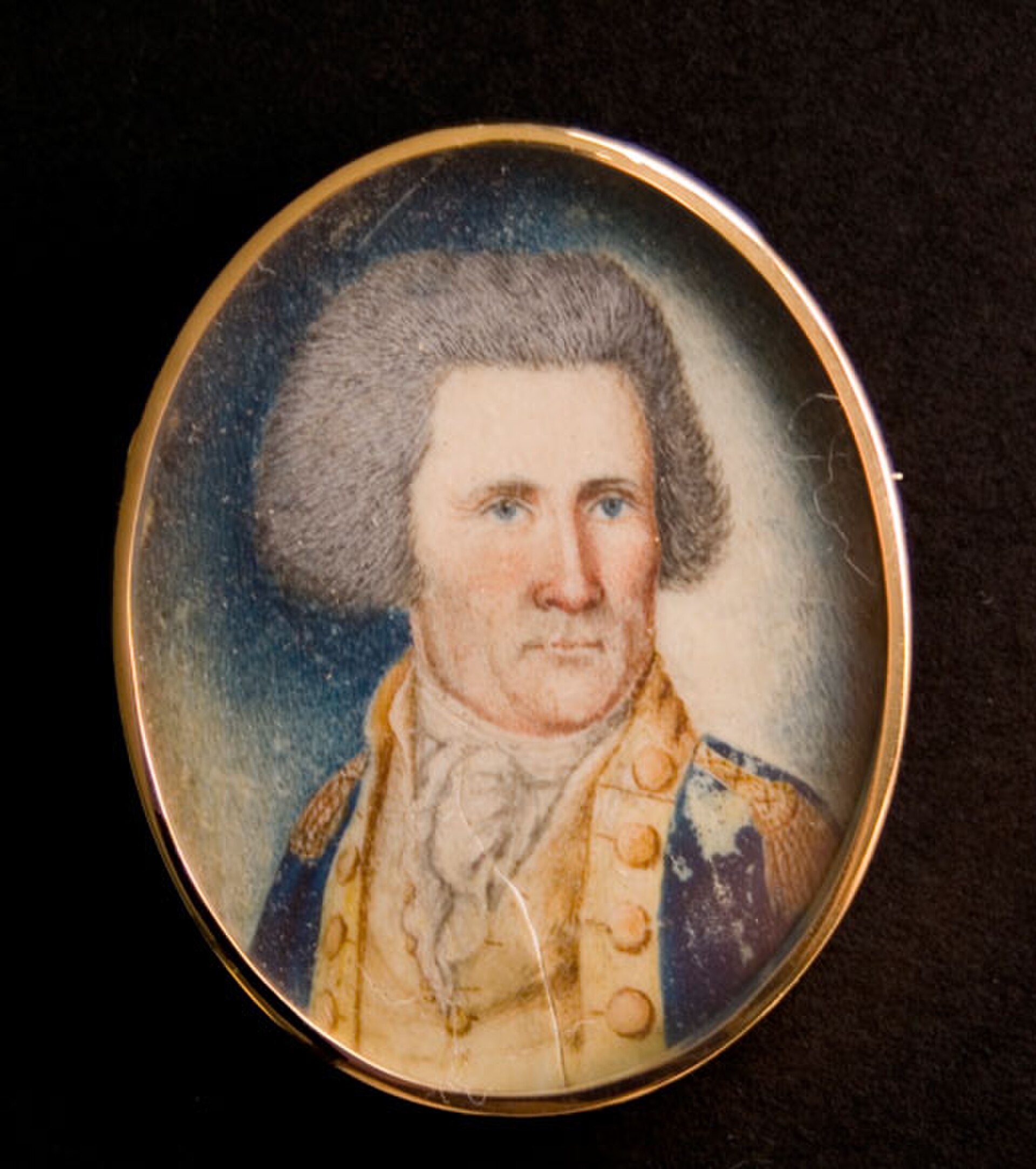
On August 23, 1784, frontiersmen living in the western counties of North Carolina—today’s eastern Tennessee—declared their independence and formed the short‑lived State of Franklin. Led by Revolutionary War veteran John Sevier, who became the breakaway government’s president, the settlers drafted their own constitution, opened courts, and created an independent tax system.
The political experiment captured the fierce self‑reliance of early Appalachian communities. After years of receiving little protection, infrastructure, or representation from North Carolina, the mountain settlers pooled their resources to build a functioning government from scratch. For four turbulent years, Franklin operated as an unrecognized republic, even accepting animal pelts and whiskey as legal tender to keep public business running.
But the project was never stable. Internal factions, competing loyalties, and North Carolina’s refusal to relinquish authority weakened the new state. When the Continental Congress declined Franklin’s petition for admission—falling just one vote short of the two‑thirds requirement—the dream of sovereignty began to collapse. By 1789, Franklin dissolved, and the region returned to North Carolina’s control.
Yet the legacy endured. Sevier’s frontier statehood movement helped define the political identity of the trans‑Appalachian West and served as a structural stepping stone toward the creation of the Southwest Territory and ultimately the admission of Tennessee as a state in 1796. The State of Franklin remains a striking monument to the democratic improvisation of the early republic—proof that the desire for local self‑government could ignite an entirely new constitutional order in the deep wilderness.
Image: Portrait miniature of John Sevier, first Governor of Tennessee and leader of the State of Franklin (Wikimedia Commons, public domain).
