
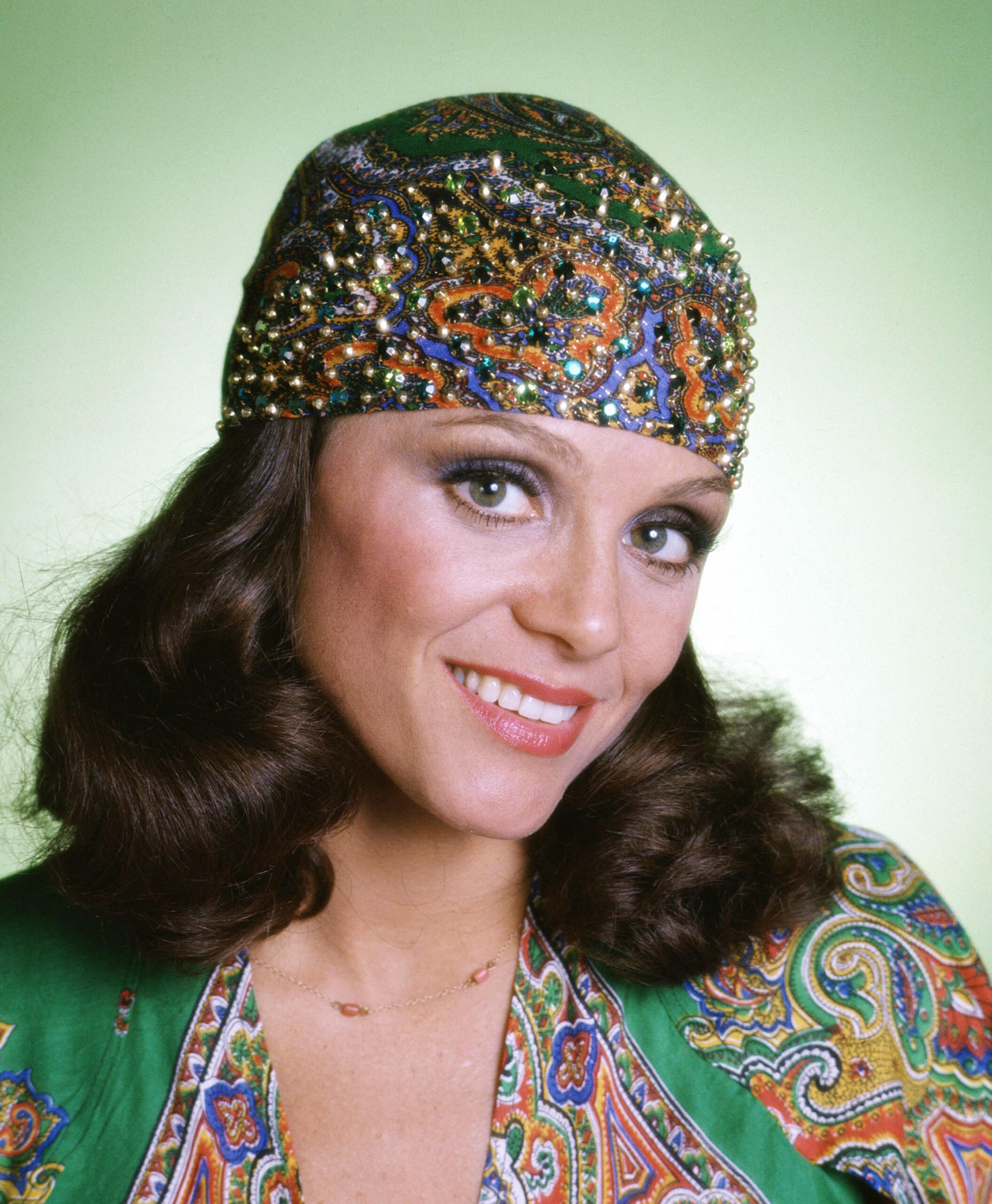
Born August 22, 1939, Valerie Harper became one of the defining faces of 1970s American television. As Rhoda Morgenstern on The Mary Tyler Moore Show and its spinoff Rhoda, she brought to life a character who blended sharp humor, emotional honesty, and unapologetic self‑awareness—creating one of the first truly modern portrayals of a single, independent woman navigating work, friendship, and love in the big city.
Harper’s birth on August 22nd introduced a performer whose presence helped shift television away from idealized domesticity and toward something more real, more lived‑in, and more emotionally complex. As Rhoda, she embodied the witty, self‑deprecating best friend who often stole the scene, turning insecurities about weight, romance, and identity into moments of cathartic recognition for viewers who saw themselves in her struggles. When Rhoda spun off into its own series, Harper carried the emotional center of the show with a mix of vulnerability and resilience that made the character’s triumphs and heartbreaks feel deeply personal.
Beyond her iconic sitcom roles, Harper built a respected career on stage and in film, and later became a powerful symbol of courage as she faced serious illness with public candor and determination. Her openness about her health battle transformed her into a living testament to grit and grace, inspiring countless fans who had grown up with Rhoda and now watched Valerie confront mortality with the same honesty she once brought to comedy.
Valerie Harper’s legacy remains a monument to emotional truth in popular culture—proof that a character can be funny, flawed, and fiercely human, and in doing so, change the way a generation sees itself.
Image: Valerie Harper c. 1974 via Alamy
