
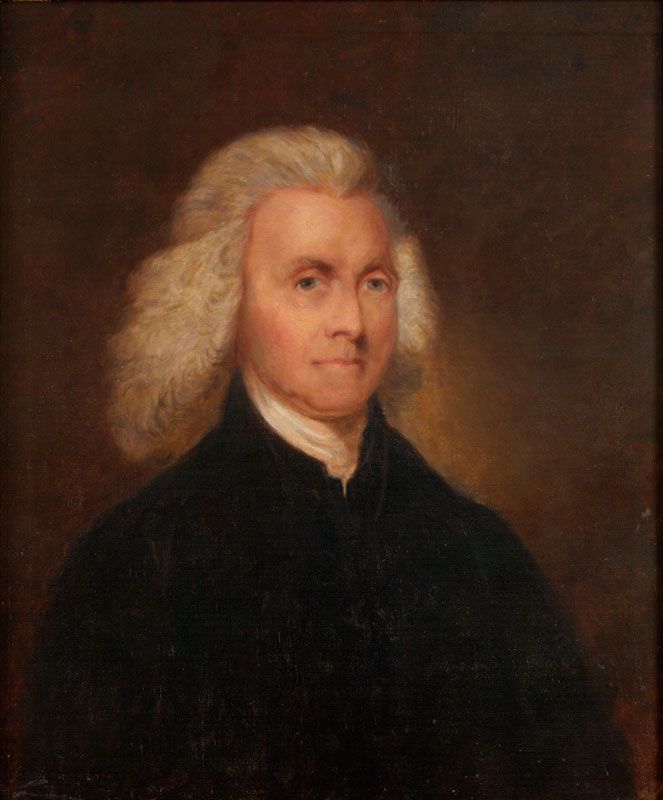
On June 12, 1788, the Virginia Ratifying Convention held a fierce, dramatic debate in Richmond regarding the adoption of the newly proposed United States Constitution. Serving as the official presiding officer and president of this contentious convention was Edmund Pendleton (shown), a highly respected judge and veteran statesman who was unanimously chosen to lead the historic proceedings despite being in poor physical health. Under Pendleton’s steady guidance, opponents of the document—led by passionate anti-federalists like Patrick Henry—argued fiercely that the lack of an explicit bill of rights left religious minorities completely vulnerable to federal persecution. In response, James Madison delivered a brilliant, reassuring speech pledging that if the constitution were ratified, he would personally introduce federal amendments to permanently protect the absolute freedom of conscience.
This intense convention debate was a critical turning point that directly secured the survival of the United States Constitution in one of the largest and most powerful states in the union. Pendleton’s immense political prestige and fairness as a moderator pacified skeptical Baptist and Presbyterian congregations across Virginia, providing the structure and narrow margin of votes required for eventual ratification. True to the promises made during these floor debates, Madison introduced the First Amendment to Congress the following year, transforming this provincial compromise into a foundational pillar of American religious freedom.
