
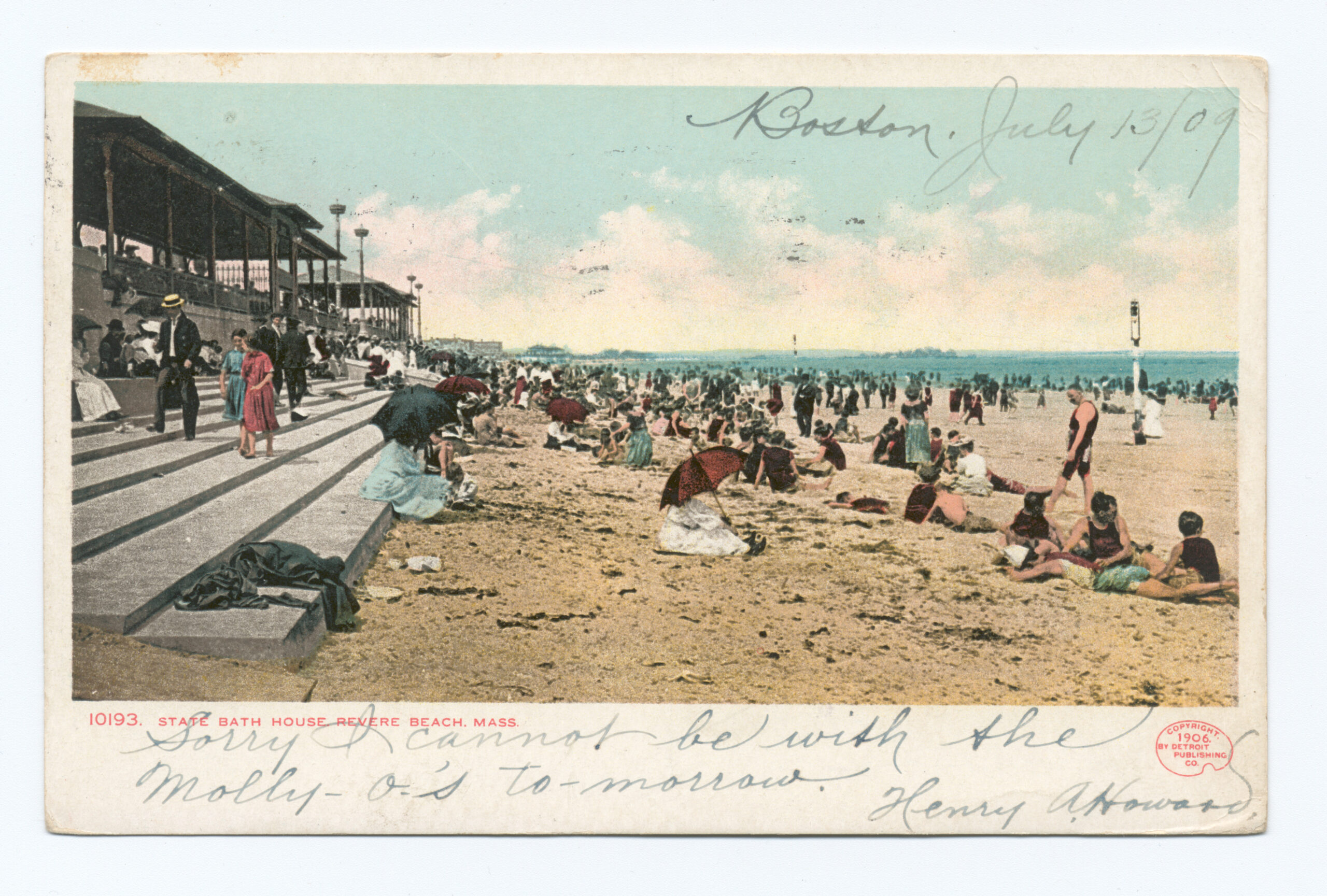
Revere Beach in Massachusetts officially opened to the public on July 12, 1896, becoming the first free, public beach in the United States. Before this landmark moment, most American shorelines were privatized or accessible only to wealthy families who owned coastal property.
The dedication of Revere Beach was a heartfelt victory for working‑class communities of the industrial era. For the first time, thousands of laborers, immigrants, and city children could escape Boston’s sweltering tenements and experience the ocean without paying a cent. The beach quickly became a beloved refuge — a place where factory workers could breathe fresh salt air, families could picnic along the shoreline, and children could play in the waves with a freedom they had never known.
Its opening sparked a national movement to preserve America’s natural wonders for everyday citizens rather than the privileged few, laying the groundwork for the public‑access philosophy that would later shape state parks, national seashores, and the broader conservation ethic of the 20th century.

About ten years ago, I went to Boston Public Library to look at old newspapers on microfiche; I wanted to find articles and photographs of the grand opening. What I found that day was no opening of any such took place.
Further research – and everything from other newspaper articles, year end reports from the Metropolitan Parks Commission, and photographs from the Olmsted architectural firm was easy to find – told the actual story:
The Commonwealth of Massachusetts would purchase the land on October 1, 1896, making Revere Beach the first state owned beach for public usage in the country.
The work to make Revere Beach into what we see today – the long crescent-shaped sweep of sand with no structures, the pavilions, the bandstand, the bathhouse, and the Metropolitan Police Station – did not begin until the second week of October, 1896, and was not fully completed until 1897. Revere Beach Boulevard, up until the early months of 1897, was still known as Railroad Avenue; the tracks of the Boston, Revere Beach, and Lynn Railroad traveled there until moved to the present day spot of the MBTA Blue Line.
The question – how did July 12, 1896 mistakenly be credited for the grand opening? Not sure…
Lou,
Thank you very much for sharing your detailed local insights — it’s clear you’ve spent a great deal of time researching Revere Beach’s early history, and we appreciate you bringing that perspective into the discussion. We also noticed you’ve written about this topic elsewhere, which shows how deeply you care about getting the story right.
As with many places that evolved over time, some details around Revere Beach’s “opening day” depend on whether we’re talking about early recreational use, state acquisition, or the popular narrative that developed later.
What is well‑established is that the shoreline was used for recreation long before the Metropolitan Park Commission created the public reservation — with hotels, cottages, and amusements appearing as early as the 1830s–1840s.
At the same time, the July 12th date continues to appear in modern references, including the Boston Globe’s daily historical chronicle and several anniversary pieces the paper has published in recent years. These articles reflect the long‑standing popular date that the City of Revere itself has promoted for decades, even though the legal and construction timelines tell a more complicated story.
We genuinely appreciate your input and the fascinating historical nuance you’ve added to the conversation.