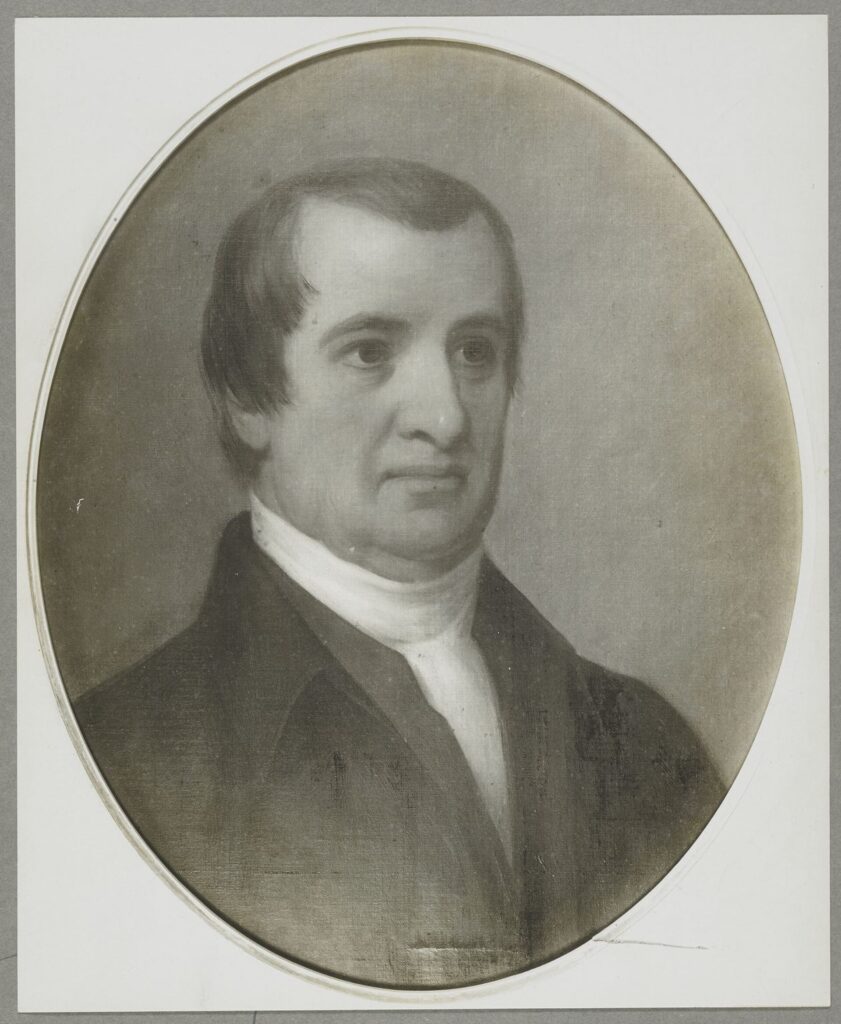
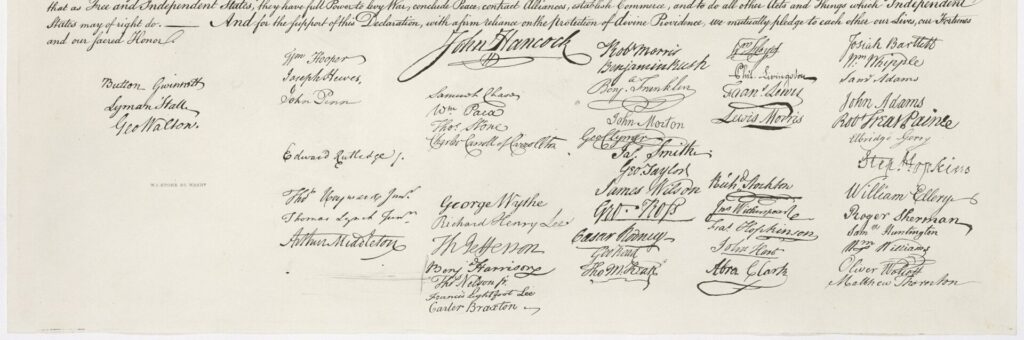
Born in Elizabethtown, New Jersey, Abraham Clark rose from modest beginnings to become one of the most steadfast patriots of the American Revolution. A self-taught surveyor and legal advisor known locally as “the poor man’s counselor,” Clark earned a reputation for defending farmers, laborers, and widows well before his entry into national politics. When New Jersey dismissed its hesitant delegates in June 1776, Clark was sent to Philadelphia as a man whose resolve would not bend. He voted for independence within days of arriving and signed the Declaration knowing the penalty for treason. In a private letter, he captured his unwavering mindset in a single, unflinching line: “We can die here but once.”
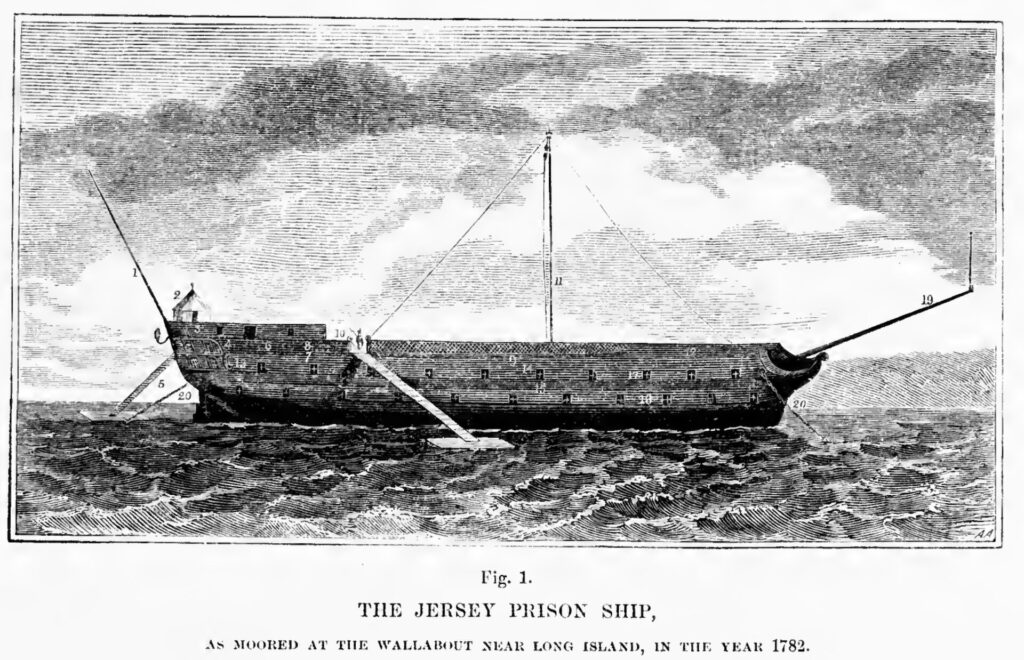
Clark’s sacrifice was not theoretical. Two of his sons, Aaron and Thomas, fought in the Continental Army and were captured by the British. They were thrown aboard the notorious prison ship HMS Jersey, where starvation, disease, and brutality claimed thousands. Thomas was cast into a dark, airless hole below deck, kept alive only by scraps fed to him through a keyhole by fellow prisoners. British officials explicitly offered to release the brothers if their father would renounce the rebellion. Clark refused. Both sons survived the horrific conditions, but emerged permanently broken—Thomas suffered from chronic respiratory frailty, and Aaron carried the devastating lifelong effects of severe malnutrition. Clark’s signature stood firm, even as his own children paid the price.
After independence, Clark continued serving the new nation he helped create, sitting in the Continental Congress through the war years and later in the First U.S. Congress. On September 15, 1794, after decades of public service, he suffered a fatal sunstroke at his Rahway home and died at the age of 68. He was laid to rest in Rahway Cemetery, close to the everyday citizens he had spent his entire life championing. Steadfast, self-made, and unshaken by threat or suffering, Abraham Clark embodied the Revolution’s courage—the kind that signs a nation into being and accepts the cost without complaint.